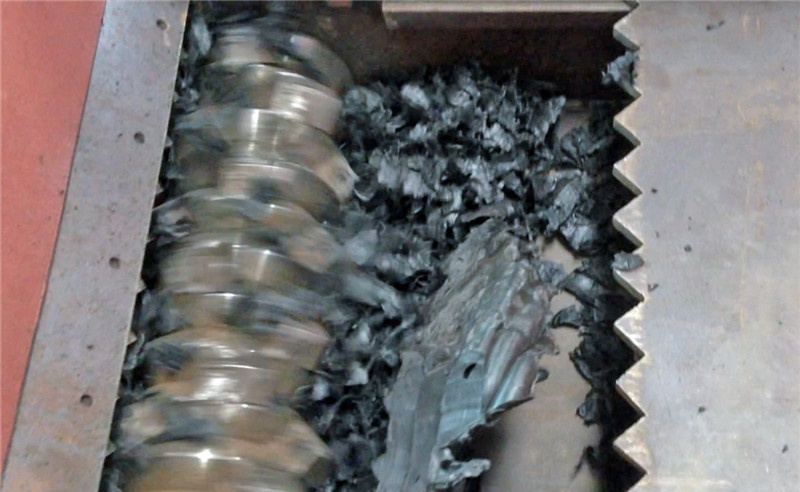
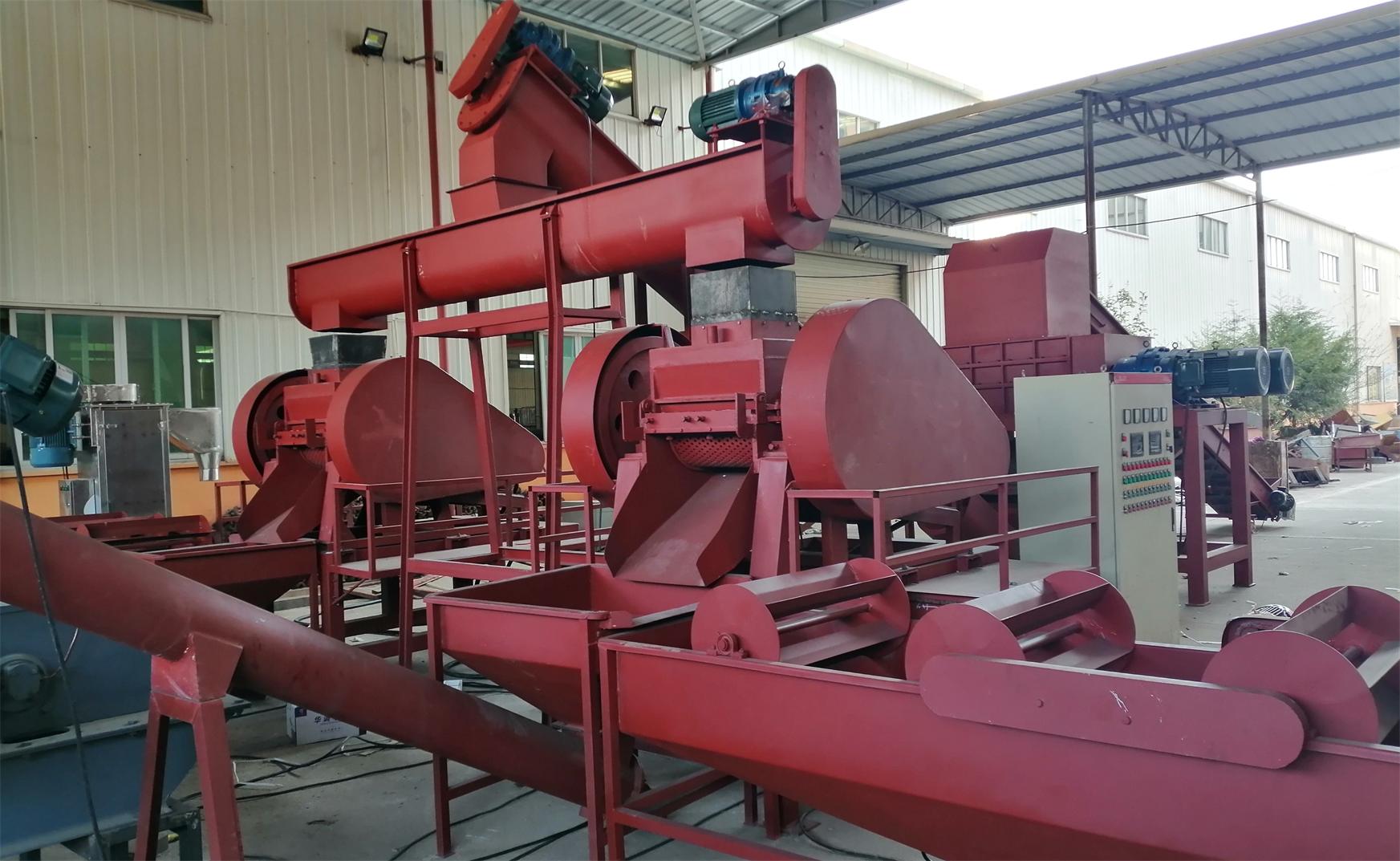
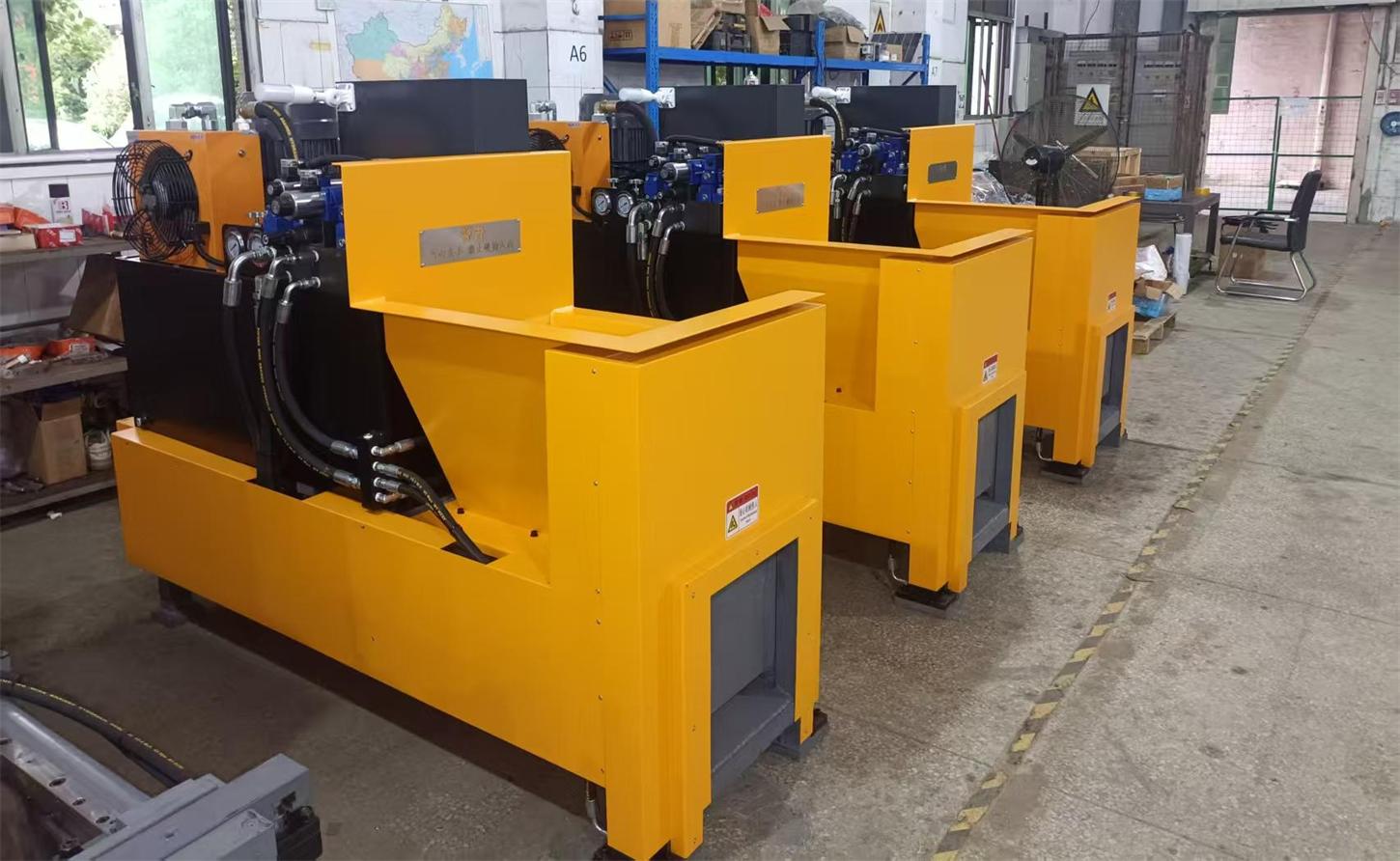
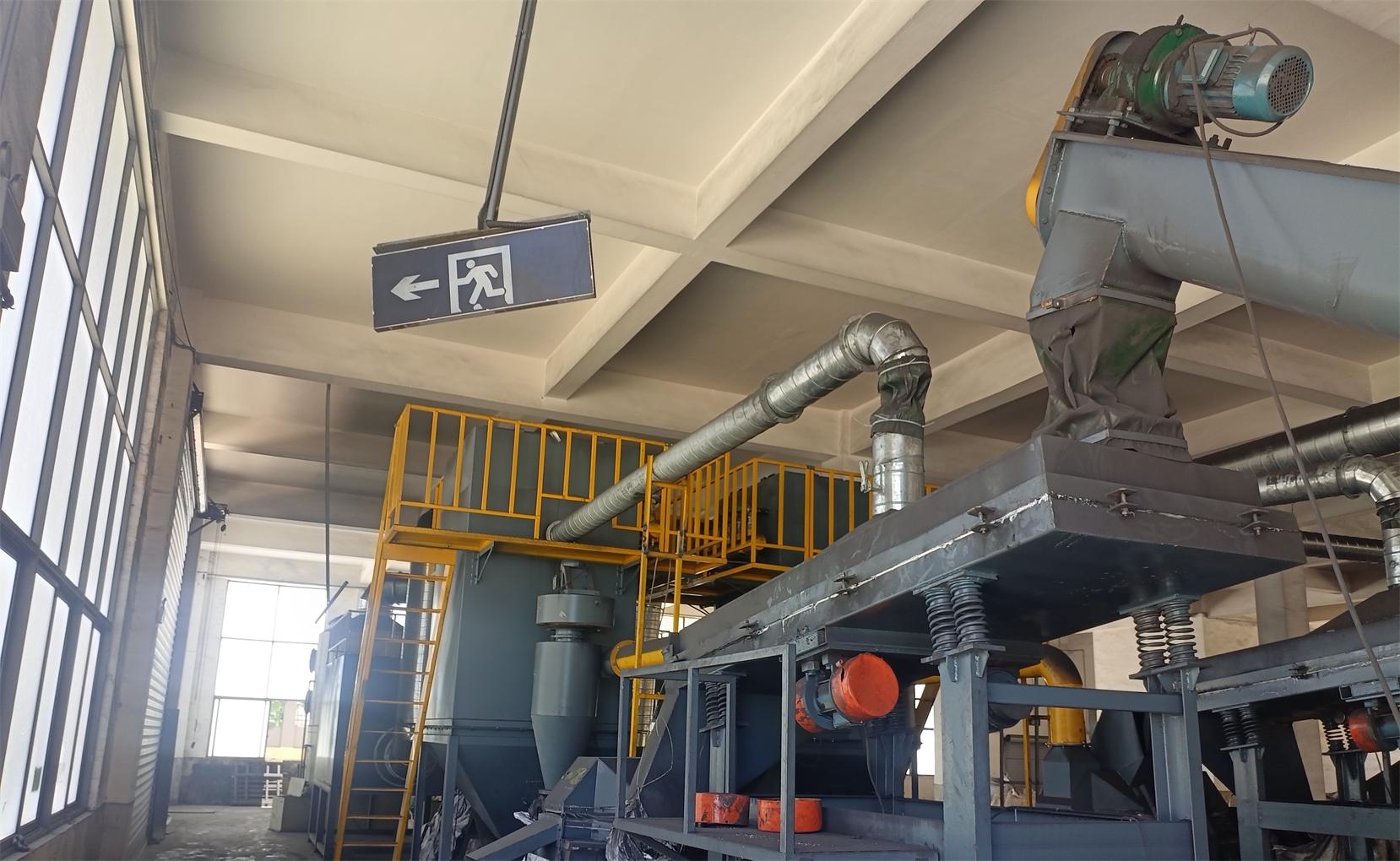
Drive down any Bolivian highway, and you'll likely pass small workshops, auto repair shops, or even rural communities where old lead-acid batteries lie stacked—some forgotten, others waiting for a second life. These batteries, once powering cars, trucks, and backup generators, hold a hidden value: lead, plastic, and acid that can be recycled, repurposed, and kept out of landfills. But turning this waste into a resource isn't magic. It takes reliable, efficient equipment designed to handle the unique challenges of lead-acid battery recycling—equipment built by suppliers who understand Bolivia's landscape, regulations, and the urgent need for sustainability.
In a country where environmental protection is increasingly prioritized, and the circular economy gains momentum, choosing the right equipment supplier isn't just a business decision—it's a commitment to protecting communities and the planet. From the Andes to the Amazon basin, these 10 suppliers have earned their reputation by delivering more than machines; they deliver solutions that make recycling feasible, safe, and profitable for Bolivian businesses. Whether you're a small-scale recycler in La Paz or a large industrial operation in Santa Cruz, this list highlights the partners who can help you turn battery waste into opportunity.
At a Glance: Bolivia's Leading Lead-Acid Battery Recycling Equipment Providers
| Supplier Name | Key Equipment Offerings | Years in Operation | Sustainability Focus |
|---|---|---|---|
| Andes Eco-Recycling Tech | Lead acid battery breaking and separating equipment, air pollution control systems | 18 | Zero-emission processing lines |
| Bolivia Battery Recovery Solutions (BBRS) | ULAB breaking and separating equipment, filter press equipment | 12 | Water recycling systems |
| Altiplano Machinery Works | Hydraulic cutters, compact granulators with dry separators | 25 | Energy-efficient machinery |
| Amazon Basin Recycling Technologies | Lead refinery machines, wet process equipment | 10 | Low-water consumption processes |
| Oruro Industrial Solutions | Air pollution control system equipment, auxiliary equipment | 15 | Compliance with Bolivian environmental standards |
| Cochabamba Recycling Innovations | Li-ion battery recycling equipment, plastic pneumatic conveying systems | 8 | Dual-focus on lead-acid and lithium battery recycling |
| Sucre Sustainable Engineering | Hydraulic briquetters, metal melting furnaces | 20 | Waste-to-energy integration |
| Tarija Green Machinery | Circuit board recycling equipment, dry process systems | 14 | Closed-loop material recovery |
| Potosí Environmental Technologies | Effluent treatment machines, water process equipment | 11 | Tailored solutions for high-altitude operations |
| La Paz Industrial Traders | Shredders (single-shaft, dual-shaft), hydraulic balers | 22 | Local parts sourcing and maintenance |
Spotlight on Bolivia's Top Lead-Acid Battery Recycling Equipment Suppliers
1. Andes Eco-Recycling Tech
Nestled in the heart of Cochabamba, Andes Eco-Recycling Tech has been a cornerstone of Bolivia's recycling equipment scene for 18 years. What sets them apart isn't just their longevity, but their obsession with lead acid battery breaking and separating equipment that's built for Bolivia's unique conditions. "We don't just import machines—we adapt them," says Carlos Mendez, the company's founder. "High altitude, variable power grids, even the humidity in the Amazon—our equipment works where others fail."
Their flagship product, the AE-3000 Breaking and Separating Line, is a favorite among mid-sized recyclers. Designed to handle 500-2000 kg of batteries per hour, it combines a precision cutter that splits casings without damaging internal components, a separator that sifts lead grids from plastic, and an integrated air pollution control system that captures fumes before they escape. "We tested 12 different filter designs before settling on one that works with Bolivia's thin mountain air," Carlos adds. "It's the little details that make the difference."
Beyond equipment, Andes Eco-Recycling Tech prides itself on after-sales support. "A machine is only as good as the team behind it," Carlos notes. Their Cochabamba-based service center stocks spare parts locally, and technicians are available for on-site repairs within 48 hours in most major cities. For recyclers in remote areas, they even offer training workshops on basic maintenance—ensuring that downtime is minimized, and profits stay high.
2. Bolivia Battery Recovery Solutions (BBRS)
When BBRS opened its doors in Santa Cruz 12 years ago, founder Maria Alvarez had a simple mission: "Make lead-acid battery recycling accessible to small and medium businesses." Today, that mission has translated into a product line focused on affordability without sacrificing quality—starting with their ULAB breaking and separating equipment , tailored for used lead-acid batteries (ULABs) that dominate Bolivia's recycling stream.
"Many of our clients start with just a few hundred batteries per month," Maria explains. "They can't afford a million-dollar setup, so we designed modular systems that grow with them." Their entry-level BBRS-500 can process 500 kg/hour, with add-ons like a filter press equipment to separate acid from lead paste, and a compact hydraulic briquetter to compress lead scraps into transportable blocks. "The filter press is a game-changer," says Juan, a recycler in Tarija who upgraded to BBRS equipment last year. "Before, we struggled with acid disposal. Now, we neutralize it on-site and reuse the water—saving money and keeping it out of the rivers."
BBRS also stands out for its commitment to water conservation. In a country where droughts are increasingly common, their equipment uses 30% less water than industry standards, with closed-loop systems that recycle up to 80% of process water. "Sustainability isn't a buzzword for us," Maria says. "It's survival. If our clients can't afford to keep the water running, they can't recycle—and that's bad for everyone."
3. Altiplano Machinery Works
For 25 years, Altiplano Machinery Works has been the go-to for Bolivian recyclers who demand ruggedness. Located in Oruro, a city steeped in mining history, the company brings a miner's work ethic to every machine—including their line of hydraulic cutters and compact granulators with dry separators, ideal for pre-processing lead-acid batteries.
"Mining taught us that equipment has to withstand abuse," says CEO Pedro Gonzales, whose father founded the company. "Battery recycling is no different—casings are tough, lead is heavy, and operators need tools that won't quit." Their AMW-750 Hydraulic Cutter, for example, uses a 15-ton hydraulic ram to slice through battery casings cleanly, reducing the risk of acid spills and metal contamination. Paired with their dry separator, which uses air flow to separate plastic fragments from lead particles, it's a system built for reliability.
What truly sets Altiplano apart, though, is their focus on energy efficiency. "In the Altiplano, electricity costs can be high," Pedro notes. "Our granulators use variable-speed motors that adjust power based on load, cutting energy use by up to 25%. Over time, that adds up to serious savings for our clients." It's a philosophy that has earned them partnerships with major mining companies and government recycling initiatives alike—proof that old-school durability and modern efficiency can go hand in hand.
4. Amazon Basin Recycling Technologies
Operating out of Trinidad, in Bolivia's tropical lowlands, Amazon Basin Recycling Technologies (ABRT) has carved a niche in lead refinery machines and wet process equipment—critical for recyclers looking to extract high-purity lead from battery waste. "The Amazon region has unique needs," says founder Lucia Fernandez. "High humidity, heavy rainfall, and strict regulations to protect the rainforest—our equipment is built to thrive here."
Their ABRT-1000 Refinery Furnace is a standout, using medium-frequency induction technology to melt lead paste at lower temperatures, reducing energy use and emissions. "Traditional furnaces lose heat to the environment," Lucia explains. "Ours is insulated with ceramic blankets and recovers waste heat to pre-heat raw materials. It's like baking a cake and using the oven's leftover warmth to preheat the next batch." Paired with their wet process system, which uses water to leach impurities from lead, ABRT's clients can produce lead ingots that meet 99.97% purity standards—sellable to battery manufacturers across Latin America.
For Lucia, sustainability isn't optional. "We're in the Amazon—if we don't protect it, who will?" ABRT's wet process equipment includes a water recycling loop that reduces consumption by 60%, and their furnaces are designed to capture 99% of lead fumes. "A client in Riberalta once told us, 'With your equipment, I don't worry about my workers getting sick or the river downstream.' That's the compliment that matters most."
5. Oruro Industrial Solutions
Oruro Industrial Solutions (OIS) has built its 15-year reputation on one thing: compliance. In a country where environmental regulations are tightening, their air pollution control system equipment and auxiliary tools help recyclers meet—and exceed—government standards, keeping operations running smoothly and communities safe.
"A few years ago, a recycler in La Paz was shut down because their emissions exceeded limits," recalls OIS director Ricardo Morales. "That's when we realized: equipment is useless if it doesn't keep you legal." Today, OIS offers a full suite of pollution control systems, from dust collectors that trap particulate matter to acid gas scrubbers that neutralize harmful fumes. Their OIS-500 Air Pollution Control System, for example, is calibrated to Bolivian EPA standards, using a three-stage filtration process that removes 99.5% of pollutants. "We work directly with the Ministry of Environment to stay ahead of new regulations," Ricardo says. "Our clients never have to worry about being caught off guard."
But OIS doesn't stop at air quality. Their auxiliary equipment, like acid-neutralizing tanks and spill containment kits, ensures that every step of the recycling process is covered. "Recycling lead-acid batteries is a chain—if one link breaks, the whole operation is at risk," Ricardo notes. "We provide the links that keep that chain strong." For large-scale operations in Santa Cruz and Cochabamba, OIS even offers custom system design, tailoring pollution control to specific workflows. "It's not just about selling machines," he adds. "It's about selling peace of mind."
6. Cochabamba Recycling Innovations
While most suppliers focus solely on lead-acid batteries, Cochabamba Recycling Innovations (CRI) is betting on the future: a dual focus on lead-acid and lithium-ion battery recycling. "The world is moving to lithium, but lead-acid isn't going away anytime soon—especially in Bolivia," says founder Sofia Paredes, who started CRI 8 years ago after noticing a gap in the market. "Our clients need equipment that can handle both, so we build systems that adapt."
For lead-acid recycling, CRI's star product is their CRI-1500 Hybrid Line, which combines a lead acid battery breaking and separating equipment with a plastic pneumatic conveying system that moves shredded plastic casings to a separate processing area—keeping workspaces clean and reducing manual labor. "Plastic handling used to be a bottleneck for our clients," Sofia explains. "Now, the conveyor does the heavy lifting, so workers can focus on quality control."
But it's their lithium-ion battery recycling equipment that's turning heads. With Bolivia's growing EV sector and increasing demand for portable electronics, CRI's Li-ion breaking and separating line can process 500-2500 kg/hour, extracting cobalt, nickel, and lithium for reuse. "We're not abandoning lead-acid—we're preparing our clients for a future where both battery types coexist," Sofia says. "It's about resilience, and that's what CRI delivers."
7. Sucre Sustainable Engineering
For 20 years, Sucre Sustainable Engineering has been a pioneer in "waste-to-energy" integration, and their hydraulic briquetters and metal melting furnaces are a testament to that legacy. Located in the historic city of Sucre, the company has long believed that recycling shouldn't just reduce waste—it should create value, and their equipment is designed to do just that.
"Lead-acid batteries contain more than lead and plastic—they contain energy," says chief engineer David Torres. "Our melting furnaces capture heat that would otherwise be lost and use it to power on-site generators, reducing reliance on the grid." Their SSE-2000 Medium Frequency Furnace, for example, can melt 2000 kg of lead per hour while generating enough electricity to run auxiliary equipment. "A client in Potosí reported saving 30% on their energy bill in the first year," David notes. "That's profit that stays in their pocket."
Their hydraulic briquetters are equally innovative. Designed to compress lead scraps into dense, uniform blocks, they reduce transportation costs by up to 40%—critical for recyclers in remote areas. "Shipping loose lead is expensive and risky," David explains. "Our briquettes are stackable, leak-proof, and easy to load. It's the kind of practical solution that makes recycling profitable for everyone."
8. Tarija Green Machinery
Tarija Green Machinery (TGM) may be based in the southern city of Tarija, but their reach extends nationwide—thanks to a focus on dry process equipment that's perfect for Bolivia's arid regions. "Water is a precious resource here," says founder Elena Vasquez. "We designed our systems to use as little as possible, without compromising efficiency."
Their TGM-DryLine is a case in point. A fully dry lead-acid battery recycling system, it uses mechanical separation and air classification to separate lead, plastic, and acid residue—no water required. "Traditional wet processes can use 1000 liters of water per ton of batteries," Elena explains. "Ours uses less than 50 liters, and that's for cleaning equipment, not processing." For recyclers in Oruro or Potosí, where water scarcity is a reality, this is a game-changer.
TGM also offers circuit board recycling equipment, a niche but growing market as e-waste piles up. "Many recyclers want to diversify," Elena notes. "Our compact granulators with dry separators can process circuit boards alongside batteries, turning two waste streams into two revenue streams." It's this versatility that has made TGM a favorite among forward-thinking businesses—proving that sustainability and profitability can flow from the same well.
9. Potosí Environmental Technologies
High in the Andes, where altitude and cold temperatures test equipment to its limits, Potosí Environmental Technologies (PET) has built a reputation for solutions that thrive in harsh conditions. Specializing in effluent treatment machines and water process equipment , they help recyclers manage the toxic byproducts of lead-acid battery recycling—even when the mercury dips below freezing.
"At 4,000 meters above sea level, water freezes faster, pumps work harder, and chemicals react differently," says PET's lead engineer, Miguel Chavez. "We spent years testing our equipment in these conditions to ensure it doesn't just function—it performs." Their PET-300 Effluent Treatment System, for example, uses heated pipes to prevent freezing and a specialized coagulant that works in cold water, treating acid-contaminated water to meet Bolivia's strict discharge standards.
For recyclers in the Altiplano, PET's local support is equally valuable. "We have a service team in Potosí and La Paz, so help is never far," Miguel adds. "A client in El Alto once called us at 2 a.m. with a frozen pump—we had a technician there by dawn. That's the commitment we make." It's this combination of rugged equipment and responsive service that has made PET the go-to for high-altitude recycling operations.
10. La Paz Industrial Traders
Rounding out our list is La Paz Industrial Traders (LPIT), a 22-year-old wholesaler and trader that prides itself on "connecting Bolivian recyclers with the best global technology." With partnerships with manufacturers in China, Europe, and Brazil, LPIT offers a wide range of equipment—from single-shaft shredders to hydraulic balers—curated for the local market.
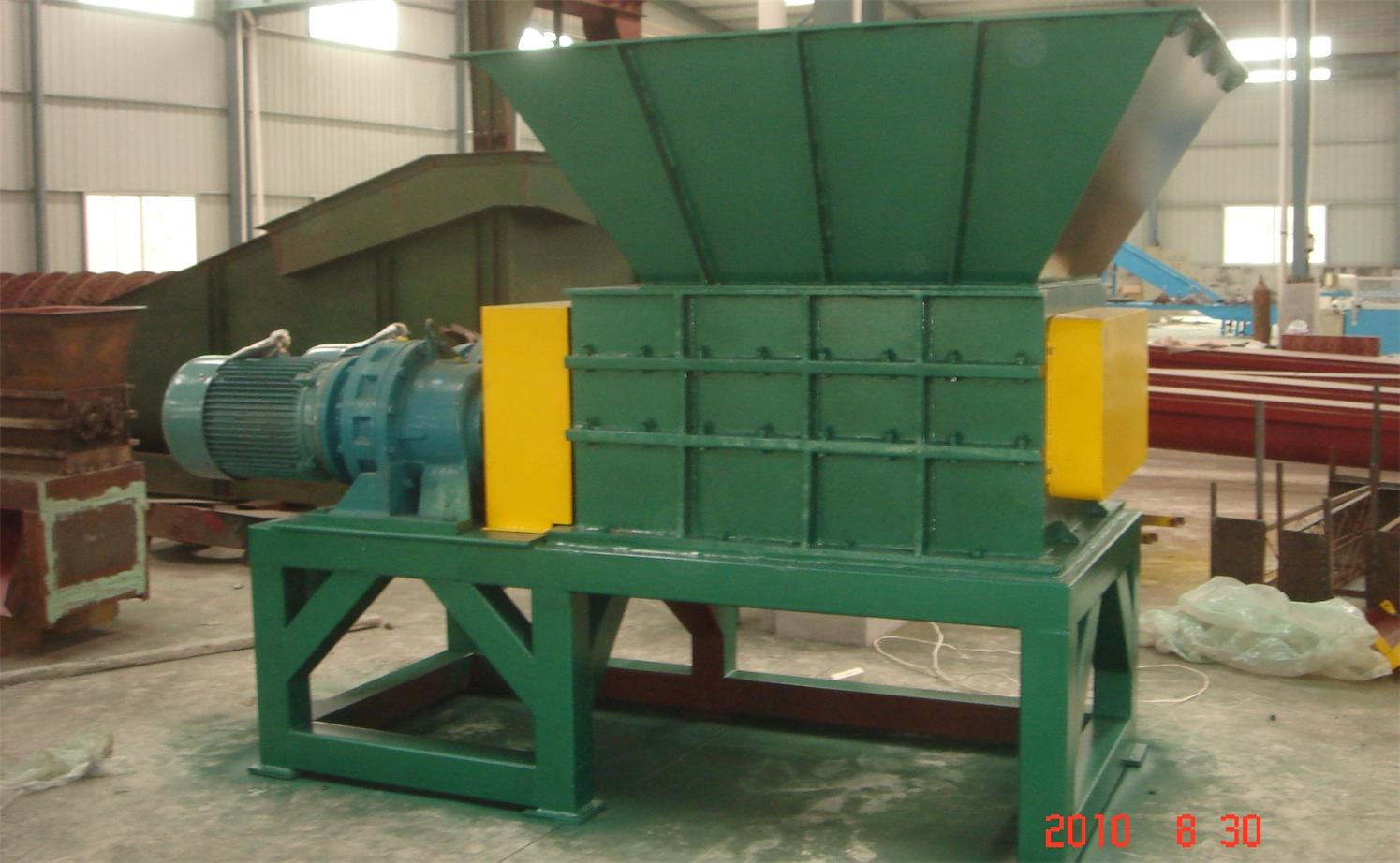
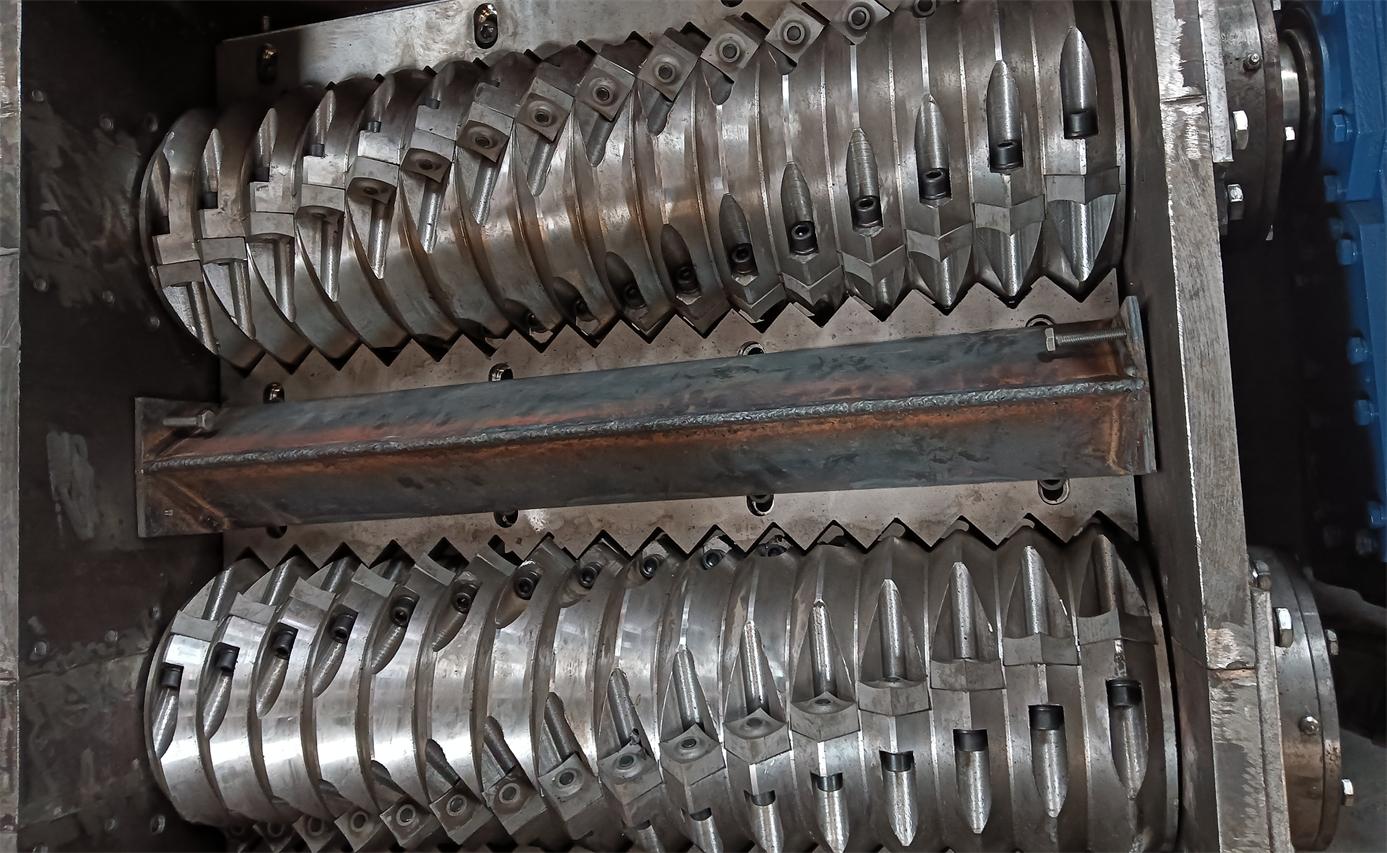
"We don't just import machines—we vet them," says owner Ana Rodriguez. "A shredder that works in Germany might not work in La Paz, so we test every model for durability, energy efficiency, and ease of repair." Their bestseller, the LPIT-2S Dual-Shaft Shredder, is a workhorse designed to handle tough battery casings and plastic, with replaceable blades that can be sharpened locally—a cost-saving feature for budget-conscious recyclers.
LPIT also stands out for its focus on affordability. By leveraging bulk purchasing power and direct relationships with manufacturers, they offer prices 10-15% lower than many competitors. "Not everyone needs the latest, most advanced machine," Ana notes. "Sometimes, a reliable, cost-effective shredder is all it takes to get started. We're here to make that possible."
Why These Suppliers Matter for Bolivia's Future
Lead-acid battery recycling in Bolivia isn't just about business—it's about protecting the country's natural beauty, supporting local economies, and ensuring that future generations inherit a cleaner, healthier planet. The suppliers on this list understand that. They don't just sell equipment; they sell partnerships built on trust, innovation, and a shared commitment to sustainability.
Whether you're just starting out or looking to expand, choosing the right partner means looking beyond price tags. It means asking: Does this supplier understand Bolivia's unique challenges? Do their machines prioritize safety and efficiency? Will they stand by you when things go wrong? The 10 companies above have answered "yes" to these questions—and in doing so, they're helping Bolivia lead the way in responsible recycling.
So the next time you see a stack of old batteries, remember—they're not just waste. They're a resource, waiting for the right equipment to unlock their potential. And in Bolivia, that equipment is built by the suppliers who care as much about the future as they do about the bottom line.