Lead-acid batteries power our daily lives—from starting our cars and trucks to keeping backup generators running during outages. But when these batteries reach the end of their life, they pose a significant environmental risk if not handled properly. Lead, a toxic heavy metal, can leach into soil and water, harming ecosystems and human health. That's where recycling comes in: not only does it prevent pollution, but it also recovers valuable materials like lead, plastic, and acid, turning waste into a resource. For businesses and facilities looking to set up or expand lead-acid battery recycling operations, choosing the right equipment supplier is critical. The right partner doesn't just sell machines—they provide reliable, efficient systems that ensure safety, compliance, and profitability. In this article, we'll explore the key equipment that makes lead-acid battery recycling possible, what to look for in a supplier, and why partnering with experienced manufacturers matters.
The Backbone of Lead-Acid Battery Recycling: Essential Equipment
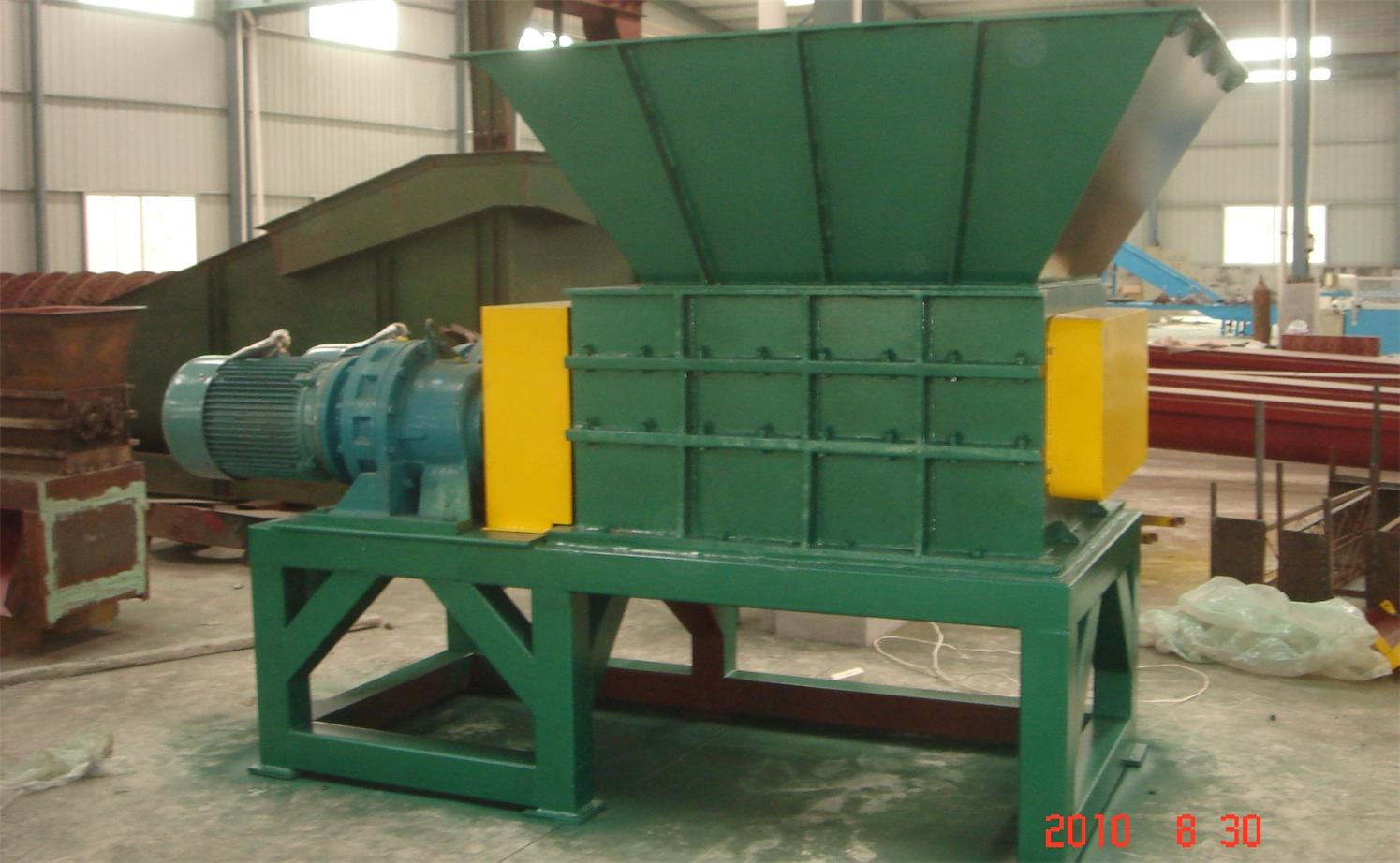
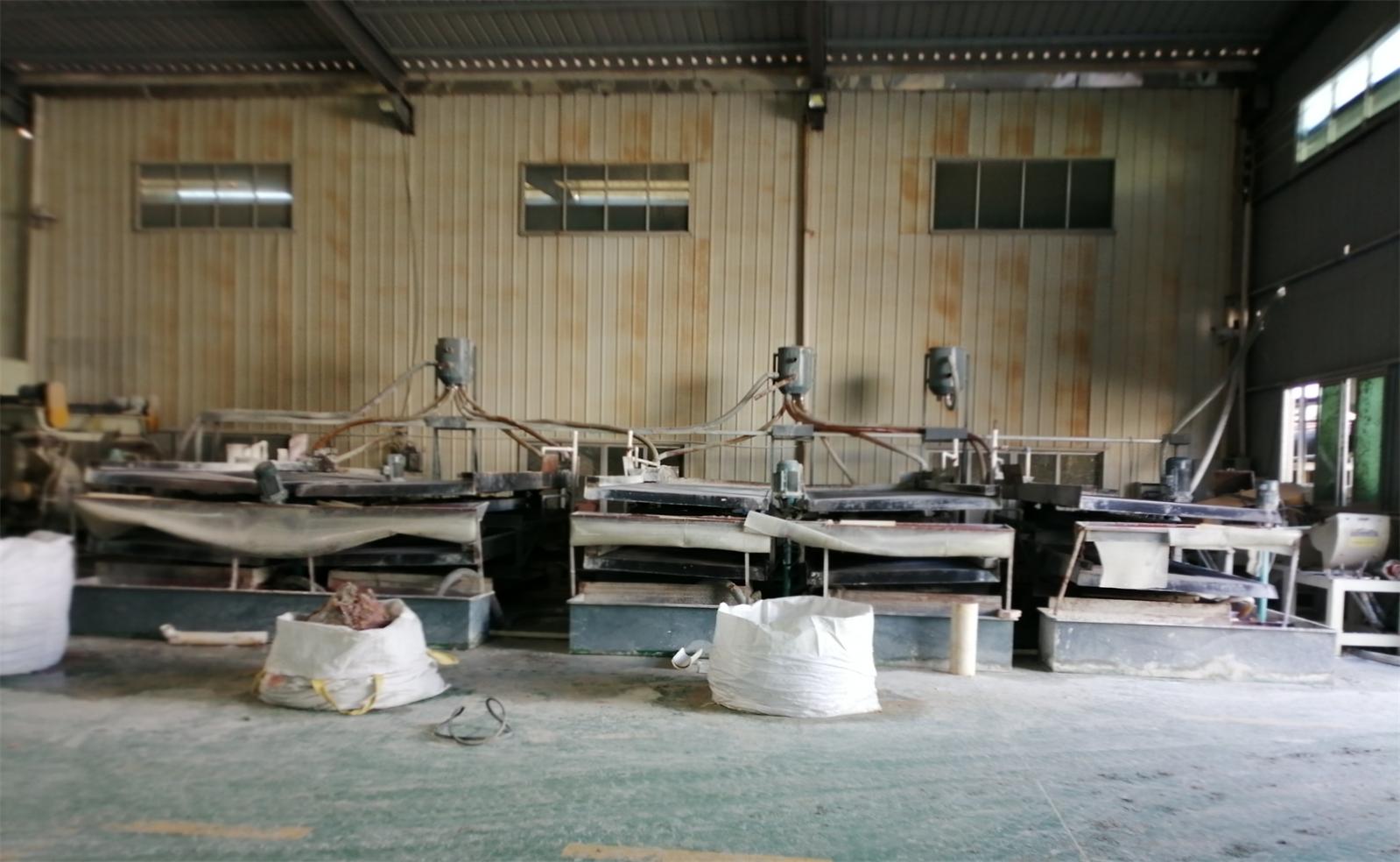
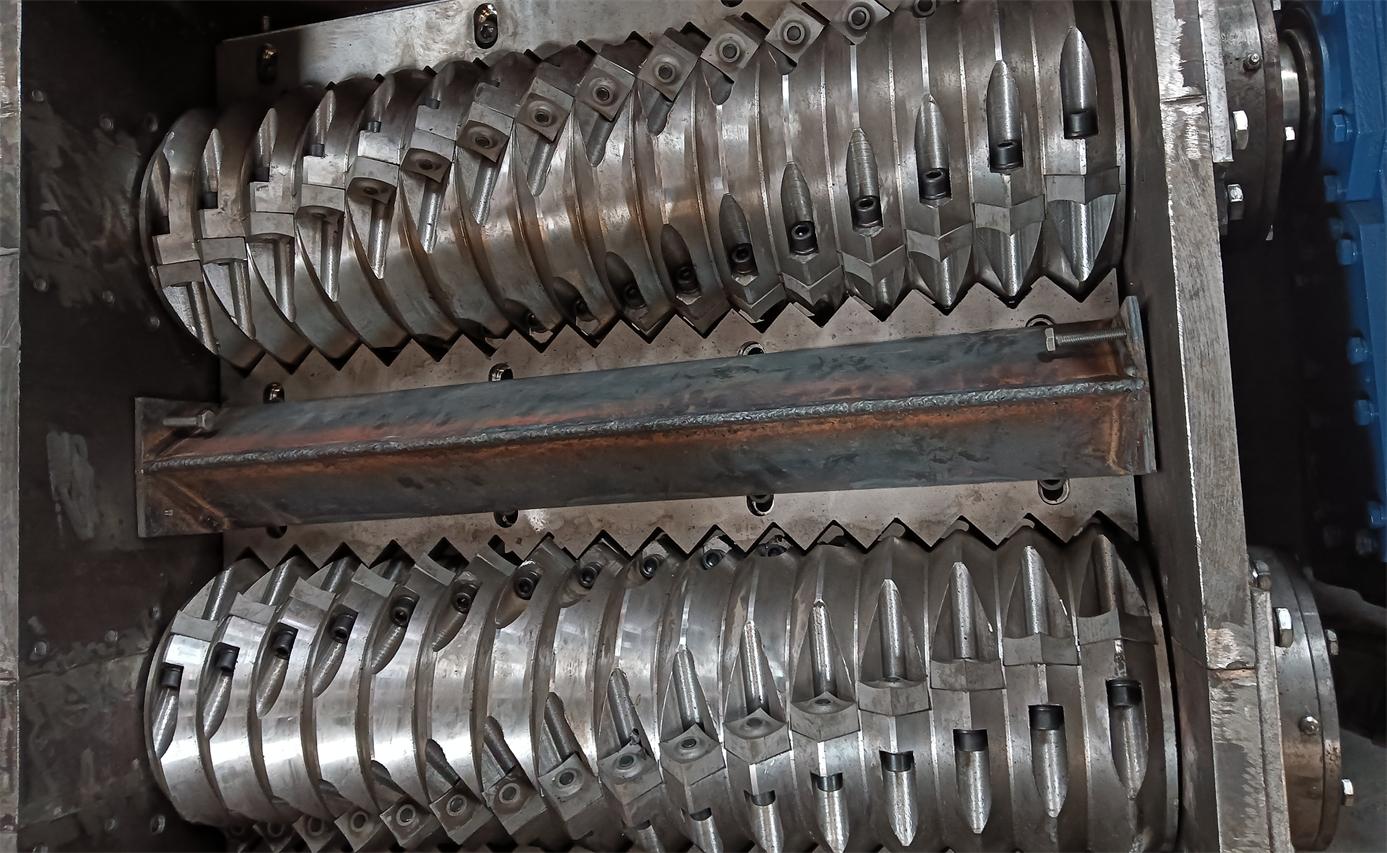
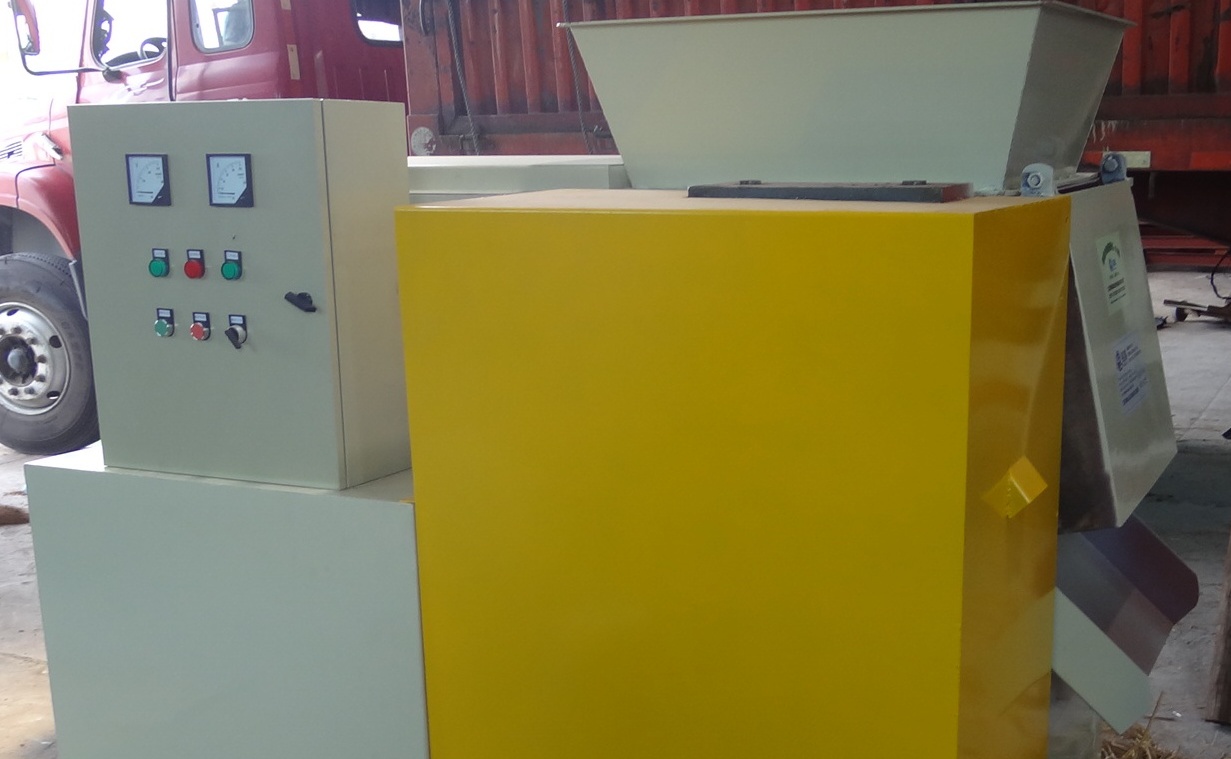
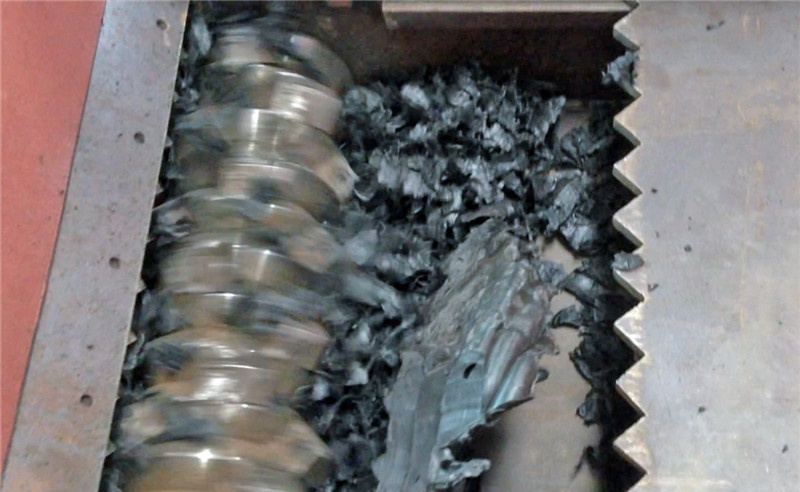
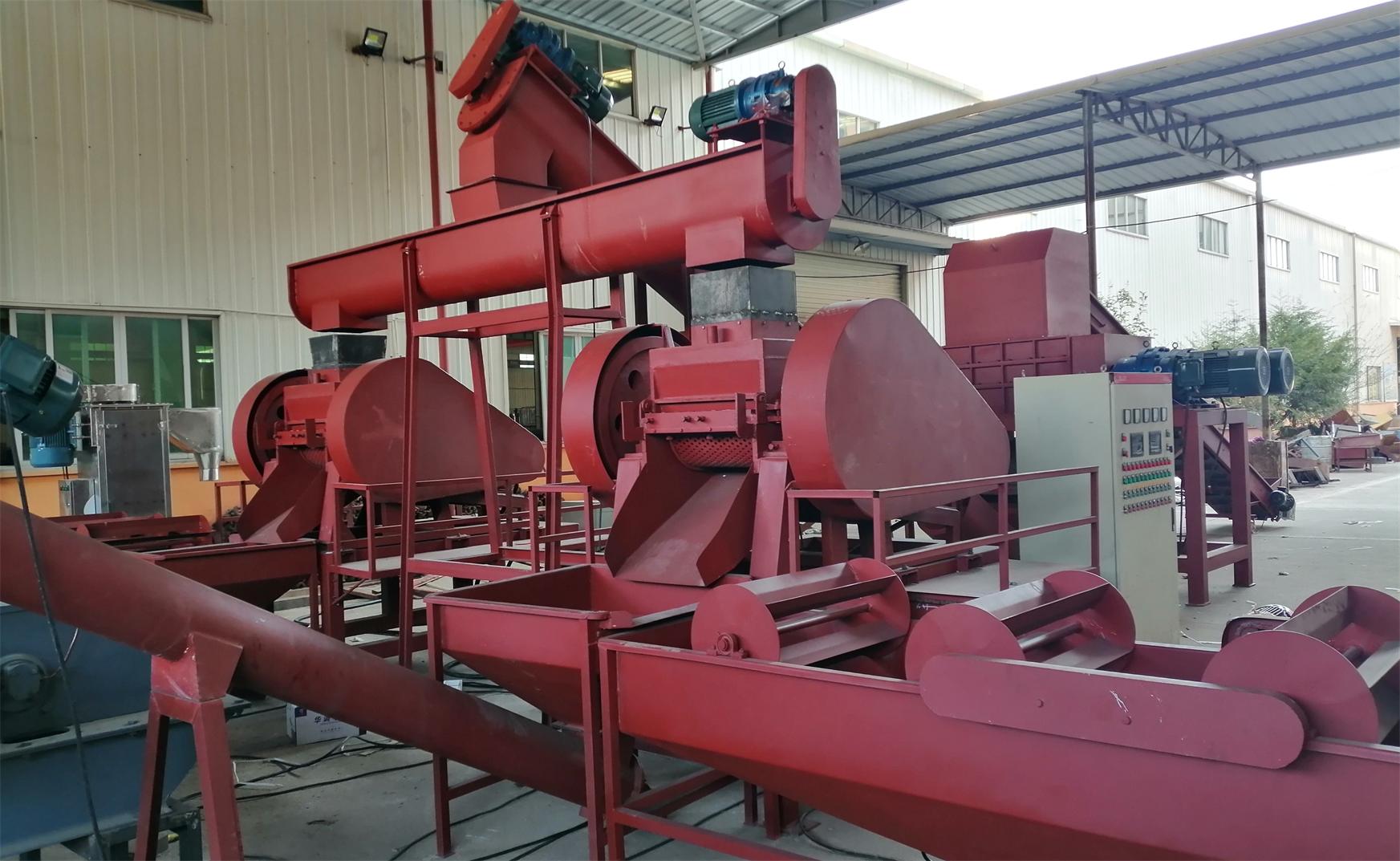
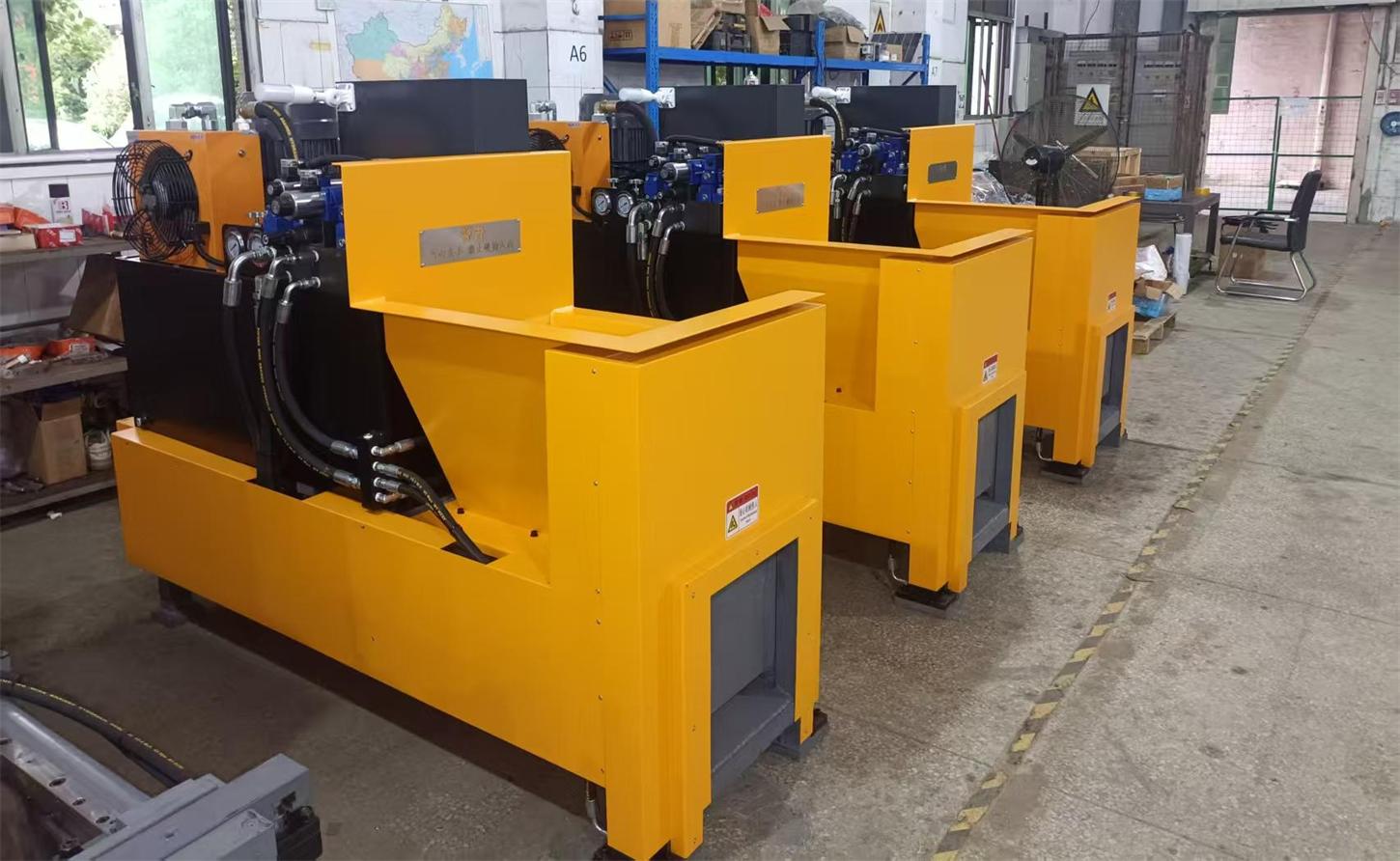
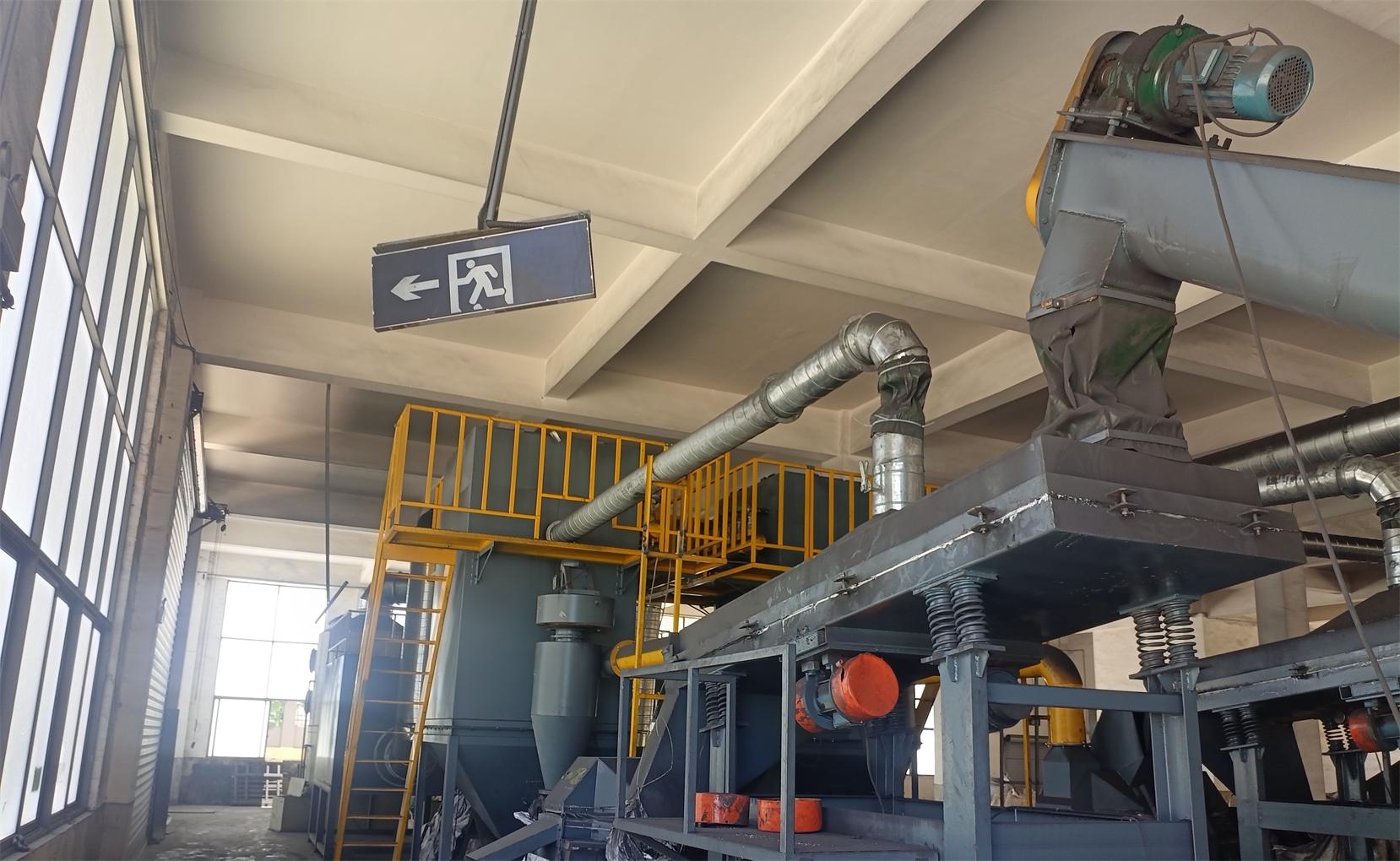
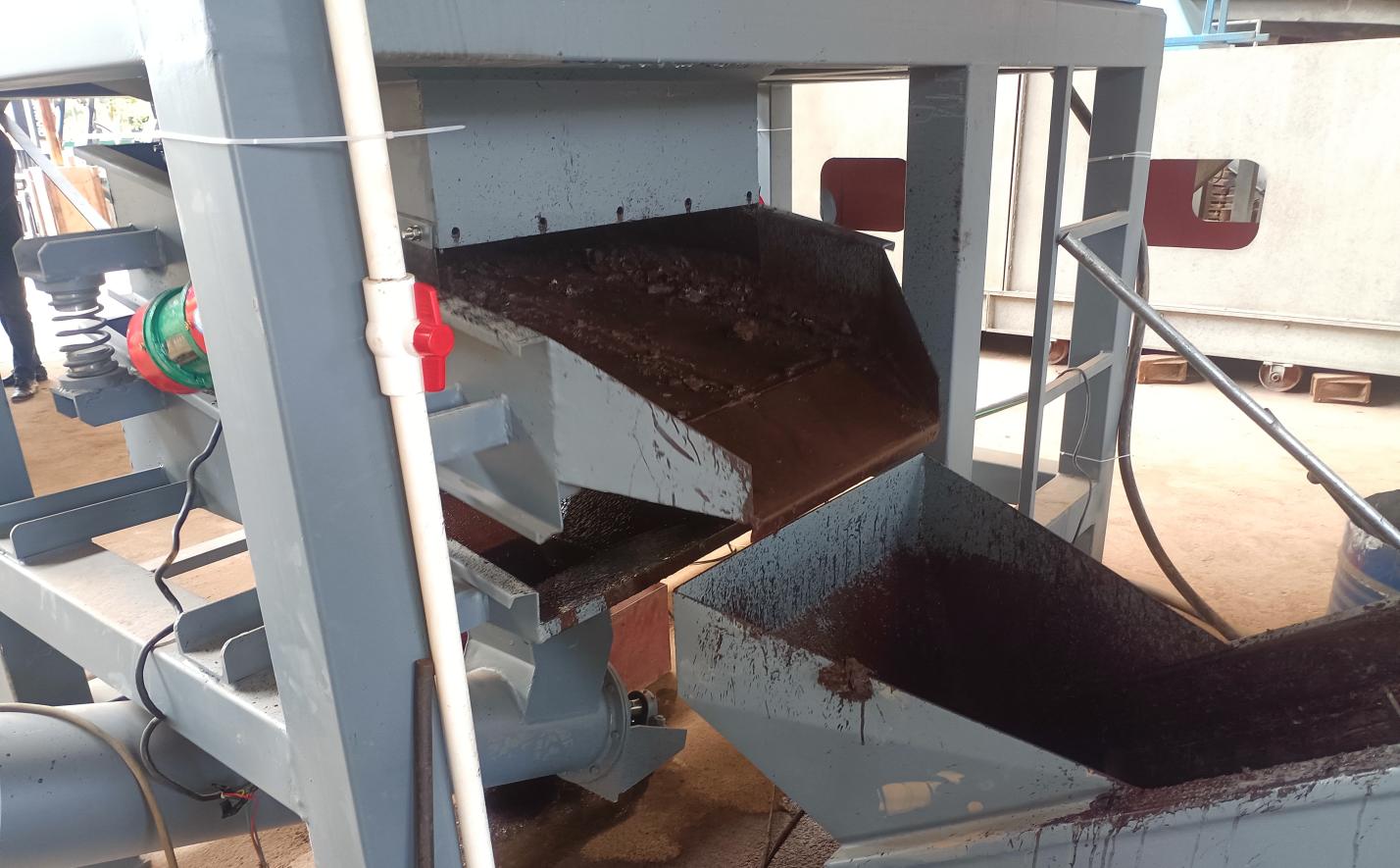
Lead-acid battery recycling is a multi-step process that requires specialized equipment to break down batteries, separate materials, and manage byproducts safely. Let's take a closer look at the core machines that drive this process:
What to Look for in a Lead-Acid Battery Recycling Equipment Supplier
Not all suppliers are created equal. When choosing a partner for your recycling operation, consider these key factors to ensure you're investing in a system that meets your needs now and in the future:
| Factor | Why It Matters | Questions to Ask |
|---|---|---|
| Industry Experience | Suppliers with a proven track record understand the unique challenges of lead-acid recycling. They've seen what works (and what doesn't) in real-world settings. | How long have you been manufacturing lead-acid recycling equipment? Can you share case studies or references from similar-sized operations? |
| Compliance and Safety | Regulations for lead and air pollution are strict. Suppliers should design equipment that meets EU standards (like REACH or CE marking) and local Bosnian environmental laws. | Do your systems comply with EU environmental and safety standards? Can you provide certification documents? |
| After-Sales Support | Recycling equipment needs regular maintenance to stay efficient. Look for suppliers that offer installation help, operator training, and quick access to spare parts. A supplier that's there when you need them minimizes downtime and keeps your line running smoothly. | What kind of after-sales support do you offer? How quickly can you provide spare parts? Do you train operators on-site? |
| Customization | Not all recycling operations are the same. A supplier that can tailor equipment to your capacity (e.g., 500 kg/hour vs. 2,000 kg/hour) or space constraints will help you maximize efficiency and avoid over-investing in unnecessary features. | Can you adjust the system to fit our facility's layout or throughput needs? What if we need to scale up in the future? |
Why Local Expertise in Bosnia and Herzegovina Matters
While international suppliers may offer lower prices, working with local or regional manufacturers and traders in Bosnia and Herzegovina has distinct advantages. Local suppliers understand the country's specific regulations, from waste management laws to labor safety standards, ensuring your equipment meets all compliance requirements without costly delays. They're also closer geographically, meaning faster delivery, easier on-site support, and lower shipping costs for spare parts. Many local traders partner with global manufacturers to offer high-quality equipment while providing the personalized service of a regional business—bridging the gap between international technology and local needs.
Beyond Lead-Acid: Expanding Your Recycling Capabilities
As the demand for recycling grows, many suppliers also offer equipment for other waste streams, such as lithium-ion batteries, circuit boards, or scrap cables. For example, circuit board recycling equipment can complement your lead-acid line, allowing you to process electronic waste and diversify your revenue streams. When choosing a supplier, ask about their range of products—partnering with a supplier that offers multiple recycling solutions can simplify future expansions and reduce the need to coordinate with multiple vendors.
Lead-acid battery recycling is more than a business opportunity—it's a responsibility to protect the environment and communities. The right equipment supplier is your partner in this mission, providing the tools to recycle safely, efficiently, and profitably. By prioritizing quality, compliance, and local expertise, you can build a recycling operation that stands the test of time. Whether you're just starting out or upgrading an existing line, take the time to research suppliers, ask about their experience, and ensure their equipment meets your specific needs. After all, the success of your recycling efforts depends on the reliability of the machines behind it.