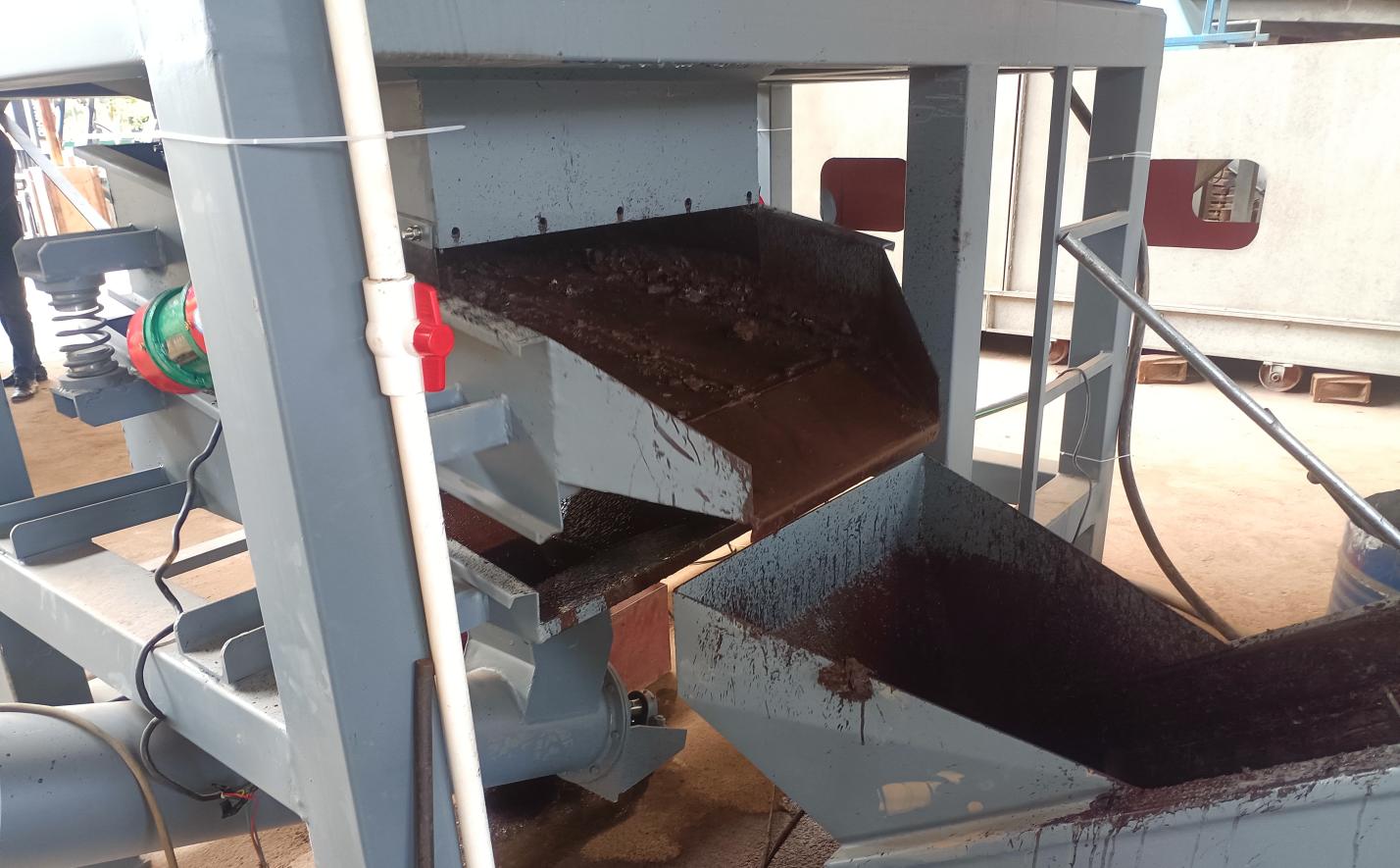
In the heart of Southern Africa, Eswatini is quietly building a reputation for sustainable waste management—one recycled battery at a time. As the country's vehicle fleet grows and industries expand, the need to responsibly handle lead-acid batteries (common in cars, trucks, and backup power systems) has never been more critical. These batteries, if mishandled, can leak toxic lead and sulfuric acid, threatening soil, water, and human health. But with the right partners, Eswatini is turning this challenge into an opportunity: creating jobs, reducing reliance on raw materials, and protecting its stunning landscapes.
Behind this progress are dedicated suppliers, manufacturers, and traders specializing in lead-acid battery recycling equipment. These aren't just vendors—they're collaborators, working hand-in-hand with local recyclers, businesses, and communities to build a circular economy. From crushing and separating battery components to ensuring air and water stay clean during processing, these companies bring expertise that makes responsible recycling possible, even for small-to-medium operations.
Below, meet the top 10 players driving Eswatini's lead-acid battery recycling revolution. Each brings unique strengths, but all share a commitment to quality, sustainability, and partnership.
| Supplier Name | Core Expertise | Flagship Equipment | Sustainability Focus |
|---|---|---|---|
| EcoCycle Solutions Eswatini | End-to-end lead-acid battery recycling systems | Lead acid battery breaking and separation system, Air pollution control system equipment | Zero-waste processing, local job training |
| GreenTech Recyclers | Small-scale, mobile recycling solutions | Portable briquetter machine (PHBM-004), Hydraulic cutter equipment | Off-grid operation, rural outreach |
| PowerCycle Industries | Industrial-grade battery processing | ULAB breaking and separating equipment, Filter press equipment | Energy-efficient machinery, water recycling |
| CleanEarth Systems | Pollution control for recycling plants | Air pollution control machines equipment, Effluent treatment machine equipment | Emission reduction, compliance with Eswatini environmental laws |
| MetalsRecycle Pro | Lead extraction and purification | Furnace for paste reduction melting equipment, Lead refinery machine equipment | High-purity lead recovery, minimal energy use |
| SmartCycle Technologies | Automated recycling lines | Hydraulic press machines equipment, Plastic pneumatic conveying system equipment | AI-driven efficiency, plastic recycling integration |
| RuralRecycle Innovations | Community-focused recycling tools | Hydraulic baler equipment, Scrap cable stripper equipment (for battery casings) | Village-level collection programs, women-led cooperatives |
| TotalRecycle Solutions | Multi-material recycling (lead-acid + cables, plastics) | Cable recycling equipment, Dry process equipment | Cross-waste stream efficiency, waste-to-energy partnerships |
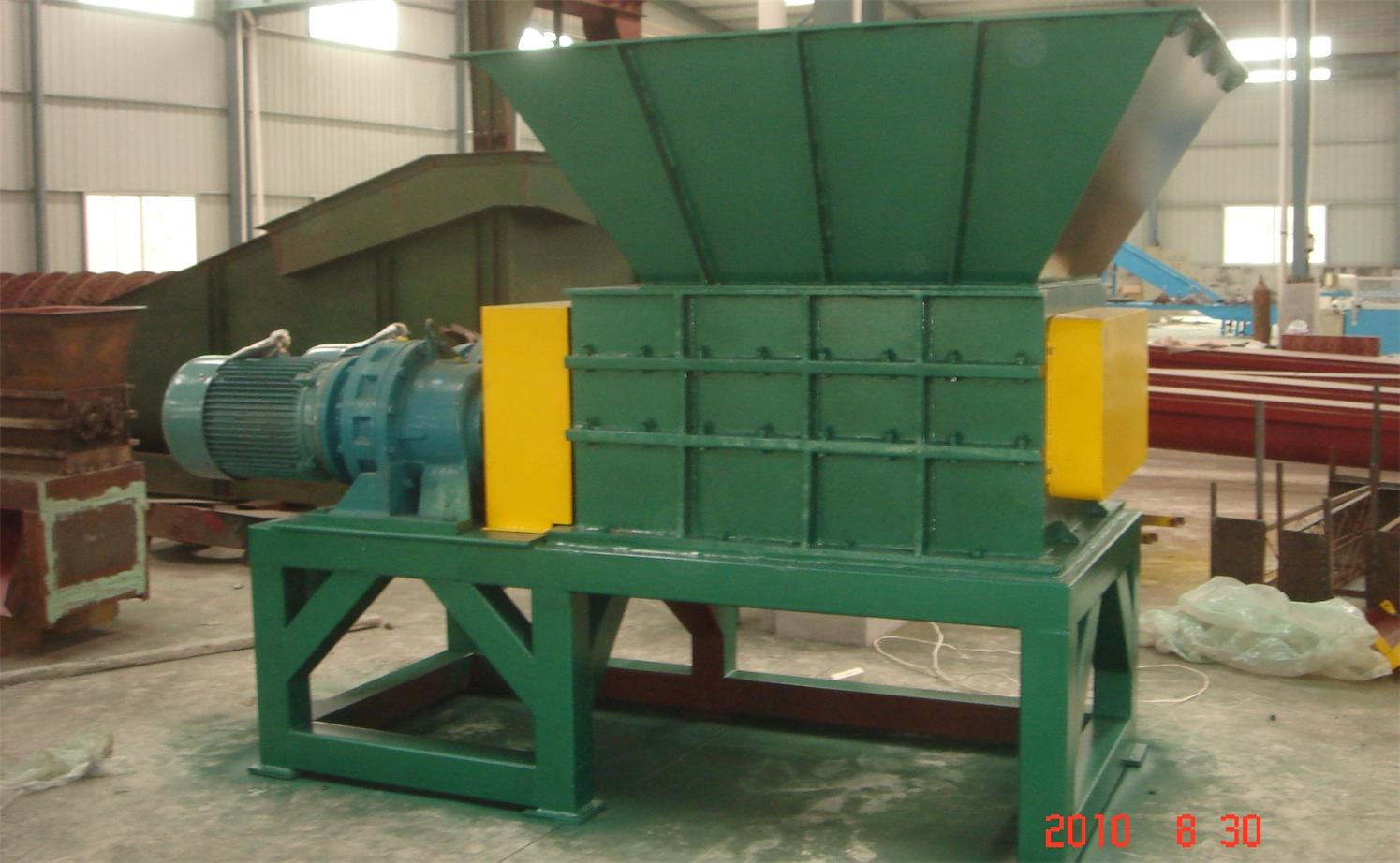
| ProCycle Engineering | Custom recycling system design | 2 shaft shredder equipment, Hydraulic briquetter equipment | Tailored solutions for small/medium businesses, after-sales support |
| FutureCycle Eswatini | Next-gen recycling tech (hybrid systems) | Compact granulator with dry separator equipment, Wet process equipment | Water-saving dry processes, lithium battery recycling R&D |
1. EcoCycle Solutions Eswatini
When local recycler Thabo Mkhonta first started his small battery recycling business in Manzini, he struggled with outdated equipment that left lead residue in plastic casings, risking contamination. Today, thanks to EcoCycle Solutions, his operation runs like clockwork. "Their lead acid battery breaking and separation system changed everything," Thabo says. "It cleanly splits the battery into lead plates, plastic, and acid—no mess, no waste."
EcoCycle, a homegrown Eswatini company, specializes in turnkey recycling systems designed for local conditions. Their flagship lead acid battery breaking and separation system is built to handle the dusty, high-temperature environments of Eswatini's lowveld, with durable parts that don't require constant imports. What really sets them apart, though, is their commitment to zero-waste processing. "We don't just sell machines—we help businesses close the loop," explains EcoCycle's founder, Nomsa Dlamini. "Our air pollution control system equipment ensures no toxic fumes escape, and we train staff to reuse every plastic casing and recycle every drop of acid."
From small workshops to large-scale plants, EcoCycle tailors solutions to fit budgets and space. For rural operations, they even offer mobile consultation to help set up safe, efficient workflows. "Recycling isn't just about machines," Nomsa adds. "It's about building trust. Local recyclers need to know we're here to support them, not just sell them equipment."
2. GreenTech Recyclers
In the remote villages of Shiselweni, where access to electricity and large machinery is limited, GreenTech Recyclers is proving that recycling doesn't need to be industrial to be effective. Their claim to fame? The portable briquetter machine (PHBM-004) —a compact, diesel-powered tool that turns loose lead scraps into dense briquettes, making transport to urban refineries cheaper and safer. "Before, we'd carry sacks of loose lead on bikes—heavy, and if it rained, the acid residue would leak," says rural recycler Mpho Nkosi. "Now, we briquette on-site, and the briquettes are clean, dry, and easy to stack."
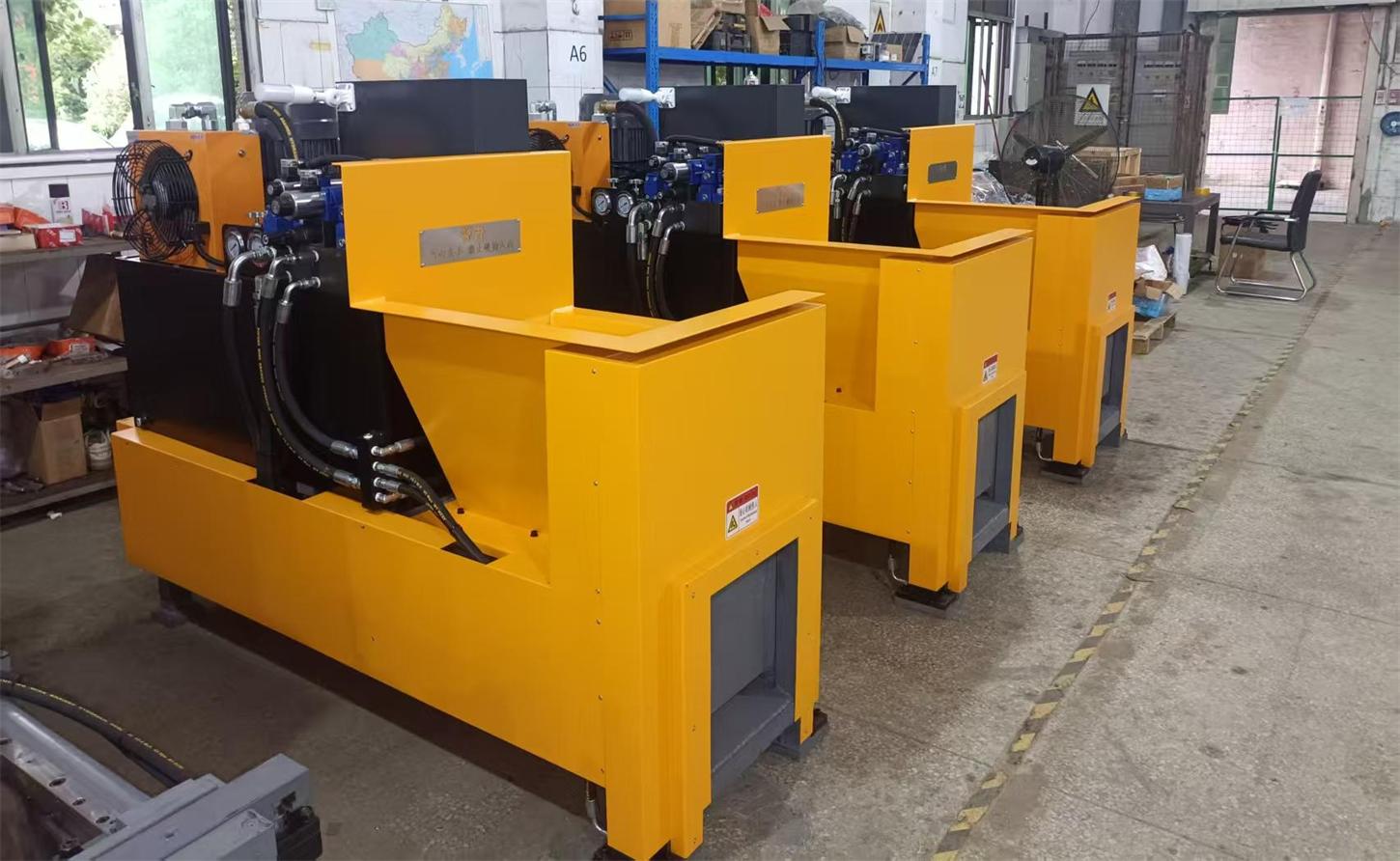
GreenTech's focus on "small is powerful" extends to their hydraulic cutter equipment , a hand-operated tool that safely slices open battery casings without sparks or fumes—critical in areas with dry grasslands prone to fires. "We designed these tools with input from rural recyclers," says GreenTech's operations manager, Sipho Ngwenya. "They told us what they needed: durable, easy to repair, and affordable. So we skipped the fancy electronics and focused on ruggedness."
Beyond equipment, GreenTech runs training workshops in community halls, teaching villagers how to safely handle batteries, use their tools, and negotiate fair prices with buyers. "A lot of rural recyclers are women who collect batteries as a side income," Sipho notes. "We make sure our training is in siSwati, hands-on, and respectful of their expertise. They know the land—we just give them the tools to protect it."
3. PowerCycle Industries
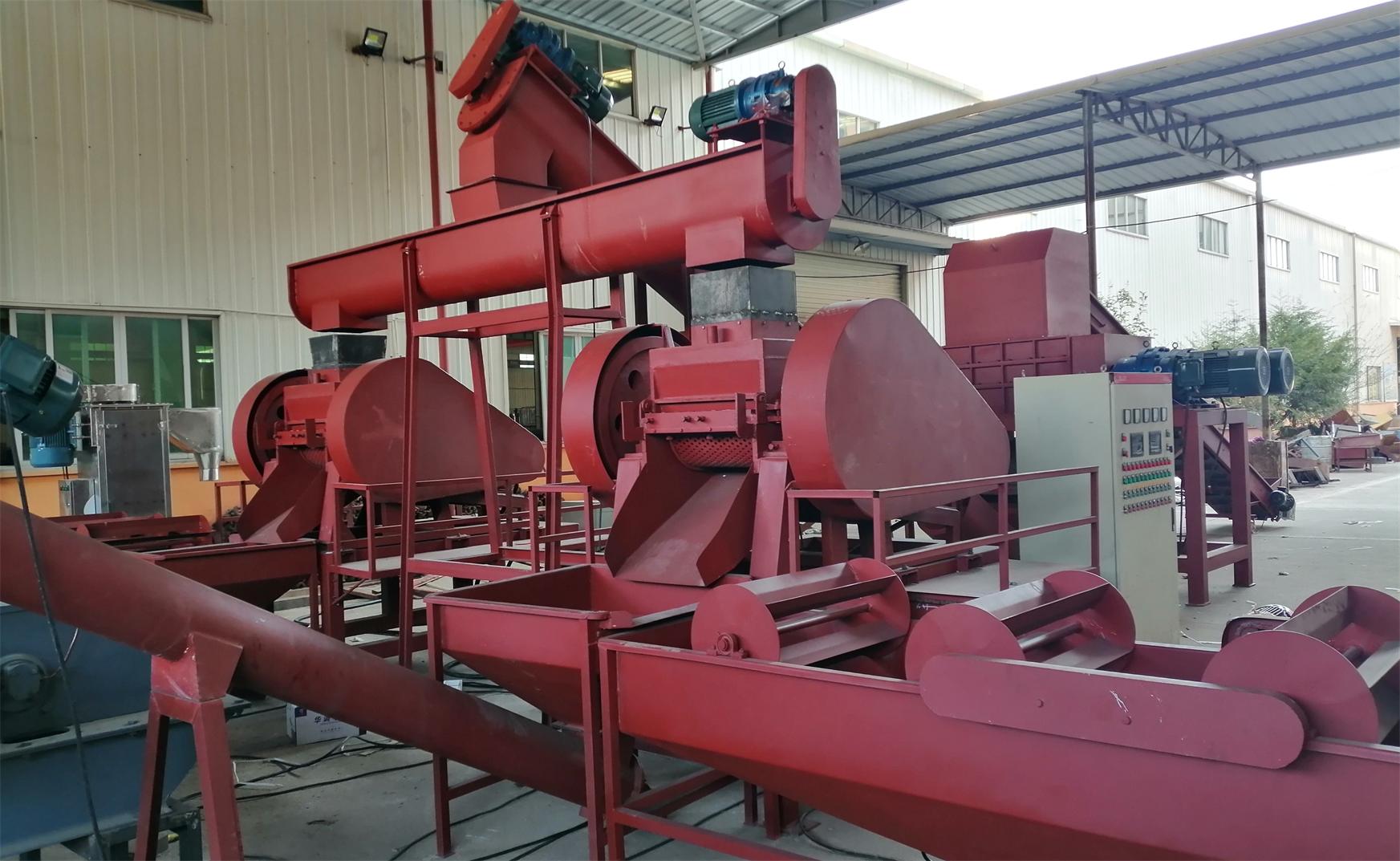
For industrial-scale recyclers in Mbabane and Matsapha, PowerCycle Industries is the go-to for heavy-duty equipment that can process hundreds of batteries daily. Their ULAB breaking and separating equipment (ULAB stands for "used lead-acid battery") is a workhorse: a conveyor-fed system that crushes batteries, separates lead plates from plastic, and neutralizes acid in one continuous flow. "We process 500 batteries a day now, up from 50 with our old setup," says Themba Sibandze, operations director at Matsapha Recycling Plant. "PowerCycle's machine cut our labor costs in half and doubled our output."
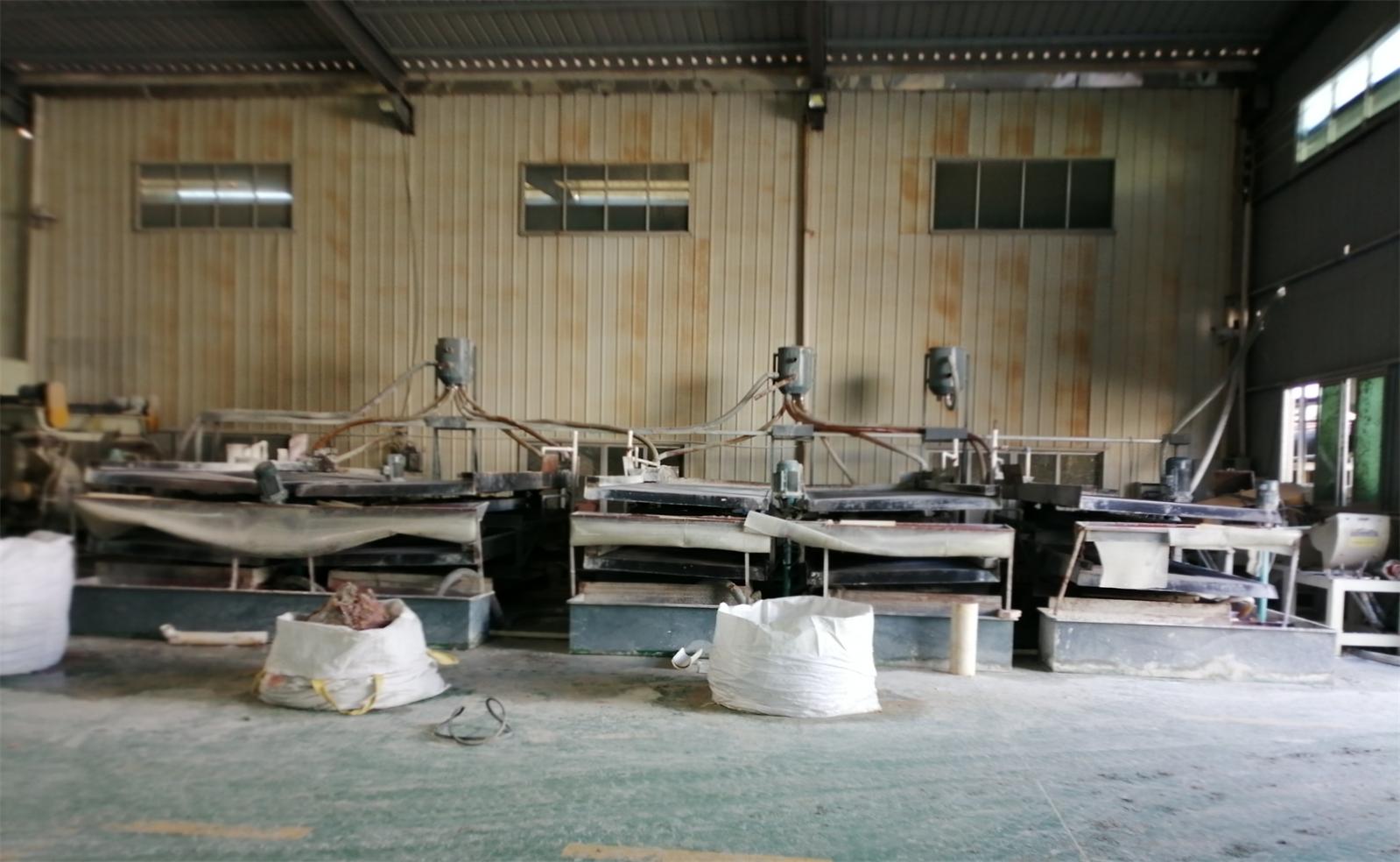
But PowerCycle doesn't stop at breaking—they also help recyclers clean up. Their filter press equipment decontaminates wastewater from battery processing, turning toxic sludge into dry cake that can be safely disposed of or repurposed. "Eswatini's water is precious," says PowerCycle's technical lead, Linda Mthethwa. "Our filter presses recover 90% of the water used in processing, so recyclers can reuse it instead of drawing from local rivers."
What impresses clients most is PowerCycle's after-sales support. "When our machine broke down during peak season, they sent a technician from Johannesburg within 24 hours," Themba recalls. "He didn't just fix it—he trained our team to spot issues early. That kind of reliability is why we've stayed with them for five years."
4. CleanEarth Systems
"Recycling shouldn't mean trading one pollution problem for another," says CleanEarth Systems' environmental engineer, Jabu Khumalo. That's the philosophy driving their focus on air pollution control machines equipment and effluent treatment machine equipment —tools that keep Eswatini's air and water clean while batteries are processed.
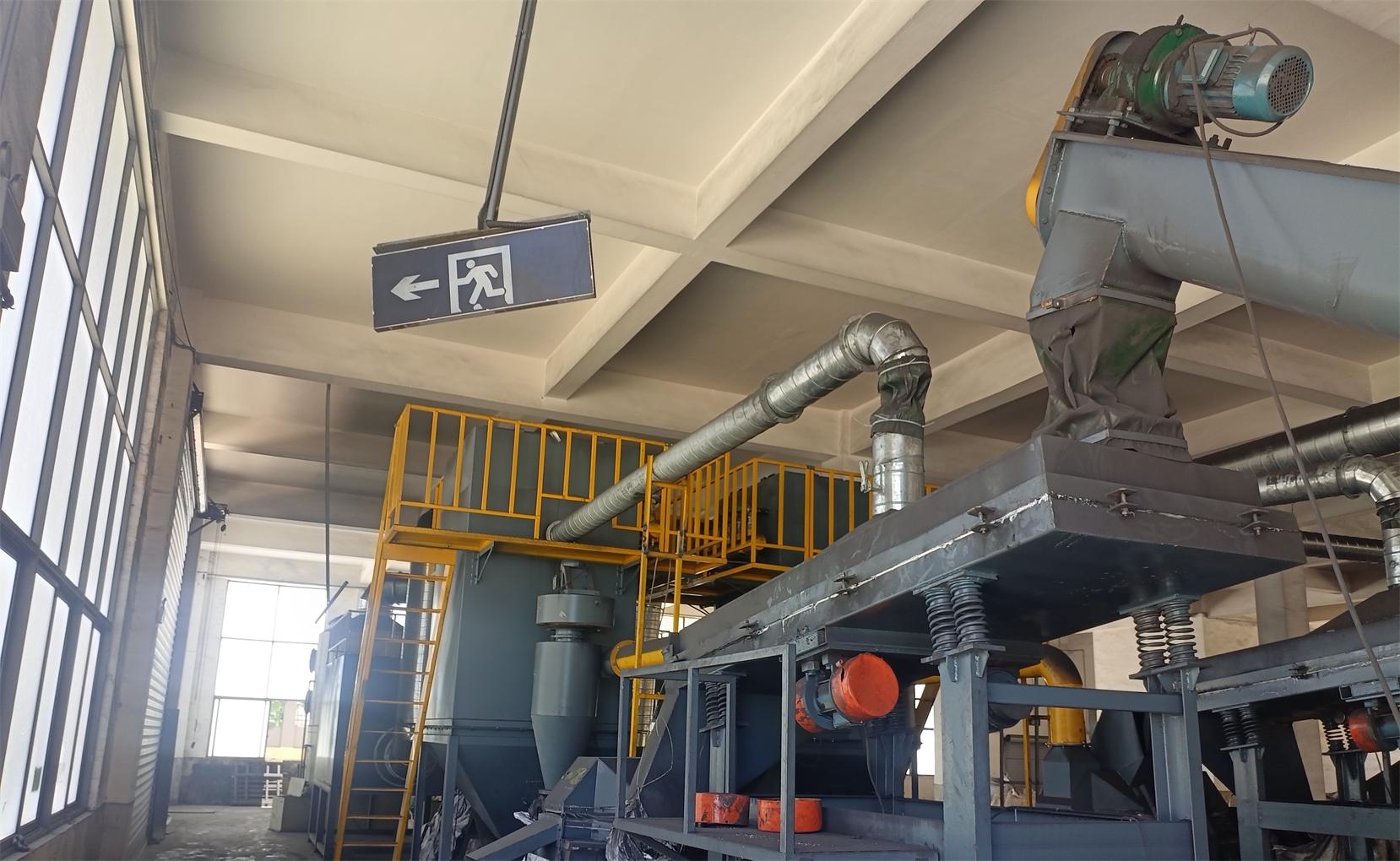
CleanEarth's air pollution control machines use high-efficiency particulate air (HEPA) filters and activated carbon to trap lead dust and acid fumes, ensuring workers breathe clean air and nearby communities aren't exposed to toxins. "We tested our systems in some of Eswatini's busiest recycling yards," Jabu explains. "Before, workers reported coughing and eye irritation. After installing our equipment, those complaints dropped to zero."
For water pollution, their effluent treatment machine equipment uses a three-step process—neutralization, filtration, and disinfection—to treat acid-contaminated water from battery breaking. "Eswatini's environmental laws are getting stricter, and that's a good thing," Jabu says. "Our systems help recyclers meet those standards without breaking the bank. We even offer rent-to-own options for small businesses."
CleanEarth also partners with Eswatini's Ministry of Environment to audit recycling plants and certify them as "green operations." "It's not just about selling machines," Jabu adds. "It's about proving that recycling can be a force for good—for people and the planet."
5. MetalsRecycle Pro
Once batteries are broken down, the real value lies in extracting pure lead—and MetalsRecycle Pro is a master at that. Their furnace for paste reduction melting equipment uses advanced combustion technology to melt lead paste (the gooey, lead-rich material inside batteries) at lower temperatures, saving energy and reducing emissions. "Traditional furnaces waste a lot of heat," says MetalsRecycle's founder, Peter Simelane. "Ours recycles heat from the exhaust, cutting fuel use by 30%. That's a big saving for recyclers, especially with rising diesel costs."
After melting, their lead refinery machine equipment purifies the lead to 99.99% purity, making it suitable for new batteries or other industrial uses. "Car manufacturers in South Africa will pay a premium for high-purity recycled lead," Peter notes. "Our refinery machines help Eswatini recyclers access that market, boosting their profits and creating more jobs here at home."
MetalsRecycle also offers on-site training for furnace operators, teaching them to adjust settings for different battery types and troubleshoot common issues. "A well-trained operator can increase lead recovery by 10%," Peter says. "That's money in the recycler's pocket and less waste going to landfills. It's a win-win."
6. SmartCycle Technologies
For recyclers looking to future-proof their operations, SmartCycle Technologies brings automation to the table. Their hydraulic press machines equipment uses AI sensors to adjust pressure based on battery size, ensuring consistent crushing without damaging lead plates. "Our system 'learns' from each battery it processes," explains SmartCycle's tech director, Zanele Mabuza. "Over time, it gets faster and more accurate—like having a veteran operator in every machine."
They also specialize in plastic pneumatic conveying system equipment , which uses air pressure to transport plastic casings from the breaking line to a granulator, eliminating the need for manual handling. "Plastic is often an afterthought in battery recycling, but it's valuable," Zanele says. "Our conveying systems keep plastic clean and intact, so recyclers can sell it to local manufacturers for new products—like crates or pipes."
SmartCycle's focus on data is another plus. Their machines track metrics like lead recovery rates, energy use, and maintenance needs, giving recyclers insights to optimize their business. "A client in Manzini used our data to adjust their shift times, cutting electricity costs by 15%," Zanele shares. "That's the power of smart technology—turning waste into wisdom."
7. RuralRecycle Innovations
RuralRecycle Innovations was born from a simple observation: rural communities in Eswatini generate tons of battery waste, but they lack the tools to recycle it safely. "Farmers, minibus drivers, and small shops all have old batteries sitting in sheds or dumping them in fields," says founder Lungile Ndlangamandla. "We wanted to give them the power to turn that waste into income—without leaving their villages."
Their hydraulic baler equipment is a game-changer for rural recyclers. Small enough to fit in a pickup truck, it compresses plastic battery casings into dense bales that are easy to transport to urban recycling centers. "A bale of plastic sells for 50 emalangeni—enough to feed a family for a week," Lungile notes. "We've trained over 200 women's groups to use these balers, and now they're leading the charge in rural waste collection."
For lead recovery, RuralRecycle offers scrap cable stripper equipment (adapted for battery lead wires) and basic safety kits—gloves, goggles, and acid-neutralizing powder. "Safety first," Lungile emphasizes. "We don't want anyone getting hurt for a few emalangeni. Our training includes how to spot damaged batteries, avoid acid spills, and clean up properly."
What makes RuralRecycle special is their community hubs. They partner with local chiefs to set up collection points in village squares, where recyclers can drop off batteries, get equipment serviced, and learn new skills. "Recycling is social," Lungile says. "It brings people together, and when people work together, they protect their land better."
8. TotalRecycle Solutions
TotalRecycle Solutions lives up to its name: they don't just handle lead-acid batteries—they process the whole ecosystem of waste that comes with them, from cables to casings. "A battery recycling plant often has piles of scrap cables from old cars or machinery lying around," says operations manager Sibusiso Mhlanga. "Why not recycle those too?"
Their cable recycling equipment strips insulation from copper wires, which can then be sold to metal refineries. "We integrate this with our battery processing lines, so recyclers can handle multiple waste streams in one facility," Sibusiso explains. "It's more efficient and more profitable—two birds, one stone."
TotalRecycle also offers dry process equipment for areas with water scarcity, using air separation instead of water to separate lead from plastic. "In the Lubombo region, water is too precious to use in recycling," Sibusiso notes. "Our dry systems use minimal water, making recycling possible even in drought-prone areas."
What clients love most is TotalRecycle's "one-stop shop" approach. "We handle everything from machine installation to finding buyers for recycled materials," Sibusiso says. "Recyclers shouldn't have to be experts in sales or logistics—they should focus on recycling. We take care of the rest."
9. ProCycle Engineering
Every recycling operation is unique—and ProCycle Engineering thrives on that. "A small auto shop in Siteki has different needs than a large plant in Mbabane," says chief engineer Andile Dlamini. "We don't sell off-the-shelf machines—we design systems that fit your space, budget, and goals."
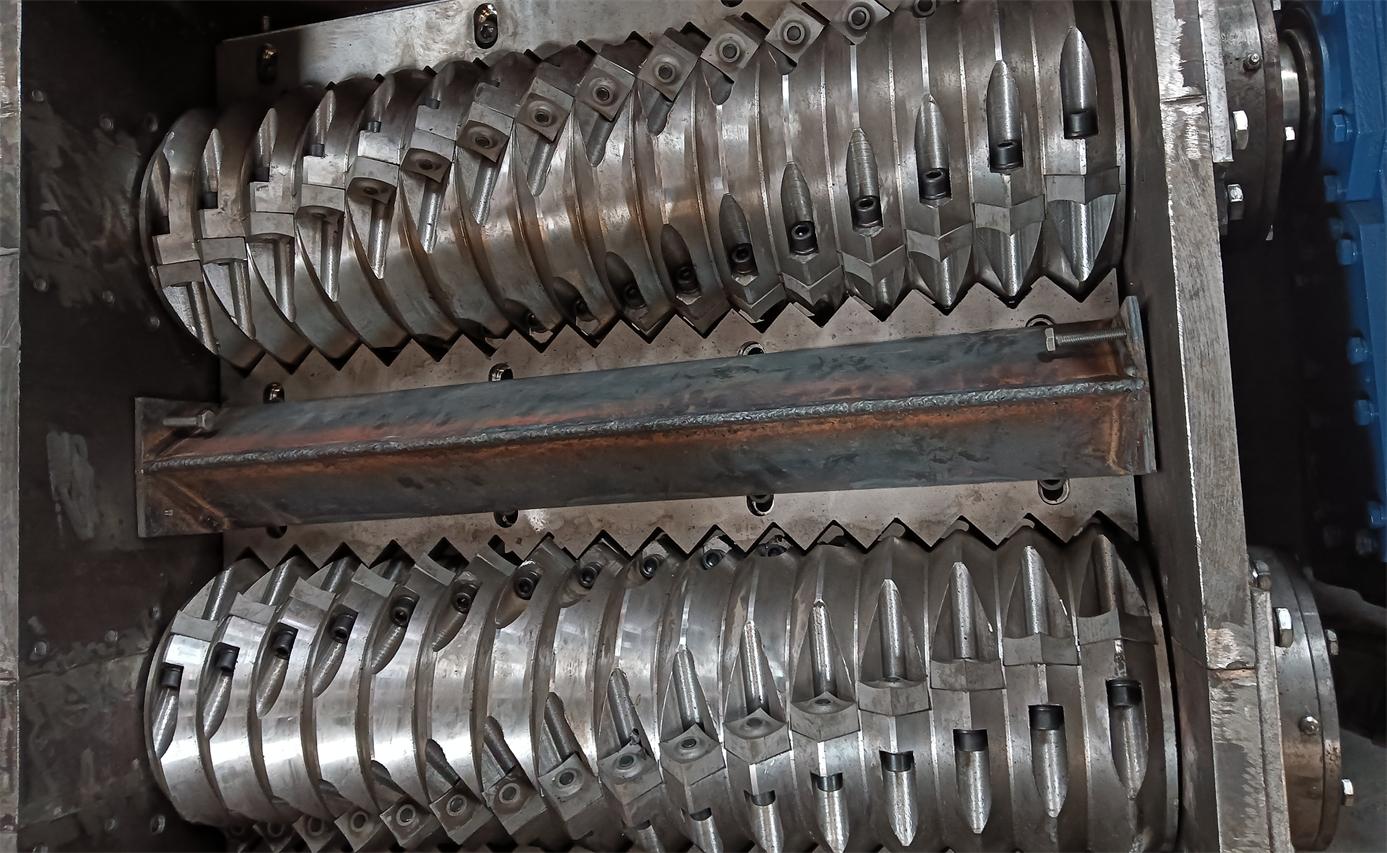
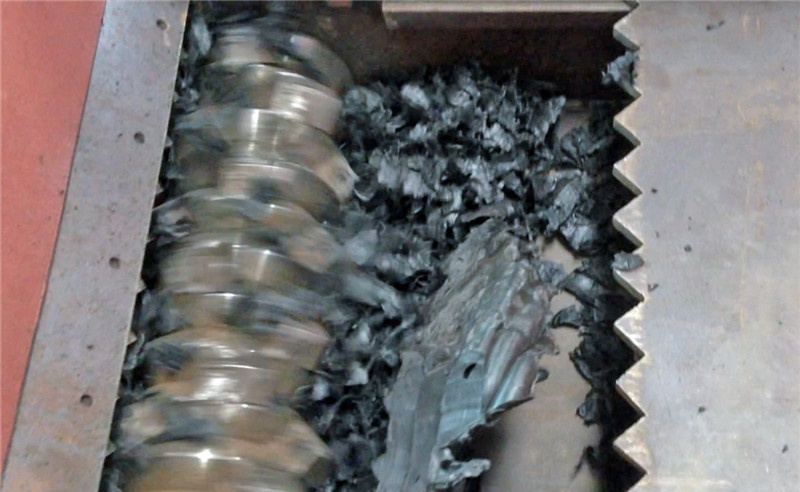
Their 2 shaft shredder equipment is a favorite for custom projects: adjustable blades let recyclers control the size of battery (debris), whether they're processing small motorcycle batteries or large industrial ones. "A client in Piggs Peak needed to shred batteries in a 10x10 meter room," Andile recalls. "We modified our 2 shaft shredder to fold up when not in use—now it fits perfectly."
For lead briquetting, ProCycle offers hydraulic briquetter equipment with customizable molds, so recyclers can make briquettes in sizes that match buyer specifications. "Some refineries want 5kg briquettes, others 20kg," Andile explains. "Our machines adapt, so our clients never have to turn down an order."
ProCycle's secret weapon? Their on-site surveys. "We visit every client's facility before designing anything," Andile says. "We measure doorways, check power supply, even talk to workers about their daily routines. That's how we create machines that feel like they were made for the people using them—not just the process."
10. FutureCycle Eswatini
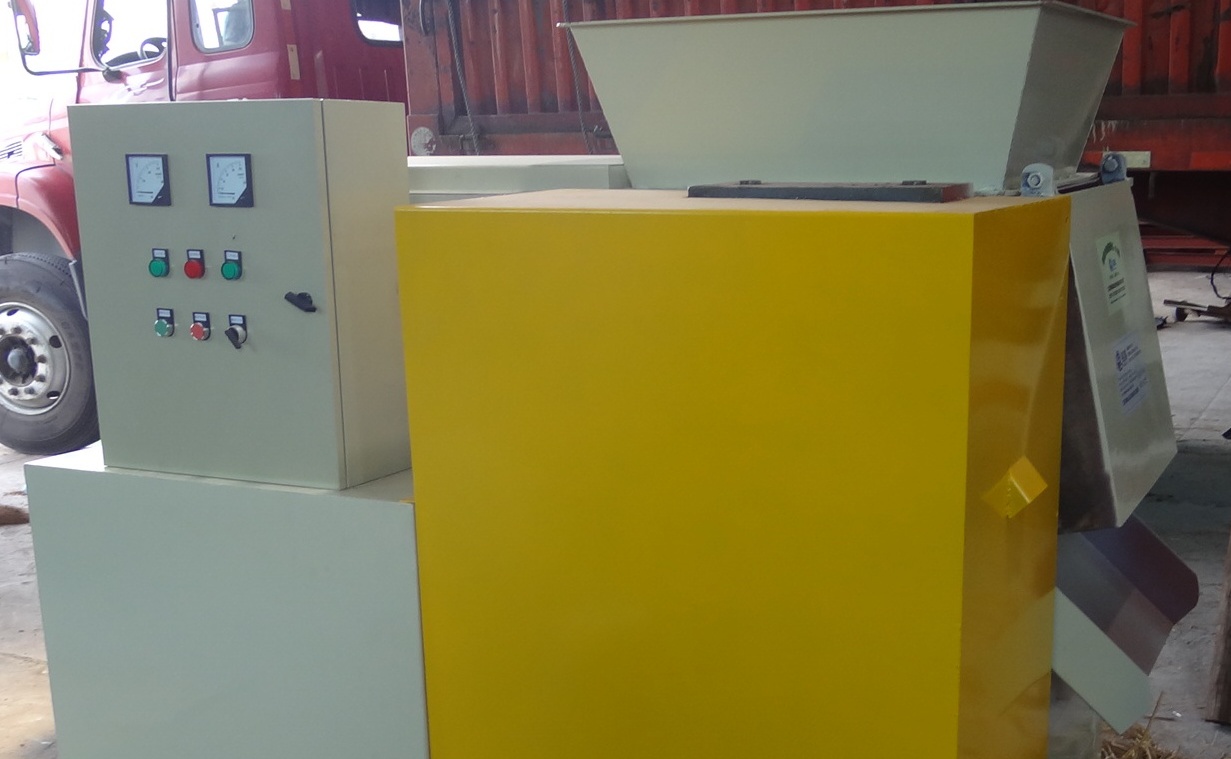
FutureCycle Eswatini is looking ahead—beyond lead-acid batteries to the next frontier of recycling. But they're not forgetting their roots: their compact granulator with dry separator equipment is revolutionizing lead-acid processing by combining crushing, separating, and plastic granulating in one small footprint. "It's perfect for urban recyclers in Mbabane who have limited space," says FutureCycle's innovation lead, Nathi Kunene. "You can process 100 batteries a day in a garage-sized area."
They're also pioneers in hybrid systems, pairing wet process equipment (for acid neutralization) with dry separation (for lead and plastic) to maximize efficiency. "Wet processes are great for acid, dry for metals and plastic," Nathi explains. "Our hybrid system uses the best of both, cutting processing time by 40%."
FutureCycle is even dipping its toes into lithium-ion battery recycling—a growing need as electric vehicles and solar systems gain popularity in Eswatini. "We're not abandoning lead-acid—far from it," Nathi says. "But we want recyclers to be ready for the future. Our goal is to make Eswatini a hub for sustainable recycling, no matter what battery technology comes next."
In Eswatini, recycling lead-acid batteries isn't just about machines—it's about people. It's about Thabo in Manzini, turning waste into a thriving business. It's about the women's groups in Shiselweni, using balers to feed their families. It's about protecting the Usuthu River from pollution and ensuring the next generation inherits a cleaner, greener country.
The suppliers on this list are more than vendors—they're partners in Eswatini's journey toward a circular economy. They bring not just equipment, but expertise, training, and a belief that responsible recycling is possible for every business, no matter how big or small. Whether you're a rural recycler with a pickup truck or an industrial plant in Matsapha, there's a solution here tailored to your needs.
So, to the businesses, entrepreneurs, and communities of Eswatini: the tools to turn waste into wealth are here. Let's build a future where every battery is recycled, every resource is reused, and every corner of our country stays as beautiful as we found it.