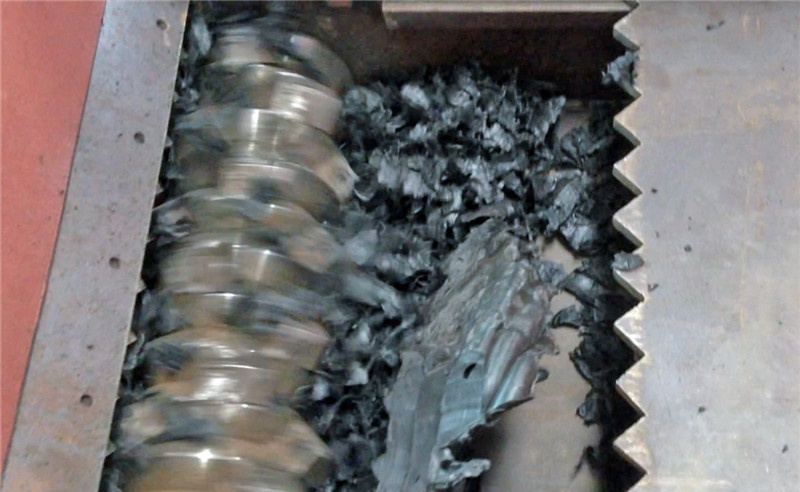
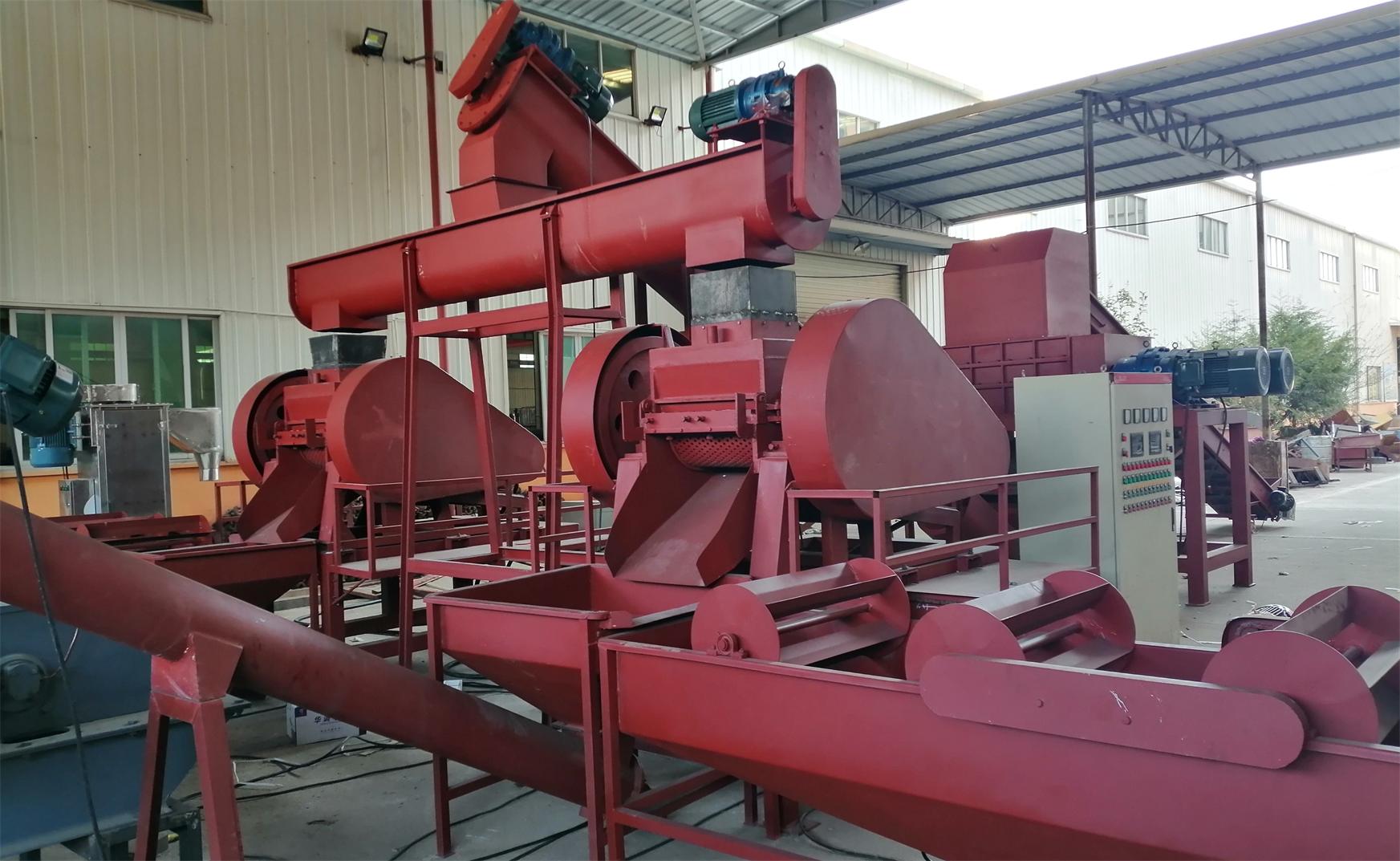
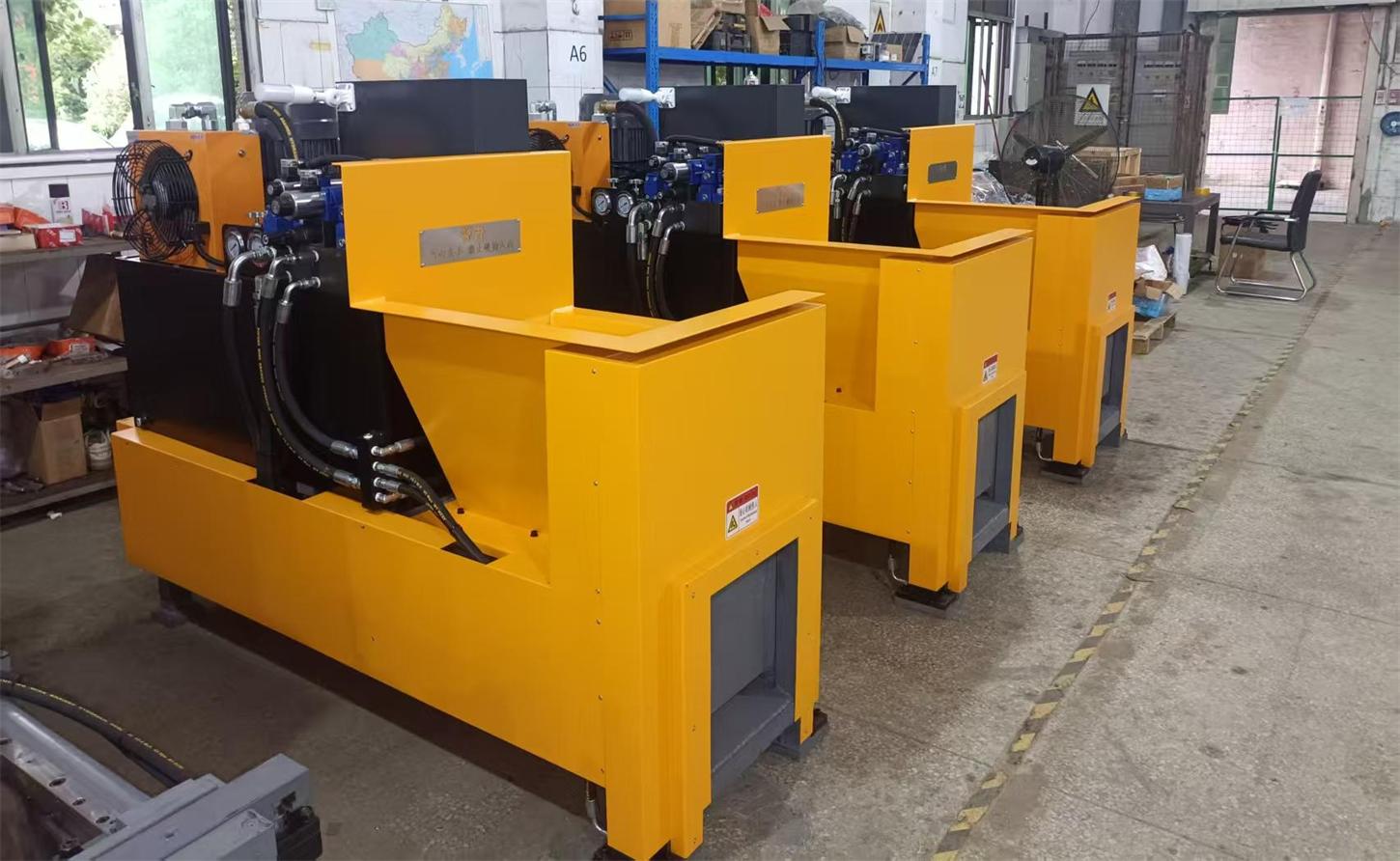
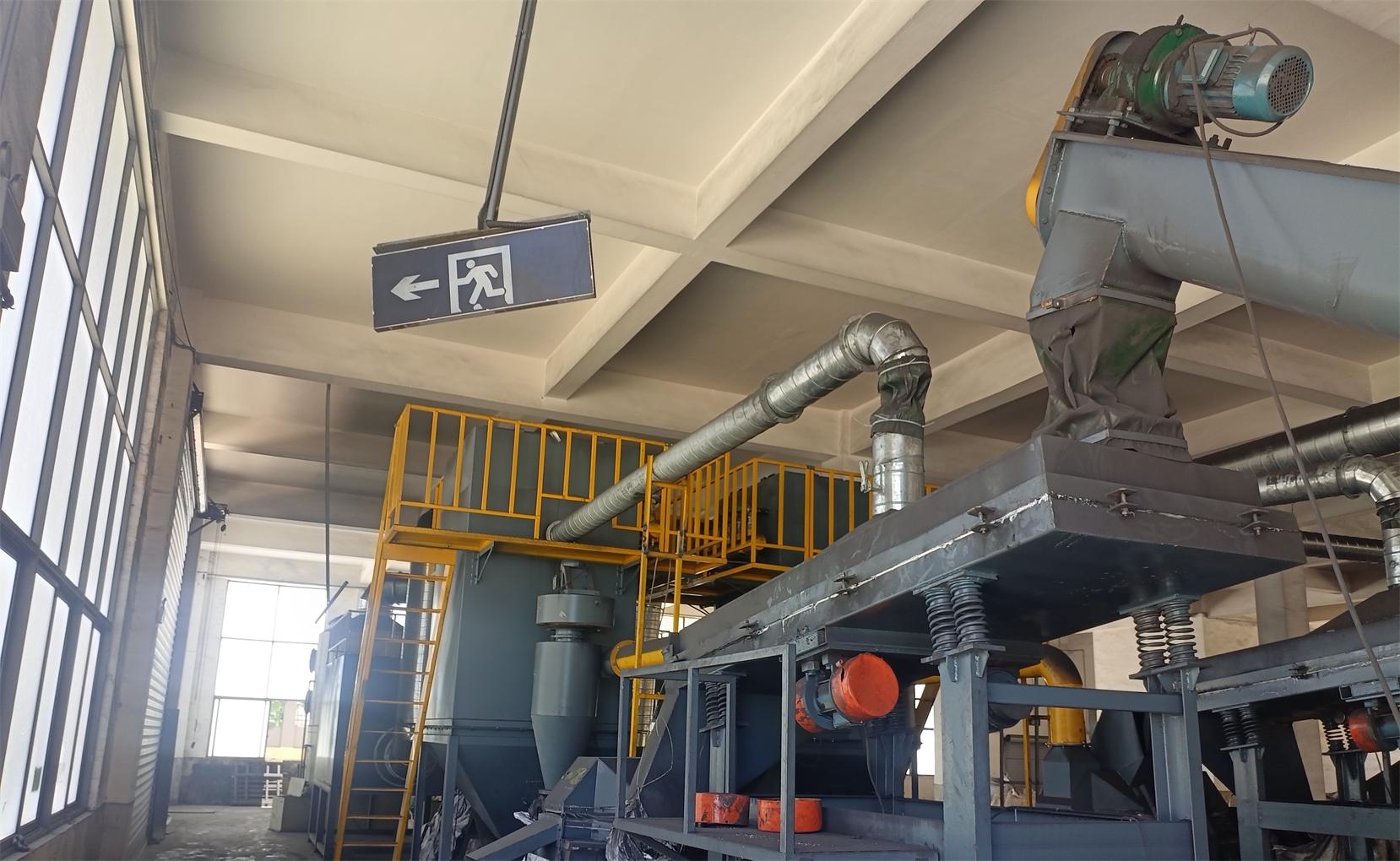
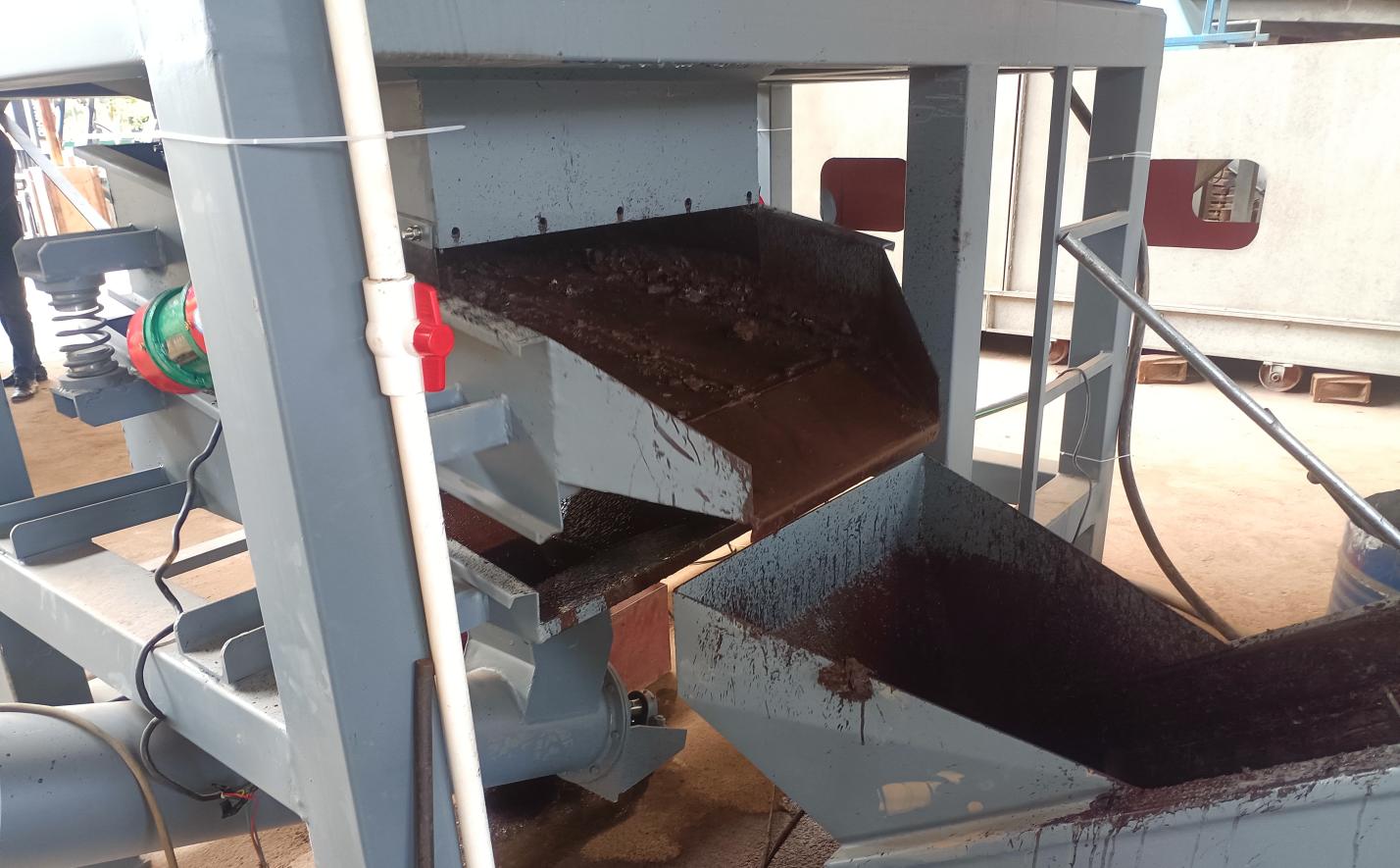
In the heart of Addis Ababa, a young entrepreneur named Biniam stands in his small recycling yard, staring at a pile of used lead-acid batteries. "Three years ago, I didn't know what to do with these," he says, kicking a rusted battery casing gently. "I'd see them dumped in rivers or burned in open fields—poisoning the soil, making kids sick. Now? These batteries are gold." Biniam's yard is a testament to Ethiopia's growing focus on sustainability: rows of stacked batteries await processing, and in the corner, a humming machine breaks them down, separating lead, plastic, and acid for reuse. "This equipment changed everything," he adds, nodding at the machinery. "But finding the right supplier? That was the real battle."
Lead-acid batteries power much of Ethiopia's daily life: from the minibuses crisscrossing Addis Ababa to the backup generators keeping hospitals running during blackouts. With an estimated 1.2 million new lead-acid batteries sold annually—and only a fraction recycled properly—the need for reliable crushing and separation equipment has never been greater. Improper disposal releases lead into soil and water, causing neurological damage, kidney disease, and environmental degradation. But when recycled, these batteries become a treasure trove: 99% of lead in a battery can be reused, along with plastic casings and sulfuric acid. For businesses like Biniam's, choosing the right equipment supplier isn't just a financial decision—it's a commitment to protecting Ethiopia's communities and resources.
Why the Right Supplier Matters
"Not all equipment is built the same," warns Dr. Selamawit, an environmental engineer at Addis Ababa University who specializes in waste management. "A cheap, poorly designed machine might separate lead, but it'll leak acid, spew toxic fumes, or break down after six months. That's not recycling—that's just moving the problem." For Ethiopian recyclers, key factors include local technical support (no one wants to wait three months for a part from overseas), compliance with Ethiopian emission standards (the EPA cracks down hard on polluters), and scalability (starting small but growing with demand). "The best suppliers don't just sell machines," Dr. Selamawit adds. "They partner with you to build a system that works for Ethiopia's unique challenges."
Key Considerations When Choosing a Supplier
| Factor | Why It Matters | Questions to Ask Suppliers |
|---|---|---|
| Equipment Efficiency | High efficiency means more batteries processed per hour, lowering costs and boosting profits. | "What's the hourly processing capacity for your lead battery cutter equipment?" "How much lead loss can we expect during separation?" |
| Environmental Compliance | Ethiopia's environmental laws require strict control of lead dust, acid spills, and air pollution. | "Does your ulab breaking and separating equipment include air pollution control systems?" "Can you provide certification for emissions standards?" |
| After-Sales Support | Breakdowns halt operations. Local support ensures quick repairs and minimal downtime. | "Do you have a service center in Ethiopia?" "What's your average response time for maintenance requests?" |
| Customization | Small yards need compact machines; large plants require industrial-scale systems. | "Can you adjust the lead acid battery breaking and separation system for a 500kg/hour vs. 2000kg/hour operation?" |
| Training | Untrained operators risk injury, equipment damage, or poor separation quality. | "Do you offer on-site training for my team?" "What materials do you provide for ongoing learning?" |
Top 10 Suppliers in Ethiopia
1. EthioGreen Recycling Technologies
Specialties: Lead acid battery recycling equipment, ulab breaking and separating equipment, air pollution control system equipment
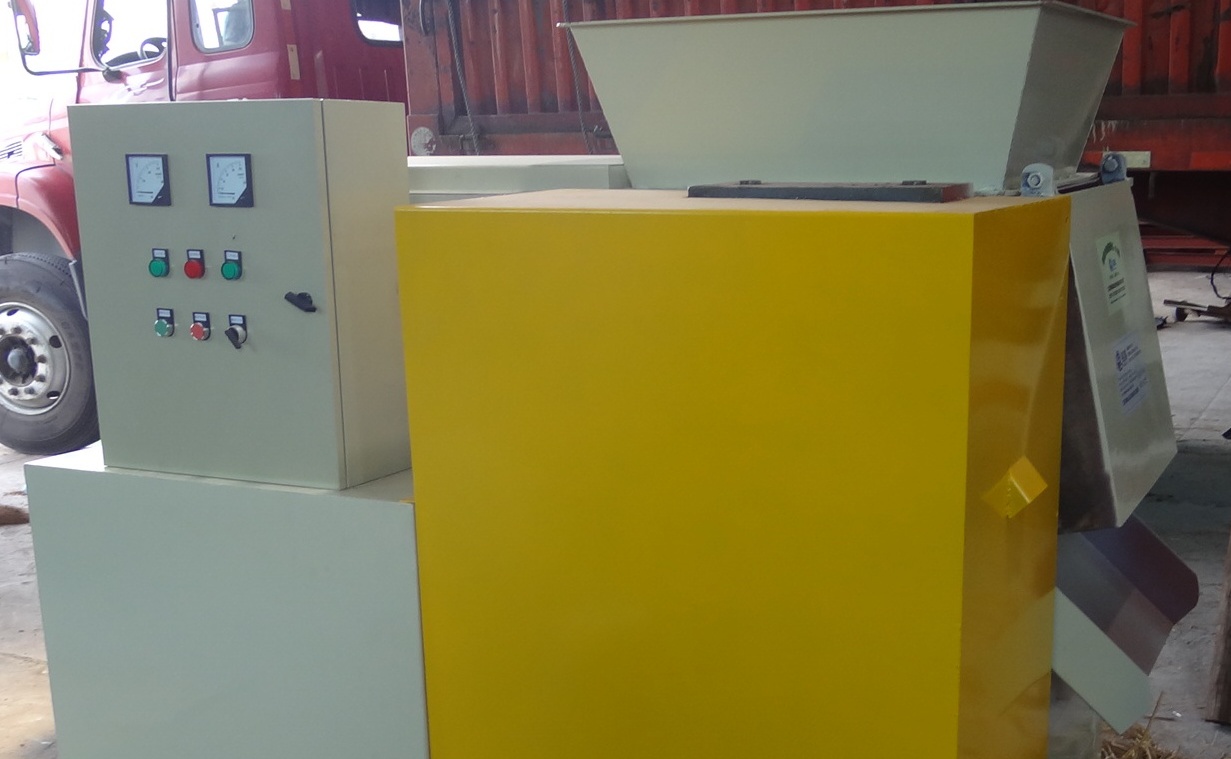
Founded in 2010, EthioGreen has become a household name in Ethiopian recycling circles, with a reputation for reliability that spans from Addis Ababa to Mekelle. "We started with one goal: build equipment that works in Ethiopia's climate and infrastructure," says CEO Yohannes Girma. "No frills, just tough machines that handle dust, humidity, and power fluctuations." Their flagship product, the ULAB Master 500 , is a compact ulab breaking and separating equipment designed for small to medium yards. It processes 500kg of batteries per hour, with a built-in acid neutralization system and dust collector to meet EPA standards. "What sets us apart?" Yohannes grins. "Our Addis-based service team. If a machine breaks at 2 a.m., we're there by dawn."
Clients praise EthioGreen's transparency. "They didn't upsell me a giant machine I couldn't afford," says Biniam, the Addis-based recycler. "They asked about my budget, my space, my goals, and recommended the ULAB Master. Two years later, it's still running like new."
2. East African Battery Recovery Systems (EABRS)
Specialties: Lead acid battery breaking and separation system, lead refinery machine equipment, air pollution control machines equipment
For large-scale operations, EABRS is the go-to. With a factory in Dire Dawa and partnerships with German engineering firms, they supply turnkey recycling plants capable of processing 2000kg+ of batteries per hour. "We don't just sell equipment—we build ecosystems," explains sales director Amara Tesfaye. "A typical plant includes a lead battery cutter equipment, a separation unit, a refinery furnace, and an air pollution control system. It's a closed loop: no waste, no emissions, just pure lead ready to sell to battery manufacturers."
Their EcoLead Pro 2000 system is popular with government-backed recycling initiatives, like the Oromia Regional Waste Management Project. "The Oromia plant was struggling with manual labor—workers breaking batteries with hammers, getting lead poisoning," Amara recalls. "We installed the EcoLead Pro, and within a year, their lead recovery rate jumped from 60% to 98%. Now their workers wear gloves and goggles, not respirators." EABRS also offers training programs, sending engineers to teach operators how to optimize the system and troubleshoot issues.
3. GreenCycle Machinery Ethiopia
Specialties: Lead battery cutter equipment, filter press equipment, auxiliary equipment
GreenCycle started as a small trader importing parts from China, but today, they manufacture 60% of their equipment locally in Bahir Dar. "We know Ethiopian recyclers can't afford to import everything," says founder Meseret Haile. "So we source steel from local mills, assemble in our own workshop, and keep prices low." Their bestseller is the SwiftCut 300 , a hydraulic lead battery cutter equipment that slices through battery casings in seconds, reducing manual labor by 70%. "A lot of small recyclers still use axes to open batteries," Meseret shakes her head. "The SwiftCut is safer, faster, and costs half the price of imported models."
What clients love most? GreenCycle's "pay-as-you-grow" model. "Start with the cutter, then add a filter press for acid treatment later when you can afford it," Meseret explains. "We even offer 12-month payment plans for first-time buyers." For Alem, who runs a recycling co-op in Gondar, this flexibility was key: "I bought the SwiftCut with a small loan, made enough profit in six months to add the filter press. Now we're expanding to 10 workers."
4. AfroRecycle Solutions
Specialties: Ulab breaking and separating equipment, dry process equipment, plastic pneumatic conveying system
"Dry process is the future," declares Tewodros Assefa, AfroRecycle's technical director, standing in front of a roaring machine in their Addis showroom. "Traditional wet processes use tons of water—scarce in Ethiopia—and create toxic sludge. Our dry separation system uses air and vibration to separate lead, plastic, and acid powder, using 90% less water." Their DrySep 1000 ulab breaking and separating equipment is a hit with recyclers in arid regions like Afar and Somali. "In Mekelle, a client was spending 5,000 birr monthly on water for wet processing," Tewodros says. "With DrySep, they cut that to 500 birr and eliminated sludge disposal costs."
AfroRecycle also specializes in plastic recovery. "Most recyclers throw away battery casings—big mistake," Tewodros adds. "Our plastic pneumatic conveying system collects crushed plastic, cleans it, and compresses it into pellets sold to plastic manufacturers. That's extra income for our clients." For Hana, who runs a recycling plant in Hawassa, the plastic revenue was a pleasant surprise: "I bought DrySep for lead recovery, but the plastic pellets? They now make up 30% of my monthly profit!"
5. Mekelle Metal Recovery Industries (MMRI)
Specialties: Lead acid battery recycling equipment, hydraulic press machines equipment, metal melting furnace equipment
In Mekelle, where mining and manufacturing drive the economy, MMRI has built a reputation for rugged, no-nonsense equipment. "Our machines are built for the north," says general manager Gebrehiwot Berhe. "Cold winters, rough roads—they don't break down easily." Their Northern LeadMaster is a all-in-one lead acid battery recycling equipment: it cuts batteries, separates components, and even includes a small hydraulic press to compact lead plates for melting. "For remote areas like Tigray, where transporting loose lead is risky, the press is a game-changer," Gebrehiwot explains. "Compacted lead bricks are safer to transport and fetch a higher price at smelters."
MMRI also offers on-site installation, a rarity for northern suppliers. "We sent a team to a village outside Shire last year," Gebrehiwot recalls. "They spent a week setting up the machine, training the workers, even teaching them basic maintenance. Now that village has a thriving recycling business, and they send us Christmas injera every year!"
6. Addis EcoMachinery
Specialties: Lead battery cutter equipment, effluent treatment machine equipment, air pollution control system equipment
Addis EcoMachinery prides itself on "green tech for green profits." Their EcoCutter X5 lead battery cutter equipment is designed with the smallest environmental footprint possible: low energy consumption, noise-dampening panels, and a built-in effluent treatment machine to neutralize sulfuric acid. "In Addis, where neighborhoods are dense, noise and fumes matter," says sales rep Lemlem Hailu. "A recycler in Bole installed our EcoCutter, and his neighbors stopped complaining—because they couldn't even hear it running!"
What truly sets them apart is their air pollution control system equipment, which uses HEPA filters and activated carbon to capture 99.9% of lead dust. "The EPA did a surprise inspection at one of our client's plants last year," Lemlem grins. "They tested the air and said, 'This is cleaner than most offices in Addis!'" For businesses near schools or hospitals, this compliance is non-negotiable—and Addis EcoMachinery delivers.
7. Harar Recycling Tech (HRT)
Specialties: Ulab breaking and separating equipment, wet process equipment, water process equipment
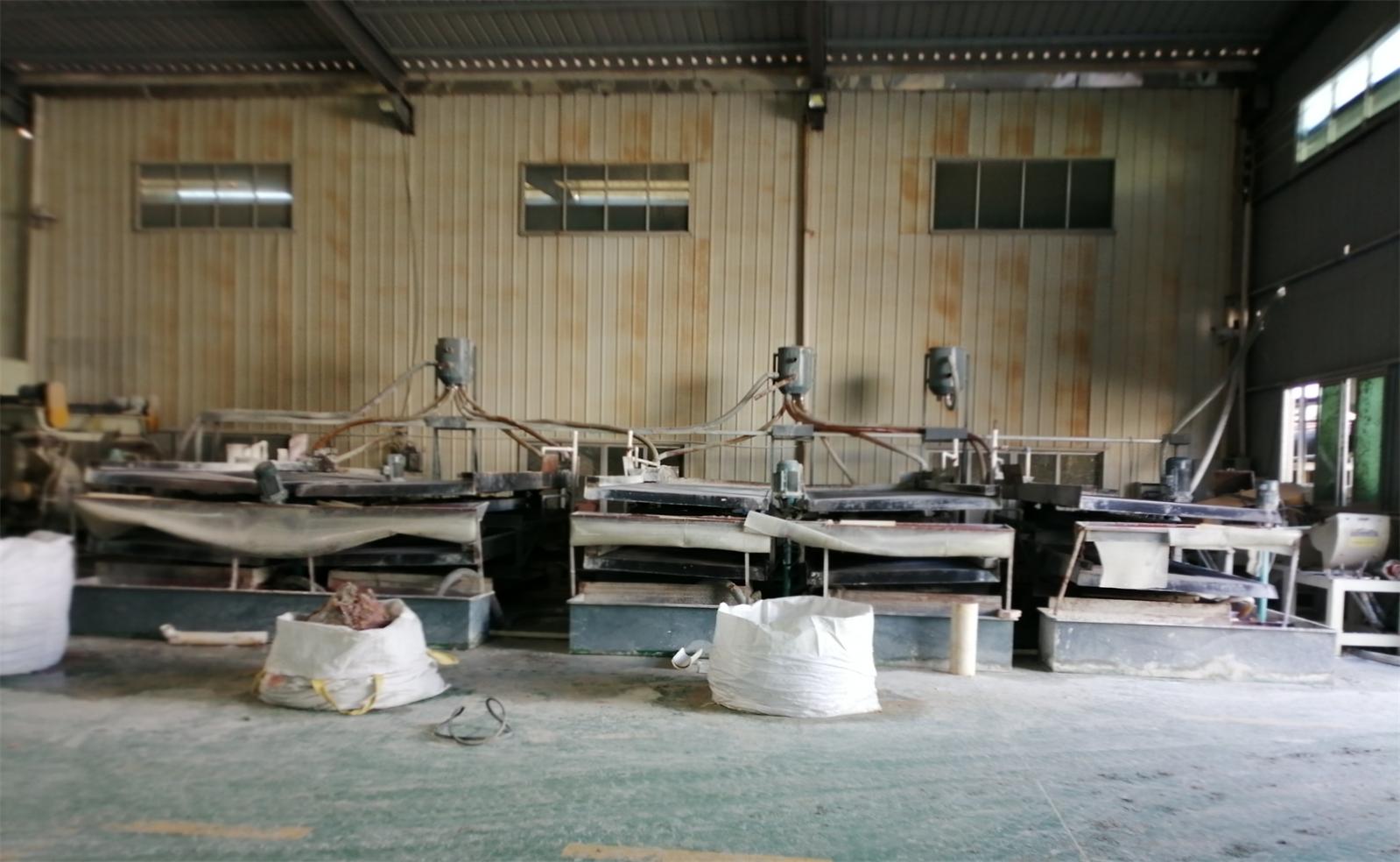
Harar is known for its historic architecture and coffee—but HRT is putting it on the map for recycling tech. "Wet process isn't dead," argues founder Abdi Ibrahim. "In areas with access to water, it's still the most efficient way to separate lead and acid." Their WetSep 750 ulab breaking and separating equipment uses a gentle water bath to dissolve acid and float plastic, leaving lead plates clean and ready for melting. "Dry systems can miss fine lead particles," Abdi explains. "Wet process captures every last bit—meaning higher profits for our clients."
HRT also offers water process equipment to treat and reuse the water, making the system sustainable. "A client in Jimma uses our closed-loop water system," Abdi says. "They recycle the same water 10 times before needing to replace it. No waste, no extra cost." For recyclers in regions with reliable water access, like the Omo Valley, HRT's wet process equipment remains a top choice.
8. Dire Dawa Industrial Solutions (DDIS)
Specialties: Lead acid battery breaking and separation system, 2 shaft shredder equipment, auxiliary equipment
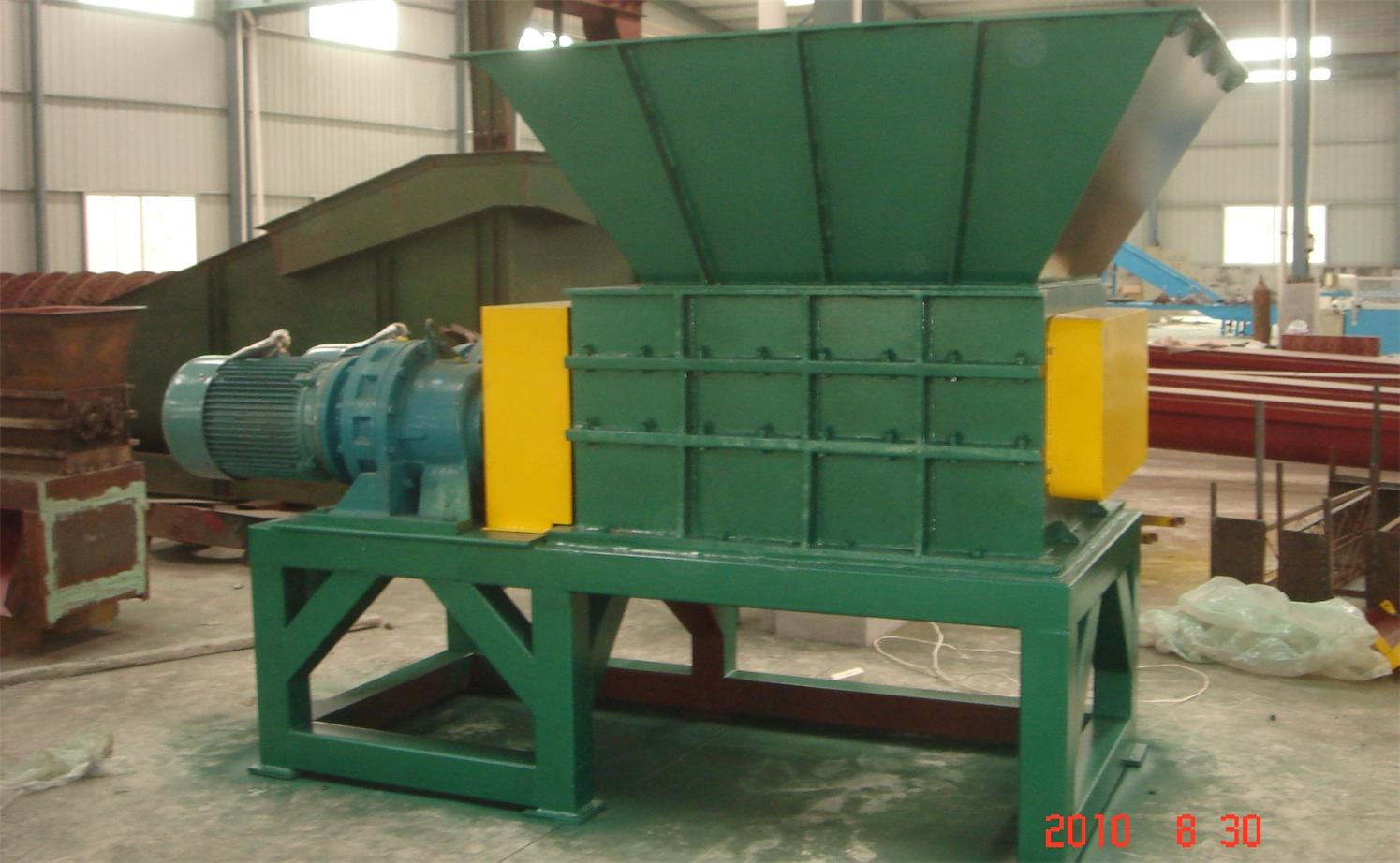
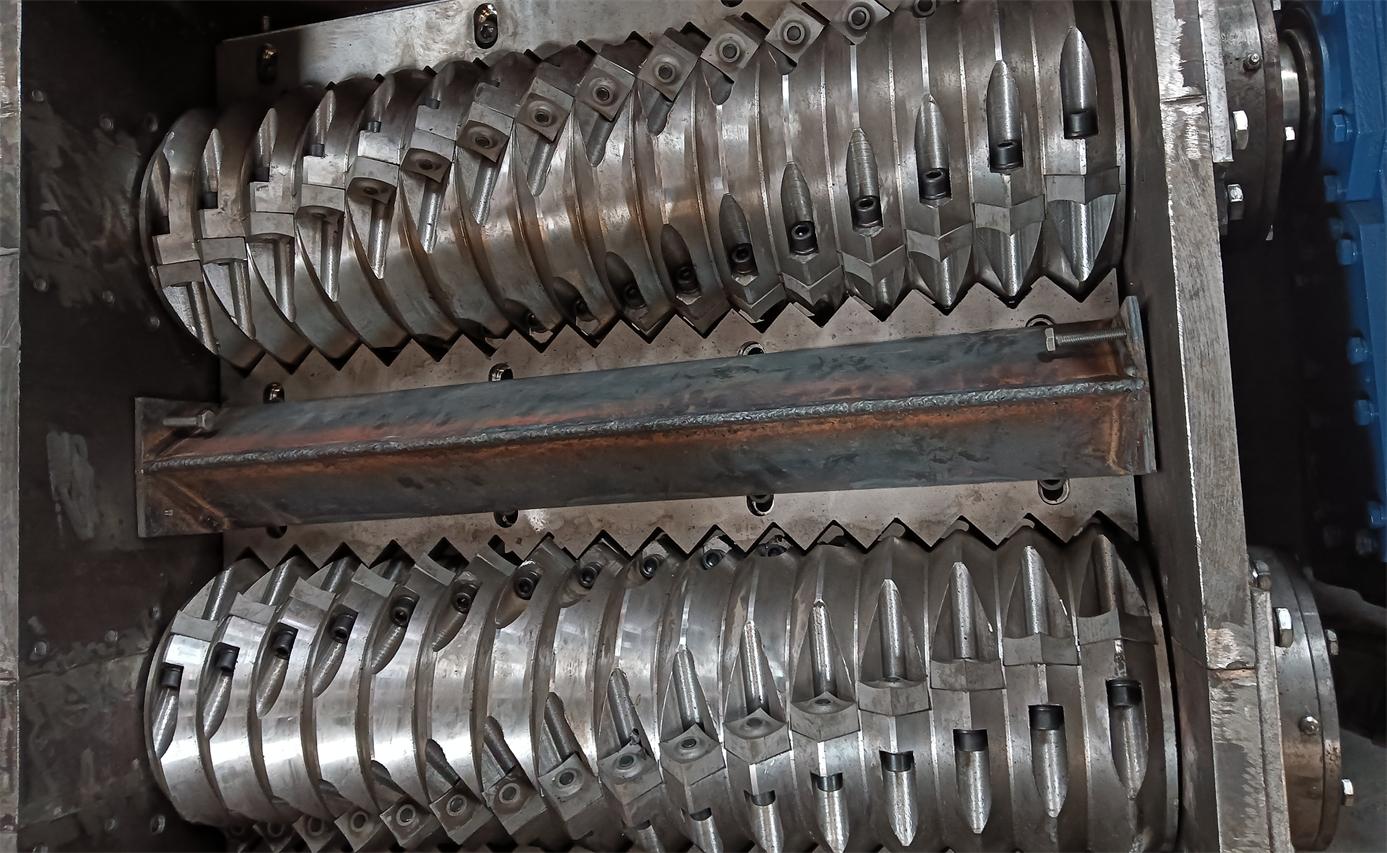
As one of Ethiopia's oldest industrial hubs, Dire Dawa is home to DDIS, a supplier trusted by factories and recycling plants alike. "We've been building shredders for 20 years—batteries are just the latest challenge," says engineer Dawit Lemma, patting a massive 2 shaft shredder. "Our lead acid battery breaking and separation system starts with this beast: it shreds batteries into small pieces, then a separator sorts lead, plastic, and acid. It's brute force, but it works for high-volume operations."
DDIS also excels at auxiliary equipment, like conveyors and storage bins, to keep the recycling line moving smoothly. "A lot of suppliers sell you a separator and say, 'Good luck moving the batteries to it,'" Dawit laughs. "We design the entire line: from the truck unloading area to the final lead storage. No bottlenecks, no headaches." For the Dire Dawa Municipal Recycling Plant, which processes 5 tons of batteries daily, DDIS's integrated system has been a lifesaver: "Before, we had piles of batteries backing up," says plant manager Aisha. "Now? It's a seamless flow."
9. Axum Sustainable Technologies
Specialties: Lead battery cutter equipment, hydraulic baler equipment, small-scale recycling systems
Named after the ancient city of Axum, this supplier focuses on empowering small businesses and co-ops. "Not everyone can afford a 2000kg/hour system," says founder Yared Gidey. "But that doesn't mean they shouldn't have safe, efficient equipment." Their MicroCut 100 is a compact lead battery cutter equipment designed for yards processing 100-200kg per day. "It's manual-feed, but it's safe—no exposed blades, and a built-in acid tray to catch spills," Yared explains. "We've sold over 200 to co-ops in Amhara and Tigray, and the feedback is always the same: 'It's simple, it works, and we don't have to worry about our workers getting hurt.'"
Axum also offers hydraulic baler equipment to compress plastic casings for easy transport. "A co-op in Lalibela was storing plastic in sacks that ripped open," Yared recalls. "We gave them a baler, and now they stack neat bales that sell for 20% more to plastic recyclers." For micro-entrepreneurs like Biniam, Axum's small-scale systems are the first step toward building a sustainable business.
10. Omo Valley Recycling Innovators (OVRI)
Specialties: Ulab breaking and separating equipment, air pollution control machines equipment, custom-built systems
OVRI is the new kid on the block, but they're making waves with innovative designs tailored to Ethiopia's unique needs. "We noticed most imported equipment is built for European or American conditions—clean, dry, stable power," says founder Zewdie Mulugeta. "Ethiopia has dust, humidity, and power cuts. So we reengineered everything." Their DustBuster Separator is a ulab breaking and separating equipment with a double-layer dust filter and a backup battery to keep it running during blackouts. "In Arba Minch, where power is out 3 hours a day, this machine doesn't skip a beat," Zewdie says proudly.
OVRI also specializes in custom builds. "A client in Sodo wanted a system that could process both lead-acid and small lithium batteries," Zewdie explains. "We modified our separator to handle both—now they're the only recycler in the area offering lithium recycling." For forward-thinking businesses, OVRI's flexibility is a major draw: "Recycling isn't static," Zewdie adds. "Your equipment shouldn't be, either."
The Future of Lead-Acid Battery Recycling in Ethiopia
Back in his Addis yard, Biniam watches as his ULAB Master 500 spits out a stream of clean lead plates. "Five years from now, I want to see every used battery in Ethiopia recycled—not dumped," he says. "These suppliers are helping make that possible." With Ethiopia's government rolling out stricter recycling regulations and international organizations funding green initiatives, the demand for reliable crushing and separation equipment will only grow. For entrepreneurs like Biniam, the choice is clear: invest in quality equipment from a supplier who understands Ethiopia's needs, and turn waste into wealth—for their business and their country.
Whether you're a small co-op in Gondar or a large plant in Dire Dawa, the suppliers on this list offer something for every need. From compact cutters to turnkey systems, from dry process to wet, they're not just selling machines—they're building Ethiopia's circular economy, one battery at a time. As Dr. Selamawit puts it: "The best recycling equipment doesn't just separate lead and plastic. It separates Ethiopia from a future of pollution—and paves the way for a cleaner, greener tomorrow."