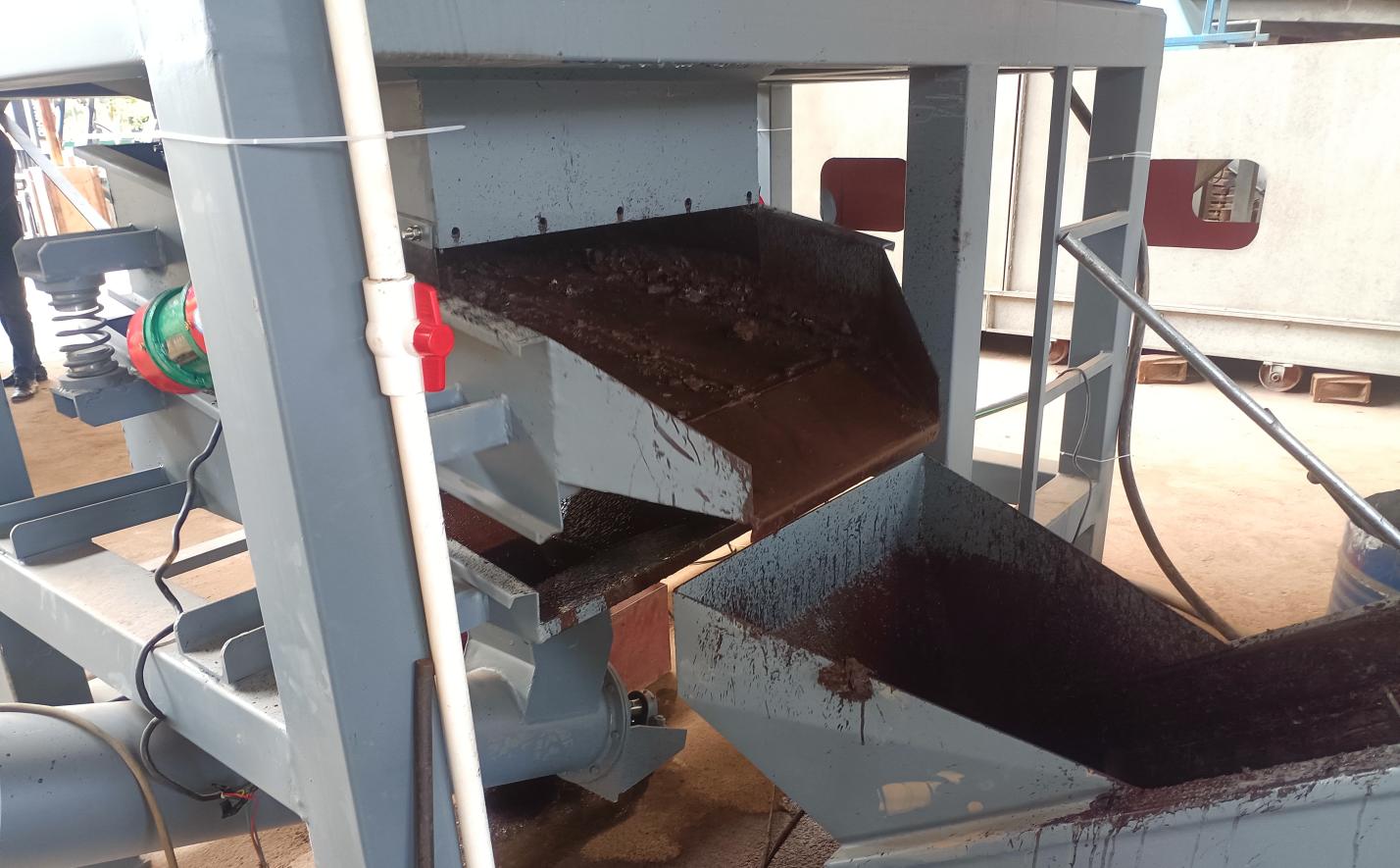
In Madagascar, where sustainable development and environmental stewardship are becoming increasingly critical, the recycling of lead-acid batteries has emerged as a vital industry. These batteries power everything from cars and motorcycles to backup generators and solar energy storage systems, making them a staple in both urban and rural communities. However, improper disposal—such as dumping in landfills or informal burning—poses severe risks: lead leaching into soil and water sources, toxic fumes harming air quality, and long-term health impacts on local populations. To address this, reliable suppliers of lead-acid battery recycling equipment play a pivotal role, providing the tools needed to safely break down, separate, and repurpose these batteries. Today, we're diving into the top 10 suppliers, manufacturers, wholesalers, and traders in Madagascar that are leading the charge in this essential field, focusing on those who offer not just equipment, but comprehensive solutions for efficient, eco-friendly recycling.
Why Choosing the Right Supplier Matters
Selecting a trustworthy supplier isn't just about buying machinery—it's about partnering with a team that understands the unique challenges of Madagascar's recycling landscape. Factors like limited infrastructure, varying regional regulations, and the need for durable equipment that can withstand local conditions all come into play. The best suppliers don't just sell "lead battery cutter equipment" or "hydraulic cutter equipment"; they offer end-to-end systems, from initial battery breaking to final material separation, along with critical add-ons like air pollution control systems and auxiliary equipment to ensure compliance with environmental standards. Whether you're a small-scale recycler or a large industrial plant, the right supplier will tailor solutions to your capacity, budget, and sustainability goals.
Top 10 Suppliers in Madagascar
1. EcoRecycle Madagascar
EcoRecycle Madagascar has been a cornerstone of the country's recycling equipment sector for over a decade, earning a reputation for reliability and innovation. Based in Antananarivo, this family-owned business started with a focus on basic battery dismantling tools but has since expanded to offer fully integrated recycling lines. What sets them apart is their commitment to "green tech"—every system they design prioritizes energy efficiency and minimal environmental impact.
Their flagship product is the lead acid battery breaking and separation system , a modular setup that includes lead battery cutter equipment for precise battery casing removal, followed by separation tanks and conveyor belts. For smaller operations, they offer standalone hydraulic cutter equipment , designed to handle up to 500 batteries per day with minimal manual labor. Beyond cutting tools, EcoRecycle also provides auxiliary equipment like plastic shredders and lead melting furnaces, ensuring recyclers can process every component of the battery.
What truly makes EcoRecycle a standout is their in-house air pollution control system equipment . Recognizing Madagascar's strict new emissions regulations, they've integrated cyclone dust collectors and scrubbers into their systems, ensuring that harmful fumes from lead processing are filtered before release. Customers praise their after-sales support, including on-site training and 24/7 technical assistance—critical for rural recyclers who may lack easy access to spare parts.
2. GreenTech Solutions Madagascar
GreenTech Solutions Madagascar is a relative newcomer but has quickly risen to prominence by specializing in high-capacity recycling systems. Founded in 2018 by a team of engineers with experience in European recycling technologies, the company focuses on large-scale operations, catering to municipal waste management firms and industrial battery producers.
Their star offering is the GT-5000, a fully automated lead acid battery breaking and separation system capable of processing 2,000 kg of batteries per hour. At the heart of this system is their proprietary hydraulic cutter equipment , which uses advanced sensors to adjust cutting pressure based on battery size, reducing wear and tear on the machine. Alongside this, they provide lead refinery machine equipment for purifying extracted lead, turning scrap into reusable ingots that meet international quality standards.
GreenTech also prides itself on customization. For clients in the solar industry, which relies heavily on lead-acid batteries for energy storage, they've developed a compact version of their breaking system that pairs with dry process equipment to minimize water usage—a key feature in drought-prone regions of Madagascar. Their commitment to innovation is evident in their R&D lab, where they're currently testing a new plastic pneumatic conveying system to automate the transport of battery casings, further reducing manual labor.
3. MadRecycle Industries
MadRecycle Industries is a wholesaler and trader with deep roots in Madagascar's import-export scene, partnering with leading manufacturers in China and India to bring cost-effective recycling equipment to local businesses. With warehouses in Toamasina and Antsirabe, they offer quick delivery times—a major advantage in a country where logistics can be challenging.
Their product catalog is extensive, but their bestsellers include lead battery cutter equipment from Chinese brand Wuxi RecycleTech, known for its durability and low maintenance costs. For recyclers looking to scale, they stock the lead acid battery breaking and separation system from India's EcoMech, which includes a hydraulic baler equipment for compacting lead plates and a water-based separation unit to recover sulfuric acid. MadRecycle also offers standalone filter press equipment , essential for treating wastewater from wet recycling processes, ensuring compliance with Madagascar's environmental protection agency (MEEDD).
What makes MadRecycle a go-to for small and medium enterprises (SMEs) is their flexible payment plans. Many local recyclers operate on tight budgets, so MadRecycle offers leasing options and trade-in programs for old equipment. They also provide basic training on equipment operation, ensuring even first-time users can get up and running quickly.
4. Sustainable Waste Management (SWM) Madagascar
SWM Madagascar takes a holistic approach to recycling, viewing equipment as part of a larger sustainability ecosystem. Founded by environmental scientists, the company works closely with NGOs and government agencies to promote best practices, making them a trusted partner for projects funded by international organizations like the UNDP or World Bank.
Their core offering is the "EcoCycle" package, which combines lead battery cutter equipment with a water process equipment suite for acid neutralization and metal recovery. The cutter itself is designed with safety in mind: it features emergency stop buttons, protective guards, and a noise-reduction casing to protect workers' hearing. SWM also integrates air pollution control machines equipment , including activated carbon filters, to ensure workplaces meet Madagascar's occupational health standards.
A unique aspect of SWM's service is their "zero-waste consulting." Beyond selling equipment, they help recyclers develop business models that monetize every byproduct—from plastic casings sold to manufacturers to recycled lead sold to battery producers. This end-to-end support has made them a favorite among social enterprises focused on creating green jobs in rural areas.
5. PowerRecycle Madagascar
PowerRecycle Madagascar specializes in high-performance equipment for industrial-scale recycling, targeting clients like mining companies and large automotive workshops that generate massive volumes of used batteries. With a factory in Antananarivo, they assemble some of their own machinery, allowing for faster customization and quality control.
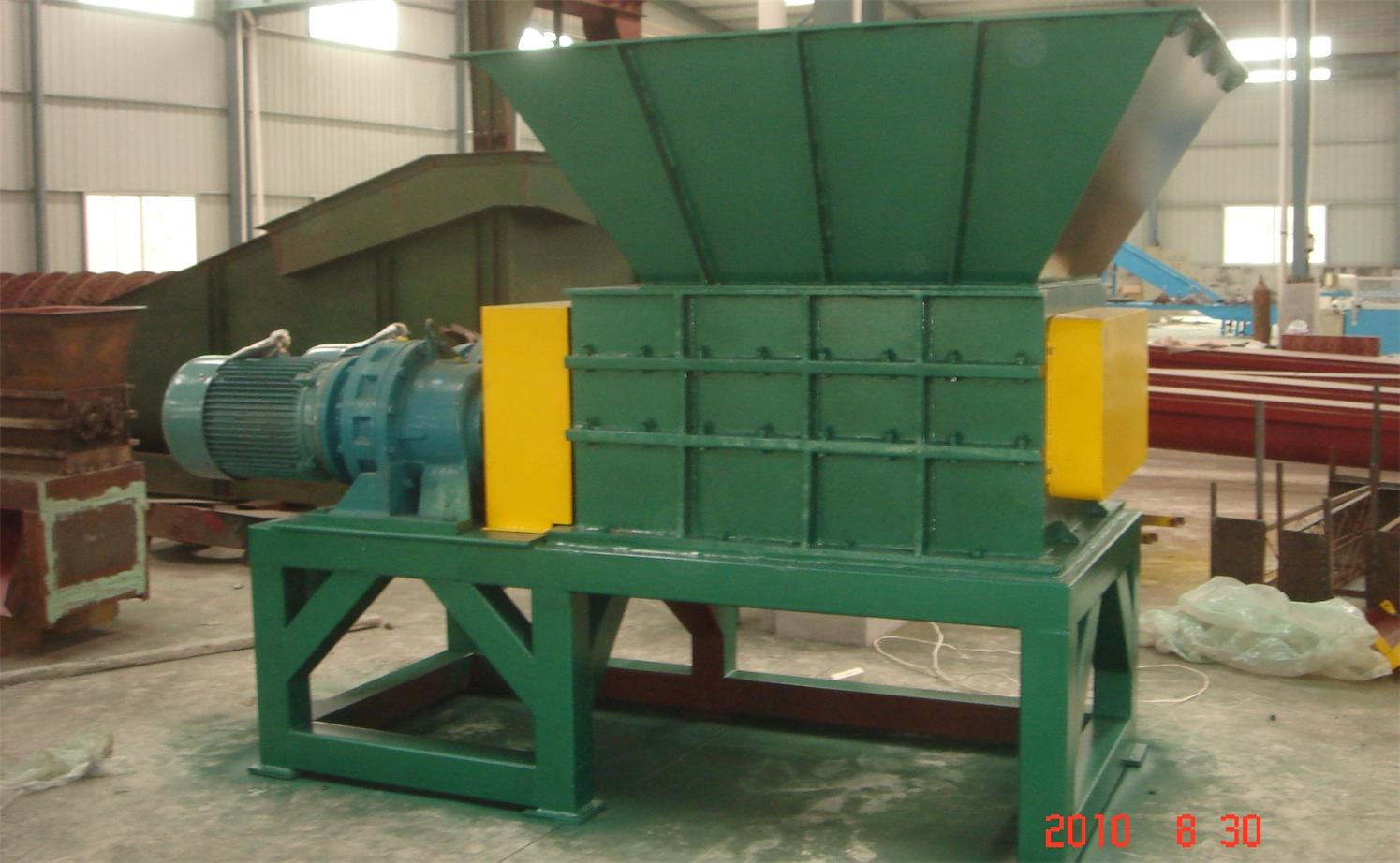
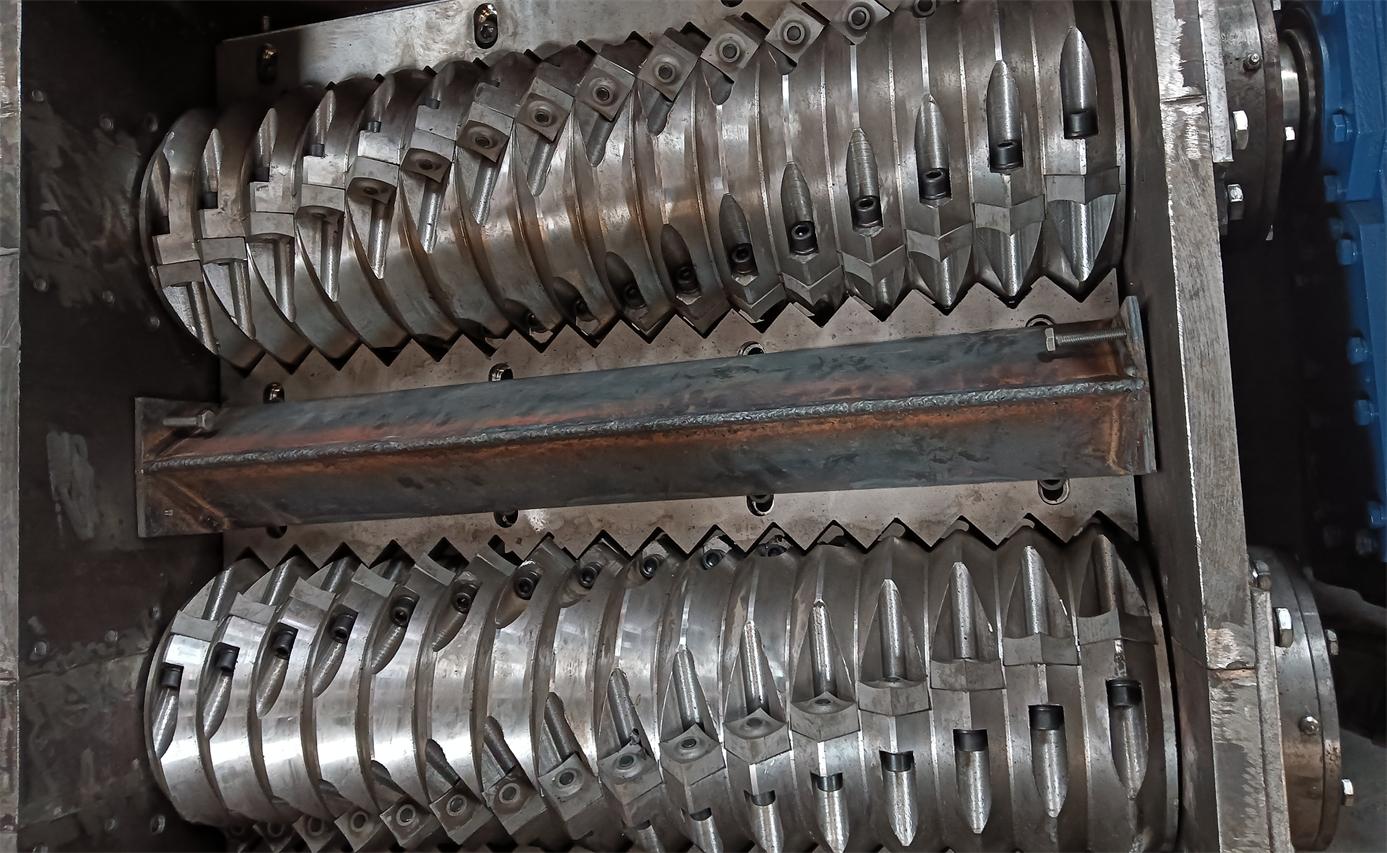
Their flagship system is the PR-2000, a heavy-duty lead acid battery breaking and separation system with a capacity of 2,000 kg per hour. It includes a 4 shaft shredder equipment for breaking down battery casings, followed by a magnetic separator to extract lead grids. What's impressive is its energy efficiency: the system uses variable-speed motors that adjust power usage based on load, cutting electricity costs by up to 30% compared to standard models.
PowerRecycle also offers hydraulic press machines equipment for compacting lead scrap into briquettes, making transport to smelters easier and more cost-effective. For clients concerned about emissions, they provide a medium frequency electricity furnace for lead melting, which operates at lower temperatures than traditional furnaces, reducing energy use and fume production. Their technical team includes metallurgy experts who can advise on optimizing lead purity, a key factor for recyclers selling to battery manufacturers.
6. CleanEarth Madagascar
CleanEarth Madagascar is a manufacturer with a focus on "small but mighty" equipment, perfect for community-based recycling cooperatives and micro-enterprises. Founded by a group of former waste collectors, the company understands the needs of grassroots recyclers: affordability, simplicity, and portability.
Their most popular product is the CE-100, a manual lead battery cutter equipment that requires no electricity—ideal for remote areas without reliable power. Made from reinforced steel, it can cut through battery casings with minimal effort, and its compact design means it can be transported on a motorcycle or pickup truck. For those with access to electricity, they offer the CE-200, a semi-automatic hydraulic cutter equipment that increases output to 100 batteries per day.
CleanEarth also provides auxiliary equipment like hand-cranked separators for lead plates and plastic, and simple water process equipment for neutralizing sulfuric acid using baking soda—readily available in local markets. What truly sets them apart is their "train-the-trainer" program: they teach cooperative leaders how to maintain and repair the equipment, reducing reliance on external technicians. This focus on empowerment has made CleanEarth a favorite among NGOs supporting community development projects.
7. TechMech Trading
TechMech Trading is a wholesaler that prides itself on offering "one-stop shopping" for recyclers, stocking everything from basic tools to turnkey recycling plants. With headquarters in Antananarivo and partnerships with global brands like Germany's Daimler Recycling and Japan's EcoSys, they bring international expertise to Madagascar's market.
Their standout product line is the lead acid battery breaking and separation system from Daimler Recycling, known for its precision and durability. The system includes a single shaft shredder equipment for initial battery size reduction, followed by a hydraulic briquetter equipment to compress lead paste into manageable blocks. TechMech also offers air pollution control system equipment from EcoSys, including high-efficiency particulate air (HEPA) filters and UV oxidation units to eliminate volatile organic compounds (VOCs).
For large-scale clients, TechMech provides project management services, overseeing everything from equipment installation to staff training. They recently completed a major project for a municipal recycling plant in Fianarantsoa, equipping it with a 5-ton-per-day lead-acid battery recycling line that includes effluent treatment machine equipment to ensure wastewater is safe for discharge. Their ability to handle complex projects has earned them a reputation as a reliable partner for government contracts.
8. Madagascar Recycling Innovations (MRI)
MRI is a homegrown manufacturer that combines local ingenuity with global technology. Founded by a team of engineers from the University of Antananarivo, the company focuses on adapting international designs to Madagascar's unique needs—like using locally sourced materials to reduce costs and improve availability of spare parts.
Their flagship innovation is the MRI-3000, a lead acid battery breaking and separation system that uses dry process equipment to eliminate water waste. Instead of traditional water-based separation, it uses air classification and electrostatic separators to separate lead, plastic, and acid residue—a game-changer for arid regions like the south of Madagascar. The system also includes a hydraulic press machines equipment for compacting plastic casings, which can then be sold to local plastic manufacturers for repurposing into products like buckets and pipes.
MRI also offers circuit board recycling equipment as part of their "multi-material" approach, allowing recyclers to process both batteries and e-waste. Their in-house R&D team is currently working on integrating lithium battery recycling equipment into their systems, anticipating the growth of electric vehicles in Madagascar. This forward-thinking approach has made MRI a favorite among investors looking to support innovative green tech.
9. Global Eco Imports
Global Eco Imports is a trader with a focus on premium, high-tech equipment, catering to clients who prioritize efficiency and compliance with international standards. They import exclusively from ISO-certified manufacturers, ensuring their products meet strict safety and environmental benchmarks.
Their top-selling product is the GEI-5000, a fully automated lead acid battery breaking and separation system from Italy's GreenLine Recycling. Capable of processing 5,000 kg of batteries per hour, it features advanced sensors that sort batteries by size and type, optimizing cutting and separation. The system includes air pollution control machines equipment with dual-stage filtration—first a baghouse filter to capture dust, then a catalytic converter to neutralize toxic gases—making it compliant with EU emissions standards, a plus for recyclers exporting lead to international markets.
Global Eco also provides after-sales support that includes regular maintenance contracts and access to an online portal with troubleshooting guides and video tutorials. For large clients, they offer remote monitoring services, where engineers in Italy can diagnose issues via the cloud and provide real-time solutions. While their equipment comes with a higher price tag, clients say the investment pays off in reduced downtime and higher-quality recycled materials.
10. Rural Recycle Solutions
Rural Recycle Solutions (RRS) is dedicated to serving Madagascar's rural communities, where access to recycling equipment is often limited. Operating out of a network of regional hubs, they offer mobile recycling units and (on-site) equipment sales and support.
Their mobile unit is a modified truck equipped with a lead battery cutter equipment , a small hydraulic baler equipment , and auxiliary equipment for basic separation. RRS sends these units to villages and small towns, collecting used batteries and processing them on-site, then transporting the recycled materials to larger smelters. For communities with enough demand, they sell standalone hydraulic cutter equipment and provide training on safe handling practices, including how to use personal protective equipment (PPE) like gloves and goggles.
RRS also partners with local governments to offer subsidized equipment for schools and health clinics, which often use lead-acid batteries for backup power. Their "Green School" program teaches students about battery recycling, turning them into advocates for sustainable waste management in their communities. This focus on education and accessibility has made RRS a key player in Madagascar's efforts to expand recycling beyond urban centers.
Comparing the Top Suppliers: A Quick Overview
| Supplier Name | Key Products | Capacity Range | Eco-Friendly Features | Best For |
|---|---|---|---|---|
| EcoRecycle Madagascar | Lead acid battery breaking and separation system, hydraulic cutter equipment, air pollution control system equipment | 500–2,000 kg/hour | Dust collectors, scrubbers | Mid-sized operations prioritizing compliance |
| GreenTech Solutions | GT-5000 breaking system, lead refinery machine equipment, dry process equipment | 1,000–5,000 kg/hour | Energy-efficient motors, low water usage | Large industrial plants |
| MadRecycle Industries | Lead battery cutter equipment, filter press equipment, hydraulic baler equipment | 200–1,000 kg/hour | Wastewater treatment units | SMEs on a budget |
| CleanEarth Madagascar | Manual/electric hydraulic cutter equipment, auxiliary equipment | 50–200 kg/hour | No electricity required (manual models) | Remote/community recyclers |
| Madagascar Recycling Innovations | Dry process breaking system, hydraulic press machines equipment | 300–3,000 kg/hour | Waterless separation, plastic repurposing | Arid regions, multi-material recycling |
This table highlights just a few of the top suppliers, but each brings unique strengths to the table. Whether you need a fully automated industrial system or a manual cutter for a rural cooperative, there's a supplier in Madagascar ready to meet your needs.
Choosing the Right Supplier for Your Needs
Selecting a lead-acid battery cutter supplier in Madagascar is a decision that requires careful consideration of your operation's size, location, and sustainability goals. Start by assessing your capacity needs: a small cooperative might thrive with CleanEarth's manual cutter, while a municipal plant would benefit from GreenTech's high-capacity system. Next, prioritize eco-friendly features—suppliers like EcoRecycle and MRI offer air pollution control and water-saving technologies that not only keep you compliant with regulations but also protect your community and the environment.
Don't overlook after-sales support, especially if you're based in a remote area. Suppliers like EcoRecycle and MadRecycle offer training and 24/7 technical assistance, ensuring your equipment stays operational. Finally, consider long-term goals: if you plan to expand into lithium battery recycling or e-waste, suppliers like MRI with multi-material capabilities can grow with you.
At the end of the day, the best supplier is one that sees your success as their own—providing not just equipment, but partnership. With the right tools and support, Madagascar's lead-acid battery recycling industry can turn waste into wealth, creating jobs, protecting the environment, and building a more sustainable future for generations to come.