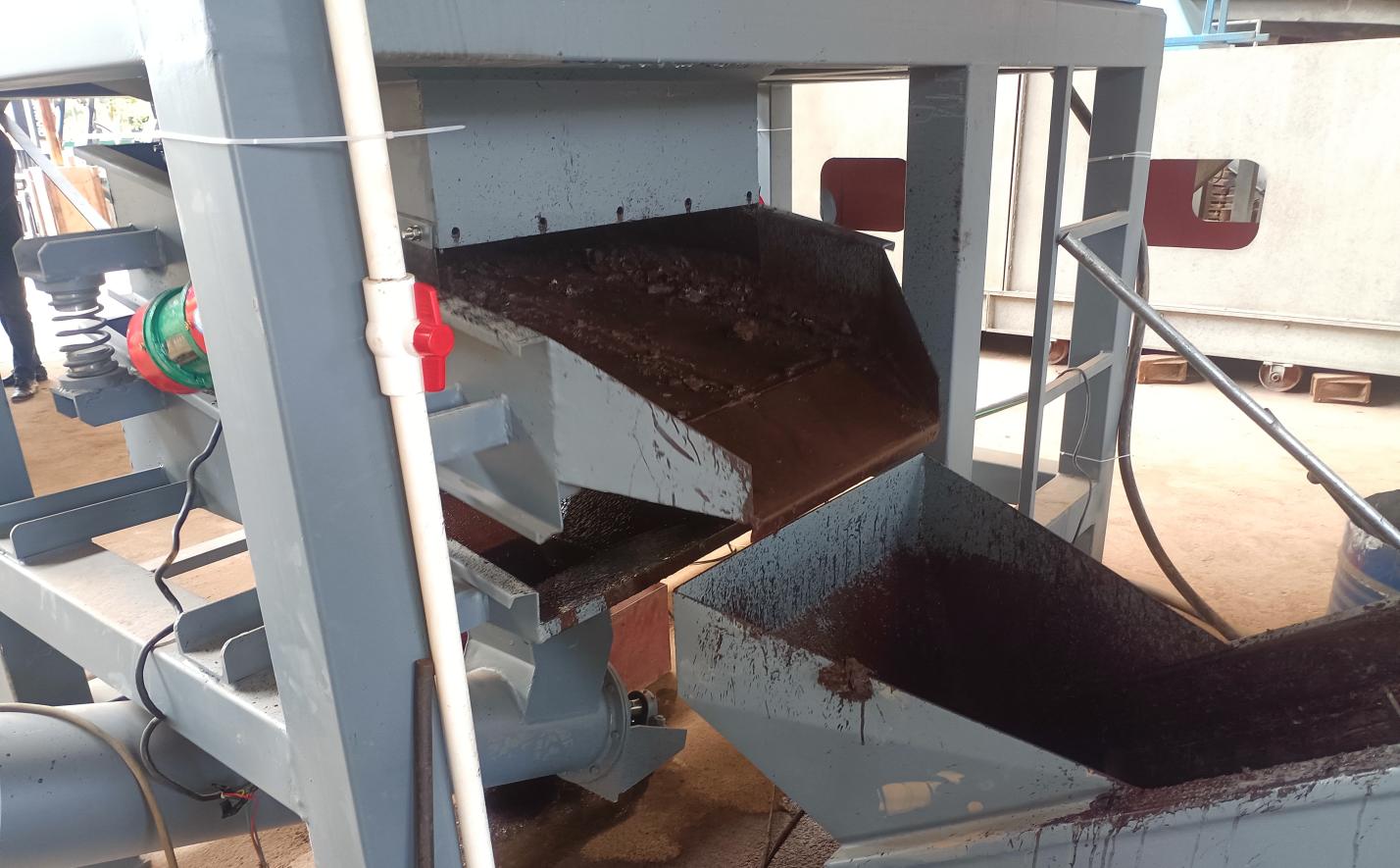
In Algeria, where the sun blazes hot and water is both a lifeline and a limited resource, the need for effective wastewater treatment has never been more critical. As cities like Algiers and Oran expand, and industries from textiles to food processing flourish, the challenge of managing wastewater—once a afterthought—has become a cornerstone of sustainable development. Wastewater isn't just "waste"; it's a potential resource, a protector of public health, and a guardian of the country's precious water reserves. Behind this transformation are the suppliers, manufacturers, and traders who equip Algeria with the tools to turn dirty water into something reusable, safe, and even valuable. Today, we're diving into the top 10 players in this vital field, exploring how their innovations, from advanced water process equipment to compact effluent treatment machines, are shaping Algeria's water future.
Algeria's Wastewater Challenge: Why Reliable Suppliers Matter
Algeria's wastewater story is one of growth and urgency. With a population of over 45 million and urbanization rates climbing, municipal wastewater production has surged—yet only about 60% of urban areas have access to treatment facilities, according to recent reports. Meanwhile, industrial zones, particularly in sectors like chemicals, mining, and manufacturing, discharge effluents loaded with heavy metals, oils, and chemicals that threaten soil and groundwater. In rural areas, small-scale farms and agribusinesses often lack basic treatment, leading to pollution of irrigation channels and rivers that feed communities.
The stakes are high: Algeria's arid climate means every drop counts. Untreated wastewater not only contaminates drinking water sources but also damages farmland, a lifeline for a country where agriculture employs 20% of the workforce. This is where reliable suppliers step in. They don't just sell machines—they provide solutions tailored to Algeria's unique needs: equipment that can handle high temperatures, treat water efficiently with minimal energy, and scale from small villages to industrial hubs. From water process equipment that purifies municipal sewage to effluent treatment machine equipment designed for tight factory spaces, these suppliers are the unsung heroes of Algeria's water resilience.
Meet the Top 10 Suppliers
1. Algérienne des Technologies de l'Eau (ATE)
ATE isn't just a supplier—it's a local success story. Founded in 2005 in Algiers, this Algerian-owned company has grown to become a leader in municipal wastewater solutions, with a focus on making treatment accessible even in remote areas. What sets ATE apart is its commitment to "Algerianizing" technology: they adapt global designs to local conditions, like creating water process equipment that uses solar power to reduce reliance on inconsistent grid electricity. Their flagship product, the "EauPro M100," is a modular wastewater treatment plant that serves communities of 500 to 5,000 people, using a mix of biological treatment and sand filtration. For larger cities, they've partnered with European firms to deliver advanced membrane bioreactors, but their heart remains in empowering small towns. In 2023, they completed a project in Tamanrasset, a desert city, where their compact effluent treatment machine equipment now processes 300 cubic meters of wastewater daily—turning it into water for urban gardening. "We don't just build plants," says CEO Amina Ben Salah, "we build trust. Algerians need solutions that work for their lives, not just on paper."
2. EcoTech Industries Algeria
When it comes to industrial wastewater, EcoTech Industries Algeria is the go-to name. With headquarters in Annaba, a major industrial port, they specialize in taming the toughest effluents—think chemical-laden water from factories or oily wastewater from automotive plants. Their bread and butter? Effluent treatment machine equipment designed for specificity: a brewery in Sidi Bel Abbès uses their "BioClean 500" to break down organic matter, while a battery factory in Constantine relies on their heavy-metal removal systems. What makes EcoTech stand out is their "problem-solver" approach. Instead of pushing one-size-fits-all equipment, they conduct on-site audits to design custom setups. For example, when a textile mill in Setif struggled with dye-contaminated water, EcoTech installed a combination of wet process equipment (to remove suspended solids) and activated carbon filters, cutting the mill's water pollution by 85%. "Industrial clients need results, not jargon," says technical director Karim Djerbi. "We speak their language: 'This machine will let you meet regulations, save on fines, and even reuse water for rinsing.'" Today, they serve over 200 factories across Algeria, with a reputation for after-sales support that keeps machines running smoothly in dusty, high-temperature environments.
3. WaterWorks Global (North Africa Division)
WaterWorks Global needs no introduction in the global water tech scene, and their North Africa division, based in Oran, has become a key player in Algeria's wastewater revolution. With a portfolio that spans from large-scale municipal plants to cutting-edge water process equipment, they bring international expertise with a local touch. Their claim to fame in Algeria? The "AquaCycle" system, a water process equipment line that combines anaerobic digestion (to generate biogas for energy) with membrane filtration, turning wastewater into both reusable water and power. In 2022, they completed a flagship project in Constantine: a 50,000 cubic meter-per-day plant that now supplies treated water to nearby olive groves, reducing the city's freshwater use by 15%. For industrial clients, they offer specialized effluent treatment machine equipment, like the "ChemClear 2000," which uses advanced oxidation to break down hazardous chemicals in pharmaceutical wastewater. What clients appreciate most is their long-term vision—they don't just install equipment; they train local technicians to maintain it. "Algeria's water crisis won't be solved by imported machines alone," says regional manager Hicham Bouchiba. "It will be solved by Algerians trained to run them."
4. Sahara Environmental Systems
If there's one supplier that understands Algeria's desert climate, it's Sahara Environmental Systems. Based in Ouargla, a gateway to the Sahara, this family-run business started in 2010 by selling basic water filters and has since expanded into full-scale wastewater treatment. Their specialty? Low-energy, low-maintenance equipment that thrives in hot, dry conditions. Take their "DesertClean 300," a compact effluent treatment machine designed for small hotels and guesthouses in tourist areas like Ghardaia. It uses natural processes—like constructed wetlands with native plants—to treat water, requiring no electricity and minimal upkeep. For larger operations, their water process equipment includes solar-powered aerators and gravity-fed filtration systems, reducing reliance on diesel generators. What's endearing about Sahara Environmental is their community focus: they often partner with local NGOs to install treatment systems in rural schools, where clean water means fewer absences and healthier students. "In the desert, water is life," says founder Mohamed Khelifi. "We don't just sell equipment—we help people hold onto that life."
5. Industrial Solutions Algeria (ISA)
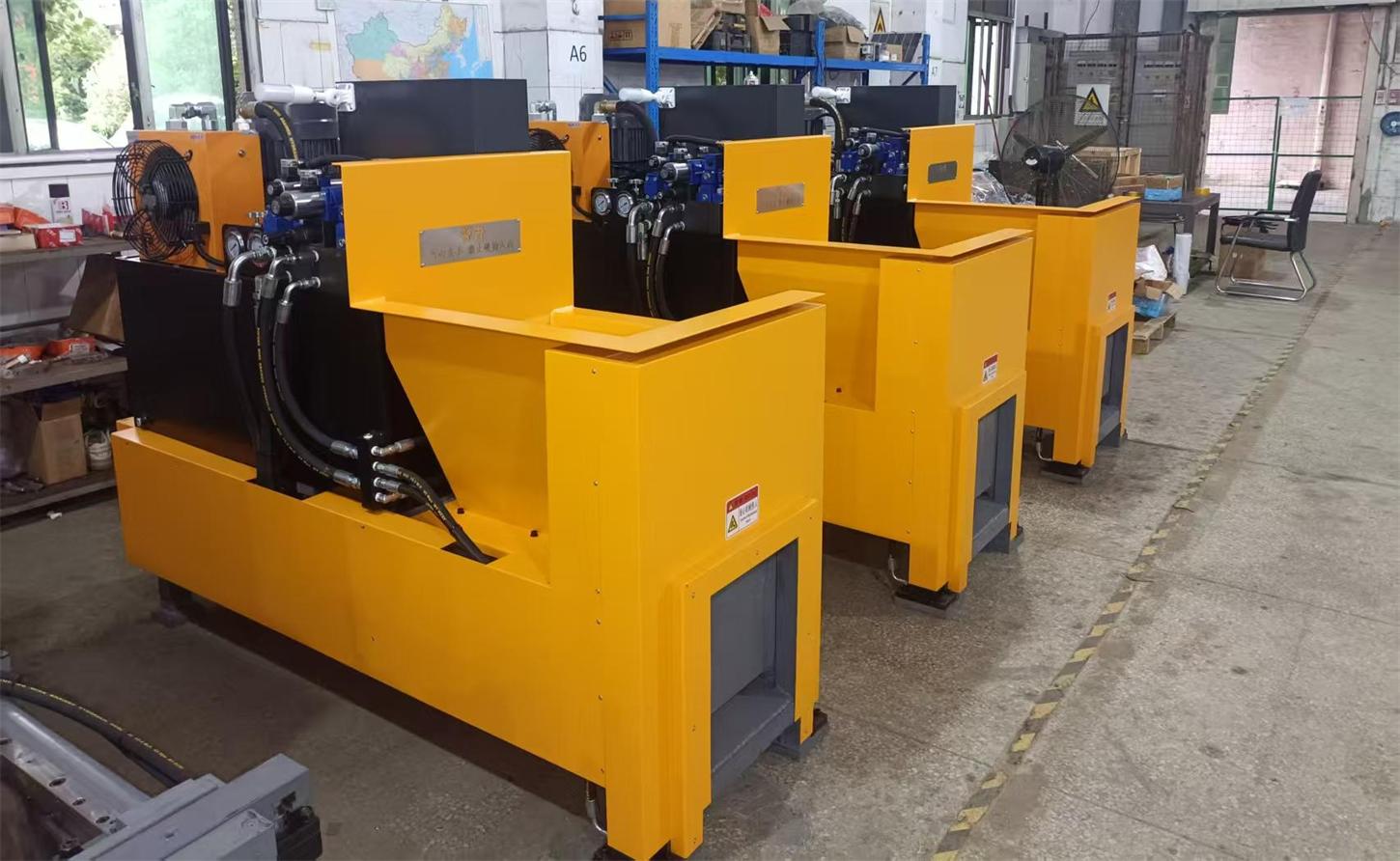
ISA is the heavyweight in industrial wastewater, catering to Algeria's largest factories and mining operations. With offices in Algiers and Oran, they specialize in handling high-volume, high-contamination effluents—think wastewater from iron ore mines in Tiaret or chemical plants in Annaba. Their crown jewel is the "MegaTreat" series, a line of water process equipment that can handle up to 10,000 cubic meters of wastewater daily, using a combination of chemical precipitation, ultrafiltration, and reverse osmosis. For example, a steel mill in Jijel now uses their MegaTreat 5000 to remove heavy metals like lead and zinc, meeting strict government discharge limits for the first time. But ISA doesn't stop at treatment—they also focus on resource recovery. Their "SludgeMaster" hydraulic press machines equipment, for instance, dewaters treatment sludge into dry cakes that can be used as landfill cover or even recycled as construction material. "Wastewater isn't a problem to dispose of," says sales director Fatima Zohra, "it's a resource to manage. Our clients don't just want to comply with regulations—they want to turn costs into opportunities."
6. AquaGreen Trading
AquaGreen Trading is the bridge between global innovation and local affordability. As a wholesaler based in Algiers, they import high-quality equipment from Europe and Asia, then adapt it for Algerian markets—often adding features like dust-resistant controls or corrosion-proof materials. Their catalog includes everything from small effluent treatment machine equipment for family farms to large-scale water process equipment for cities. What makes them a favorite among small and medium enterprises (SMEs) is their "pay-as-you-grow" model: businesses can start with a basic treatment unit and upgrade components as they expand. For example, a olive oil mill in Sidi Aïch might start with a 50 cubic meter-per-day system and later add a UV disinfection module to reuse water for cleaning. AquaGreen also prides itself on fast delivery—critical in a country where supply chain delays can stall projects for months. "SMEs are the backbone of Algeria's economy," says founder Ali Benamar, "but they often can't afford to wait for custom solutions. We give them reliable, ready-to-use equipment that grows with them."
7. GreenWave Technologies
GreenWave is the innovator, bringing cutting-edge, sustainable tech to Algeria's wastewater scene. Founded in 2015 by a team of Algerian engineers returned from Europe, they specialize in low-carbon treatment solutions, with a focus on renewable energy integration. Their "SolarTreat" system, for example, uses solar panels to power aeration and pumping, making it ideal for off-grid communities. In 2023, they installed a SolarTreat unit in a village outside Tlemcen, where it now treats 200 cubic meters of wastewater daily—using 100% solar energy—and irrigates a community vegetable garden. For urban areas, their "EcoCycle" water process equipment combines anaerobic digestion (to produce biogas for cooking) with vertical constructed wetlands, turning wastewater treatment into a community resource. GreenWave also leads in research, partnering with the University of Algiers to test new materials for filters, like locally sourced date palm fibers, to reduce costs. "We believe wastewater treatment should be part of the solution to climate change, not just a response to pollution," says lead engineer Noureddine Boudiaf.
8. North African Water Systems (NAWS)
NAWS is the regional expert, with a footprint across Algeria, Tunisia, and Morocco. What makes them stand out in Algeria is their deep understanding of cross-border water issues—like the shared basins of the Chelif River, which flows through Algeria and Morocco. They specialize in integrated water process equipment that connects treatment plants to irrigation networks, ensuring treated water is put to good use. For example, their "RiverGuard" system, installed along the Chelif, treats municipal and industrial wastewater before it enters the river, improving water quality for downstream farmers in both countries. NAWS also excels in turnkey projects: they handle everything from design to installation to staff training, making them a favorite for government contracts. In 2024, they won a bid to upgrade 10 wastewater plants in the Médéa province, equipping them with smart sensors that monitor water quality in real time. "Water doesn't respect borders," says project manager Karim Ould Ahmed, "and neither do our solutions. We build systems that work for ecosystems, not just political boundaries."
9. CleanFlow Algeria
CleanFlow is the problem-solver for niche industries, tackling wastewater challenges that other suppliers shy away from. From hospitals in Algiers to wineries in Mascara, they design custom effluent treatment machine equipment for specialized waste streams. For healthcare facilities, their "MediClean" system uses ozone disinfection to kill pathogens like bacteria and viruses, ensuring safe discharge. For wineries, their "VinoTreat" equipment removes tartrates and yeast, turning wastewater into water for vineyard irrigation. What's unique about CleanFlow is their agility—they can design and install a custom system in as little as 8 weeks, critical for businesses facing sudden regulatory changes. "Niche industries often feel overlooked," says founder Leila Bennani, "but their wastewater problems are just as urgent. We don't say 'no'—we say 'let's figure this out together.'" A recent project in a pharmaceutical plant in Constantine, for example, required treating wastewater with high concentrations of antibiotics; CleanFlow developed a specialized activated carbon filter that now removes 99% of the drugs, protecting local groundwater.
10. Global Water Solutions (GWS) Algeria
GWS Algeria rounds out our list as the global giant with a local heart. Part of the multinational GWS Group, they bring decades of experience to Algeria's wastewater sector, offering everything from mega-scale municipal plants to compact effluent treatment machine equipment for SMEs. Their claim to fame in Algeria is the "SmartTreat" platform, a digital water process equipment system that uses AI to optimize treatment in real time—adjusting chemical dosages or aeration levels based on incoming wastewater quality. In Oran, their SmartTreat plant now saves 30% on energy costs compared to traditional systems, a game-changer in a country where electricity prices are rising. GWS also invests heavily in training, running annual workshops for Algerian engineers on the latest treatment technologies. "Our goal isn't just to sell equipment," says country director Rachid Madani, "it's to build a generation of Algerian water experts. The future of this country's water security depends on it."
Building Algeria's Water Future, One Treatment Plant at a Time
Algeria's wastewater treatment journey is still unfolding, but these 10 suppliers are leading the charge—turning challenges into opportunities, and waste into resource. From the deserts of the Sahara to the industrial hubs of the north, their equipment isn't just metal and pipes; it's a lifeline for communities, a protector of ecosystems, and a bridge to a more sustainable future. As Algeria continues to grow, the need for innovative, reliable wastewater solutions will only deepen. And with suppliers like these—local and global, large and small, practical and visionary—Algeria is well on its way to turning wastewater into a story of resilience, not scarcity. After all, in a country where water is precious, every drop saved is a drop earned.