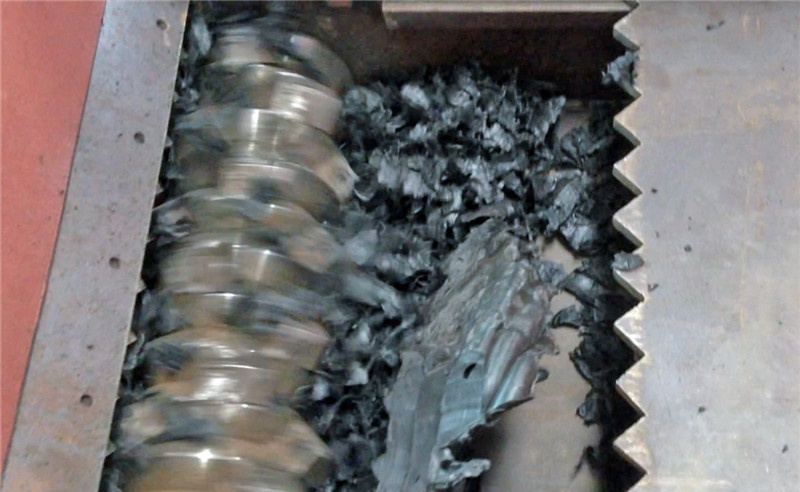
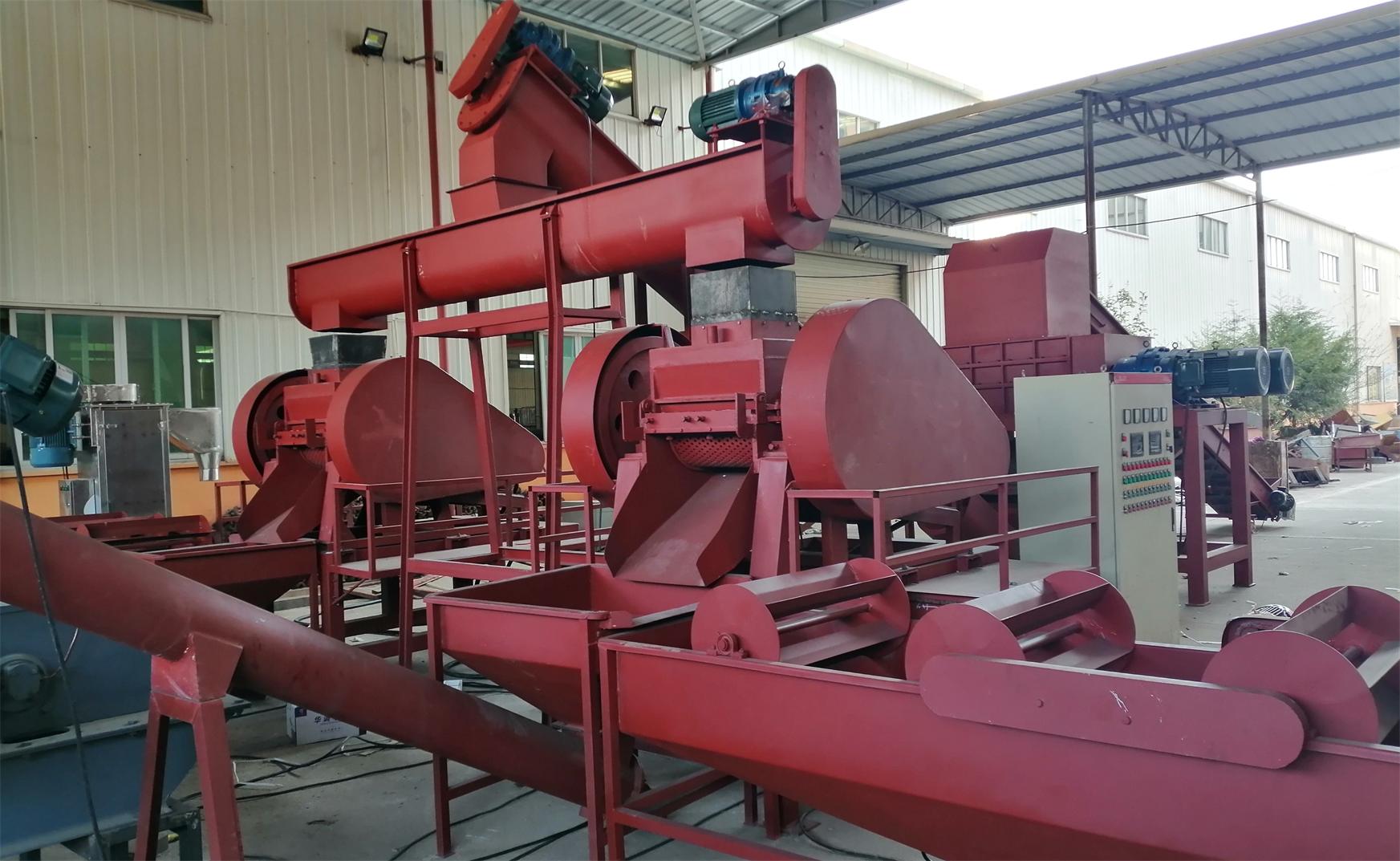
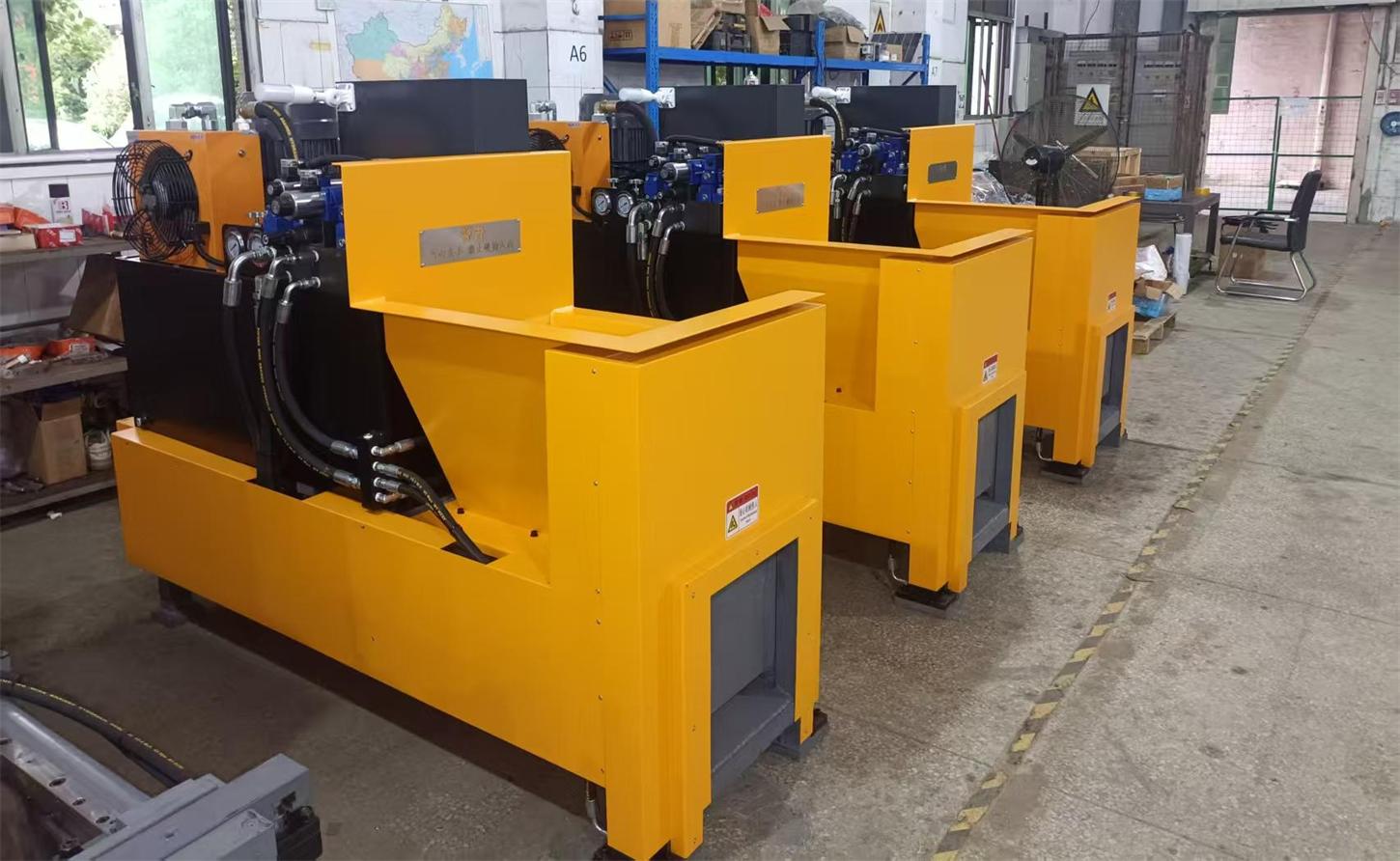
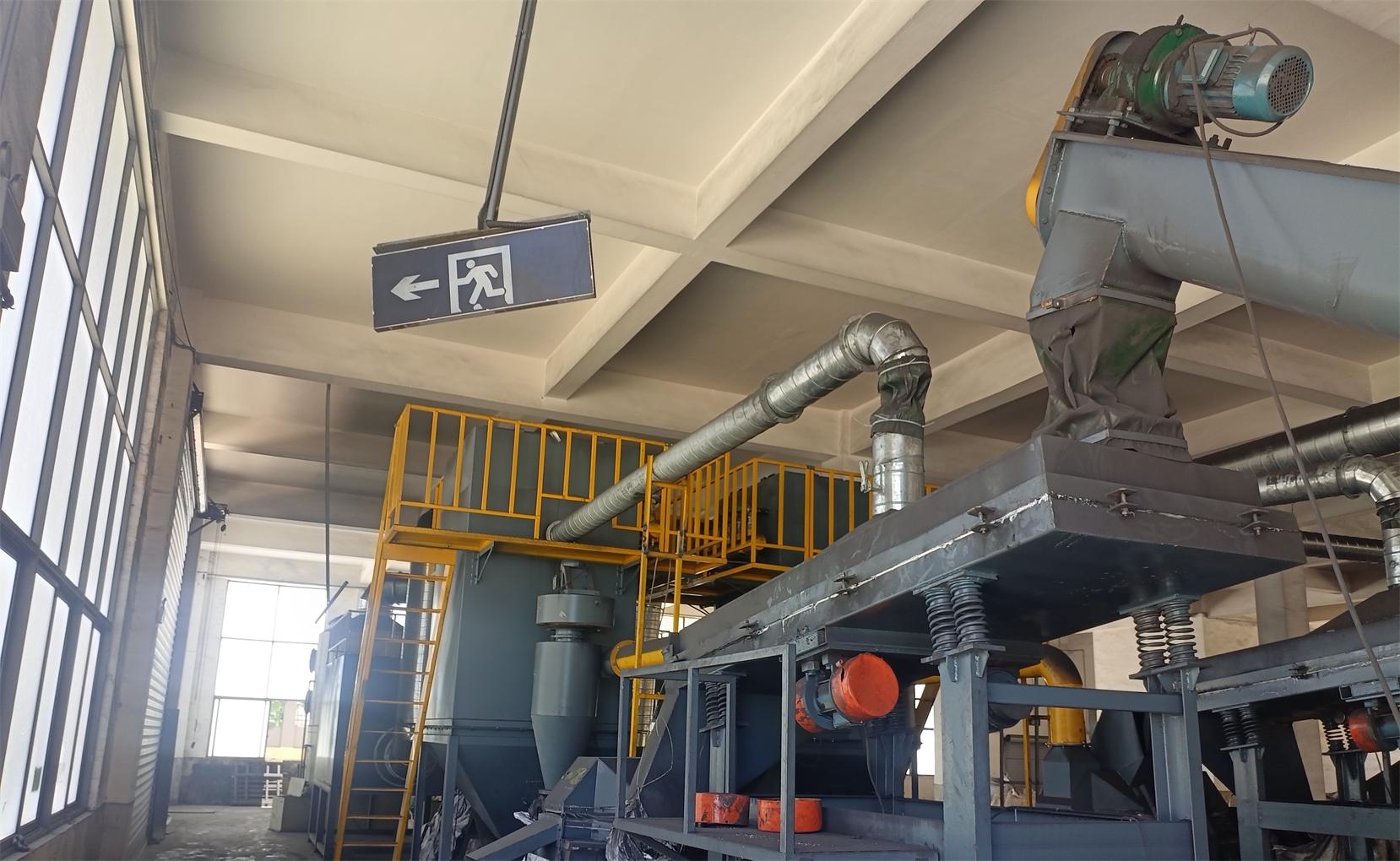
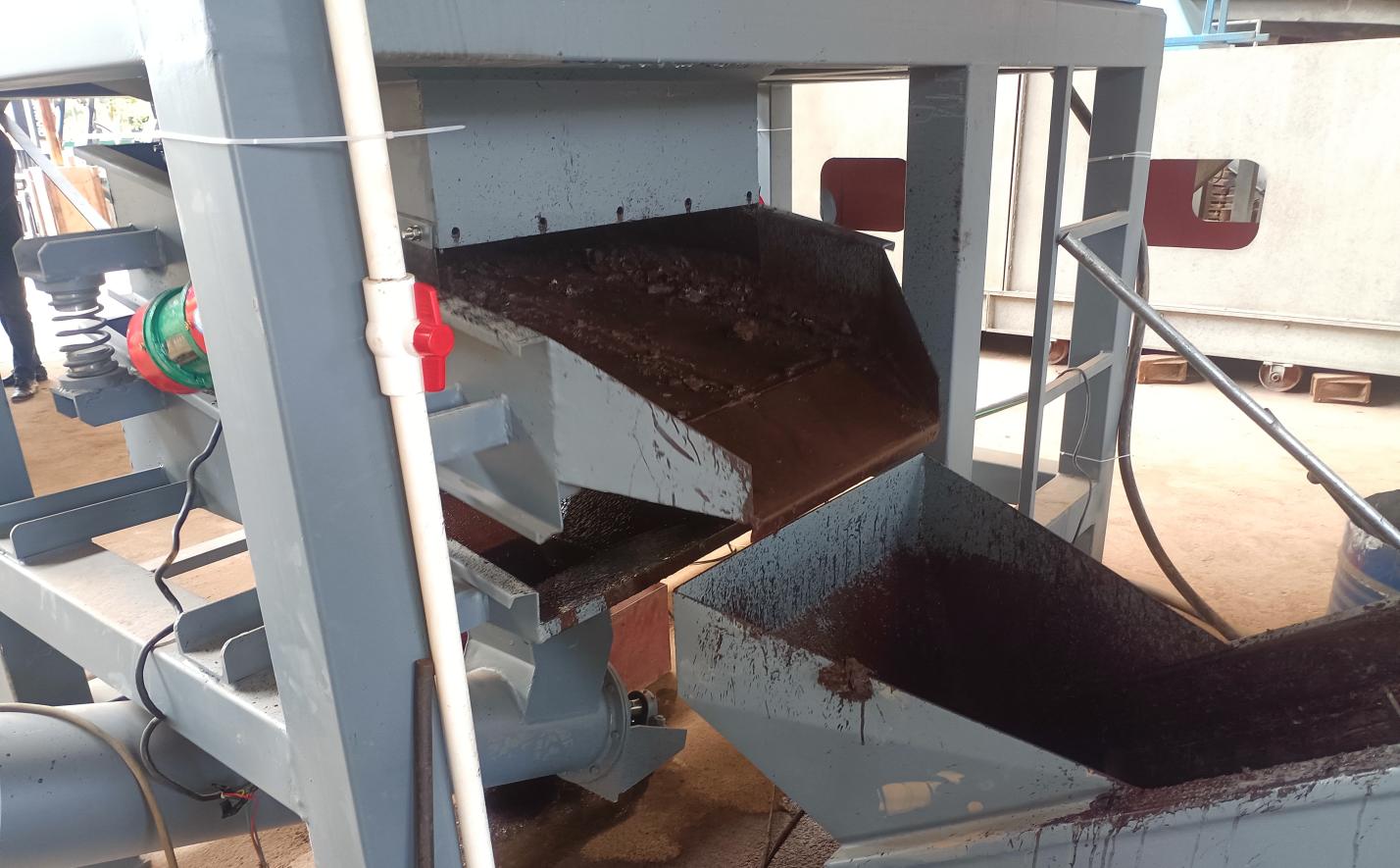
In the heart of East Africa, Rwanda is blooming—a nation where progress and sustainability walk hand in hand. As cities grow, industries expand, and communities thrive, one challenge stands out: managing wastewater. From agricultural run-off to industrial discharge, untreated water threatens not just the environment, but the health of millions who depend on clean rivers and groundwater. That's where the unsung heroes come in: the suppliers, manufacturers, and traders dedicated to building robust wastewater treatment solutions.
Today, we're shining a light on the top 10 players in Rwanda's wastewater treatment scene. These aren't just companies selling machines—they're partners in Rwanda's green future. Whether it's a small-scale farm needing simple effluent treatment or a large factory requiring advanced water process equipment, these suppliers bring innovation, reliability, and a deep understanding of local needs. Let's dive in and meet the teams turning wastewater into a resource, one treatment plant at a time.
1. EcoTech Solutions Rwanda
When it comes to balancing affordability with efficiency, EcoTech Solutions Rwanda leads the pack. Founded in 2015, this local manufacturer has made a name for itself by focusing on water process equipment tailored to Rwanda's small and medium enterprises (SMEs). What sets them apart? Their ability to combine wet process equipment (ideal for high-moisture waste from food processing or breweries) with compact designs that fit tight industrial spaces.
Take, for example, their work with a coffee processing plant in Kigali. The plant was struggling with acidic wastewater that was harming nearby streams. EcoTech installed a custom effluent treatment machine that neutralizes pH levels and removes solids, cutting pollution by 60% in three months. "We don't just sell equipment—we solve problems," says Jean Nkusi, EcoTech's lead engineer. "Our clients aren't just customers; they're part of our mission to keep Rwanda's water clean."
2. GreenWorks Engineering Ltd.
For industries that prefer low-water, energy-efficient solutions, GreenWorks Engineering is the go-to. Specializing in dry process equipment , this Kigali-based wholesaler partners with European manufacturers to bring cutting-edge technology to Rwanda. Their dry process systems use filtration and evaporation instead of large water inputs, making them perfect for regions with limited water resources—like Rwanda's eastern provinces.
One of their standout products is a modular dry separator that works seamlessly with their effluent treatment machine equipment . A textile factory in Musanze recently adopted this setup, reducing water usage by 40% while meeting strict government discharge standards. "Dry process doesn't mean cutting corners," explains Sarah Uwimana, GreenWorks' sales director. "It means smarter engineering. We're helping Rwandan businesses save money and the planet at the same time."
3. Rwanda WaterTech Innovators
Innovation is the name of the game for Rwanda WaterTech Innovators. This homegrown manufacturer doesn't just import equipment—they design it. Their team of Rwandan engineers has developed hybrid systems that blend wet process equipment (for heavy-duty waste) with dry process equipment (for final polishing), creating all-in-one solutions for large-scale operations like mining or dairy processing.
Last year, they partnered with a dairy cooperative in Huye, installing a system that treats 5,000 liters of wastewater daily. The process uses bacteria to break down milk solids (wet process) and a dry heat exchanger to evaporate remaining moisture, leaving behind nutrient-rich solids that the cooperative now sells as fertilizer. "We believe in the circular economy," says CEO David Mugisha. "Wastewater isn't waste—it's a resource waiting to be unlocked."
4. AquaPure Rwanda
AquaPure Rwanda has carved a niche in municipal wastewater treatment, working closely with local governments to upgrade aging facilities. Their expertise lies in scalable water process equipment that can grow with a city's population. For instance, in Rubavu, a border town seeing rapid urbanization, AquaPure installed a modular treatment plant that started with a capacity of 10,000 cubic meters per day and can expand to 30,000 as the town grows.
What makes them reliable? Their after-sales service. "We don't walk away once the plant is built," says operations manager Amina Niyonsaba. "We train local technicians, provide spare parts, and check in monthly. In Rwanda, trust is everything—and we earn it by being there." Their systems often include effluent treatment machines that meet Rwanda's strict environmental standards, ensuring treated water is safe to release back into rivers or reuse for irrigation.
5. CleanFlow Trading Co.
As a trader, CleanFlow connects Rwandan businesses with global manufacturers, curating a portfolio of top-tier equipment. They specialize in hard-to-find components for effluent treatment machines and wet process equipment , making them a lifeline for repair shops and small-scale operators. "Many of our clients are rural farmers or family-owned businesses," says founder Paul Kagame (no relation to the president). "They can't afford to import directly, so we bring the world to their doorstep—at prices they can manage."
Recently, CleanFlow sourced a compact dry process equipment unit from India for a tea plantation in Gicumbi. The unit, which removes pesticides from wash water, has helped the plantation meet EU export standards, doubling their tea sales. "It's not just about selling parts," Kagame adds. "It's about opening doors for Rwandan businesses to compete globally."
6. Sustainable Water Solutions (SWS)
SWS is all about community-driven projects. This NGO-backed supplier focuses on decentralized wastewater treatment, working with villages and schools to install small-scale systems. Their signature product? A low-cost effluent treatment machine that uses natural filtration (sand, gravel, and plants) to treat household wastewater. "In rural areas, infrastructure is limited," says SWS project coordinator Grace Umutoni. "Our systems are easy to build, maintain, and affordable—often costing less than $500 per village."
In Rwamagana, SWS installed 20 such systems in a refugee camp, reducing waterborne diseases by 45% in six months. "We train the community to run the systems themselves," Umutoni explains. "That way, when we leave, the solution stays. It's sustainability from the ground up."
7. Industrial Water Pros
For heavy industries like mining and construction, Industrial Water Pros delivers brute-force solutions. Their wet process equipment is built to handle high-solids wastewater, from concrete washout to mineral-rich mine drainage. One of their most popular systems is a multi-stage clarifier that separates solids using gravity and chemicals, followed by a filtration unit that polishes the water for reuse.
A mining company in Karongi recently turned to Industrial Water Pros when their old treatment plant failed, leading to fines. The new system not only brought them into compliance but also reduced water costs by reusing 80% of treated water in their operations. "Industries shouldn't have to choose between profit and the environment," says sales rep Moses Turatsinze. "We make sure they can have both."
8. BlueWave Manufacturing Rwanda
BlueWave is Rwanda's only manufacturer of effluent treatment machine equipment designed specifically for the agricultural sector. From dairy farms to vegetable processing, their systems tackle organic waste with bacteria-based treatment, turning manure and wash water into biogas and fertilizer. "Farmers are the backbone of Rwanda," says BlueWave's founder, Marie Mukantabana. "We wanted to create something that helps them thrive while protecting the land."
Take their work with a potato processing plant in Butare. The plant was dumping starchy wastewater into a river, causing algal blooms. BlueWave installed a bioreactor that breaks down the starch, producing methane gas the plant now uses for cooking fuel. "The gas alone saves them $200 a month," Mukantabana notes. "And the leftover sludge? It's the best fertilizer their fields have ever seen."
9. Global WaterTech Rwanda
As a branch of a Turkish manufacturing giant, Global WaterTech brings international expertise to Rwanda's shores. They specialize in turnkey projects, handling everything from design to installation of large-scale water process equipment . Their portfolio includes the wastewater treatment plant for Kigali's Special Economic Zone, which serves over 50 factories with a mix of wet and dry process equipment .
What makes them stand out? Their focus on smart technology. "Our plants are monitored 24/7 via sensors," explains project manager Ali Demir. "If something goes wrong, we get an alert instantly—often before the client notices. In Rwanda, where downtime is costly, that peace of mind is priceless." They also train local engineers, ensuring knowledge stays in the country long after the project ends.
10. Rural Water Solutions (RWS)
Last but never least, RWS is dedicated to rural communities, where access to clean water is often a daily struggle. They specialize in simple, low-maintenance effluent treatment machines that use natural processes like constructed wetlands and sand filters. For a village in Nyagatare, RWS built a wetland system that treats wastewater from 300 households, with plants like reeds and cattails acting as natural filters.
"These systems don't need electricity or chemicals," says RWS field officer Emmanuel Nsengimana. "The villagers tend the wetlands like a garden, and in return, they get clean water for their cows and crops. It's nature's own solution." RWS also partners with local governments to subsidize costs, making these systems accessible to even the poorest communities.
| Supplier Name | Key Equipment Focus | Target Sector | Technology Type | Notable Impact |
|---|---|---|---|---|
| EcoTech Solutions Rwanda | Water process equipment, wet process equipment, effluent treatment machines | SMEs (food processing, breweries) | Wet process | 60% pollution reduction for Kigali coffee plant |
| GreenWorks Engineering Ltd. | Dry process equipment, effluent treatment machine equipment | Textiles, agriculture | Dry process | 40% water usage reduction for Musanze textile factory |
| Rwanda WaterTech Innovators | Hybrid wet/dry process equipment, effluent treatment machines | Mining, dairy | Wet + Dry | Nutrient-rich fertilizer production for Huye dairy cooperative |
| AquaPure Rwanda | Scalable water process equipment, effluent treatment machines | Municipal (cities, towns) | Wet process | Modular plant for Rubavu (10,000–30,000 m³/day capacity) |
| CleanFlow Trading Co. | Effluent treatment machine parts, dry/wet process equipment | Rural farmers, repair shops | Both | EU export compliance for Gicumbi tea plantation |
| Sustainable Water Solutions | Natural filtration effluent treatment machines | Rural villages, schools | Low-tech wet process | 45% reduction in waterborne diseases in Rwamagana refugee camp |
| Industrial Water Pros | Heavy-duty wet process equipment (clarifiers, filters) | Mining, construction | Wet process | 80% water reuse for Karongi mining company |
| BlueWave Manufacturing Rwanda | Agricultural effluent treatment machines (bioreactors) | Dairy, vegetable processing | Wet process (biological) | Biogas production for Butare potato plant ($200/month savings) |
| Global WaterTech Rwanda | Turnkey water process equipment (large-scale) | Industrial zones | Wet + Dry | Kigali Special Economic Zone plant (serves 50+ factories) |
| Rural Water Solutions | Natural wetland systems, low-maintenance effluent treatment | Rural communities | Natural wet process | Clean water for 300 households in Nyagatare village |
Choosing the right wastewater treatment supplier isn't just a business decision—it's a commitment to Rwanda's future. Whether you're a small farmer in Gicumbi or a factory owner in Kigali, the suppliers on this list bring more than equipment; they bring expertise, local knowledge, and a passion for sustainability. From wet process equipment that handles thick industrial waste to dry process systems that save water, these companies are proof that progress and planet can thrive together.
As Rwanda continues to grow, one thing is clear: clean water isn't a luxury—it's a foundation. And with these suppliers leading the way, that foundation has never been stronger. Here's to a future where every drop of water is treated with care, and every Rwandan can enjoy the benefits of a healthy, thriving environment.