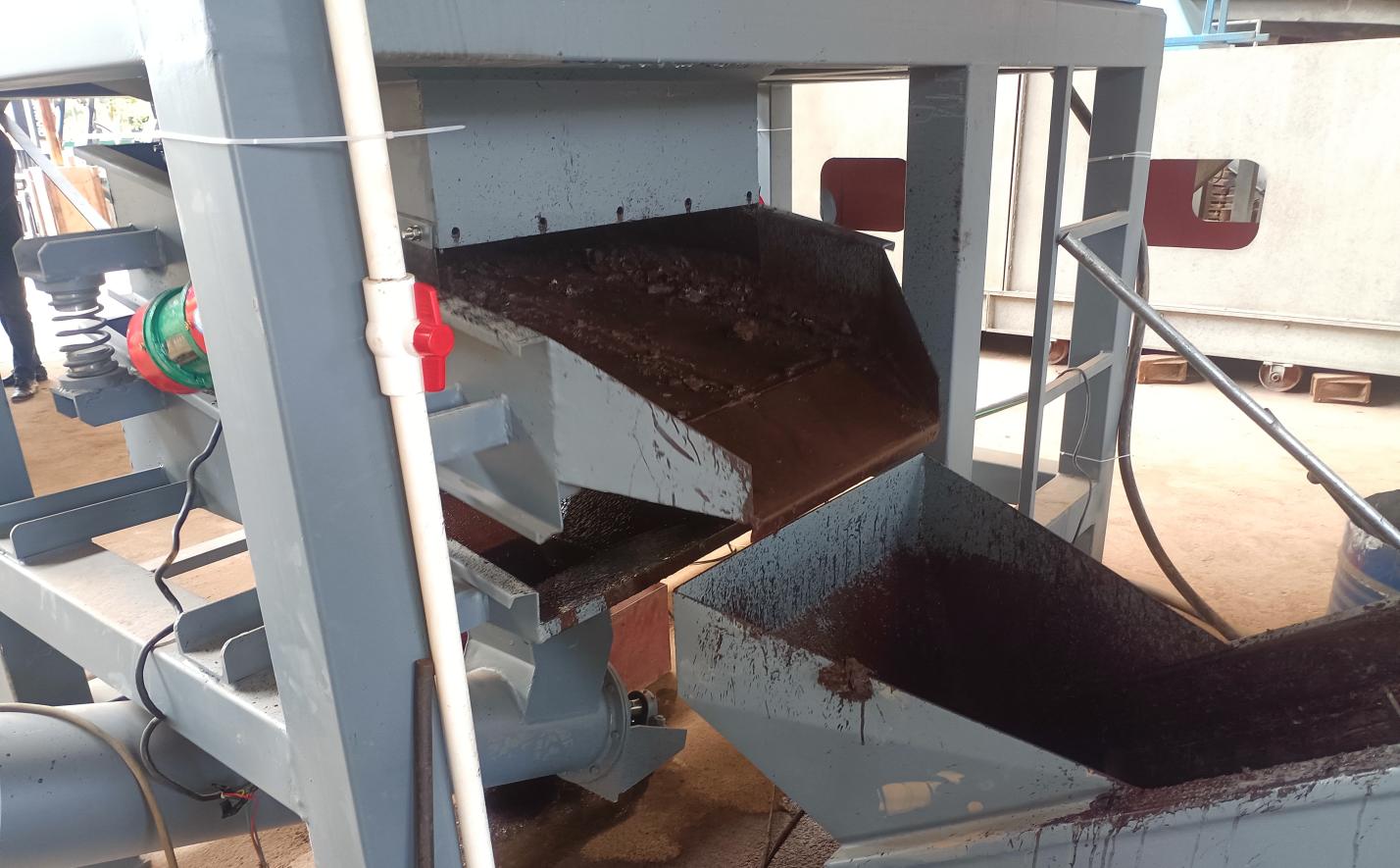
In Tanzania, where water is both a lifeline and a growing challenge, the need for reliable wastewater treatment solutions has never been more critical. As industries expand, urban populations rise, and agricultural activities intensify, the demand for systems that can effectively treat and reuse water has surged. Wastewater treatment isn't just about compliance—it's about protecting public health, preserving precious water sources like Lake Victoria and the Rufiji River, and ensuring sustainable growth for communities and businesses alike. Behind every functional treatment plant, there's a supplier dedicated to turning technology into tangible impact. Today, we're highlighting 10 standout names in Tanzania's wastewater treatment landscape—suppliers, manufacturers, and traders who aren't just selling equipment, but partnering in progress. From cutting-edge water process equipment to community-focused wet process solutions, these players are shaping a cleaner, more water-secure future for the country.
1. Tanzania EcoWater Solutions
For over two decades, Tanzania EcoWater Solutions has been a cornerstone of the country's water treatment industry, earning a reputation as a trusted partner for both public and private sectors. Based in Dar es Salaam with regional offices in Arusha and Mwanza, this homegrown company prides itself on understanding the unique needs of Tanzanian clients—whether it's a small-scale community project or a large industrial facility. What sets EcoWater apart is its commitment to offering end-to-end solutions, from initial consultation and design to installation, training, and ongoing maintenance. Their portfolio includes a wide range of wastewater treatment machine equipment, including compact clarifiers, aerobic digesters, and advanced filtration systems, all tailored to local conditions like variable water quality and limited energy access.
One of their standout offerings is their modular water process equipment, which allows clients to scale their treatment capacity as needs grow—ideal for rapidly expanding towns or emerging industries. "We don't just sell machines; we build relationships," says Managing Director Amina Juma. "Many of our first clients from 20 years ago are still with us, upgrading their systems as their businesses expand." EcoWater also places a strong emphasis on sustainability, incorporating energy-efficient components and promoting water reuse for agricultural or non-potable purposes. In 2023, they partnered with the Ministry of Water to install wastewater treatment systems in five rural health centers, ensuring clean water access for over 15,000 people. For businesses seeking reliability and local expertise, Tanzania EcoWater Solutions remains a top choice.
2. GreenFlow Engineering Tanzania
GreenFlow Engineering Tanzania has made a name for itself by merging international technology with a deep understanding of East African challenges. Founded in 2010 as a subsidiary of the Dutch firm GreenFlow International, this supplier specializes in innovative wet process equipment designed to handle high-strength industrial wastewater—think breweries, textile factories, and food processing plants. Their signature system, the BioFlow 3000, uses a combination of anaerobic digestion and membrane filtration to achieve up to 95% pollutant removal, even in regions with inconsistent power supply. What truly distinguishes GreenFlow is their focus on circular economy principles: many of their treatment systems are designed to recover valuable byproducts, such as biogas from organic waste or reusable heat from treatment processes.
"In Tanzania, industries often see wastewater treatment as a cost, not an investment," explains Technical Director Pieter van der Meer. "Our goal is to change that by showing how treatment can generate value—whether through energy savings, reduced water bills, or compliance with increasingly strict environmental regulations." GreenFlow's team of engineers works closely with clients to conduct on-site wastewater audits, ensuring that each system is optimized for the specific contaminants in their effluent. They also offer comprehensive training programs, equipping local staff with the skills to operate and maintain the equipment independently. Recent projects include a state-of-the-art wet process equipment installation at a major textile mill in Morogoro, which reduced water pollution by 80% and cut the mill's water intake by 30% through reuse. For businesses prioritizing both performance and sustainability, GreenFlow Engineering Tanzania delivers solutions that go beyond compliance.
3. AquaTanzania Industries
AquaTanzania Industries has carved a niche in the market by focusing on affordability and accessibility, making wastewater treatment viable for small and medium-sized enterprises (SMEs) and rural communities. Based in Dodoma, this family-owned business started in 2005 by importing basic filtration units but has since expanded to manufacturing its own line of compact treatment systems. Their most popular product, the AquaMini, is a plug-and-play wastewater treatment machine equipment designed for businesses like hotels, schools, and small factories, with capacities ranging from 5,000 to 50,000 liters per day. Priced significantly lower than imported alternatives, the AquaMini uses a simple yet effective wet process equipment approach, combining sedimentation, biological treatment, and disinfection to produce water safe for irrigation or discharge.
"We saw a gap in the market for solutions that small businesses could actually afford," says Founder and CEO Juma Mwinyi. "Many SMEs want to do the right thing for the environment, but they can't justify spending millions on treatment. The AquaMini changes that." AquaTanzania also offers flexible payment plans and after-sales support, including spare parts availability within 48 hours in most regions. In 2022, they launched a "Clean Water for Communities" initiative, providing subsidized treatment systems to 20 rural schools in the Kilimanjaro region. The program not only improved sanitation but also taught students about water conservation, creating a new generation of environmental stewards. For clients seeking cost-effective, locally supported wastewater treatment, AquaTanzania Industries proves that quality doesn't have to come with a prohibitive price tag.
4. Dar es Salaam WaterTech Innovations
When it comes to cutting-edge technology, Dar es Salaam WaterTech Innovations leads the pack. This supplier, established in 2015, specializes in dry process equipment and smart wastewater treatment solutions, leveraging automation and IoT to deliver efficiency and reliability. Their flagship product, the DrySorb 5000, is a low-water, high-performance treatment system that uses adsorption and thermal oxidation to treat industrial wastewater with minimal liquid discharge—a game-changer for water-scarce regions like Dodoma or Singida. The system can be monitored and adjusted remotely via a mobile app, allowing operators to track performance metrics like pollutant levels and energy usage in real time.
"Tanzania's water challenges require forward-thinking solutions," says Chief Innovation Officer James Kinyua. "Dry process equipment reduces reliance on freshwater, which is crucial in areas where every drop counts." WaterTech also partners with local universities to (research and develop) context-specific solutions, such as a solar-powered version of the DrySorb 5000 for off-grid communities. In 2024, they completed a project for a gold mine in Geita, where their dry process system reduced water consumption by 70% and eliminated the need for chemical flocculants, lowering operational costs by $120,000 annually. Beyond equipment, WaterTech offers data-driven consulting services, helping clients optimize their water usage and treatment processes for maximum efficiency. For businesses and communities looking to embrace the future of wastewater treatment, Dar es Salaam WaterTech Innovations is at the forefront of innovation.
5. African Clean Water Systems (ACWS)
African Clean Water Systems (ACWS) takes a holistic approach to water management, offering not just wastewater treatment machine equipment but also integrated air pollution control system equipment and water process equipment. With headquarters in Nairobi and a large Tanzania office in Mbeya, ACWS serves clients across East Africa, with a focus on heavy industries like mining, cement production, and manufacturing. Their turnkey solutions are designed to address the full environmental impact of industrial operations, ensuring compliance with both local regulations and international standards.
"Many industries focus solely on water treatment, but air and water pollution often go hand in hand," notes Regional Manager Grace Omondi. "Our integrated systems ensure that clients aren't just moving pollution from one medium to another—they're solving it at the source." ACWS's wastewater treatment offerings include high-capacity clarifiers, dissolved air flotation units, and advanced oxidation processes, while their air pollution control system equipment ranges from bag filters to scrubbers. A recent highlight was their work with a cement plant in Tanga, where they installed a combined wastewater treatment and air pollution control system that reduced particulate emissions by 90% and treated over 500,000 liters of wastewater daily for reuse in dust suppression. ACWS also places a strong emphasis on training, offering certified courses for operators to ensure long-term system performance. For industries with complex environmental needs, African Clean Water Systems provides the expertise and integrated solutions to navigate challenges with confidence.
6. BlueHorizon Trading & Manufacturing
BlueHorizon Trading & Manufacturing is a one-stop shop for wastewater treatment needs, blending manufacturing, wholesale, and trading to offer clients a diverse range of options. Established in 2008, this Tanzanian-owned company imports high-quality components from Europe and Asia, then assembles and customizes wastewater treatment machine equipment locally—reducing costs and ensuring faster delivery times. Their product line includes everything from basic sedimentation tanks to advanced membrane bioreactors, as well as specialized wet process equipment for industries like leather tanning and pulp processing.
What makes BlueHorizon unique is their flexibility. "No two clients are the same," says Sales Director Hassan Ali. "A dairy farm in Arusha has different needs than a textile factory in Dar es Salaam. We pride ourselves on listening first, then designing a solution that fits—whether that means importing a specialized component or building a system from scratch using local materials." BlueHorizon also offers competitive pricing by cutting out middlemen, making their equipment accessible to both large corporations and small enterprises. In 2023, they expanded their manufacturing facility in Morogoro, creating 40 new jobs and increasing production capacity by 50%. They've also partnered with microfinance institutions to offer financing options for small businesses, further lowering the barrier to entry for wastewater treatment. For clients seeking variety, affordability, and local support, BlueHorizon Trading & Manufacturing delivers on all fronts.
7. RuralWater Solutions Tanzania
RuralWater Solutions Tanzania is on a mission to bring wastewater treatment to underserved communities beyond major cities. Founded in 2012, this social enterprise focuses on decentralized, low-maintenance systems that can operate in remote areas with limited infrastructure. Their core product, the VillageFlow system, is a gravity-fed wet process equipment setup that requires no electricity and uses locally available materials like sand, gravel, and bamboo for filtration. Each system serves 500–1,000 people, treating domestic wastewater and producing effluent safe for crop irrigation.
"In rural Tanzania, many communities don't have access to piped water, let alone wastewater treatment," explains Founder Dr. Lydia Moshi. "Our systems are designed to be simple, affordable, and owned by the community. We train local residents to operate and maintain them, so the solutions are sustainable long after we leave." RuralWater partners with NGOs, local governments, and international aid organizations to fund projects, ensuring that cost isn't a barrier. To date, they've installed over 200 VillageFlow systems across 12 regions, benefiting more than 150,000 people. They also offer training programs for masons and technicians, creating local jobs in water management. In 2024, they launched a pilot project for small-scale farmers, using treated wastewater to irrigate drought-resistant crops like sorghum and cowpeas, increasing yields by 30% in test areas. For communities seeking practical, community-driven wastewater solutions, RuralWater Solutions Tanzania is making a tangible difference.
8. EliteWater Technologies East Africa
EliteWater Technologies East Africa caters to the premium end of the market, offering high-performance wastewater treatment machine equipment for luxury resorts, hospitals, and multinational corporations. A subsidiary of the UAE-based EliteWater Group, this supplier brings global expertise to Tanzania, with systems designed to meet the strictest international standards for water quality and energy efficiency. Their offerings include advanced membrane bioreactors, ultraviolet disinfection systems, and zero-liquid discharge (ZLD) solutions, which recycle 100% of wastewater for reuse.
"Our clients demand the best, and we deliver," says Country Manager Robert Okello. "Whether it's a five-star resort on Zanzibar that wants to showcase its sustainability credentials or a hospital in Dar es Salaam that needs sterile water for medical use, we provide systems that consistently exceed expectations." EliteWater's ZLD systems are particularly popular among industries in water-scarce areas, as they eliminate the need for freshwater intake for non-potable uses like landscaping or cooling. One notable project was the installation of a ZLD system at a luxury hotel in Arusha, which reduced the hotel's water bill by 60% and earned them a Green Tourism certification. EliteWater also offers 24/7 technical support, with a team of engineers on call to address any issues promptly. For clients who prioritize performance, reliability, and prestige, EliteWater Technologies East Africa is the go-to choice.
9. EcoCycle Tanzania
EcoCycle Tanzania is redefining wastewater treatment by focusing on resource recovery. This innovative supplier designs systems that not only treat wastewater but also extract valuable resources like nutrients, energy, and even rare metals. Founded in 2015 by a team of environmental scientists, EcoCycle's approach is rooted in the belief that wastewater is a resource, not a waste product. Their flagship system, the ResourceFlow 200, uses a combination of anaerobic digestion, nutrient stripping, and advanced filtration to produce biogas (for cooking or electricity), fertilizer pellets, and clean water—creating a closed-loop system for communities and businesses.
"In many parts of Tanzania, farmers struggle to afford chemical fertilizers, while industries pay to dispose of nutrient-rich wastewater," says Chief Scientist Dr. Felix Mwamba. "Our systems bridge that gap, turning waste into wealth." EcoCycle has partnered with several agricultural cooperatives, installing ResourceFlow systems that treat wastewater from nearby food processing plants and provide fertilizer to local farmers at reduced cost. In the Kagera region, this collaboration has increased crop yields by 40% and created a new revenue stream for the processing plants. EcoCycle also offers training programs to help communities market their recovered resources, ensuring long-term sustainability. For forward-thinking clients who want to turn wastewater treatment into an opportunity, EcoCycle Tanzania offers a truly innovative approach.
10. Tanzania WaterWorks Alliance
Rounding out our list is the Tanzania WaterWorks Alliance, a consortium of local and international suppliers, manufacturers, and consultants working together to address the country's water challenges. Founded in 2018, this alliance pools resources and expertise to deliver comprehensive wastewater treatment solutions, from feasibility studies and design to equipment supply, installation, and operation. Their members include engineering firms, equipment manufacturers, and service providers, allowing them to tackle projects of any size or complexity.
"The water crisis in Tanzania is too big for any single company to solve alone," explains Alliance Coordinator Sophia Njeri. "By working together, we can leverage each other's strengths—local knowledge, international technology, financial resources—to deliver solutions that are greater than the sum of their parts." The Alliance has completed several high-profile projects, including the design and construction of a 10,000 cubic meter per day wastewater treatment plant in Mwanza, serving over 200,000 residents. They also offer capacity building programs for local governments, helping them develop sustainable water management policies and plans. In 2024, they launched a "Water for All" initiative, aiming to install wastewater treatment systems in 50 underserved communities over the next five years, funded through a combination of public and private investment. For clients seeking a collaborative, holistic approach to wastewater treatment, the Tanzania WaterWorks Alliance represents the power of partnership.
As Tanzania continues to grow and develop, the role of these wastewater treatment suppliers becomes increasingly vital. They are not just selling equipment—they are enabling progress, protecting public health, and safeguarding the country's precious water resources for future generations. Whether through innovative technology, community-focused solutions, or a commitment to sustainability, each of these top 10 suppliers is contributing to a cleaner, more water-secure Tanzania. For businesses, communities, and governments looking to invest in wastewater treatment, the options are diverse, but the goal is unified: to turn wastewater into a resource, not a problem. In this journey, these suppliers are more than partners—they are pioneers, leading the way toward a greener, more sustainable future.