If you've ever wondered why hydraulic presses are the unsung heroes of manufacturing floors from China to California, you're about to discover why. Unlike mechanical presses that rely on complex linkages, hydraulic presses harness fluid power - creating incredible force through simple physics. Let's dive into what makes these workhorses so indispensable in industries ranging from automotive manufacturing to recycling operations.
1. Built Tough: Unmatched Rigidity and Strength
What separates hydraulic presses from their mechanical cousins? It starts with their construction. Picture a heavyweight champion - these machines feature steel frames engineered to withstand incredible punishment. You can literally see the difference - no flexing or bending when they tackle demanding jobs like stamping car parts or crushing scrap metal. It's why operators trust them for heavy-duty applications where failure isn't an option.
2. Space Savers: Maximizing Your Workshop
Ever tried fitting industrial equipment into tight spaces? Hydraulic presses solve that headache brilliantly. Here's the surprising part - they typically need just half the floor space of mechanical presses while delivering the same power. Why? Because they generate tremendous force through fluid displacement rather than bulky mechanisms. Small footprint, huge impact - a game-changer for crowded workshops where every square foot counts.
3. Built-in Safety: Protecting What Matters Most
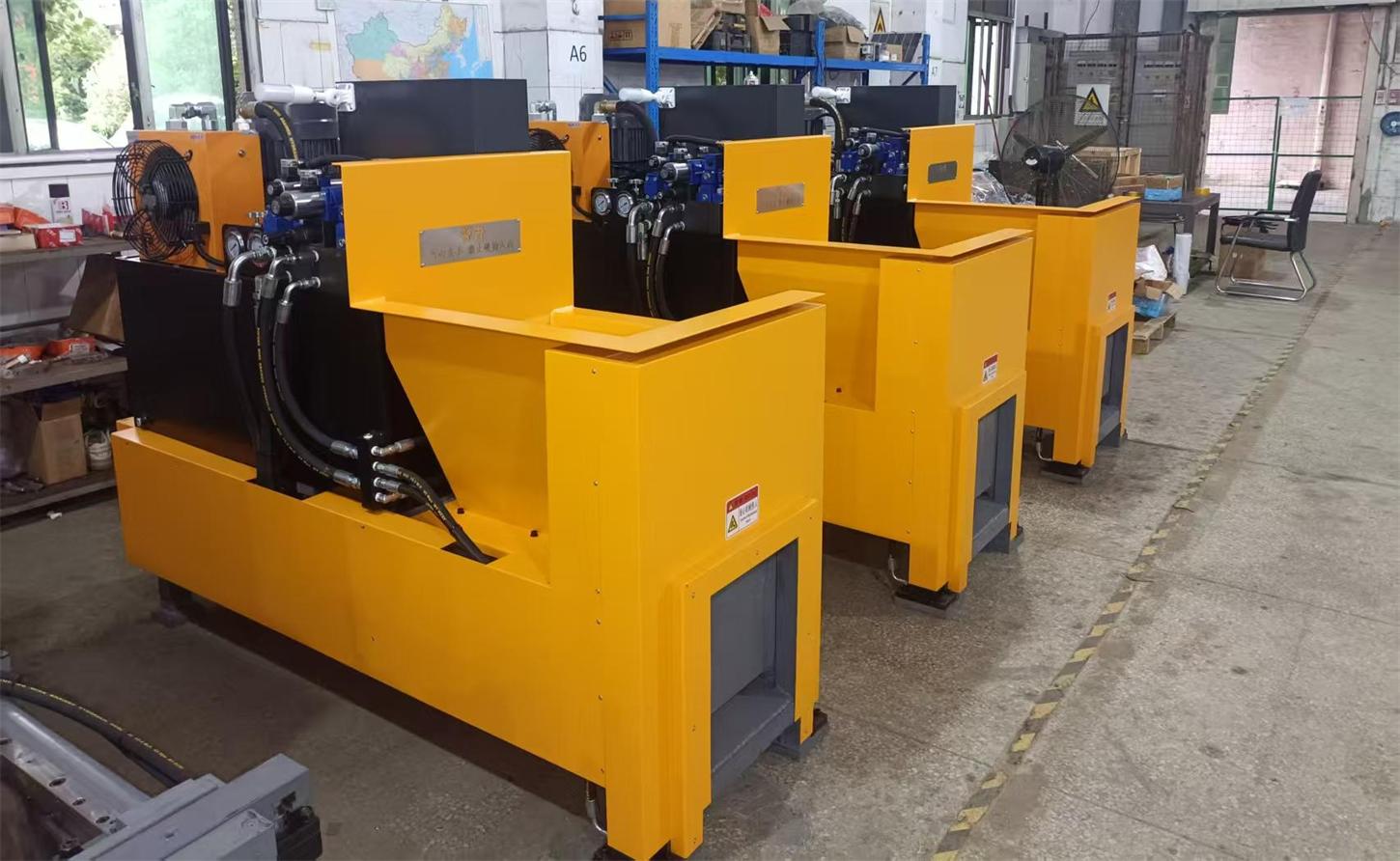
In a busy factory environment, safety isn't just a checkbox - it's everything. Hydraulic presses come with safety features that feel almost intuitive: ram motion control that prevents unexpected movements, pressure thresholds that automatically stop operations before disaster strikes, and simple integration with safety barriers and interlocks. You'll see this in action on modern CNC hydraulic press models where operators work confidently beside these powerful machines.
4. Quiet Achievers: Reducing Workplace Noise
The factory floor doesn't have to sound like a war zone. Compared to mechanical presses that slam and bang, hydraulic models operate with remarkably smooth movements. That gentle descent of the ram onto materials doesn't just feel controlled - it sounds controlled. Add well-fitted pumps and noise-dampening installations, and you create an environment where concentration improves along with safety compliance.
5. Shape-Shifters: One Press, Endless Applications
The real magic happens when you realize what a hydraulic press can transform into. Change the tooling, and you've got a completely different machine: bending steel in one job, punching precision holes in the next, then switching to powder compaction. Automotive manufacturers use them for forging critical components while recycling plants like those using scrap metal melting furnace systems rely on them to prepare materials. This versatility beats maintaining multiple specialized machines.
6. Tooling Costs Slashed: Doing More with Less
Here's where the financial benefits start stacking up. Instead of purchasing dedicated presses for punching, drawing, and forming, a single hydraulic press handles it all with quick die changes. Manufacturers report tooling cost reductions of 30-60% in many applications - money that can be reinvested in quality improvements or workforce development. The business case becomes compelling when you calculate the lifetime savings.
7. Precision Control: Every Movement Measured
Modern hydraulic presses give you surgeon-level control over every parameter: approach speed, pressing force, dwell time, release velocity - all programmable and repeatable. This precision prevents fragile dies from shock damage while ensuring consistent quality across production runs. The touchscreen interface on today's models makes this complex control accessible to all operators.
8. Simplicity Wins: Design That Endures
Unlike complicated mechanical presses with hundreds of wear points, hydraulic presses thrive on elegant simplicity. Fewer moving parts mean three big wins: faster training for new operators, reduced maintenance needs, and greater reliability under constant use. This straightforward approach has made them particularly popular in lead acid battery recycling operations where uptime directly impacts profitability.
9. Longer Tool Life: Protecting Your Investment
Tooling isn't disposable - it's a significant investment. Hydraulic presses treat tools with respect through hydraulic relief valves that prevent over-pressurization. No jarring impacts. No destructive vibrations. Just smooth, controlled force application. The result? Custom tooling consistently lasts years longer than in comparable mechanical systems - paying back the equipment cost through reduced replacement expenses.
10. Power Without Limits: Small to Massive Scale
From modest 5-ton tabletop models to titanic 5,000-ton monsters that shape aircraft wings - hydraulic presses deliver where others can't. This scalability makes them indispensable across industries: jewelry artisans crafting delicate items use desktop versions, while automotive giants rely on massive versions for chassis forming. The physics behind it is beautifully simple - cylinder area multiplied by fluid pressure equals force.
11. Consistency Is King: Uniform Force Through Stroke
Ever watch a mechanical press start strong but lose power? That's where hydraulic models shine. Through precision valve control and fluid dynamics, they maintain consistent force through the entire pressing stroke. This consistency becomes critical in electronics manufacturing where uneven pressure damages circuit boards or in pharmaceutical tablet production where weight uniformity equals safety.
12. The Physics Advantage: Pascal's Law at Work
Hydraulic presses harness Pascal's principle with elegant efficiency: small force applied over a small area creates tremendous pressure in hydraulic fluid, transmitting enormous force over a larger surface. This physics-driven efficiency creates unmatched force multiplication that mechanical systems can't match, making it ideal for demanding applications like industrial recycling plants using specialized separation equipment.
13. Automatic Protection: Built-in Safety Nets
The unsung hero of hydraulic press operation? Overload protection systems that act faster than any human operator. If pressures approach dangerous thresholds, automatic valves instantly decompress the system. This doesn't just prevent catastrophic failure - it protects your expensive tooling and prevents production delays from machine downtime. It's insurance built right into the design.
14. Cost Champions: Lower Lifetime Expenses
When you calculate total cost of ownership, hydraulic presses dominate. Their simpler design translates to fewer repairs, easy maintenance with affordable components like seals and valves, and minimal energy waste. When breakdowns occur, they're typically fixed in hours rather than days - getting production back online fast. This reliability makes them particularly valuable in 24/7 operations like mining equipment manufacturing.
Wrapping It All Up
From space-saving shops to high-volume production lines, hydraulic presses deliver a compelling combination of power, precision, and practical economics. Their versatility across applications - from compact C-frame models for precision work to massive H-frame units for heavy forging - explains their universal presence in modern manufacturing. And with advancements like CNC integration and IoT monitoring, these powerful machines continue evolving to meet tomorrow's industrial challenges.
Whether you're shaping metal parts, processing recyclables, or creating composite materials, hydraulic press technology offers an efficient solution that combines raw power with delicate control - proving that sometimes, the smartest force comes through fluid motion.