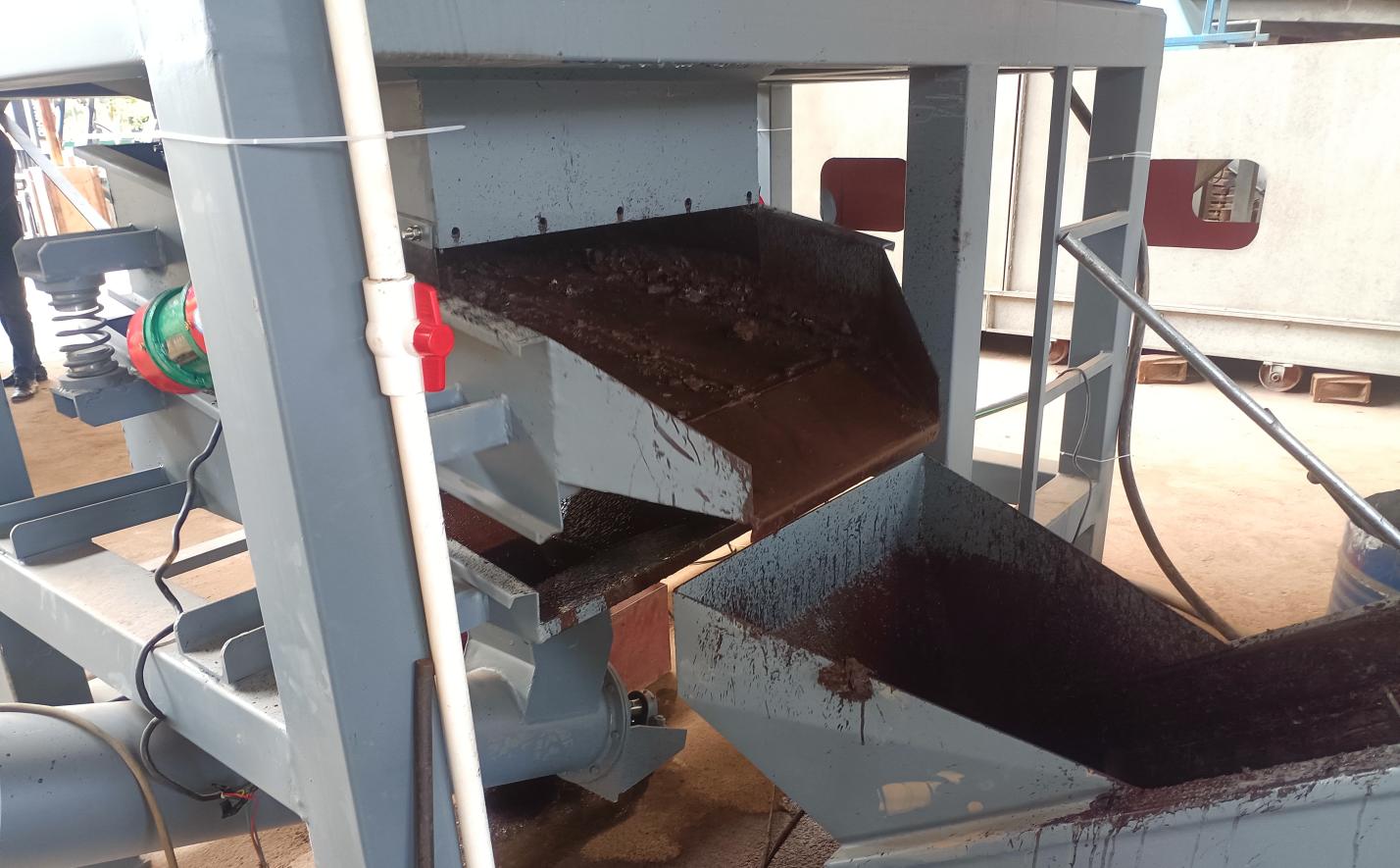
How modern recycling plants recover valuable metals from discarded batteries, cables, and circuit boards
The global surge in electronic consumption has created a parallel boom in electronic waste. Every year, millions of tons of used batteries, obsolete cables, and discarded circuit boards pile up in landfills, posing serious environmental risks while simultaneously representing a massive untapped resource. Forward-thinking recyclers have come to see this waste stream not as a burden, but as a profitable urban mine rich in copper, lead, lithium, and precious metals.
Turning that potential into reality, however, requires the right industrial recycling equipment. From breaking and separating systems to smelting furnaces and pollution control units, each stage of the recycling chain demands specialized machinery designed for efficiency, safety, and environmental compliance.
Lead-Acid Battery Recycling: A Mature and Profitable Market
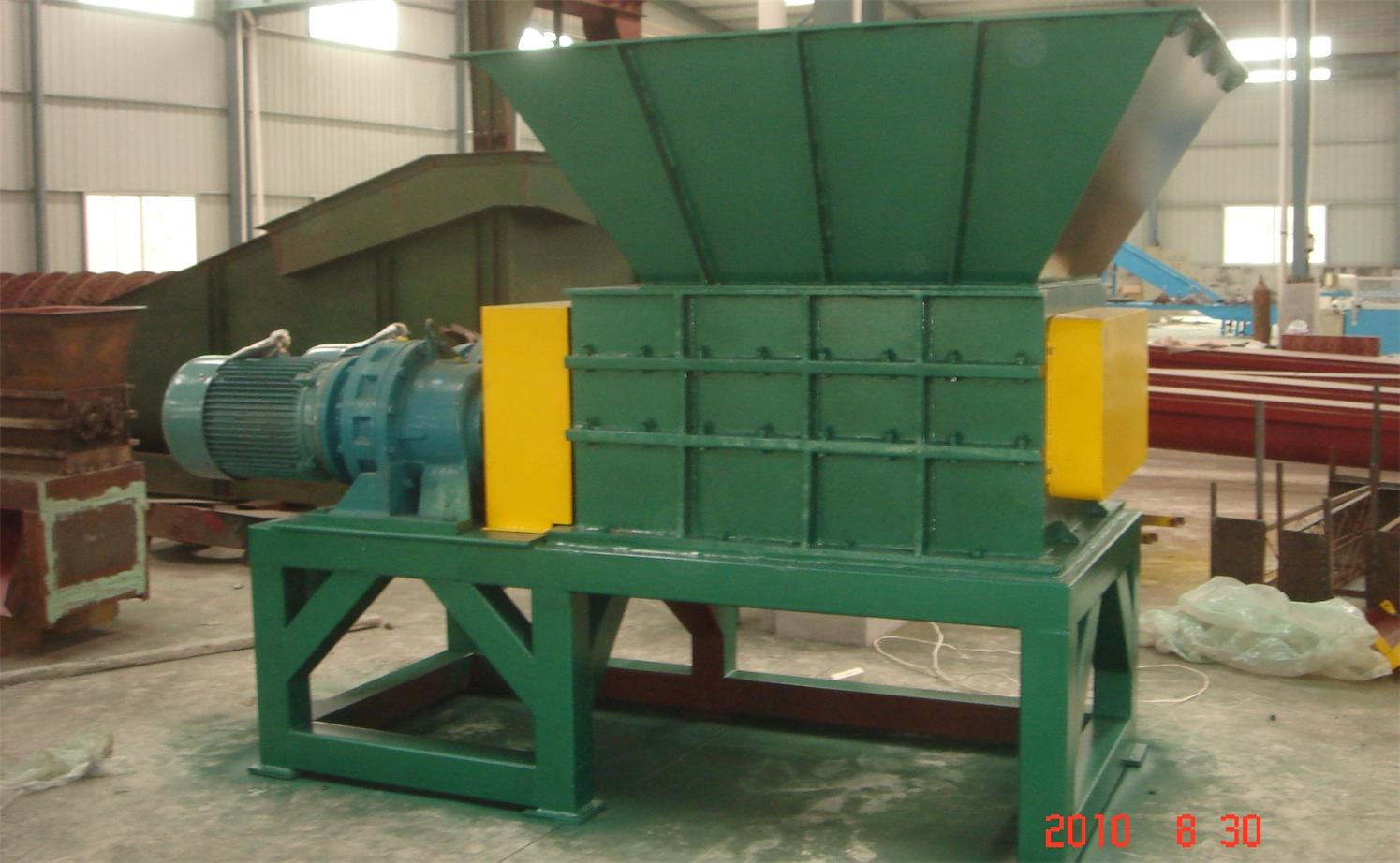
Despite the rapid growth of lithium-ion technology, lead-acid batteries still dominate the automotive, telecom, and backup-power sectors. Their high lead content makes them one of the most economically attractive materials to recycle. A complete lead acid battery recycling equipment line typically includes a battery cutter, breaking and separation system, desulfurization unit, smelting furnace, and air-pollution control system.
Modern plants can process 1 to 10 metric tons per hour, separating batteries into four distinct outputs: lead grid, lead paste, plastic shells, and hard rubber. The lead paste then moves to a rotary furnace or blast furnace for reduction. Advanced systems achieve lead recovery rates of 95% or higher, and refined lead can reach 99.999% purity using electric near-infrared heating technology that saves 30–50% on energy compared with conventional fuel-fired kettles.
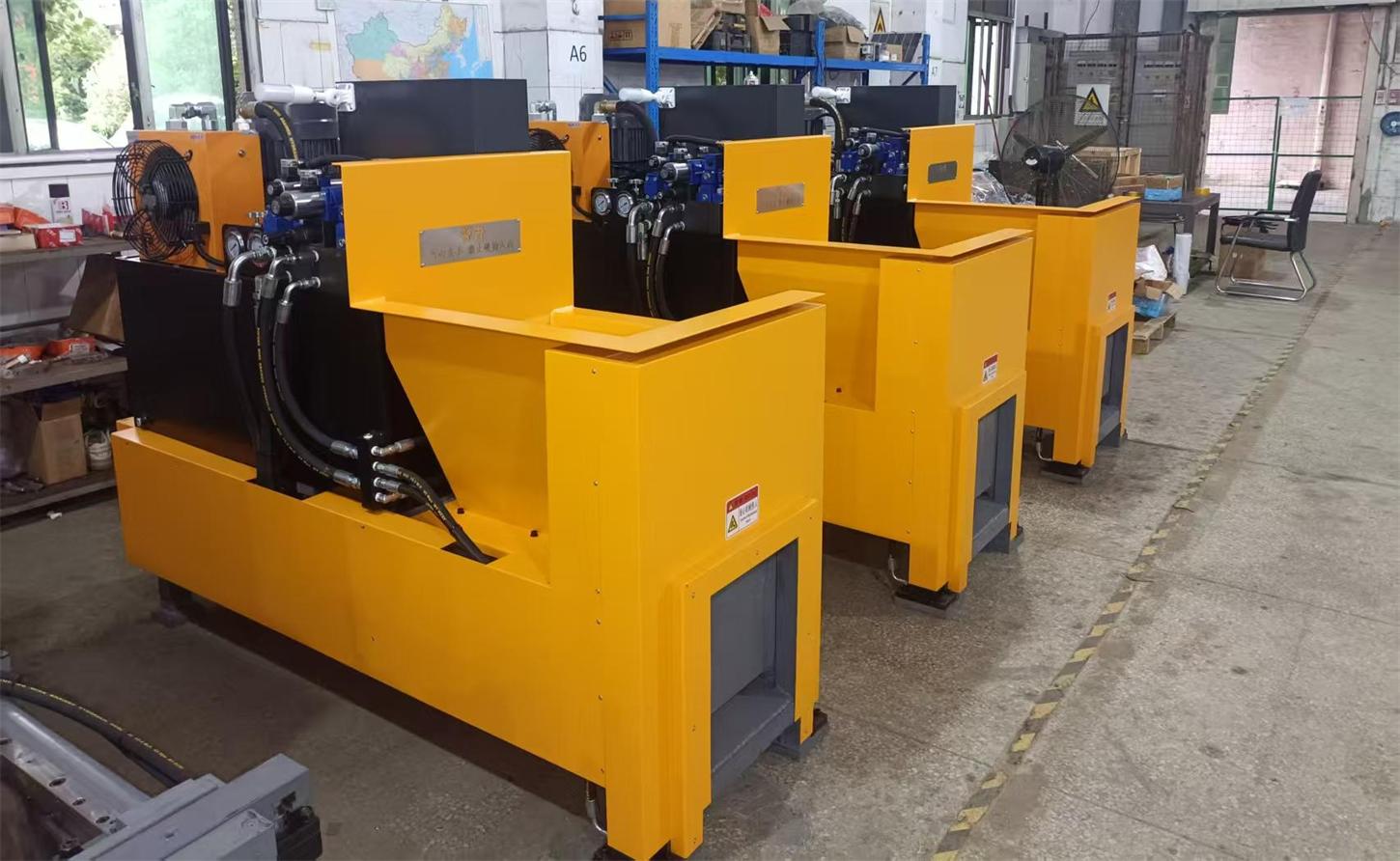
- Hydraulic battery cutter (45 sec/piece cutting speed)
- Breaking and separating system (1–10 MT/hour capacity)
- Desulfurization unit (reduces SO₂ emission and energy use)
- Blast furnace or rotary furnace (lead recovery rate ≥ 95%)
- Lead refinery kettle (99.999% purity output)
- Air pollution control and water treatment systems
Lithium Battery Recycling: Riding the Electric-Vehicle Wave
As electric vehicles and portable electronics proliferate, spent lithium-ion batteries are becoming the fastest-growing waste stream in the recycling industry. Unlike lead-acid units, lithium batteries contain a complex mix of plastics, copper, aluminum, graphite, and valuable metals such as nickel, cobalt, and manganese. Recovering these materials efficiently requires a carefully engineered process.
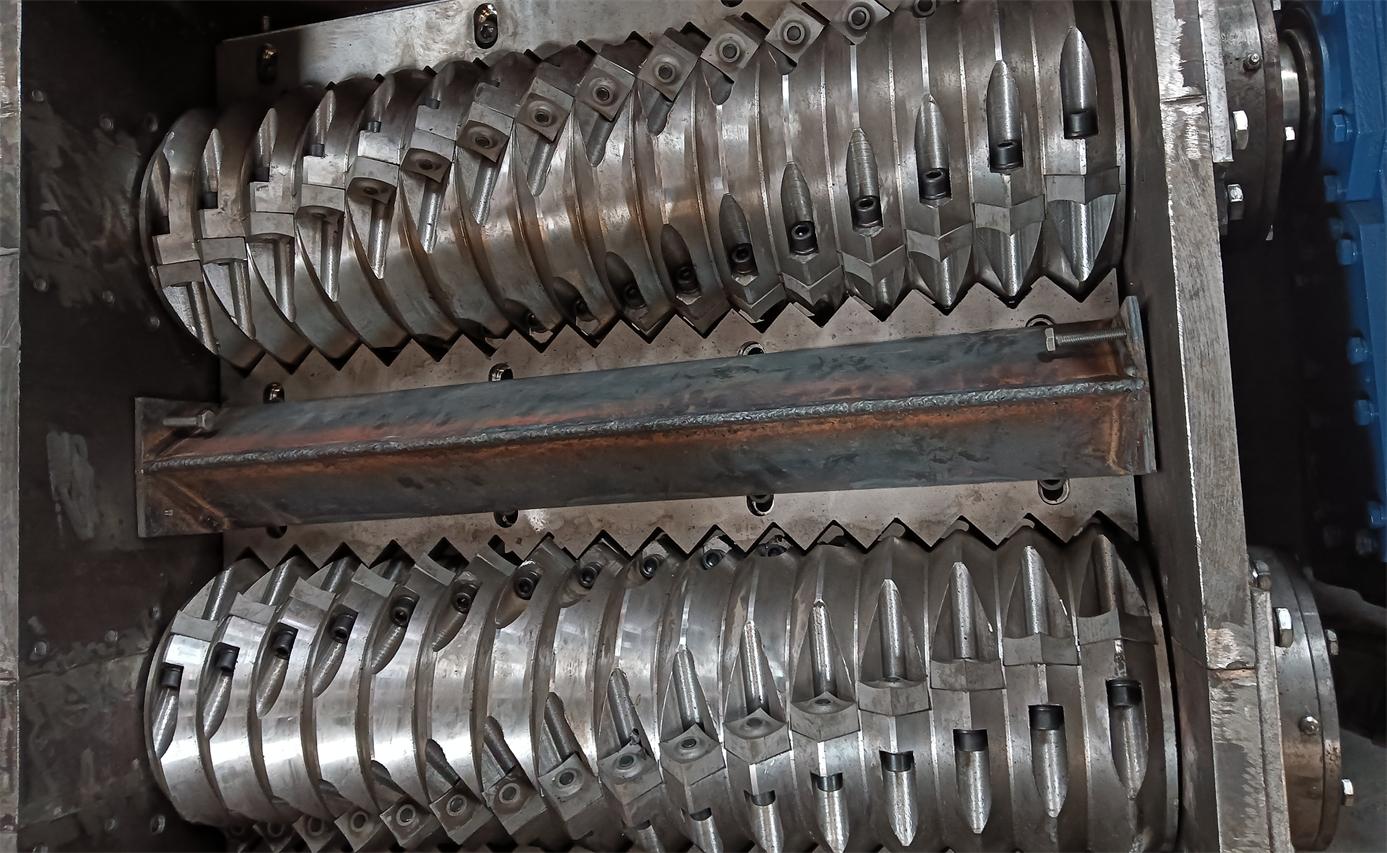
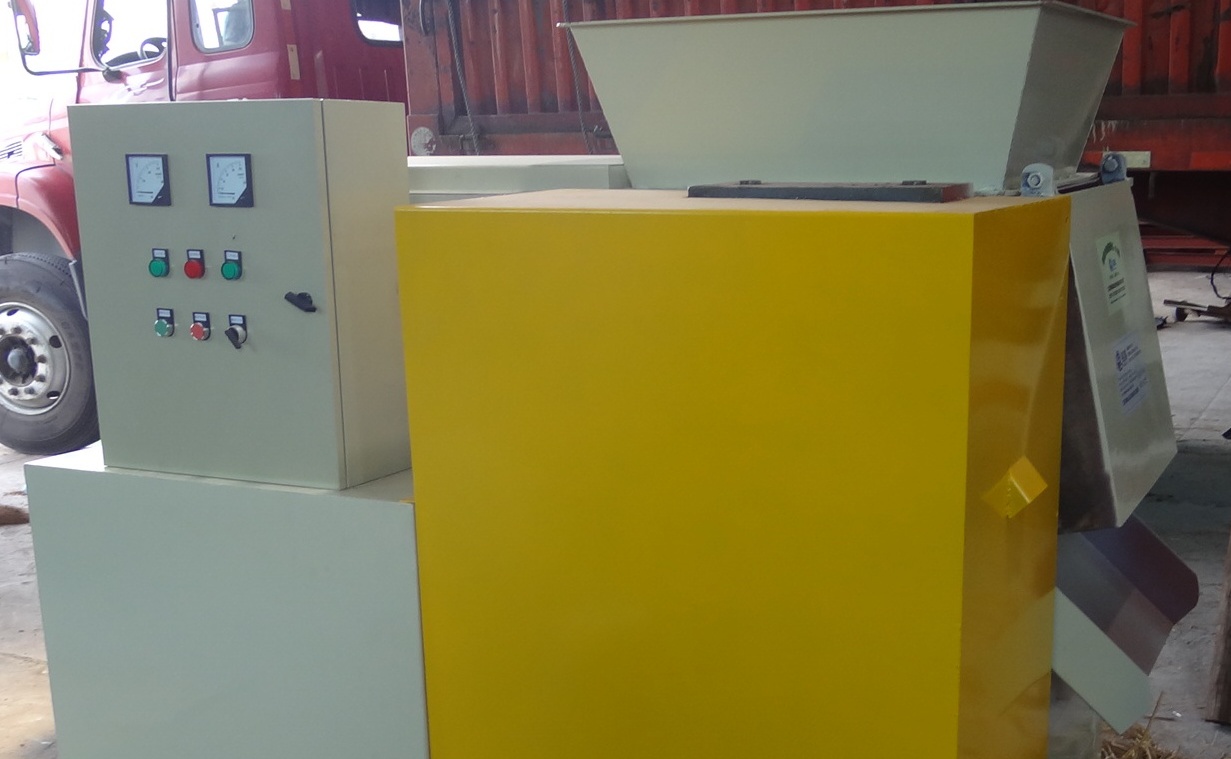
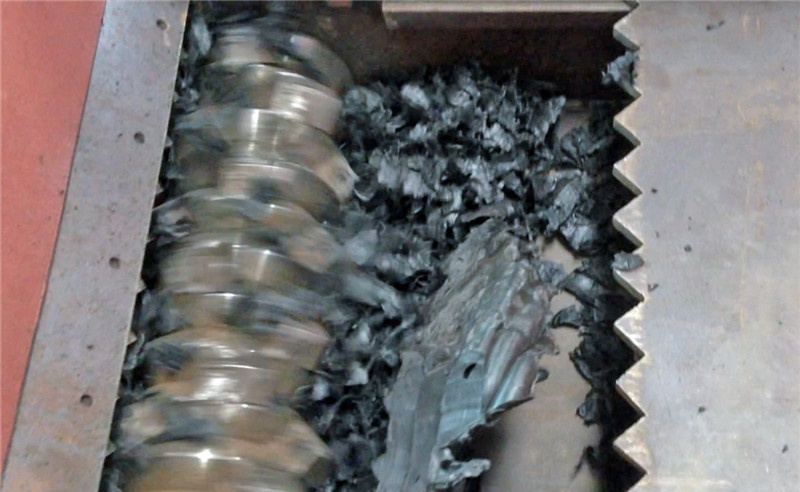
A standard li battery recycling equipment setup begins with safe discharge and pre-crushing, followed by secondary granulation, magnetic separation of ferrous metals, and fine separation of black mass. Capacities range from 500 to 2,500 kg per hour. Plastic separator film is pneumatically conveyed and hydraulically briquetted at a 10:1 compression ratio, creating dense blocks that are easy to store and transport. Dedicated air-pollution control systems neutralize harmful gases before emission, ensuring the plant meets strict environmental standards.
Cable and Circuit Board Recycling: Unlocking Urban Copper Mines
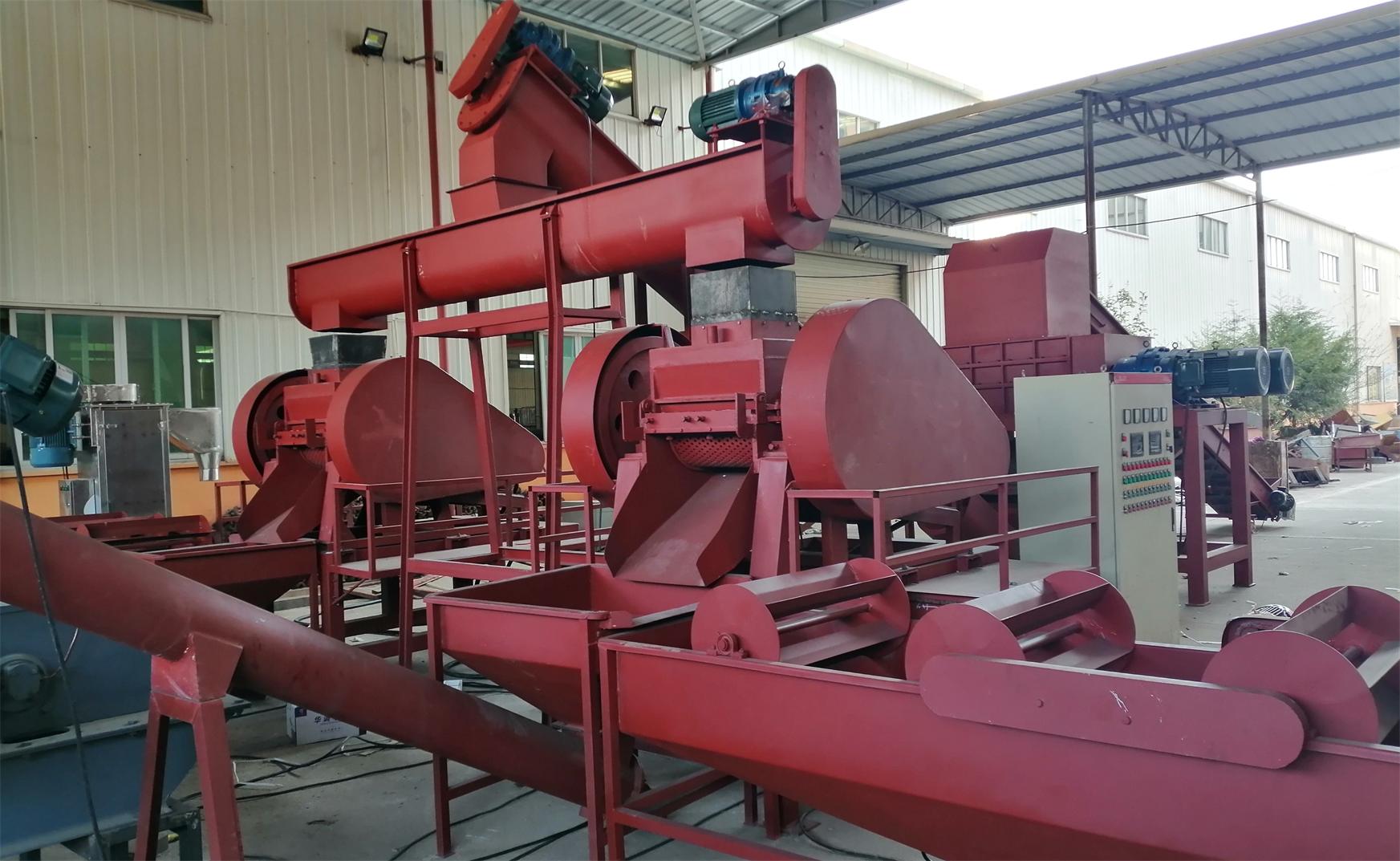
Scrap cables and printed circuit boards (PCBs) are two of the richest sources of secondary copper. A well-designed cable recycling equipment line uses dry or wet granulation combined with air or water separation to recover copper particles with 96–98% purity. Cable strippers handle diameters from 1.5 mm up to 150 mm, while high-capacity granulators process up to 2,000 kg per hour.
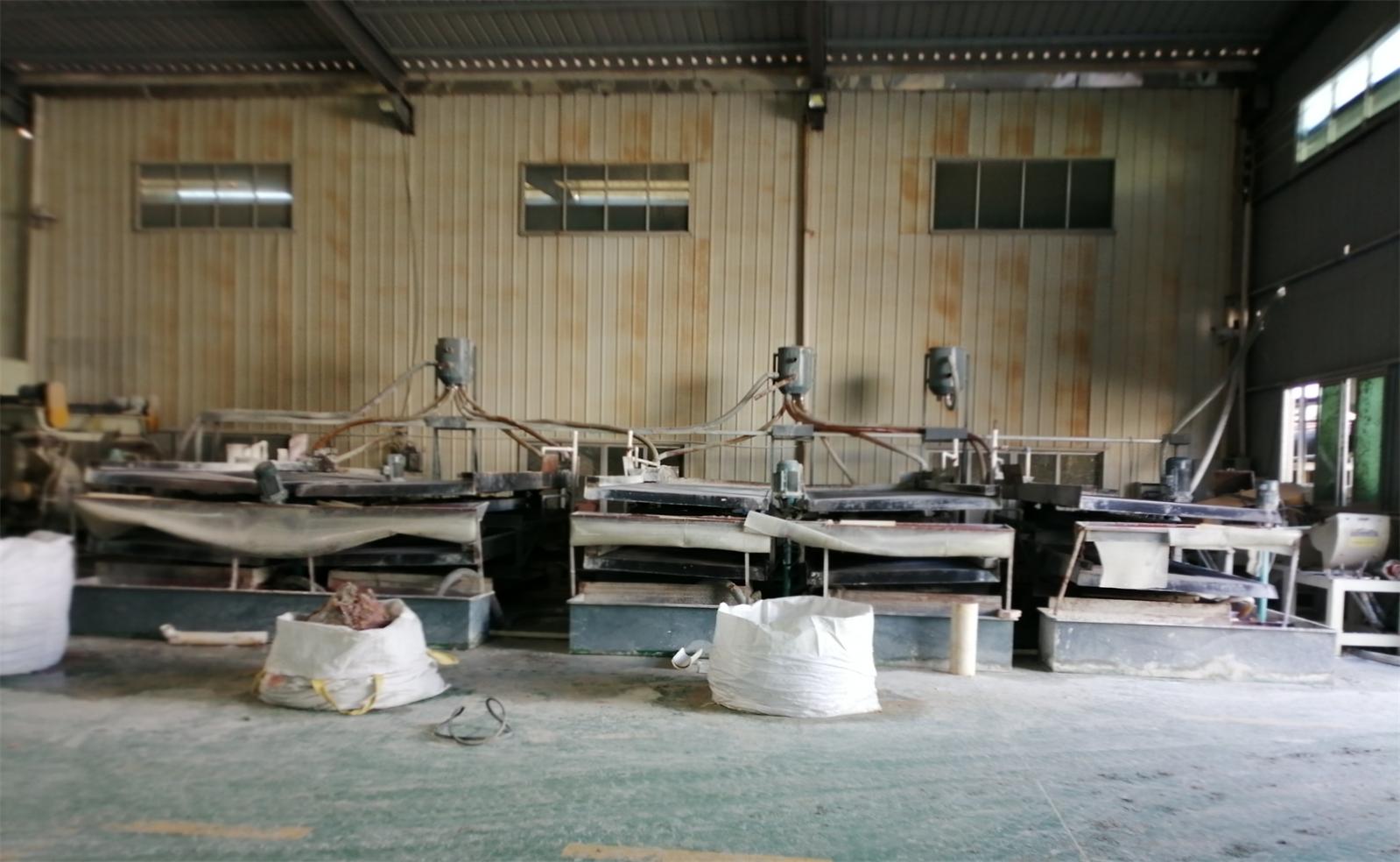
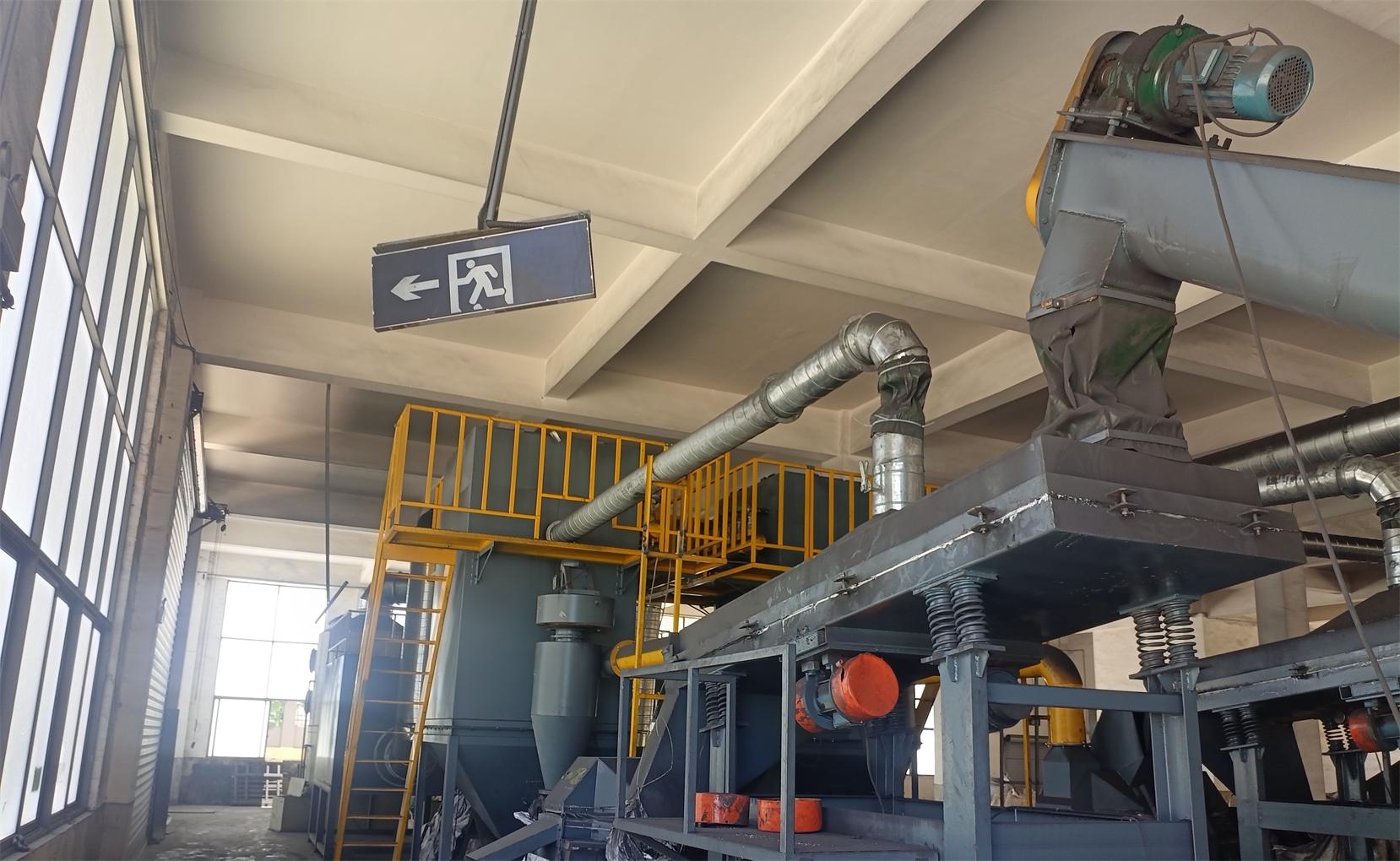
For circuit boards, recyclers can choose between dry separation plants equipped with air classifiers, electrostatic separators, and pulse-bag dust collectors, or wet separation systems that use water-metal separation to achieve high recovery rates without dust pollution. Both approaches can yield copper powder with 95%+ recovery rates, along with precious-metal concentrates that command premium prices.
Beyond Batteries and Boards: Comprehensive E-Waste Solutions
A truly integrated recycling operation often handles multiple waste streams under one roof. Refrigerator and air-conditioner recycling plants extract refrigerants safely before shredding and separating iron, copper, aluminum, plastic, and polyurethane foam. CRT cutting machines separate panel and funnel glass while capturing phosphor powder. Motor recycling equipment dismantles stators to recover 100% of copper windings. Lamp recycling machines crush fluorescent tubes and capture mercury via HEPA and activated-carbon filters.
For mining operations, lithium ore extraction plants process crude ore into 4–5% grade lithium concentrate at rates up to 5,000 metric tons per day. Tailing-ore extraction plants further recover lithium from waste tailings, pushing total recovery rates to 75% compared with the industry average of 65%.
Why Experience Matters in Recycling Plant Engineering
Designing and commissioning a recycling plant is far more complex than simply buying machines. Feedstock characteristics vary by region, local environmental regulations differ, and end-product markets fluctuate. A supplier with deep engineering expertise can customize layouts, adjust capacities, and integrate pollution-control systems to match each customer's specific conditions.
San Lan Technologies Co., Ltd., established in 2007, has spent nearly two decades specializing in WEEE recycling machinery and mining equipment. The company's technical team holds master's degrees in mechanical engineering and brings over 15 years of hands-on experience in e-waste recycling machine design. Beyond manufacturing, San Lan offers full EPC services: from plant layout and equipment selection to installation, commissioning, and after-sales support.
With customers in more than 21 countries, including Singapore, Colombia, Vietnam, Mexico, Argentina, Korea, Malaysia, and South Africa, San Lan has demonstrated its ability to adapt to diverse regulatory environments and raw-material sources. The company also assists clients with waste-material sourcing, product-offtake agreements, and even investor partnerships, effectively acting as a one-stop partner from project conception to profitable operation.
Conclusion
The transition to a circular economy is no longer optional; it is a business imperative driven by resource scarcity, environmental regulation, and consumer demand for sustainable practices. Whether your focus is lead-acid batteries, lithium-ion packs, scrap cables, or circuit boards, investing in reliable, high-efficiency recycling equipment is the first step toward turning waste into a steady revenue stream.
Ready to start or upgrade your recycling plant? Explore San Lan Technologies' complete range of industrial recycling equipment and discover how a customized, turnkey solution can accelerate your path to profitability. Visit www.san-lan.com to view product specifications, request a quote, or arrange a technical consultation with our engineering team.