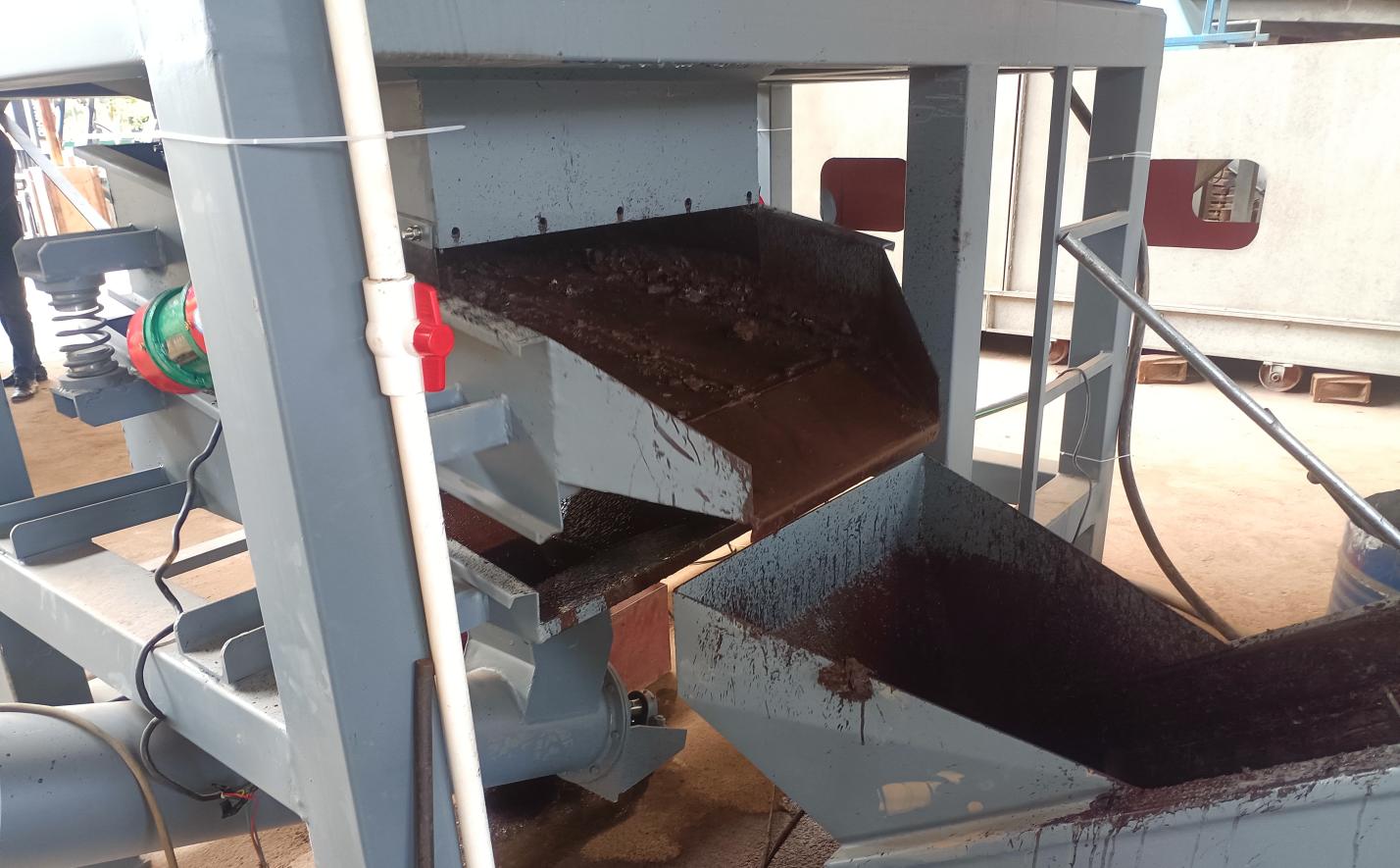
Electronic waste has become one of the fastest-growing waste streams on the planet. According to the Global E-waste Monitor, 62 million metric tons of e-waste were generated globally in 2022, yet less than a quarter was properly recycled. By 2030, this figure is projected to rise by 33% to 82 million metric tons. These numbers highlight a serious environmental challenge, but they also point to a significant commercial opportunity. For companies entering the recycling industry, choosing the right equipment is often the deciding factor between success and failure.
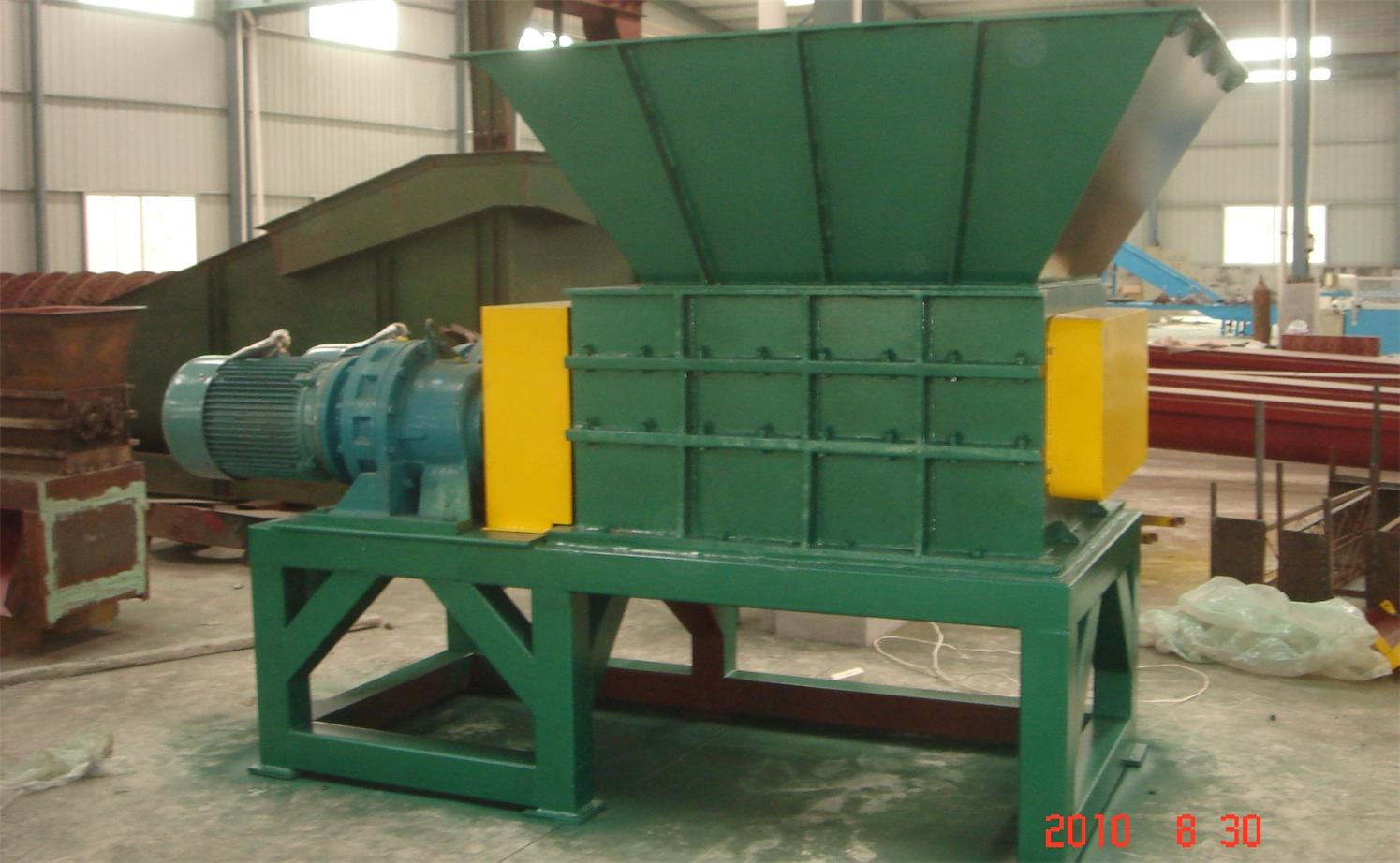
Recycling machinery varies widely in quality and capability. Effective e-waste processing requires specialized systems that maximize material recovery while keeping environmental impact low. Whether separating precious metals from circuit boards, extracting copper from cables, or recovering lead from spent batteries, each material stream calls for specific technical solutions.
Since 2007, San Lan Technologies Co., Ltd has designed and manufactured WEEE recycling machinery and mining equipment from its base in Ganzhou, Jiangxi Province, China. With customers in over 21 countries, the company has earned a reputation for reliable, high-performance recycling plants that meet real-world production demands.
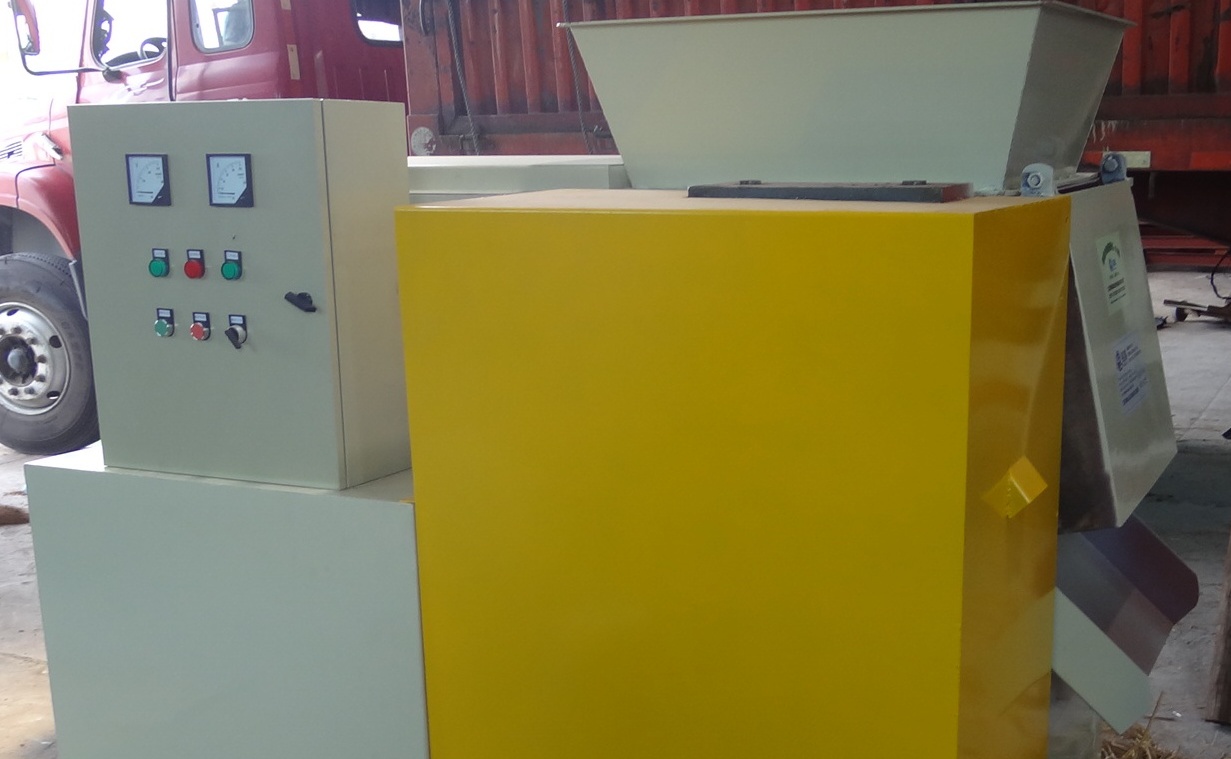
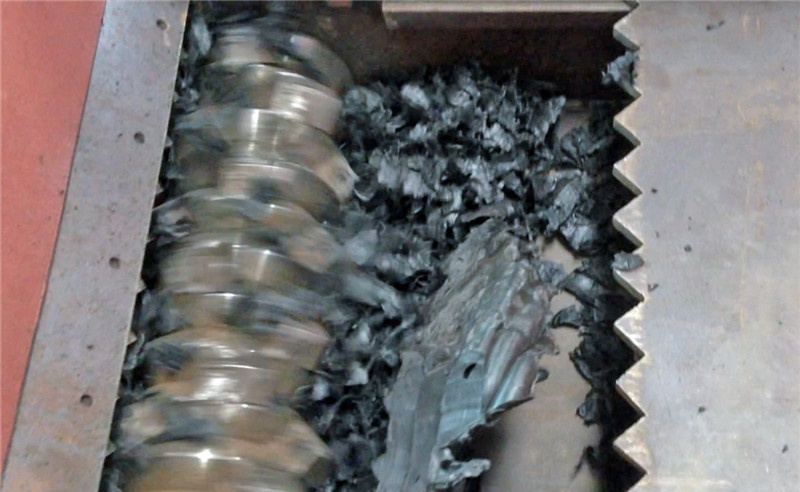
The surge in electric vehicles and portable electronics has created an unprecedented volume of spent lithium-ion batteries. San Lan's lithium battery recycling plant processes waste batteries at 500 to 2,500 kg/hour, recovering black mass rich in nickel, cobalt, and graphite, along with separated plastic, copper, and aluminum. This allows operators to turn a growing waste problem into a steady revenue stream.
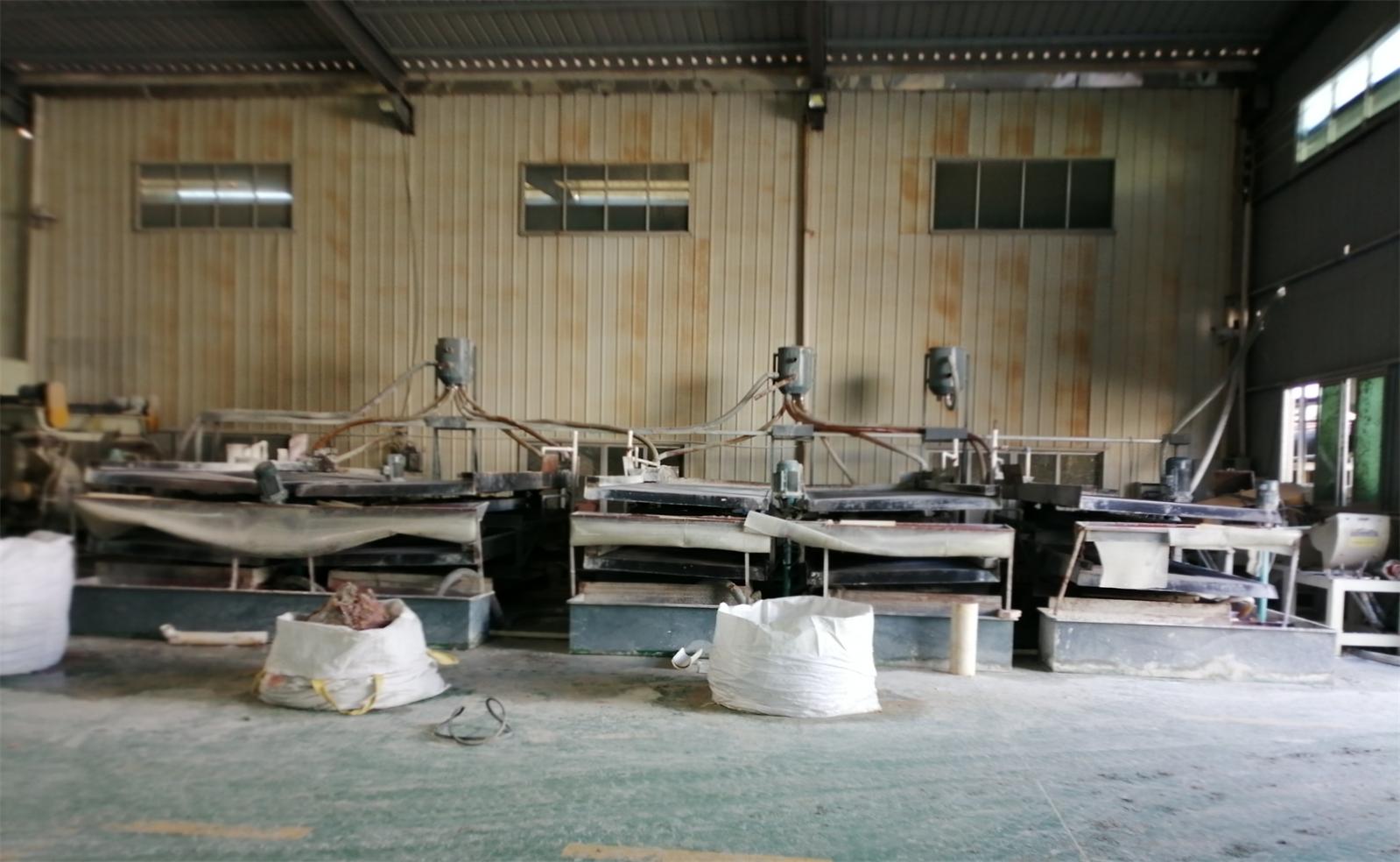
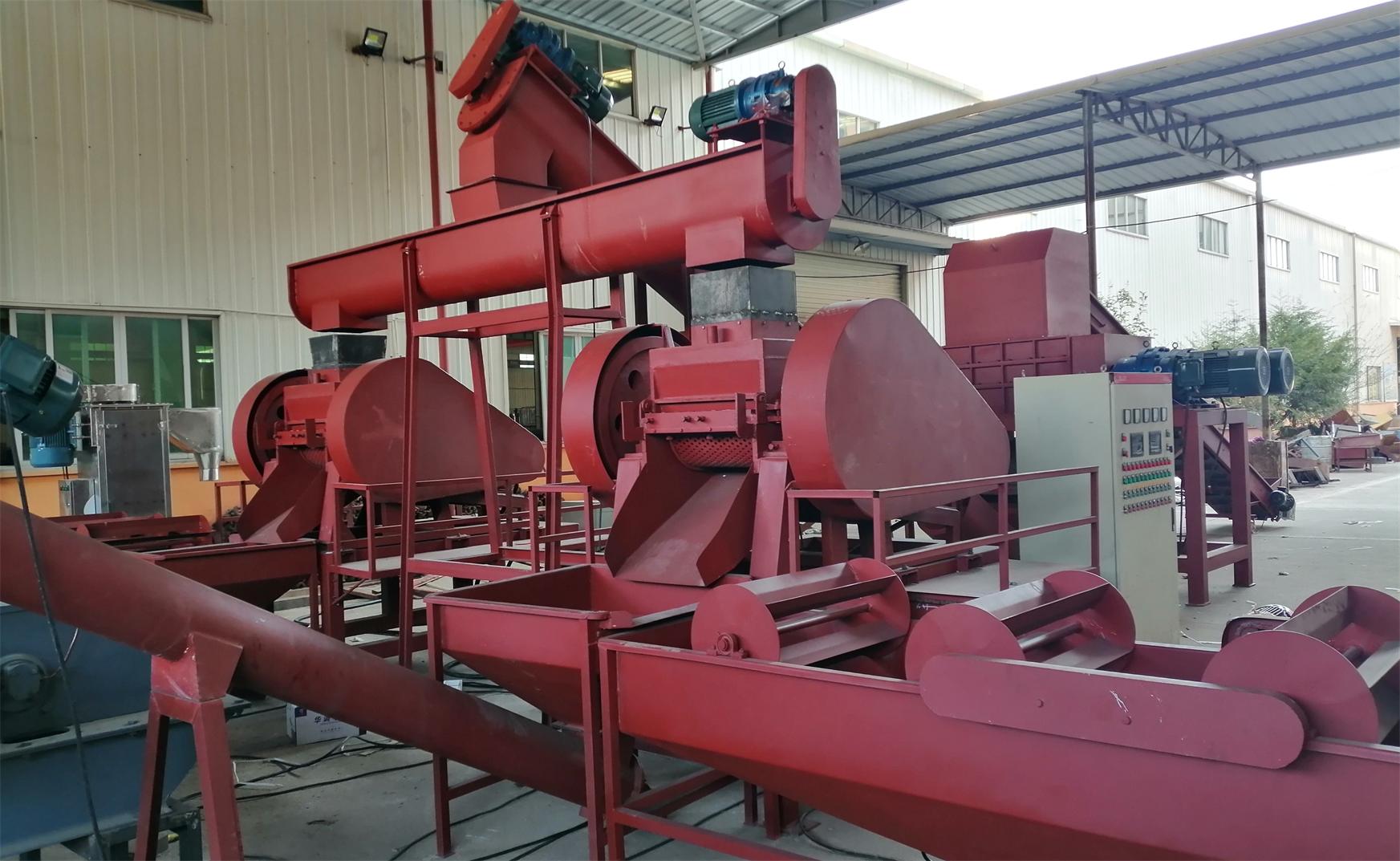
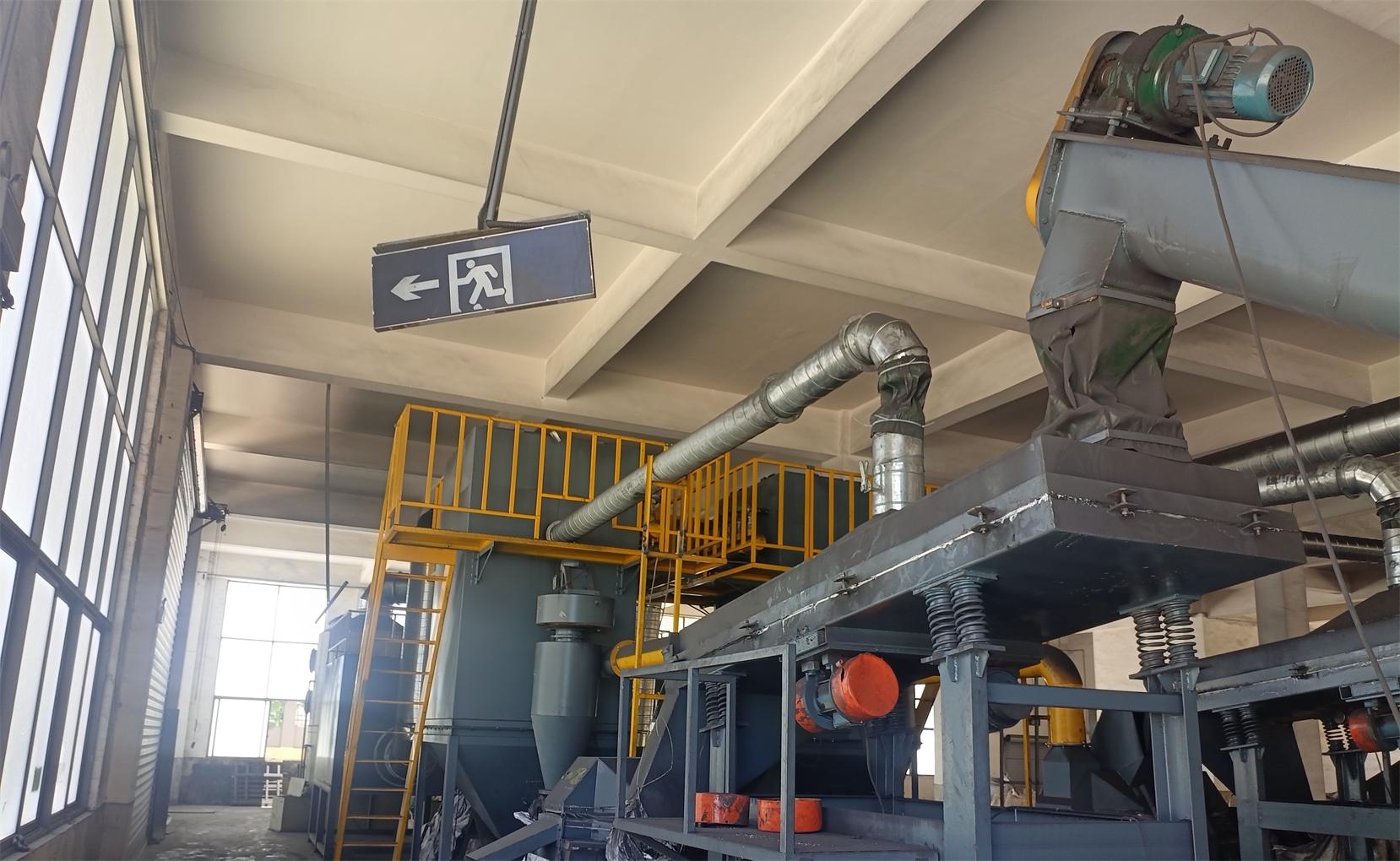
Printed circuit boards contain valuable copper and trace precious metals, but extracting them efficiently requires precision equipment. San Lan's circuit board recycling equipment uses advanced dry and wet separation methods to achieve copper powder purity of 96-98% with recovery rates up to 95%. Capacities range from 300 to 2,000 kg/hour, giving businesses room to scale.
Scrap cables represent a concentrated source of copper and aluminum. San Lan's cable recycling equipment includes strippers, granulators, and complete processing lines that separate metal from insulation with minimal loss. The WCD series handles a wide range of cable types and diameters, making it suitable for diverse feedstock sources.
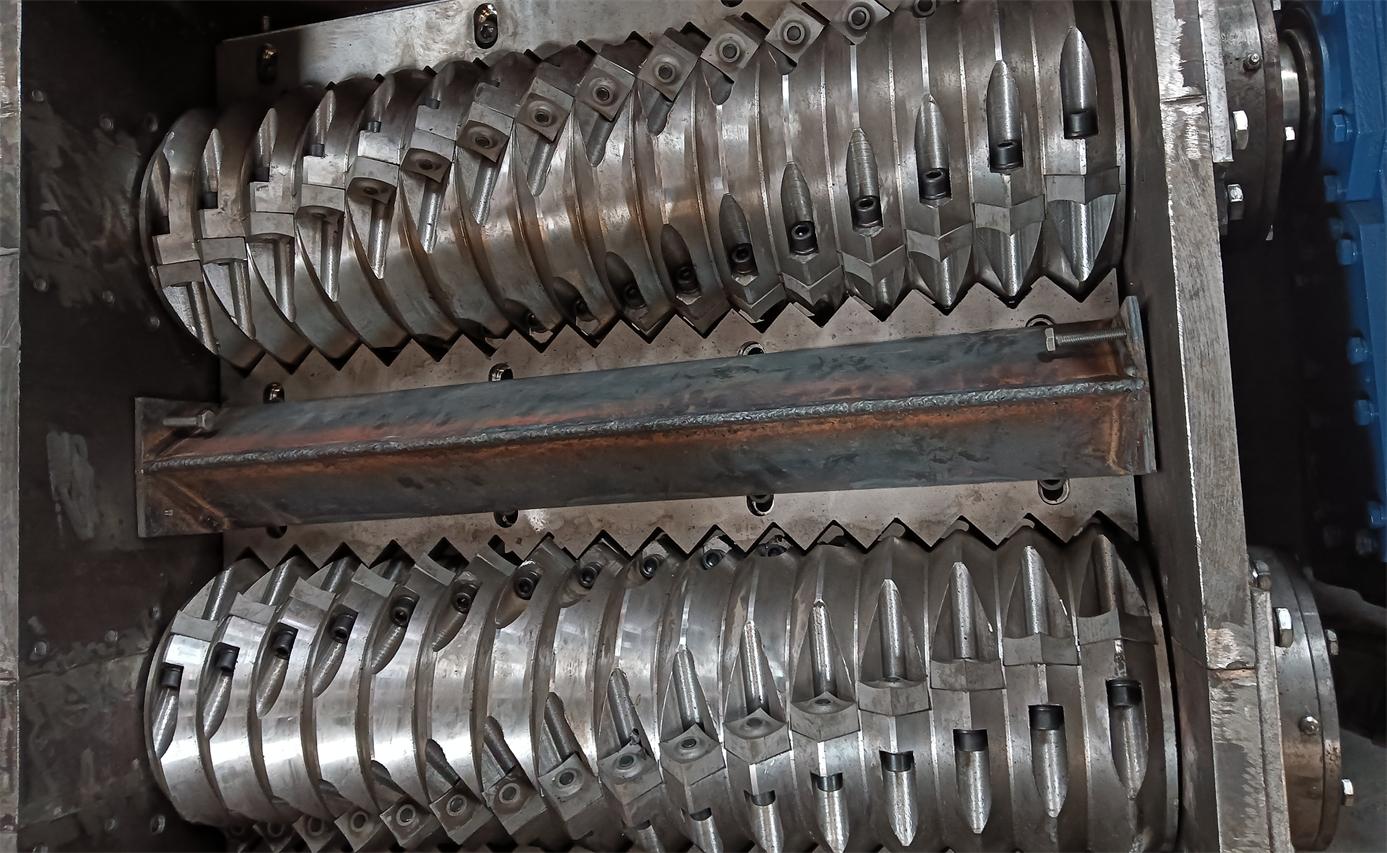
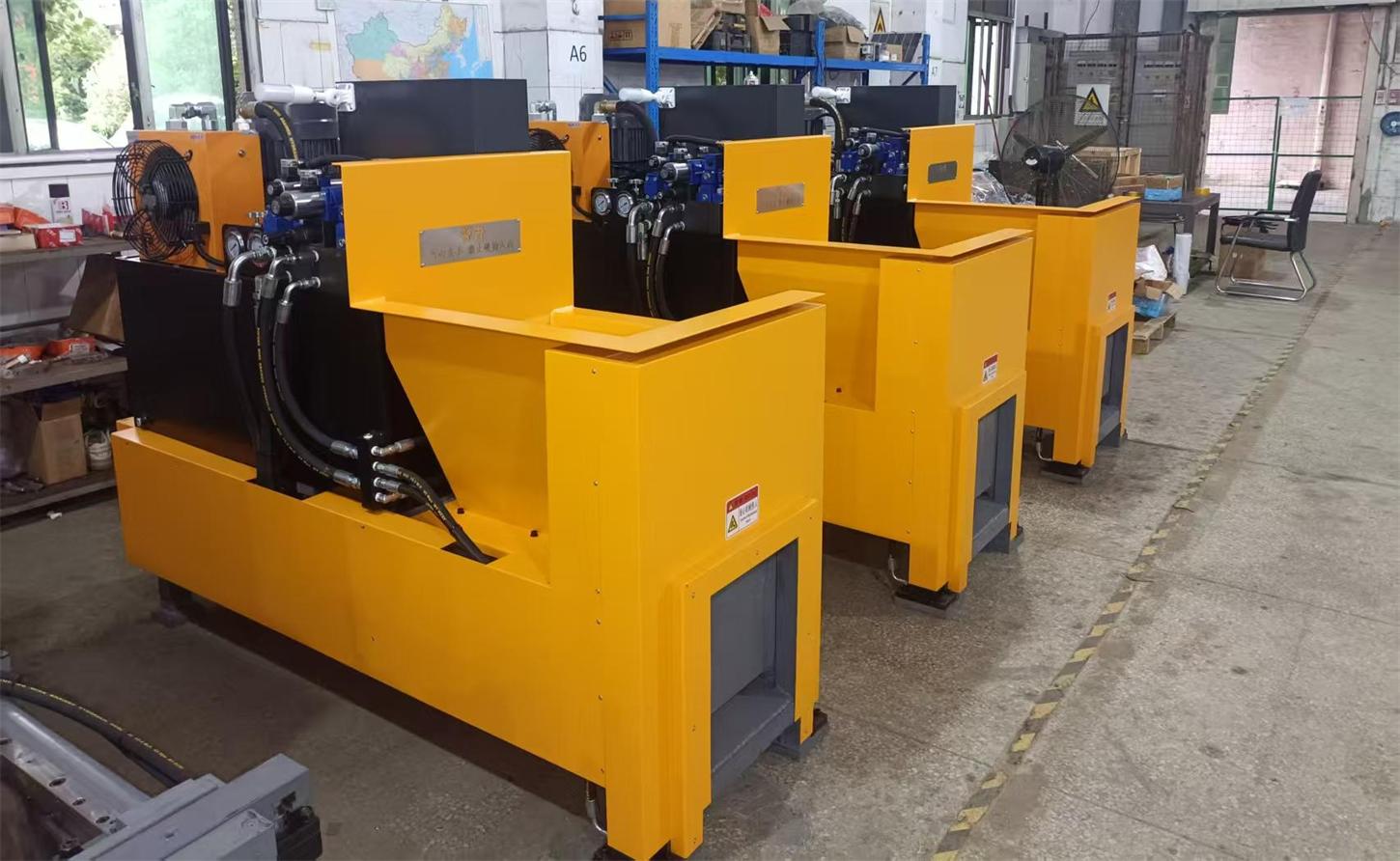
Lead-acid batteries remain one of the most recycled consumer products worldwide. San Lan's lead acid battery recycling equipment covers the full workflow: cutting, breaking, paste reduction, and refining. Integrated air pollution control and water treatment systems ensure compliance with environmental regulations, while lead recovery rates reach 95%.
San Lan distinguishes itself through end-to-end project support. Its technical team includes mechanical engineering master's degree holders with more than 15 years of hands-on experience in e-waste recycling. Services include:
San Lan equipment operates in Singapore, Colombia, Vietnam, Mexico, Argentina, Korea, Malaysia, Indonesia, South Africa, Tunisia, India, Kenya, Saudi Arabia, the Philippines, Zambia, Israel, and beyond. This international presence reflects both the durability of the machinery and the company's ability to adapt solutions to different regulatory and operational environments.
The e-waste sector will continue to expand, driven by stricter environmental rules and rising demand for recovered raw materials. San Lan Technologies offers the equipment range, technical knowledge, and project experience to help businesses capture this opportunity.
To discuss your recycling project, contact San Lan Technologies:
Email: info@san-lan.com
WhatsApp: +86 139 2377 4083
Website: www.san-lan.com