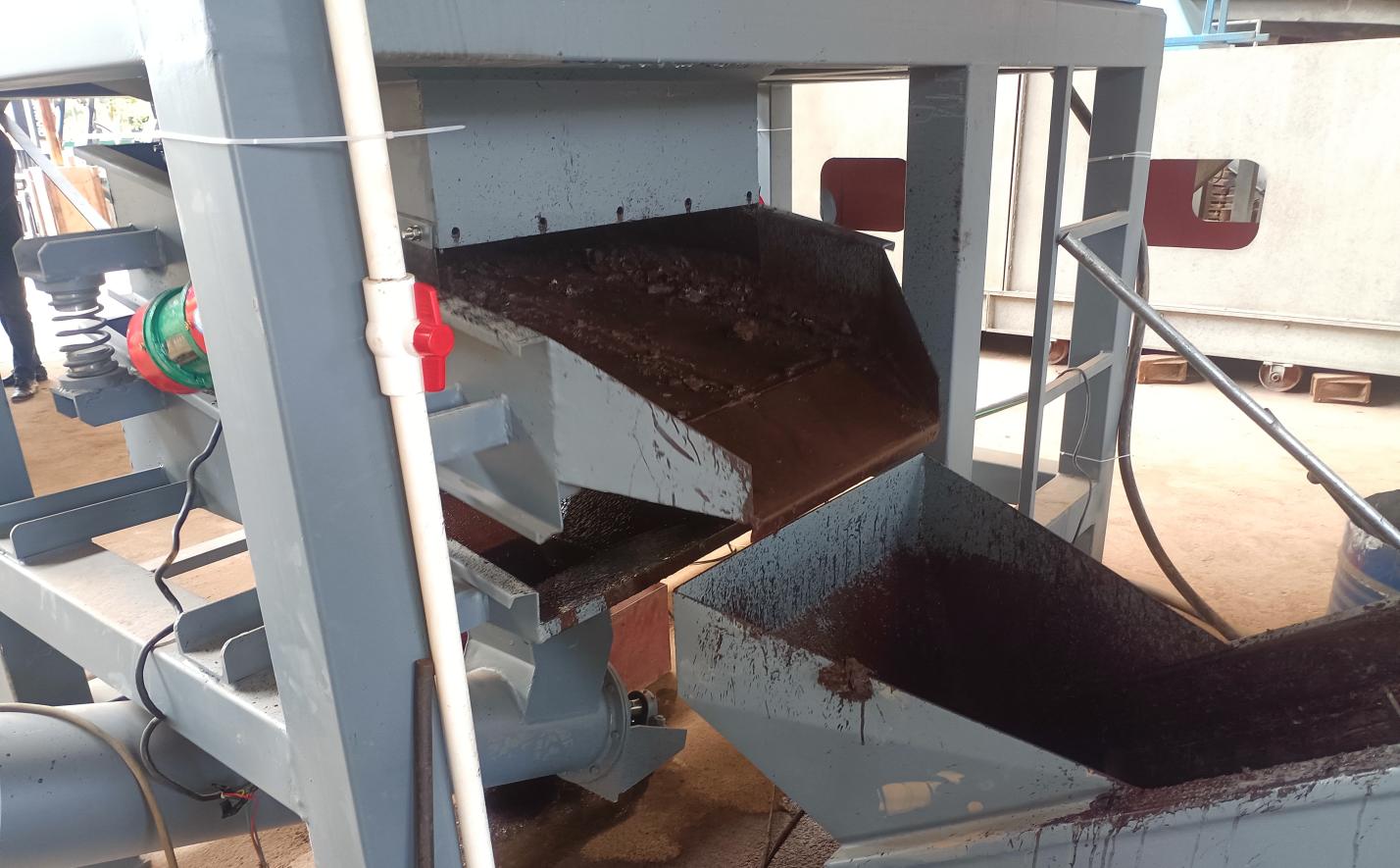
Electronic waste is one of the fastest-growing waste streams in the world. Every year, millions of tons of discarded batteries, obsolete circuit boards, and worn-out cables end up in landfills or informal dumping sites. For forward-thinking entrepreneurs and established recycling companies alike, this represents both an environmental challenge and a significant business opportunity. The key to capturing that opportunity lies in partnering with the right recycling equipment supplier—one that understands the technology, the regulations, and the economics of modern waste recovery.
The Growing Demand for Specialized Recycling Equipment
Not all electronic waste is processed the same way. Lead acid batteries require careful breaking and separation to recover lead paste, lead grids, and plastic housing without releasing harmful acid or sulfur compounds. Lithium-ion batteries demand controlled discharging, pre-crushing, and precise separation to extract valuable black mass containing nickel, cobalt, and graphite. Circuit boards need dry or wet separation systems to recover copper powder and precious metals. And scrap cables must be efficiently stripped or granulated to separate copper or aluminum from insulation.
Each of these material streams requires purpose-built machinery. Using the wrong equipment—or outdated manual methods—leads to low recovery rates, environmental non-compliance, and lost revenue. That is why experienced recyclers invest in proven systems designed for their specific feedstock.
Four Core Recycling Systems Every Operator Should Know
1. Lead Acid Battery Recycling
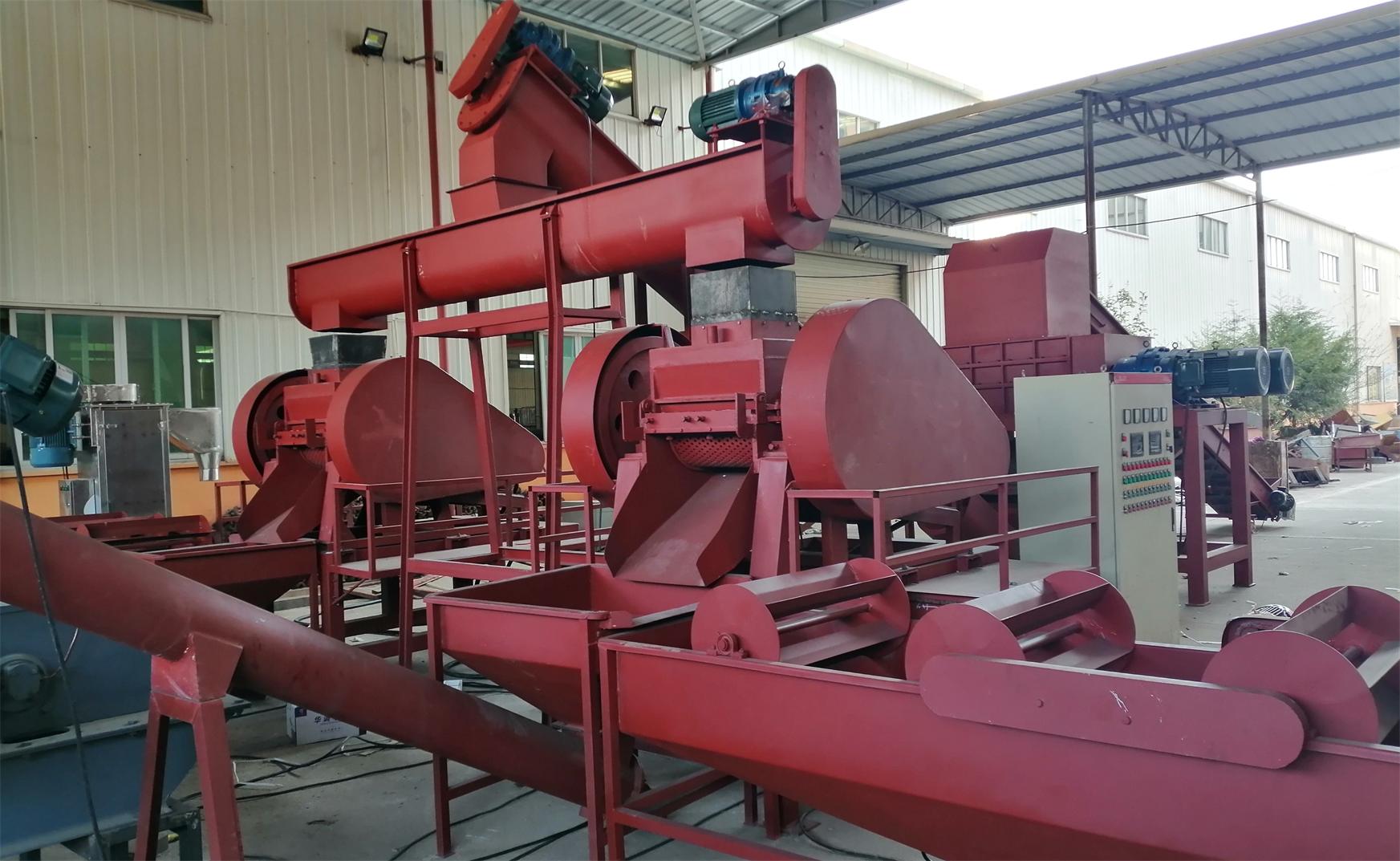
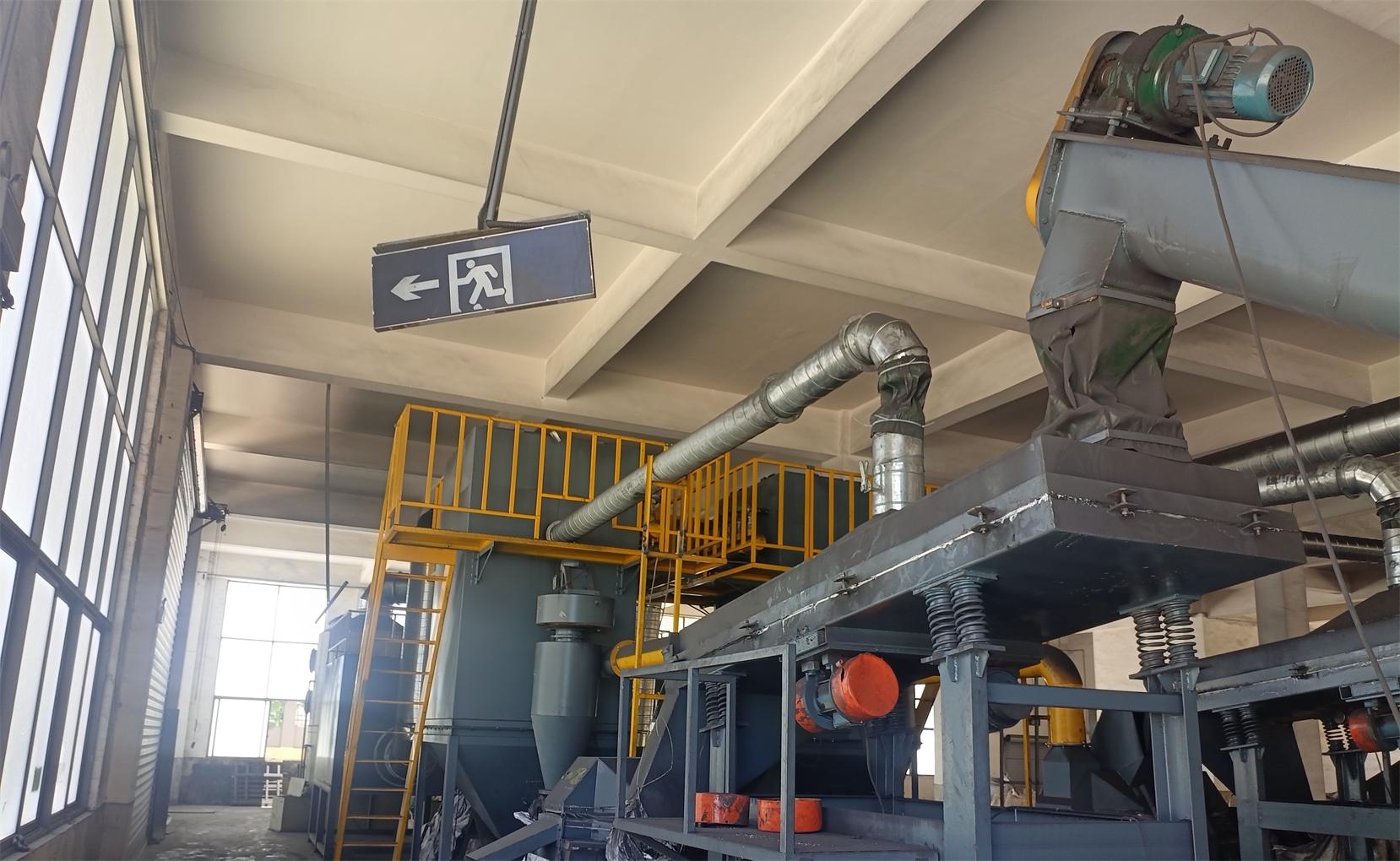
Used lead acid batteries (ULAB) remain a major recycling focus because of their high lead content and strict disposal regulations. A complete lead acid battery recycling equipment line typically includes battery cutters, breaking and separation systems, desulfurization units, rotary furnaces or blast furnaces for paste reduction, refinery kettles, air pollution control systems, and wastewater treatment plants. When properly configured, these plants can process 1–10 metric tons per hour while meeting stringent environmental standards.
2. Lithium Battery Recycling
With the electric vehicle and consumer electronics markets expanding, spent lithium-ion batteries are becoming a critical secondary resource. A modern lithium battery recycling plant handles discharging, pre-crushing, secondary granulation, magnetic separation, and black powder separation. Capacity typically ranges from 500 to 2,500 kg per hour. Supporting systems such as plastic pneumatic conveyors, hydraulic briquetters, and dedicated air pollution control units ensure safe and efficient operation.
3. Circuit Board Recycling
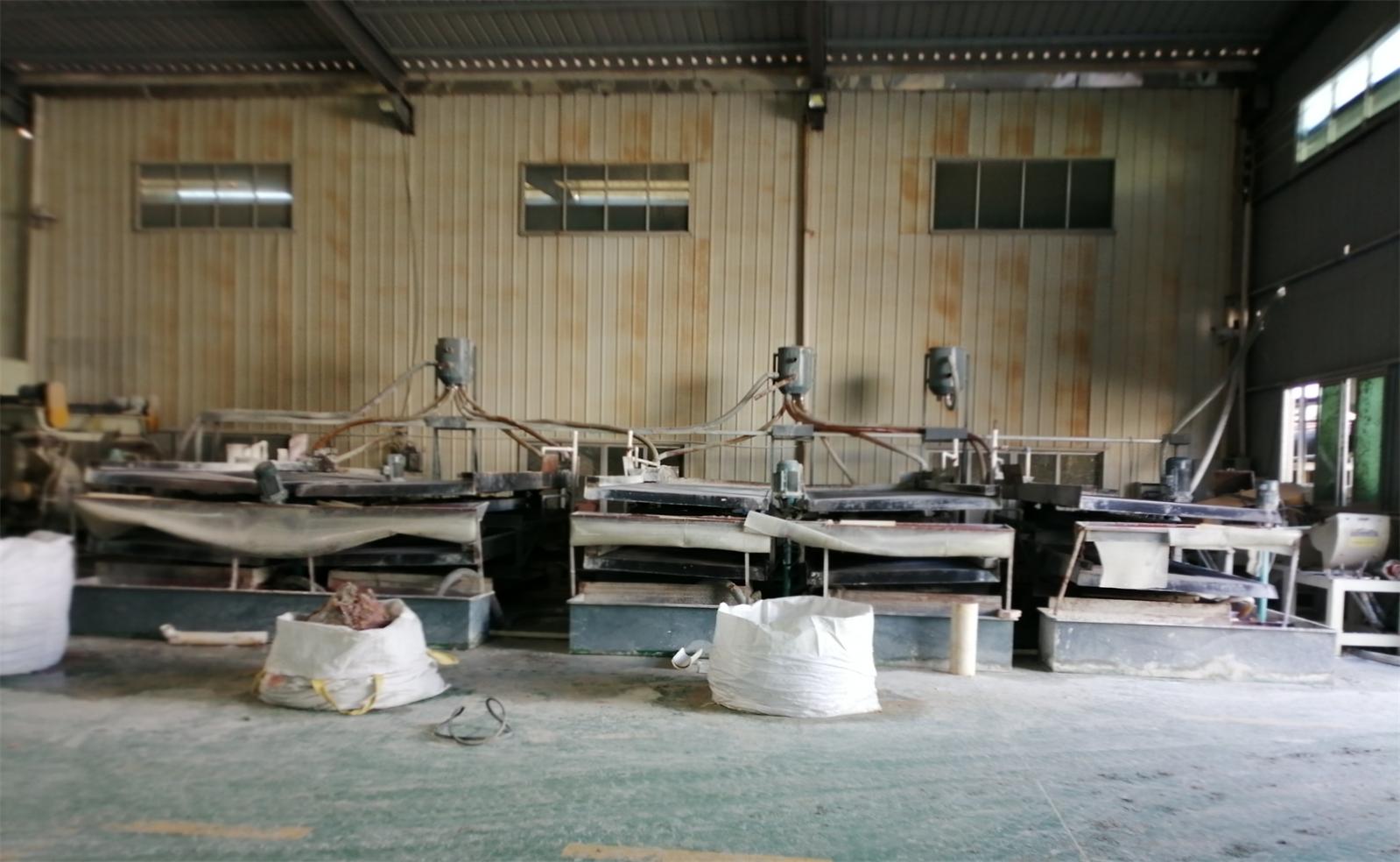
Printed circuit boards (PCBs) contain copper, gold, silver, and other valuable materials. Professional circuit board recycling equipment uses either dry air separation or wet water-metal separation to achieve copper powder purity of 96–98% and overall recovery rates around 95%. Capacities range from 300 kg/hour for smaller operations up to 2,000 kg/hour or more for industrial-scale plants.
4. Cable Recycling
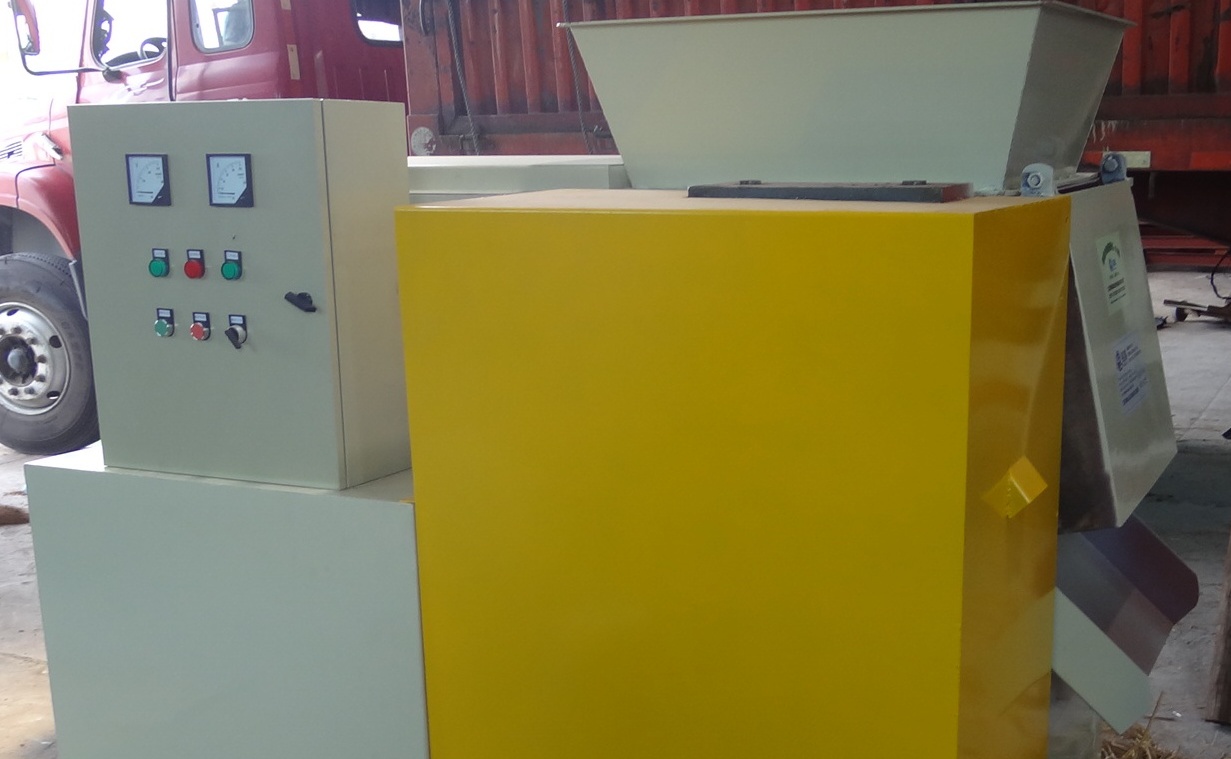
Scrap copper and aluminum cable represents one of the most accessible entry points into the recycling business. Cable recycling equipment includes manual and automatic cable strippers for large-diameter wire, as well as compact and industrial cable granulators with dry separators that turn mixed cable scrap into clean copper granules and separated plastic. Strippers can handle diameters from 1.5 mm to 150 mm, while granulators offer capacities suited to both small yards and large processing facilities.
What Sets an Experienced Equipment Partner Apart
Buying machinery is only the beginning. The real value comes from working with a manufacturer that offers end-to-end project support. Look for a partner that provides:
- Customized plant design based on your material mix, capacity targets, and local environmental rules
- Engineering, procurement, and construction (EPC) expertise to deliver turnkey installations
- Technical support from engineers with deep experience in mechanical design and recycling processes
- Assistance sourcing waste feedstock such as cable scrap, PCB scrap, or used batteries
- Help marketing your recovered outputs—copper rice, lead ingots, aluminum, and plastic—to downstream buyers
San Lan Technologies Co., Ltd, established in 2007 and based in Jiangxi Province, China, has built a track record across more than 21 countries including Singapore, Colombia, Vietnam, Mexico, Argentina, Korea, Malaysia, Indonesia, South Africa, India, Kenya, Saudi Arabia, and others. Their team combines mechanical engineering expertise with practical EPC project experience, allowing them to guide customers from initial concept through commissioning and beyond.
Beyond the Core: Supporting Equipment and New Frontiers
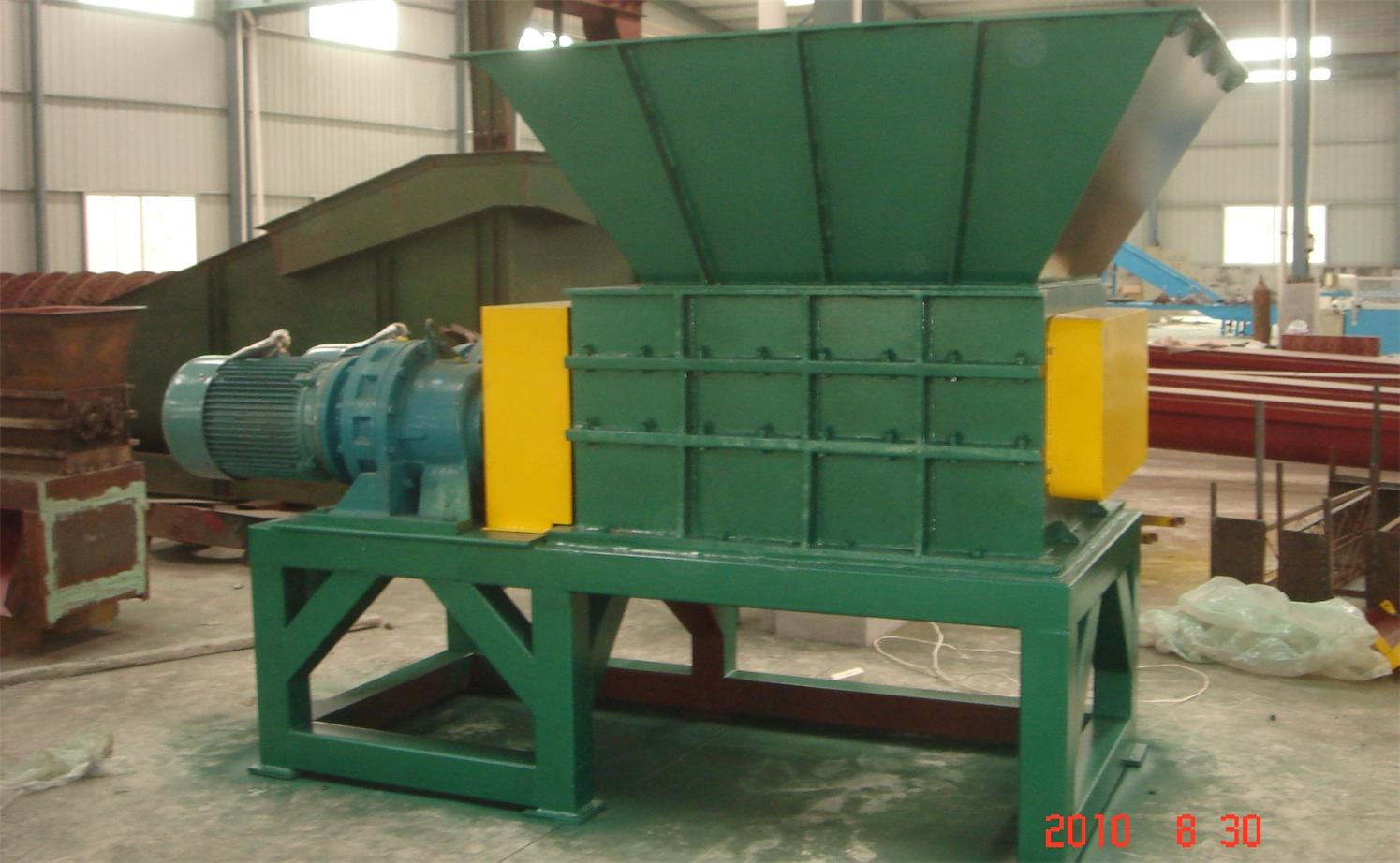
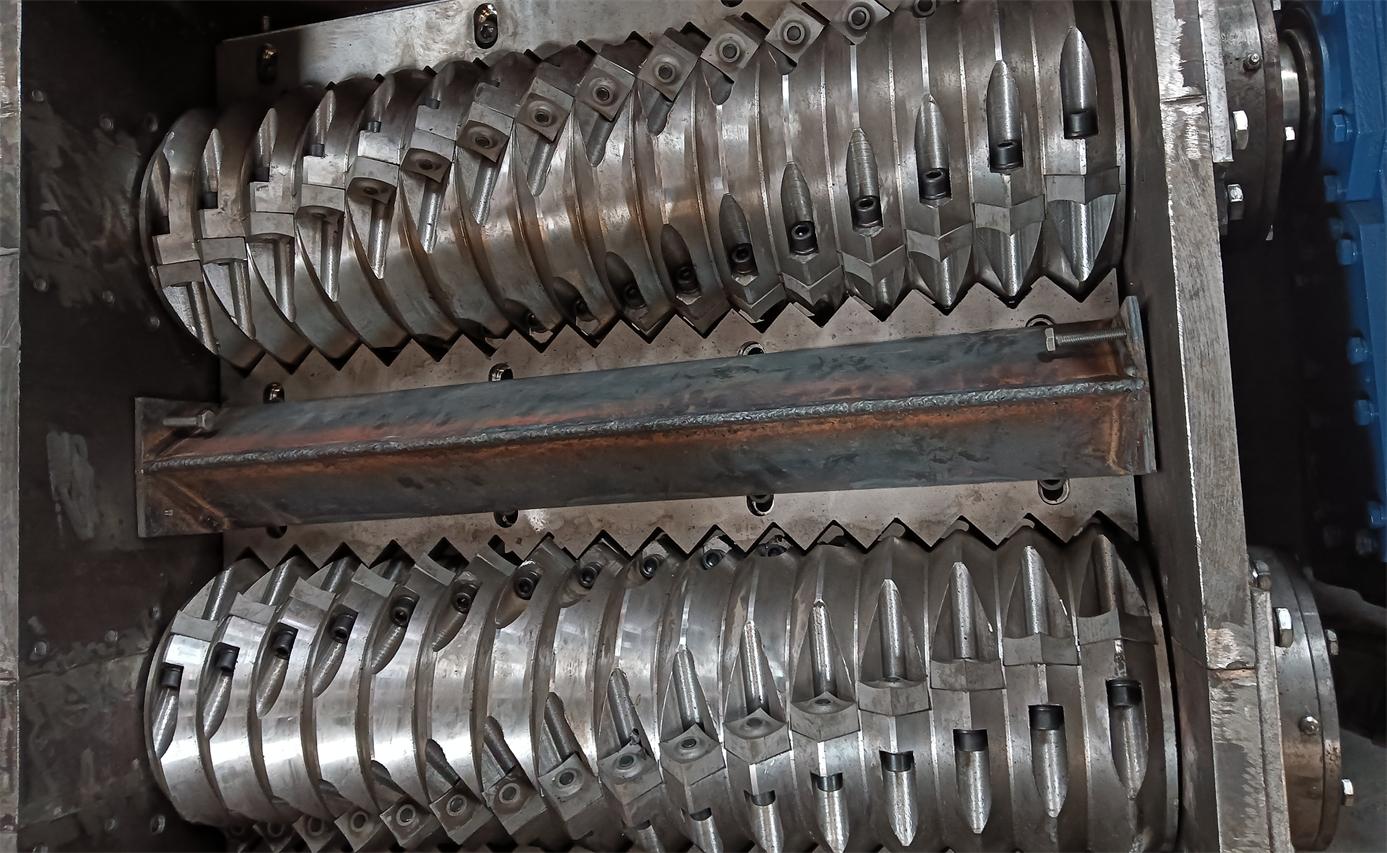
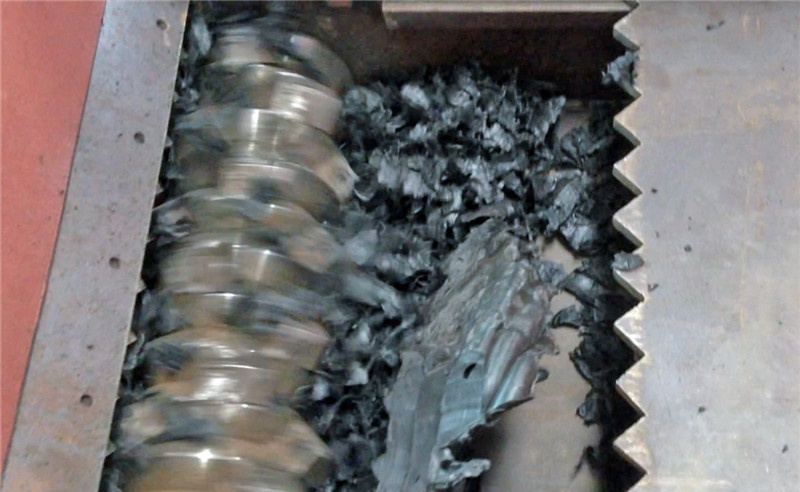
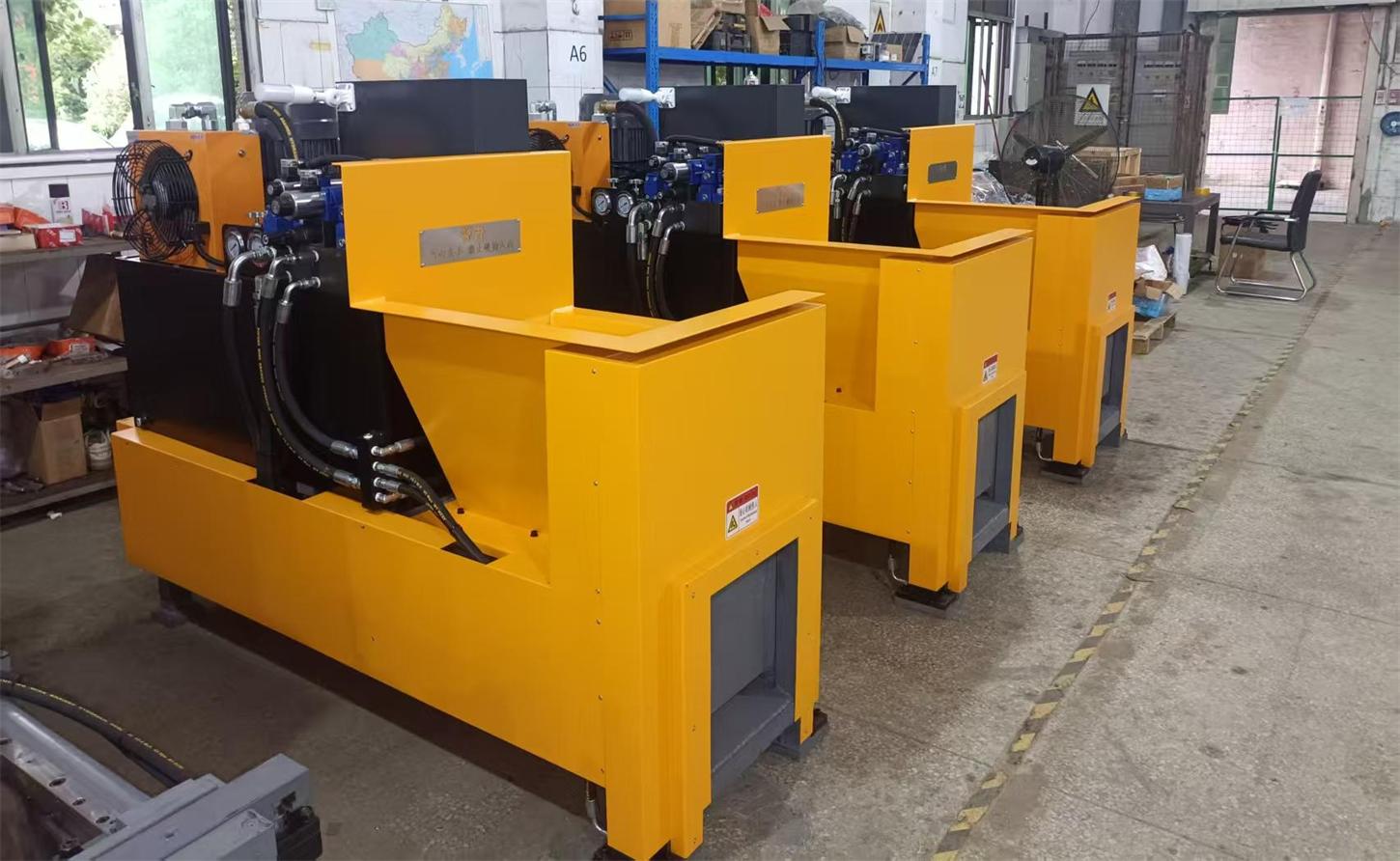
A comprehensive recycling operation often needs more than the main processing line. Shredders and pre-choppers prepare bulky e-waste for downstream separation. Hydraulic presses and balers compact metal chips or plastic film for transport. Medium-frequency induction furnaces melt recovered metals into ingots. Specialized machines such as CRT cutters, refrigerator shredding plants, motor stator cutters, and lamp recyclers address niche but regulated waste streams.
In addition to traditional e-waste, some manufacturers now offer equipment for primary and secondary mining applications. For example, lithium ore extraction plants process crude ore or tailings into lithium concentrate—a valuable capability as battery material demand continues to rise.
Making the Right Investment Decision
When evaluating recycling equipment, consider these practical factors:
- Recovery rate and purity: Higher recovery means more revenue from the same input volume.
- Environmental compliance: Built-in dust collection, gas scrubbing, and wastewater treatment help you avoid regulatory penalties.
- Energy efficiency: Features like near-infrared heating in refinery kettles can cut energy use by 30–50%.
- Scalability: Choose systems that can grow with your feedstock supply.
- After-sales support: Installation, training, and spare parts availability keep downtime to a minimum.
Start Building Your Recycling Operation Today
The transition to a circular economy is creating strong demand for responsible e-waste processing. Whether you are entering the market with a cable recycling machine or planning a full-scale lead acid and lithium battery combined plant, the equipment you choose will define your efficiency, compliance, and profitability for years to come.
Ready to explore your options? Visit www.san-lan.com to review detailed product specifications, request a customized quotation, or speak directly with an engineering specialist about your project requirements. With nearly two decades of manufacturing experience and installations across five continents, San Lan Technologies is equipped to help you turn waste streams into reliable revenue streams.
Contact San Lan Technologies
Email: info@san-lan.com | WhatsApp: +86 139 2377 4083
Website: www.san-lan.com