The global push for sustainability has transformed waste recycling from an environmental obligation into a highly profitable business opportunity. With electronic waste volumes rising annually and stricter regulations on landfill disposal, entrepreneurs and established businesses alike are investing in industrial recycling plants to recover valuable metals and materials. Whether you are targeting lead acid batteries, lithium-ion batteries, scrap cables, or printed circuit boards, the right recycling equipment can turn waste streams into consistent revenue.
Electronic waste contains concentrated deposits of copper, aluminum, lead, nickel, cobalt, and precious metals. Unlike consumer recycling, industrial-scale operations process tons of material per hour, generating substantial margins through volume efficiency. A well-designed recycling plant with modern separation technology can achieve recovery rates exceeding 95% for certain materials, significantly reducing raw material losses and maximizing profitability.
Lead Acid Battery Recycling
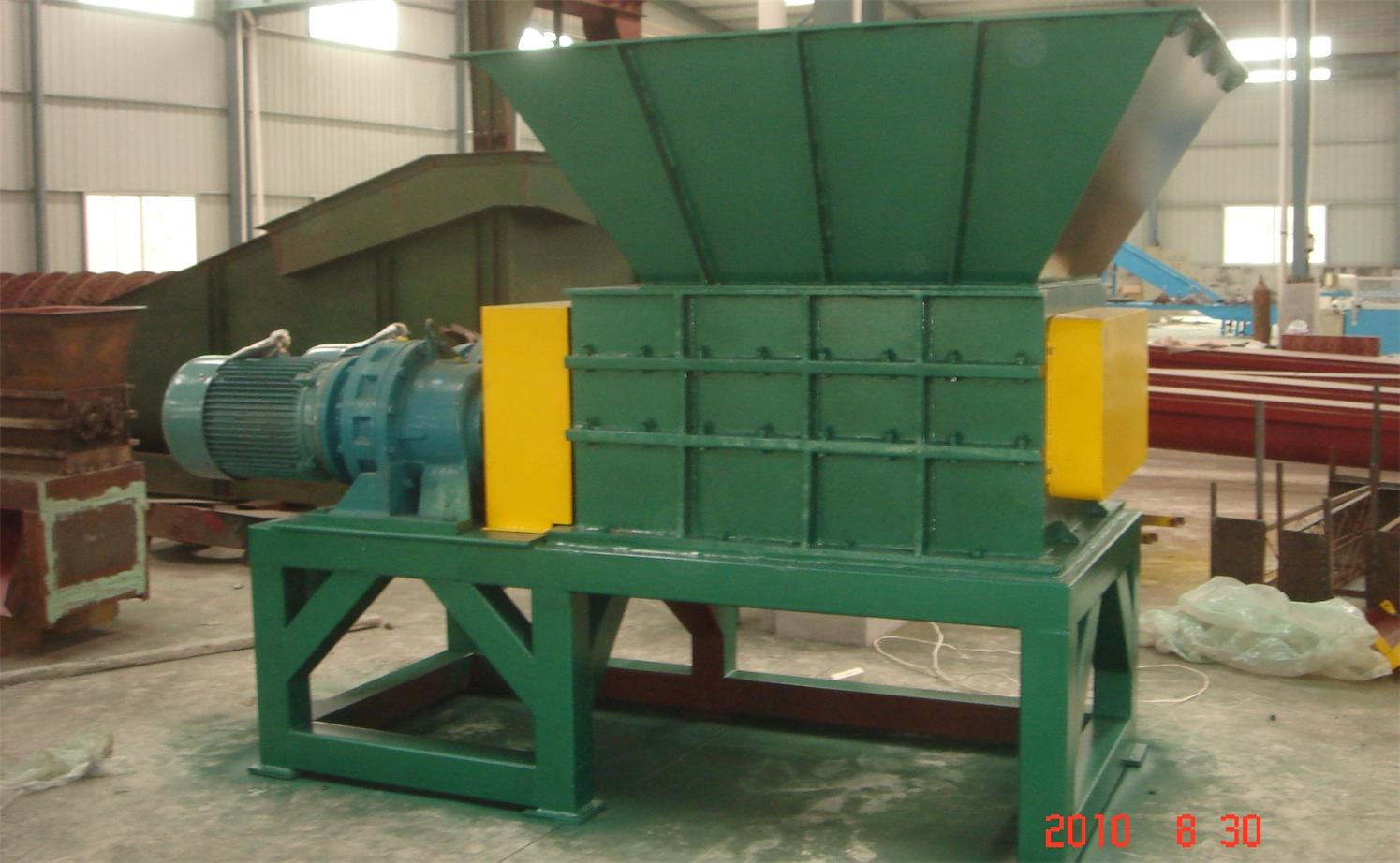
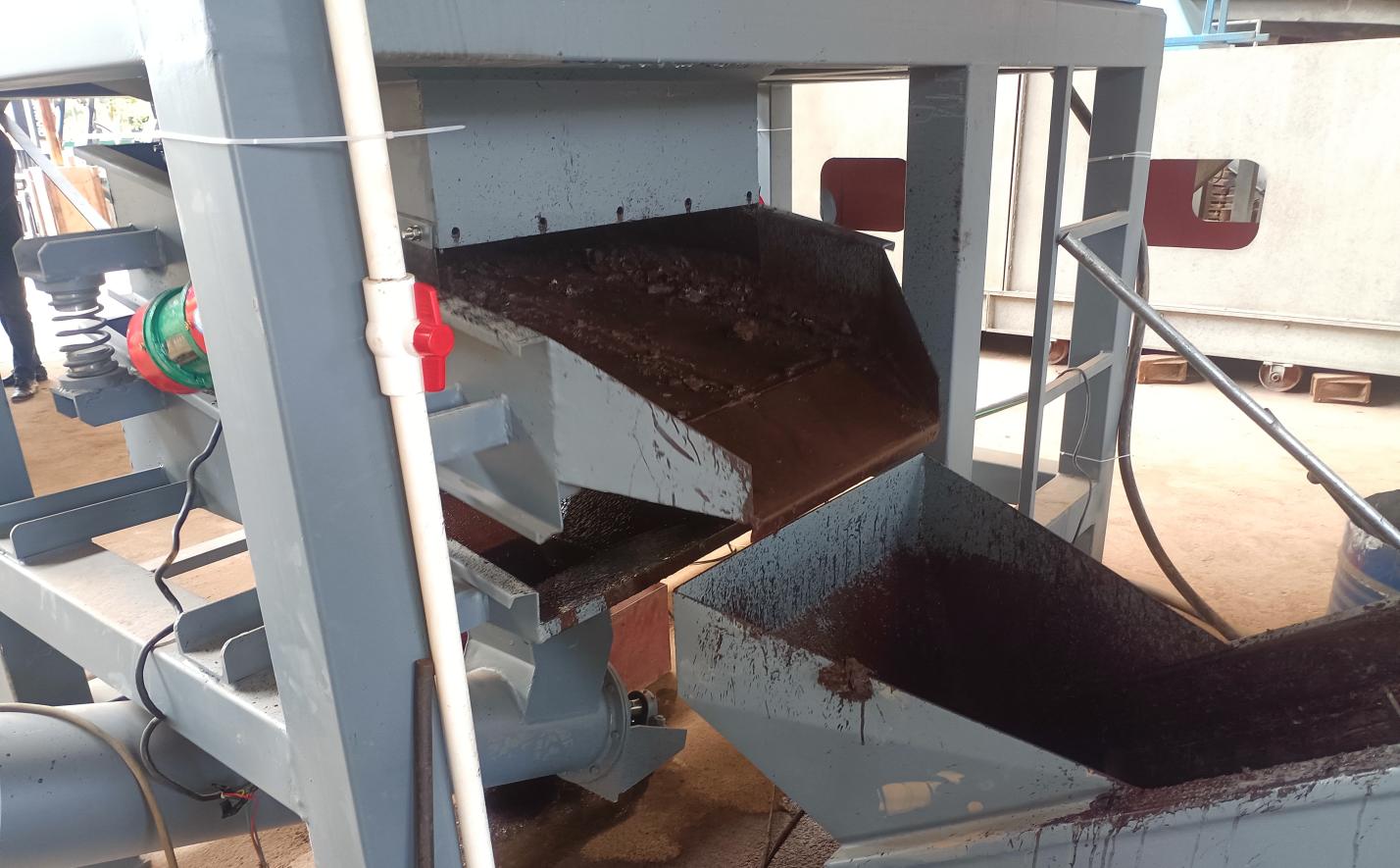
Used lead acid batteries remain one of the most recycled products globally. A complete lead acid battery recycling equipment setup breaks and separates batteries to recover lead paste, lead grids, plastic shells, and acid. With capacity options ranging from 1 to 10 metric tons per hour, these systems allow operators to process large volumes efficiently. Advanced plants also include de-sulfurization units to reduce emissions, rotary furnaces for lead paste reduction with higher recovery rates than traditional blast furnaces, and lead refinery kettle furnaces capable of producing 99.999% pure lead.
Lithium Battery Recycling
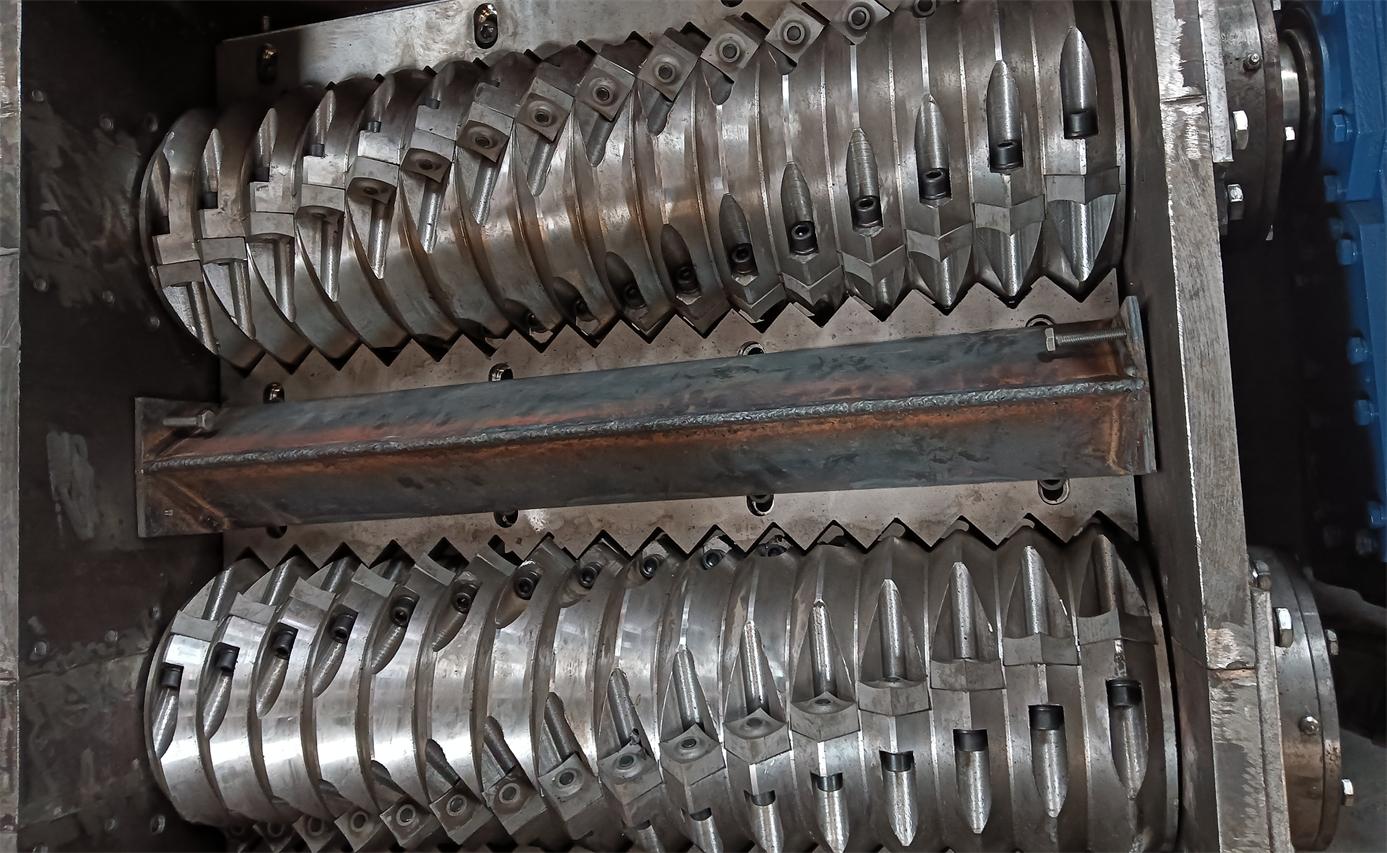
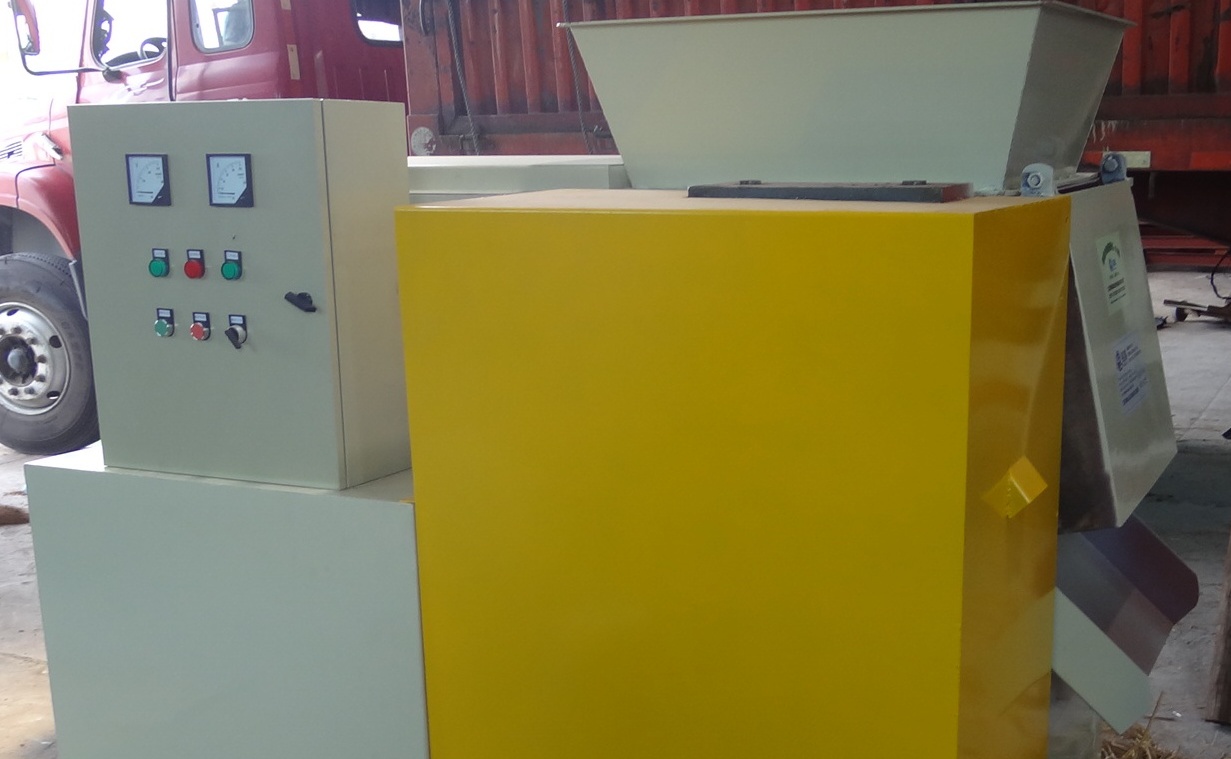
As electric vehicles and portable electronics expand, spent lithium-ion batteries represent one of the fastest-growing waste categories. Lithium battery recycling equipment breaks and separates waste batteries to recover black mass containing nickel, cobalt, and graphite, along with separated plastic, copper, and aluminum. Systems with capacities from 500 to 2,500 kilograms per hour include discharging stations, pre-crushers, secondary granulators, magnetic separation, and dedicated air pollution control systems to neutralize harmful gases before emission.
Cable and PCB Recycling
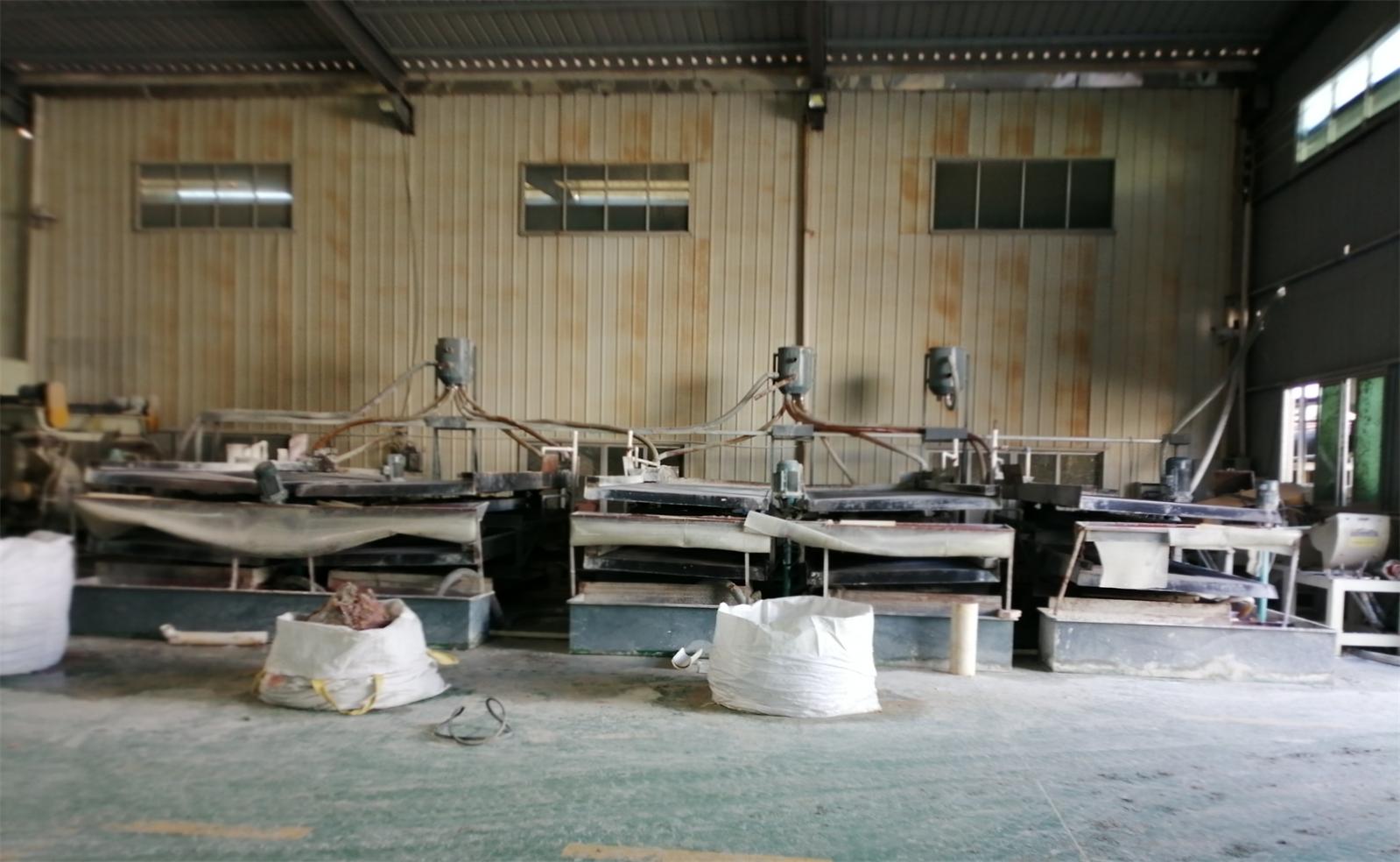
Scrap cables and printed circuit boards are rich in copper. Cable recycling equipment granulates and separates copper or aluminum from plastic insulation through dry or wet separation processes, achieving copper purity levels of 96% to 98%. Circuit board recycling equipment uses air separation, electrostatic separation, or wet metal separation to extract copper powder and precious metals without dust pollution. Capacities range from compact 300 kg/hour units to large-scale 2,000 kg/hour operations.
Choosing a reliable recycling equipment supplier goes beyond comparing machine specifications. Look for manufacturers with proven experience in EPC (Engineering, Procurement, Construction) projects who can deliver customized plant designs, one-stop purchasing, installation, and commissioning services. A strong technical team with deep expertise in mechanical engineering and over 15 years of hands-on experience in e-waste recycling machines ensures that equipment is optimized for your specific feedstock and output requirements.
Building a recycling plant from scratch involves multiple stages: material sourcing, equipment selection, facility layout, environmental compliance, and product sales. Turnkey solution providers guide operators through each phase. Some manufacturers even assist with sourcing waste materials such as cable scrap, PCB scrap, and used lead acid batteries, and help market the recovered products including copper rice, copper powder, and lead ingots. This end-to-end support reduces risk for new entrants and accelerates the path to profitability.
Modern recycling plants must meet strict environmental standards. Integrated air pollution control systems purify gases from furnaces and refinery kettles. Water treatment plants handle acidic wastewater from battery breaking processes. Filter presses separate lead paste from slurry with high efficiency. These auxiliary systems ensure that recycling operations remain compliant while protecting surrounding communities.
Industrial recycling is no longer niche. It is a mainstream business with proven demand, measurable returns, and strong regulatory tailwinds. By partnering with an experienced recycling equipment supplier and implementing a well-planned turnkey solution, operators can transform waste into valuable raw materials while building a sustainable and profitable enterprise.