Ever stepped out into the rain and felt that instant soak through your clothes? That drenching moment captures the essence of what "wet" really means – not just moisture on the surface, but something that penetrates deep , changing the very nature of what it touches. In this exploration of wet processes, we're not talking about weather; we're diving into the fascinating world where liquids transform solids, power industries, and drive innovation. Much like that unexpected downpour, wet processes have a way of reshaping everything they touch.
The Heart of Wet: Beyond Dictionary Definitions
Cambridge Dictionary defines wet as "covered in water or another liquid" , but that's just the starting point. Think about your morning coffee soaking into a sugar cube, or rain seeping into parched soil. True wetness isn't passive – it's an active relationship between liquid and solid where boundaries blur and transformations happen.
Merriam-Webster adds nuance: "consisting of, containing, covered with, or soaked with liquid" . Notice the progression here? Wetness exists on a spectrum – from a light morning dew to complete saturation. And just as your hair behaves differently when damp versus soaked, materials undergo dramatic changes along this wetness continuum.
Industrial Wet Processes: Where Science Meets Soak
The Heavy Hitters: Common Industrial Wet Techniques
From pharmaceuticals to food processing, wet methods dominate where precision meets transformation:
- Extraction: Where solvents pull compounds from solids (think caffeine from coffee beans)
- Leaching: Using liquids to dissolve metals from ores – a cornerstone of modern mining
- Wet Milling: Grinding solids in liquid to achieve ultra-fine particles in ceramics or paints
Nature's Classroom: Wet Processes in the Wild
Consider how mountain streams gradually wear down rock faces through constant wet contact – that's natural leaching in action. Or how a rainforest's humidity helps decompose fallen trees into rich soil through wet biological processes. Nature mastered wet technology millennia before humans coined the term!
The Great Debate: Wet vs. Dry Processes
| Factor | Wet Processes | Dry Processes |
|---|---|---|
| Precision | Liquids penetrate micro-pores for complete interaction | Surface-level contact only |
| Waste Reduction | Significantly lower material loss | Higher particulate loss |
| Energy Consumption | Varies widely depending on drying needs | Generally lower thermal energy |
| Environmental Impact | Requires water recycling systems | Creates airborne pollutants |
Real-World Application: Lithium Extraction
The shift toward green energy hinges heavily on lithium, and wet extraction dominates this field . Brine pumping operations in salt flats use natural evaporation (a hybrid wet-dry process) to concentrate lithium before purification. The superiority of wet methods here? They achieve over 90% recovery rates versus just 40-60% for thermal dry extraction.
Modern techniques like Direct Lithium Extraction (DLE) take this further, using specialized adsorbents in **lithium extraction pilot plants** to selectively capture lithium ions from brines. This industry advancement significantly cuts water usage and land impact compared to traditional methods.
Cutting-Edge Innovations
New advances target the traditional drawbacks of wet processes:
- Closed-Loop Water Systems: Facilities achieving 95%+ water recycling rates
- Sonochemistry: Using sound waves to accelerate wet reactions
- Smart Wet Sensors: Real-time monitoring of liquid penetration depth
The Human Element: Why Wet Matters
Think of ceramics artists "throwing" clay on a wheel. The water isn't just lubrication – it enables plasticity, lets particles slide into alignment, and gives the material memory that persists even after firing. That transformation from muddy lump to functional art? It's a microcosm of how controlled wet processes create things that endure.
This isn't just industrial chemistry; it's fundamentally human. The satisfying squish of wet garden soil between fingers, the way soaked wood grain shows its history – our connection to wetness runs deeper than the surface.
The Future of Wet
As nanotechnology advances, wet processes will dominate at microscopic scales where liquids behave fundamentally differently. Biomimicry research looks to nature's wet mastery – from beetle shells harvesting fog to plant roots selectively absorbing minerals. The next frontier? Programmable wet reactions that self-adjust to material conditions.
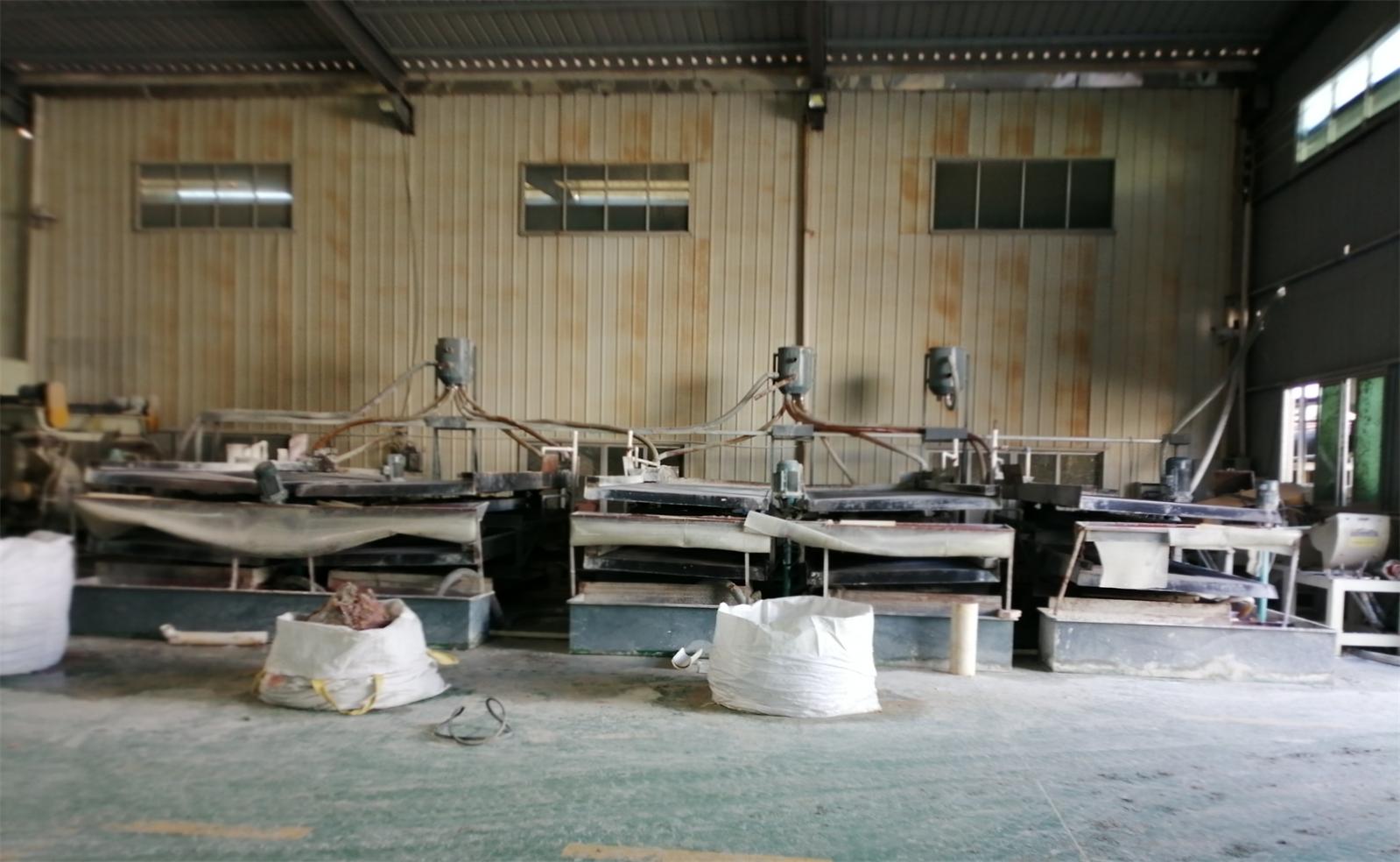
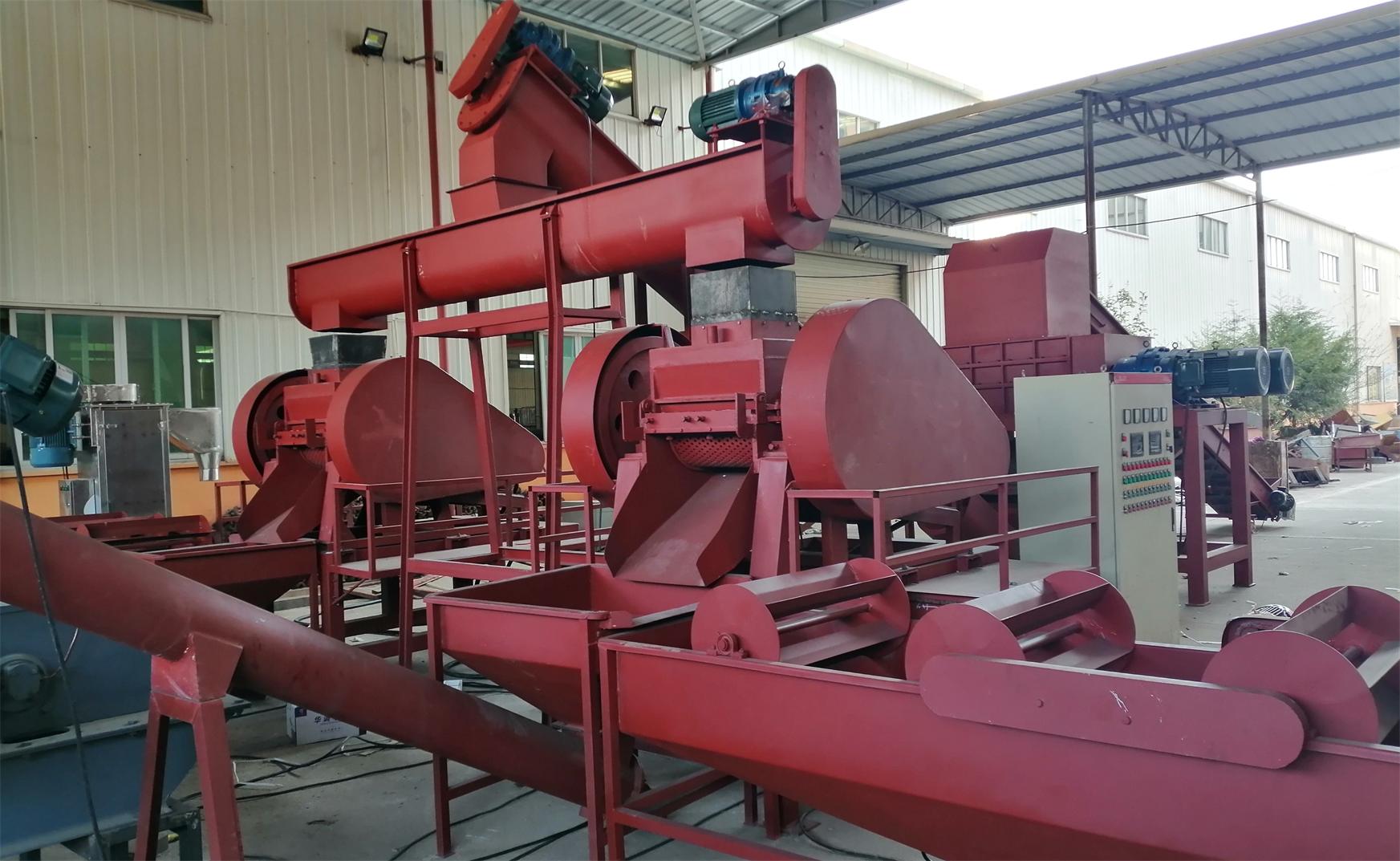
In many recycling applications, wet processes are being optimized for minimal energy consumption. Cable stripping machines, for example, are moving toward water-based separation systems that recover copper more efficiently while reducing airborne particulates.
Whether we're talking about raindrops on a window or complex industrial reactions, wetness represents a fundamental transformation mechanism . It's the universe's tool for dissolving barriers, creating bonds, and changing states. As technology advances, our understanding of wet processes evolves from simple contact to intricate liquid-to-solid interfaces where the most important industrial and environmental innovations are brewing.
Next time you wring out a soaked towel or watch sugar disappear into coffee, remember: you're witnessing the same principles that power industries, extract essential resources, and could solve our most pressing environmental challenges. In every drop, there's potential for transformation.