Lead has been a cornerstone material in human industry for centuries, from ancient plumbing to modern electronics. But in today’s world, where sustainability is more critical than ever, lead refining isn’t just about producing new metal—it’s about breathing life into old, discarded materials. Think about all the lead-acid batteries in cars, trucks, and backup power systems; when they reach the end of their life, they don’t have to become waste. Instead, they become a valuable resource, thanks to lead refiners. These specialized machines and systems take scrap lead, purify it, and turn it into high-quality metal ready for new products. But not all lead refiners are the same. They come in different shapes, sizes, and technologies, each designed for specific jobs. Let’s dive into the world of lead refiners and explore the main types you’ll encounter in the recycling and metal processing industry.
First, what exactly is a lead refiner?
Before we get into types, let’s clarify what a lead refiner does. At its core, a lead refiner is a piece of equipment (or a system of equipment) that takes impure lead—like scrap from old batteries, pipes, or electronics—and removes contaminants. The goal? To produce “refined lead” that meets industry standards, often 99.99% pure or higher. This process usually involves melting the scrap lead, separating out impurities (like sulfur, antimony, or dirt), and then casting the purified metal into ingots or other forms. Without lead refiners, recycling lead would be inefficient, and we’d rely more on mining raw lead ore—bad news for the environment and our wallets.
Now, the key here is that lead refiners aren’t one-size-fits-all. The type you choose depends on where the scrap lead comes from, how much you need to process, and what level of purity you require. For example, a small recycling shop handling a few hundred kilograms of battery scrap each day might use a different refiner than a massive facility processing tons of lead from industrial waste. Let’s break down the most common types.
Type 1: Blast Furnace Lead Refiners (Cupola Furnaces)
If you picture a traditional metal foundry, you’re probably imagining a blast furnace. These are the workhorses of the lead refining world, especially in large-scale operations. Blast furnaces (often called cupola furnaces when used for lead) have been around for decades, and they’re still widely used today because they’re reliable and can handle huge volumes of scrap.
How do they work?
A blast furnace for lead refining is a tall, cylindrical structure made of heat-resistant materials like refractory brick. Here’s the basic process: First, workers load layers of scrap lead (often from lead-acid batteries) and a fuel source (usually coke, a form of coal) into the top of the furnace. Then, air is blown into the bottom of the furnace, causing the coke to burn at extremely high temperatures—around 1,000°C to 1,300°C. This heat melts the lead, which sinks to the bottom of the furnace. Meanwhile, impurities (called “slag”) float to the top because they’re less dense than molten lead. The slag is skimmed off, and the molten lead is drained out through a tap hole at the bottom.
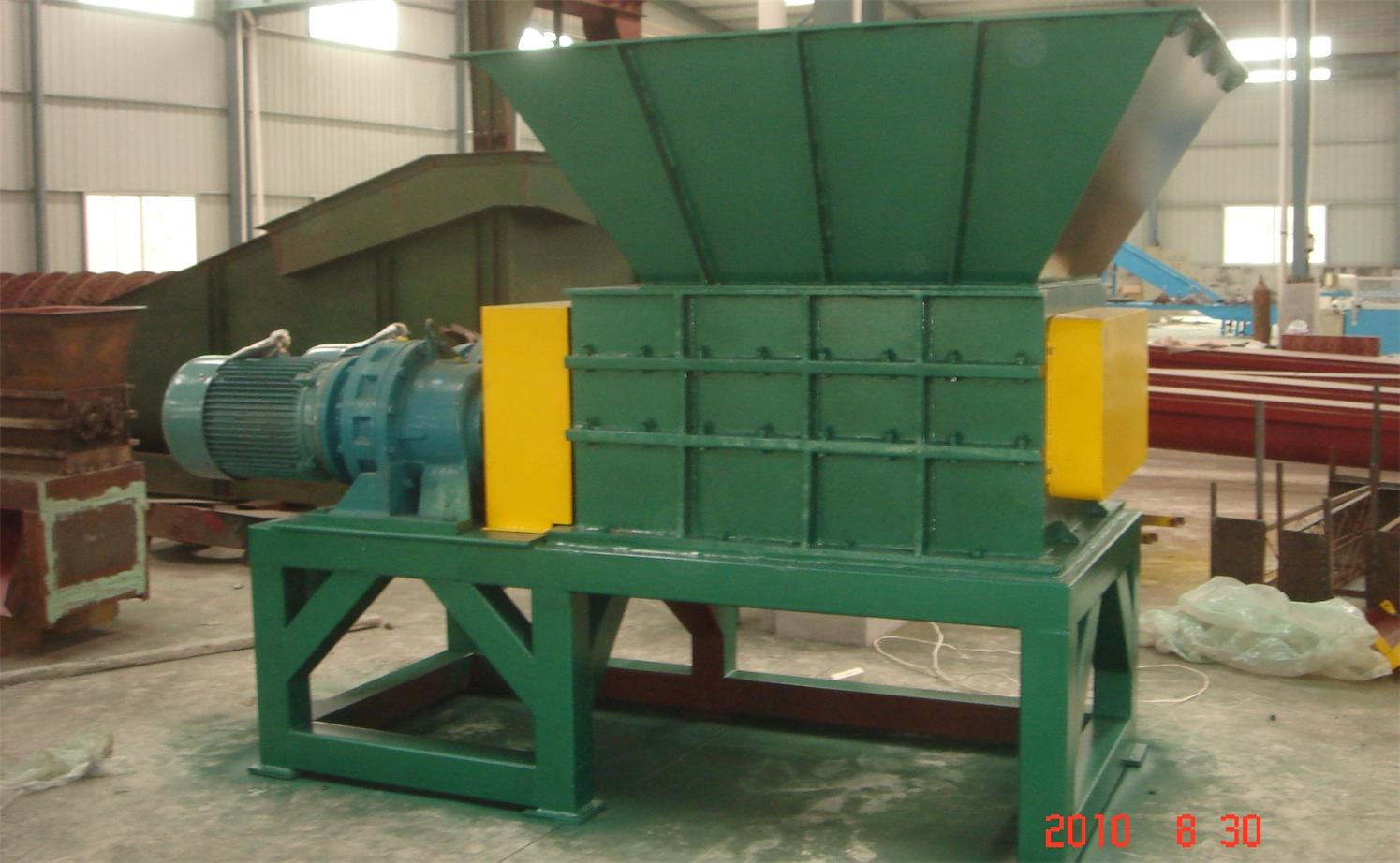
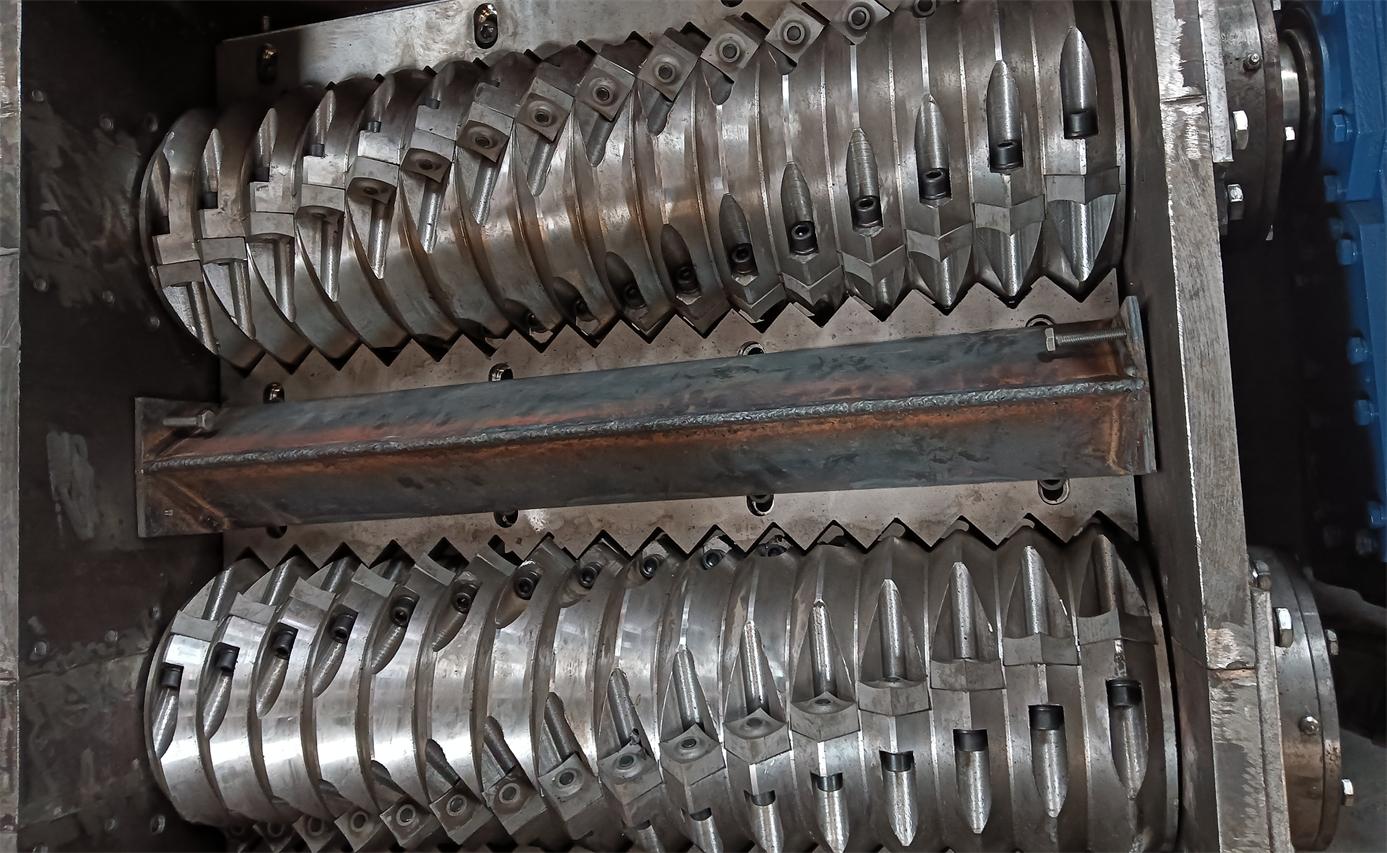
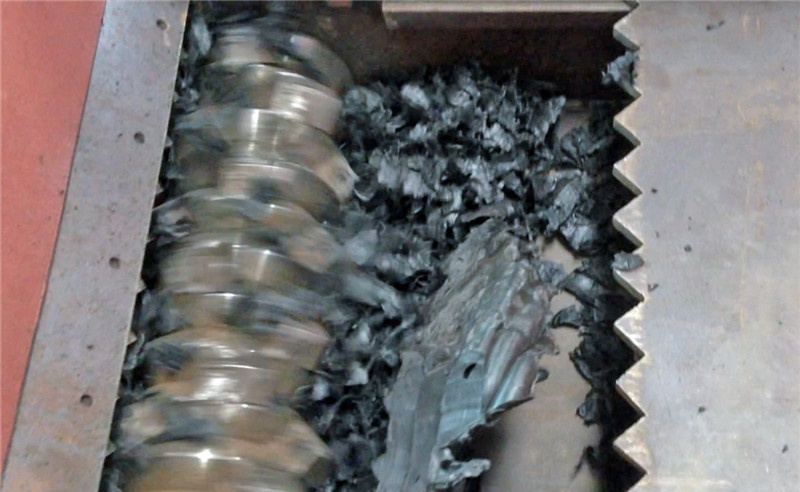
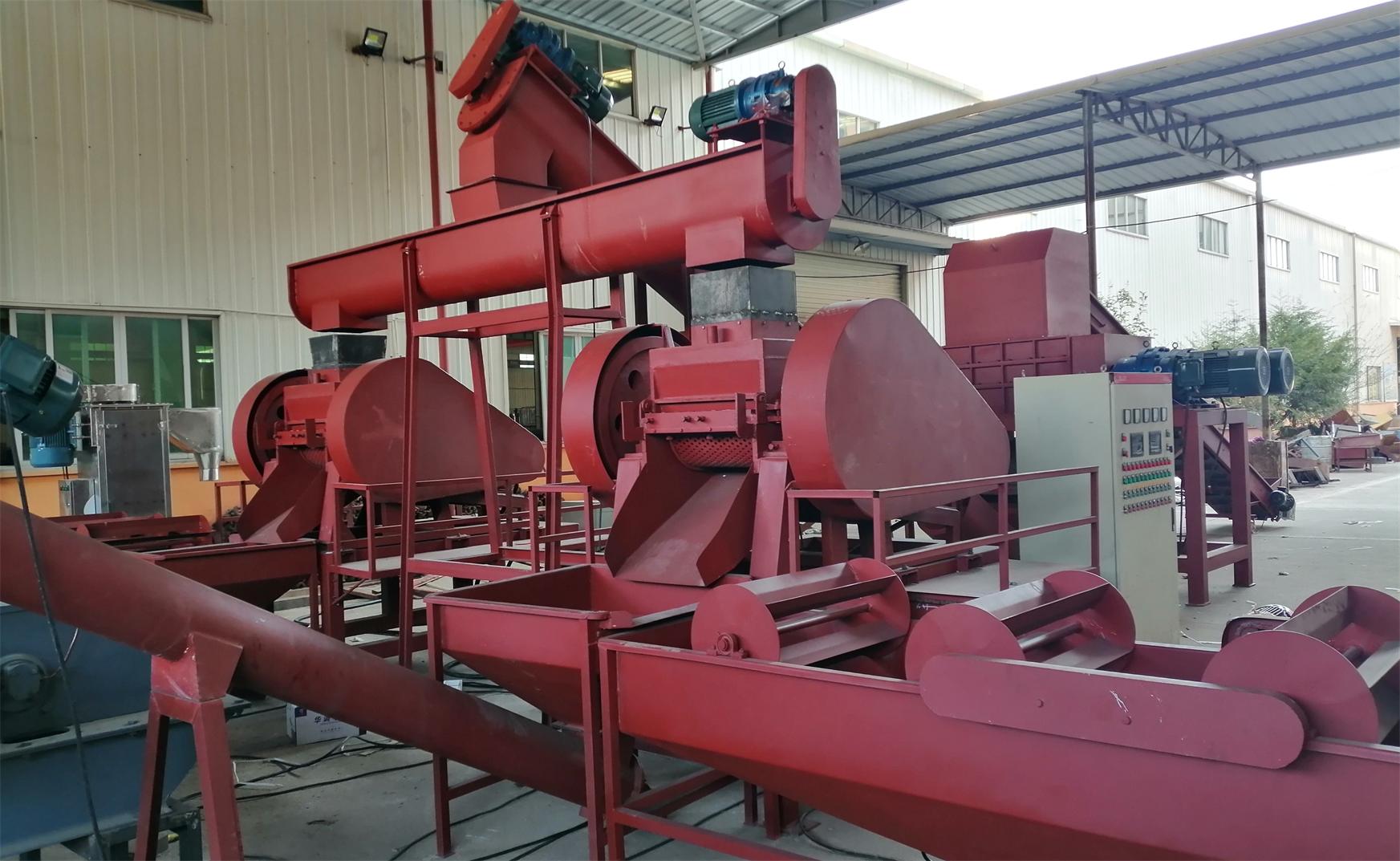
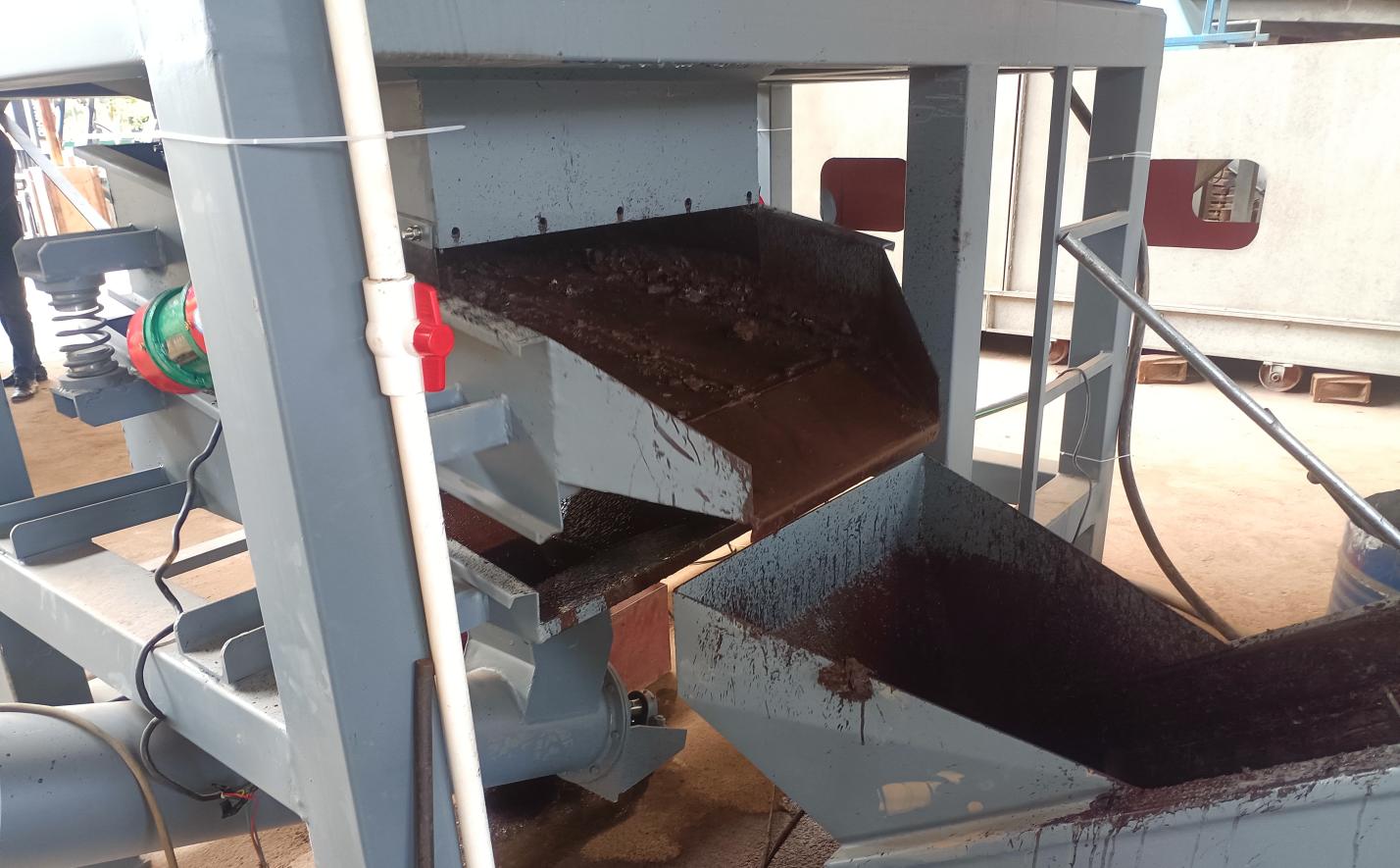
One thing to note: Blast furnaces are often paired with other equipment in a complete system. For example, before the scrap lead even enters the furnace, it might go through a lead acid battery recycling equipment system to break down old batteries, separate the lead plates from the plastic casing and acid, and prepare the lead for melting. This makes the blast furnace more efficient because it’s only handling clean, concentrated lead scrap.
Best for: High-volume, industrial-scale recycling
Blast furnaces shine when you need to process a lot of lead quickly. Think facilities that handle 50+ tons of scrap per day. They’re especially common in regions with large automotive or battery manufacturing industries, where there’s a steady stream of used lead-acid batteries. For example, a blast (cupola) furnace for lead battery recycling plant might process thousands of old car batteries weekly, turning them into refined lead ingots that get sold back to battery manufacturers.
Pros and cons
Pros: High capacity (can process tons per hour), low operating costs for large batches, reliable technology with a long track record. Cons: They’re big and require a lot of space, need a constant supply of fuel (coke), and can be less energy-efficient than newer technologies. Also, they might not be the best choice for very low-volume operations—like a small shop processing less than a ton per day—because they take time to heat up and aren’t cost-effective at small scales.
Type 2: Medium Frequency Electric Furnace Refiners
As technology advances, electric furnaces have become more popular in lead refining, and medium frequency electric furnaces are leading the pack. Unlike blast furnaces, which use coke or natural gas for heat, these furnaces use electricity—specifically, medium frequency alternating current (AC)—to generate heat through induction. Here’s how it works: The furnace has a coil around the melting chamber. When electricity flows through the coil, it creates a magnetic field, which induces currents in the metal scrap inside the chamber. Those currents generate heat, melting the lead from the inside out. It’s like a super-powered induction cooktop, but for lead.
Why medium frequency?
You might wonder why “medium frequency” specifically. Frequency affects how efficiently the furnace melts metal. Low frequency (like 50Hz, the standard power grid frequency) works but is slower. High frequency is faster but less energy-efficient for large volumes. Medium frequency (typically 1,000–10,000Hz) strikes a balance: it melts lead quickly and uses energy efficiently, making it ideal for both small and medium-scale operations.
Medium frequency electricity furnace equipment is often compact compared to blast furnaces, making it a good fit for facilities with limited space. It’s also cleaner—no burning coke means fewer emissions, which is a big plus for environmental compliance. Many modern recycling plants prefer these furnaces because they’re easier to control: operators can adjust the temperature with precision, which helps in removing specific impurities. For example, if you need to reduce sulfur content, you can tweak the heat and processing time to target that contaminant.
Best for: Medium to large batches, precise purity requirements
Medium frequency electric furnaces are versatile. They work well for operations processing 1–50 tons per day, whether it’s battery scrap, lead pipes, or even mixed metal waste. They’re particularly popular in regions with access to affordable electricity, as their operating cost depends heavily on power prices. If you’re running a lead acid battery recycling plant that needs to produce high-purity lead (like 99.99% pure) for sensitive applications—say, medical equipment batteries—these furnaces are a solid choice because they allow for tight control over the refining process.
Pros and cons
Pros: Energy-efficient, clean (low emissions), precise temperature control, compact size, and faster startup time (no need to preheat for hours like a blast furnace). They also produce less slag, which means less waste to dispose of. Cons: Higher upfront cost than blast furnaces (the electrical components and controls are more expensive), and they depend on a stable power supply. If your area has frequent power outages, this could be a problem. Also, for very high volumes (100+ tons/day), a blast furnace might still be more cost-effective.
Type 3: Rotary Furnace Refiners (for Paste Reduction)
Now, let’s talk about a specialized type of lead refiner: rotary furnaces, often used in lead acid battery recycling. Here’s the thing: lead-acid batteries don’t just have lead plates—they also have a “paste” inside, a mixture of lead oxide, sulfuric acid, and other compounds. This paste is rich in lead, but it’s not pure metal yet. To extract lead from the paste, you need a reduction process, and that’s where rotary furnaces come in.
A rotary furnace for paste reduction (lead acid battery recycling plant) is a long, cylindrical drum that rotates slowly. The battery paste (after being separated from the plates and plastic) is loaded into the drum, along with a reducing agent like coke or charcoal. As the drum rotates, the paste tumbles and mixes with the reducing agent, and heat (from gas burners or electric heaters) is applied. The high temperature and reducing environment convert the lead oxide in the paste into metallic lead, which melts and collects at the bottom of the furnace. The result? A molten lead alloy that can then be further refined in another furnace (like a medium frequency furnace) to remove any remaining impurities.
Best for: Lead paste processing in battery recycling
Rotary furnaces aren’t standalone refiners for all lead scrap—they’re niche tools designed specifically for battery paste. If you’re running a full lead acid battery recycling equipment line, you’ll likely have a rotary furnace as part of the process: first, a machine breaks the batteries, separates the paste from the plates and plastic, then the paste goes into the rotary furnace for reduction, and the resulting lead alloy is sent to a refiner (like a medium frequency furnace) for final purification. Without rotary furnaces, extracting lead from battery paste would be much harder and less efficient.
Pros and cons
Pros: Perfect for processing battery paste (a major source of lead scrap), efficient at converting lead oxide to metal, and relatively low maintenance. The rotating drum ensures even mixing, so you get consistent results. Cons: Limited application (only for paste, not solid lead scrap), and they require a separate furnace for final purification. They also generate some emissions, so you’ll need proper ventilation or air pollution control systems.
Type 4: Lead Refinery Machine Equipment (Integrated Systems)
So far, we’ve talked about furnaces, but lead refining often involves more than just melting metal. That’s where lead refinery machine equipment comes in. These aren’t single machines—they’re integrated systems that combine multiple steps: melting, separating impurities, casting, and sometimes even testing the lead’s purity. Think of them as “all-in-one” solutions for small to medium-scale recyclers who don’t want to piece together separate equipment.
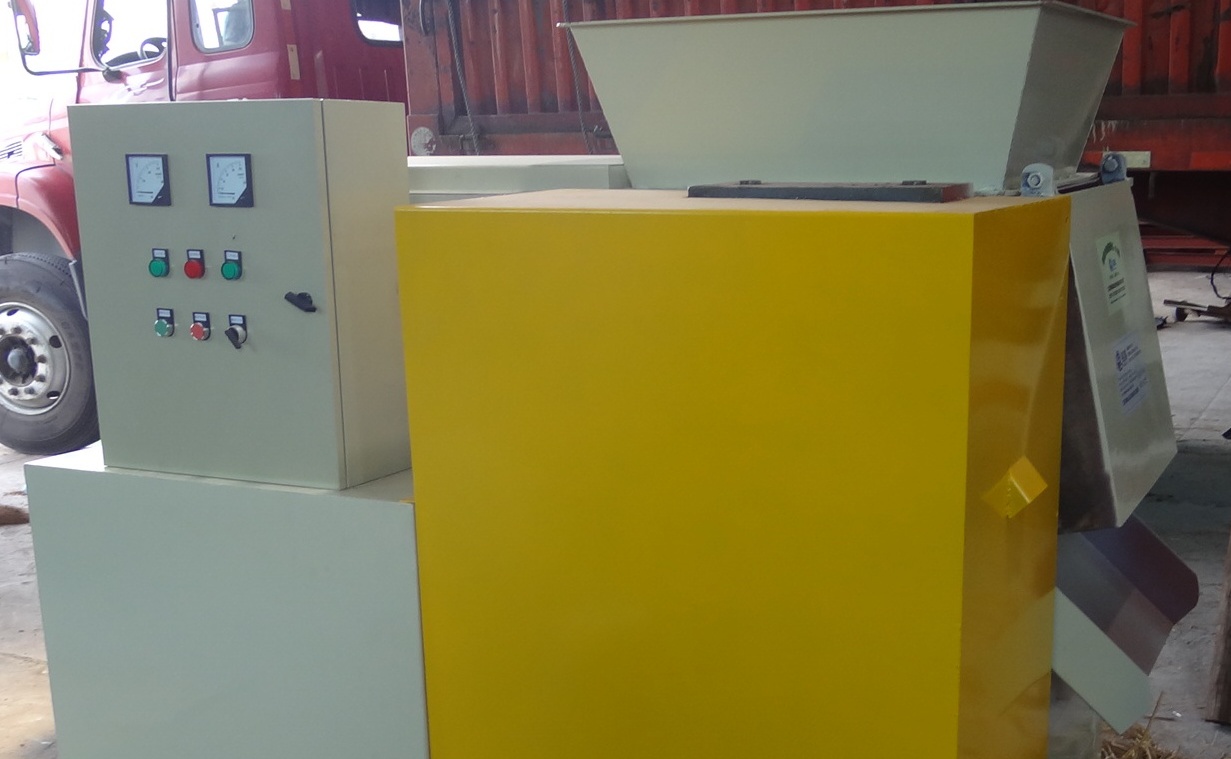
For example, a basic lead refinery machine system might include: a small electric melting furnace (maybe a low-frequency or medium frequency model), a slag separator to skim off impurities, a casting mold to form ingots, and a simple control panel to monitor temperature and processing time. These systems are designed to be user-friendly—even for operators with limited experience. They’re often used by small battery shops, auto repair garages, or local recycling centers that handle a few hundred kilograms to a ton of lead scrap per day.
What makes these systems unique is their flexibility. Some are designed specifically for lead-acid battery scrap, with attachments to help break down batteries and separate the lead. Others can handle mixed scrap, like lead pipes and sheets. They’re not as powerful as industrial blast furnaces, but they’re affordable and easy to install—you don’t need a huge factory to set one up. If you’re just starting a lead recycling business, a lead refinery machine system might be your first investment.
Best for: Small-scale operations and startups
These integrated systems are ideal if you’re processing less than 5 tons per day. Let’s say you run a local battery recycling drop-off center, and you collect 50–100 old car batteries each week. Instead of sending the scrap to a large refinery, you could process it on-site with a lead refinery machine system, cast the refined lead into ingots, and sell them directly to metal buyers. This cuts out the middleman and increases your profit margin.
Pros and cons
Pros: Compact, easy to use, all-in-one functionality, lower upfront cost than industrial furnaces. Cons: Limited capacity (can’t handle large volumes), and they might not produce lead as pure as specialized furnaces. Also, you’ll still need to handle the “pre-processing” of scrap—like breaking batteries or removing plastic—unless the system includes those features.
Comparing the types: Which lead refiner is right for you?
To help you decide, let’s summarize the key differences between the main types of lead refiners in a table:
| Refiner Type | Best For Volume | Primary Fuel/ Power Source | Key Features | Typical Applications |
|---|---|---|---|---|
| Blast Furnace (Cupola) | 50+ tons/day | Coke, natural gas | High capacity, traditional technology, produces large slag amounts | Industrial battery recycling plants, large-scale metal scrap yards |
| Medium Frequency Electric Furnace | 1–50 tons/day | Electricity (medium frequency AC) | Energy-efficient, precise temperature control, low emissions | Medium battery recycling plants, high-purity lead production |
| Rotary Furnace (Paste Reduction) | Depends on paste volume | Gas or electricity | Specialized for battery paste, requires secondary refining | Lead acid battery recycling (paste processing step) |
| Lead Refinery Machine Equipment (Integrated) | <1–5 tons/day | Electricity (low/medium frequency) | All-in-one system, user-friendly, compact | Small recycling shops, local battery drop-off centers |
Why does the type of lead refiner matter?
Choosing the right lead refiner isn’t just about cost—it’s about efficiency, sustainability, and meeting your business goals. For example, if you’re in a region with strict environmental regulations, a medium frequency electric furnace might be better than a blast furnace because it emits less pollution. If you need to process battery paste, a rotary furnace is non-negotiable. And if you’re just starting small, an integrated lead refinery machine system can help you get off the ground without breaking the bank.
Another thing to consider is the source of your scrap. Most lead scrap comes from lead-acid batteries (about 80% of all recycled lead, according to industry reports), so if that’s your main material, you’ll want a refiner that pairs well with lead acid battery recycling equipment . For example, a blast furnace or medium frequency furnace combined with a battery breaker and paste separator would be a good setup. If you’re handling mixed scrap (like lead pipes, sheets, and batteries), an integrated system might be more versatile.
The future of lead refiners
As the world pushes for greener manufacturing and circular economies, lead refiners are evolving too. We’re seeing more focus on energy efficiency—like advanced medium frequency furnaces that use less electricity—or hybrid systems that combine electric melting with solar power. There’s also a trend toward automation: refiners with sensors that monitor lead purity in real-time, or robotic arms that handle casting and ingot stacking. These technologies not only make refining more efficient but also reduce human error and labor costs.
Another big trend is miniaturization. Smaller, portable lead refiner systems are becoming available for remote areas or mobile recycling operations. Imagine a truck-mounted refiner that can process battery scrap on-site at a construction site or mining camp—no need to transport heavy scrap long distances. While these are still niche, they’re gaining traction in regions with limited infrastructure.
Wrapping up: Choosing your lead refiner
Lead refiners are the unsung heroes of the recycling industry. They turn what would be waste into valuable metal, reducing our reliance on mining and cutting down on environmental harm. Whether you’re a large industrial plant or a small local recycler, there’s a lead refiner out there for you: blast furnaces for high volume, medium frequency electric furnaces for efficiency and precision, rotary furnaces for battery paste, or integrated systems for small-scale operations. The key is to assess your needs: How much scrap do you process? What’s your budget? What purity do you need? Answering these questions will help you pick the right type—and keep the lead recycling cycle going strong.
So the next time you start your car or power up a backup battery, take a moment to appreciate the lead refiner that made it possible. It’s not just a machine—it’s a bridge between waste and sustainability.