Have you ever watched a hydraulic press smash a bowling ball or flatten a diamond like it was made of playdough? That visceral feeling of pure destruction hits something primal in us – a mix of awe and dread at raw, uncontained power. But hydraulic presses aren’t just YouTube spectacle machines. They’re the muscle behind industry, science, and innovation. Today, we’re diving deep into the jaw-dropping world of the planet’s most powerful hydraulic presses: what they can crush, how they work, and why even diamonds aren’t safe.
The Insane Physics Behind the Crush
Let’s start simple: hydraulic presses don’t rely on magic – just brutal, beautiful physics. Ever heard of Pascal’s Law? It’s the quiet genius pumping life into these giants. Imagine squeezing a tube of toothpaste hard at one end – that paste bursts out everywhere, right? Hydraulic presses apply that same principle but with liquid metal-crushing force.
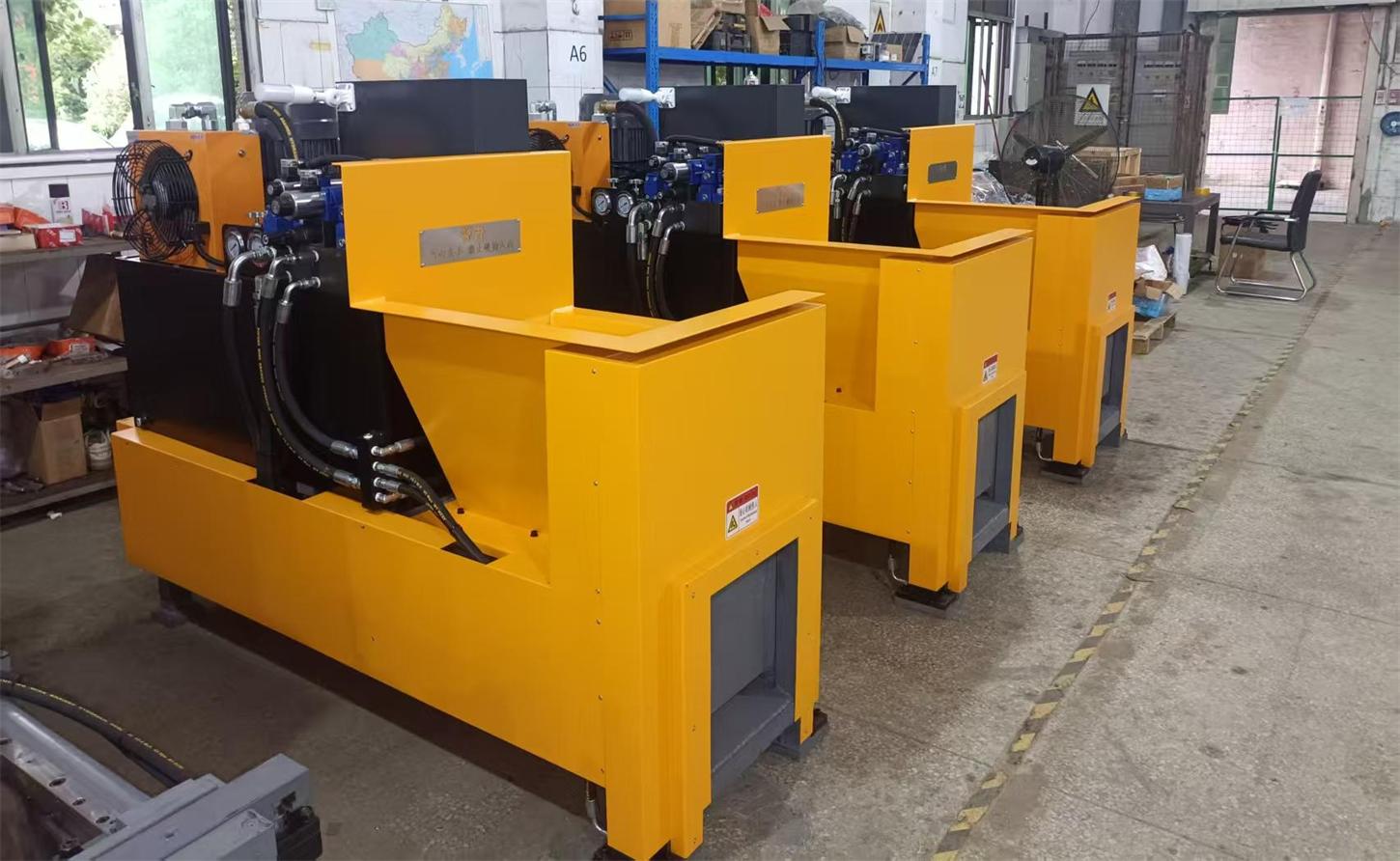
Picture two pistons: one tiny, one massive. Pushing on the small piston creates pressure in hydraulic fluid that’s instantly transmitted to the big piston – multiplying force exponentially. So how powerful are we talking? These beasts are measured in tons of force , with everyday industrial models hitting 20 tons…while the big boys flex at thousands.
Think of them like the transformers of force: your small human shove becomes a mountain-flattening god fist.
Meet the King of Crush: "Fifty"
Finland isn’t just about lakes and saunas – it’s home to hydraulic royalty. Meet "Fifty" , the undisputed champion crushing everything in its path. This mammoth machine, built by Japanese powerhouse IHI, cranks out an eye-watering 50,000 metric tons of force. To wrap your head around that weight, imagine 10 fully-loaded Saturn V rockets pressing down. At once. On a single spot.
So what do you build by crushing things that hard? Aerospace parts, turbine disks – things needing titanium-like precision. It’s a form of extreme sculpting, forcing metals into shapes for fighter jets and rockets. No ordinary hammer could bend thick steel blocks like butter; "Fifty" does it while snacking on skyscraper I-beams.
Smash Therapy: Crushing for Science (and Fun)
YouTube turned hydraulic presses into unlikely celebrities. There’s something hypnotic – almost therapeutic – watching everyday stuff get obliterated:
- Soda cans : Pop! They collapse satisfyingly like cheap foil.
- Smartphones : Glass explodes, circuit boards shatter like brittle candy. Who knew tech was this fragile?
- Golf balls : Solid rubber? Nope. More like collapsing rubber bubbles.
It’s science disguised as play. We learn:
- Materials have personalities : Brittle glass shatters instantly; ductile aluminum crumples slowly.
- Strength ≠ what you think : What looks tough often folds fast.
Beyond the Viral Smash: Industrial Superpowers
While crushing phones is fun, these machines earn their keep reshaping civilization:
- Car Manufacturing : Hydraulic presses stamp out hoods, doors – entire car skeletons.
- Aerospace Precision : Turbine blades for jets need flawlessly uniform compression – achieved only under brutal, controlled pressure.
- Material Testing : How much stress can bridge steel take? Presses push objects till they cry uncle, finding breaking points – a literal stress test.
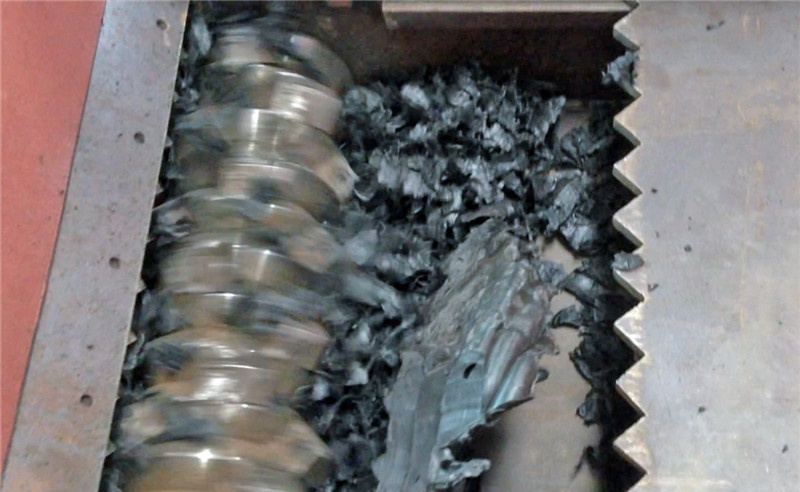
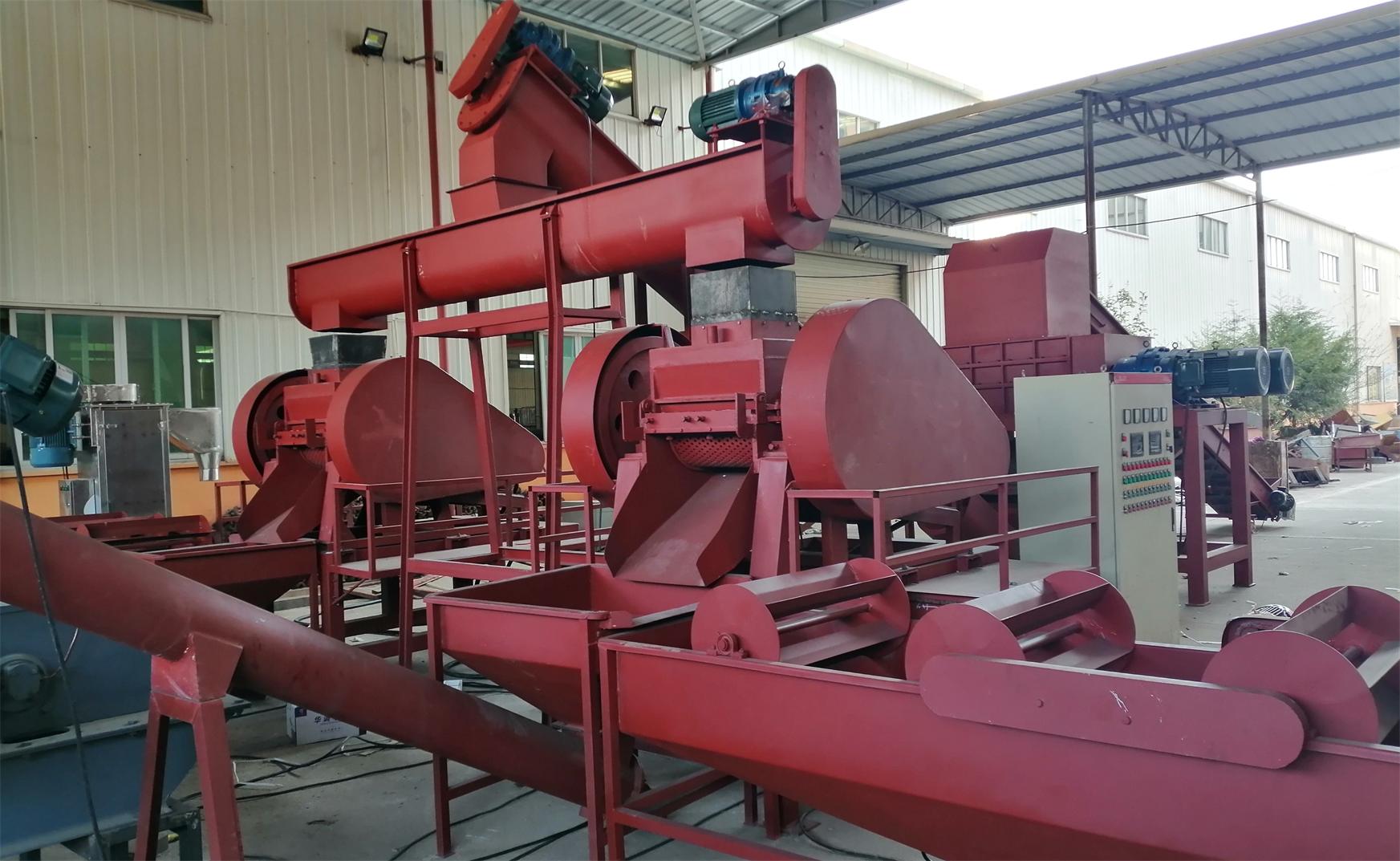
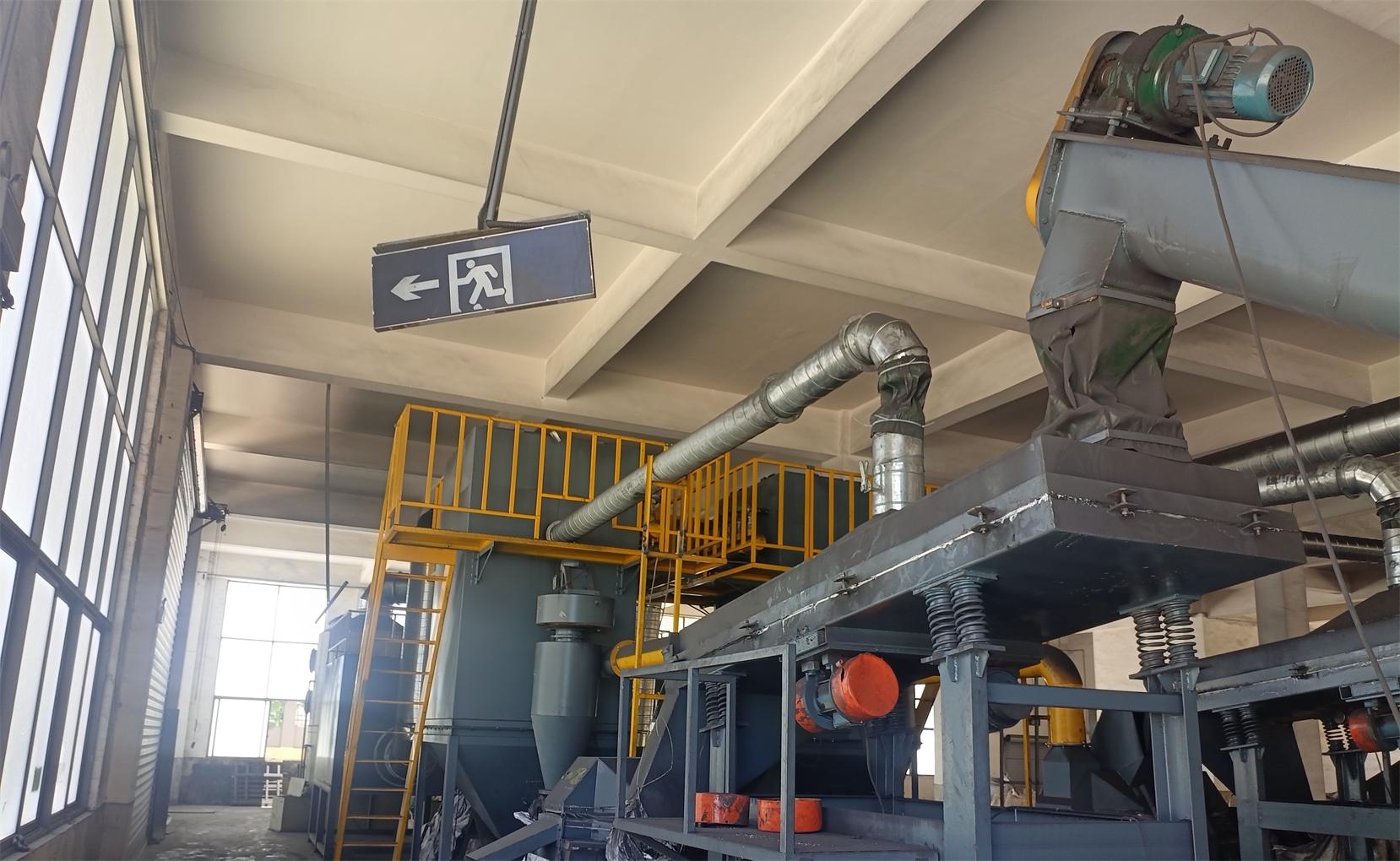
Even the recycling game gets amplified. Crushing scrap metal into dense blocks is just step one; then it heads to a scrap metal melting furnace for rebirth. Presses turn chaotic piles of trash into tidy, transportable bundles – efficiency cranked to eleven.
Can It Crush a Diamond? (Spoiler: Yes. Brutally.)
Let’s tackle the myth: diamonds = indestructible? Wrong. Diamond tops the Mohs scale for *hardness* (resists scratching), but toughness ? Not so much. Think of it like glass: hard, but brittle. Smack it right, and kaboom.
YouTube channels like "Hydraulic Press Channel" proved diamonds don't stand a chance against tons of focused force. Under the lens, diamonds splinter violently into powder – no elegant shatter, just brutal annihilation.
Why crush $10k diamonds? Beyond clicks, it teaches us: even nature’s "strongest" materials bow to physics. If hydraulic presses eat diamonds for breakfast, what hope does a steel bolt have?
Okay, But What CAN'T It Crush?
Everything has limits. Even "Fifty" sweats when facing:
- Super-Alloys : Stuff designed for rocket nozzles laughs at mere industrial presses.
- Massive Steel Blocks : Too big or thick? Might damage the press jaws instead.
- Hydraulic Fluids Themselves : Contaminated fluid reduces pressure like clogged arteries reduce blood flow. Maintenance is everything.
The true weak spot? Hydraulics leak, seals burst. Presses aren’t immortal gods – just very tough machines pushed to extreme limits.
Secret Life: Presses as Scientific Explorers
Beyond industry smashes and viral hits, hydraulic presses moonlight as mad scientists:
- Synthetic Diamonds : Forget mining. Squeeze carbon at astronomical pressures combined with high heat – poof! Lab diamonds appear. Identical to mined ones, minus the ethical mess.
- Rock & Mineral Testing : How do mountains hold up deep underground? Presses mimic tectonic pressures to test if tunnels collapse or rocks explode.
- Materials Research : Nanomaterials, battery tech – presses test limits to build lighter phones or safer EVs. They press forward innovation (literally).
The Future: Smarter, Stronger Crushing
Where do hydraulic giants go next? Imagine:
- AI-Optimized Crushing : Real-time feedback adjusting pressure during compression. Smoother bends, less waste.
- Nano-Scale Pressing : Manipulating materials atom-by-atom to build unthinkable tech – quantum chips or super-conductors.
- Recycling Revolution : Presses partnering with scrap metal melting furnaces and shredders to create hyper-efficient circular economies – no landfill waste, just endless reusability.
Wrapping Up: More Than Just Smash
So, what can't the world’s strongest hydraulic press crush? Honestly? Not much. From bowling balls to diamonds to shaping spaceship parts, they bend reality to human will. "Fifty" and its siblings represent industrial evolution – pure kinetic problem-solving.
They remind us physics hasn’t gone soft. Want to reshape metal, understand geology, or build tomorrow’s tech? Crank up the hydraulic press – and crush the impossible.