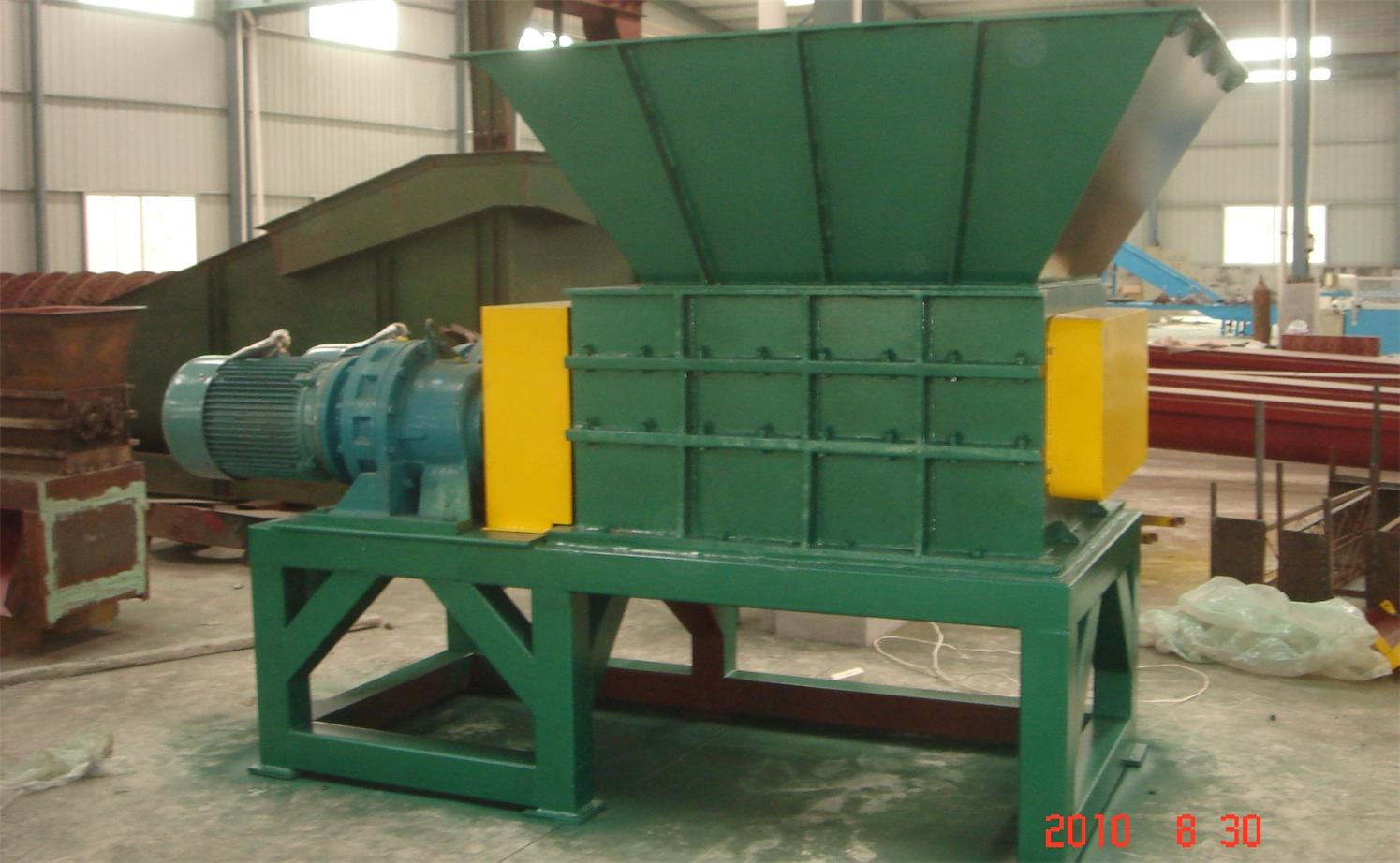
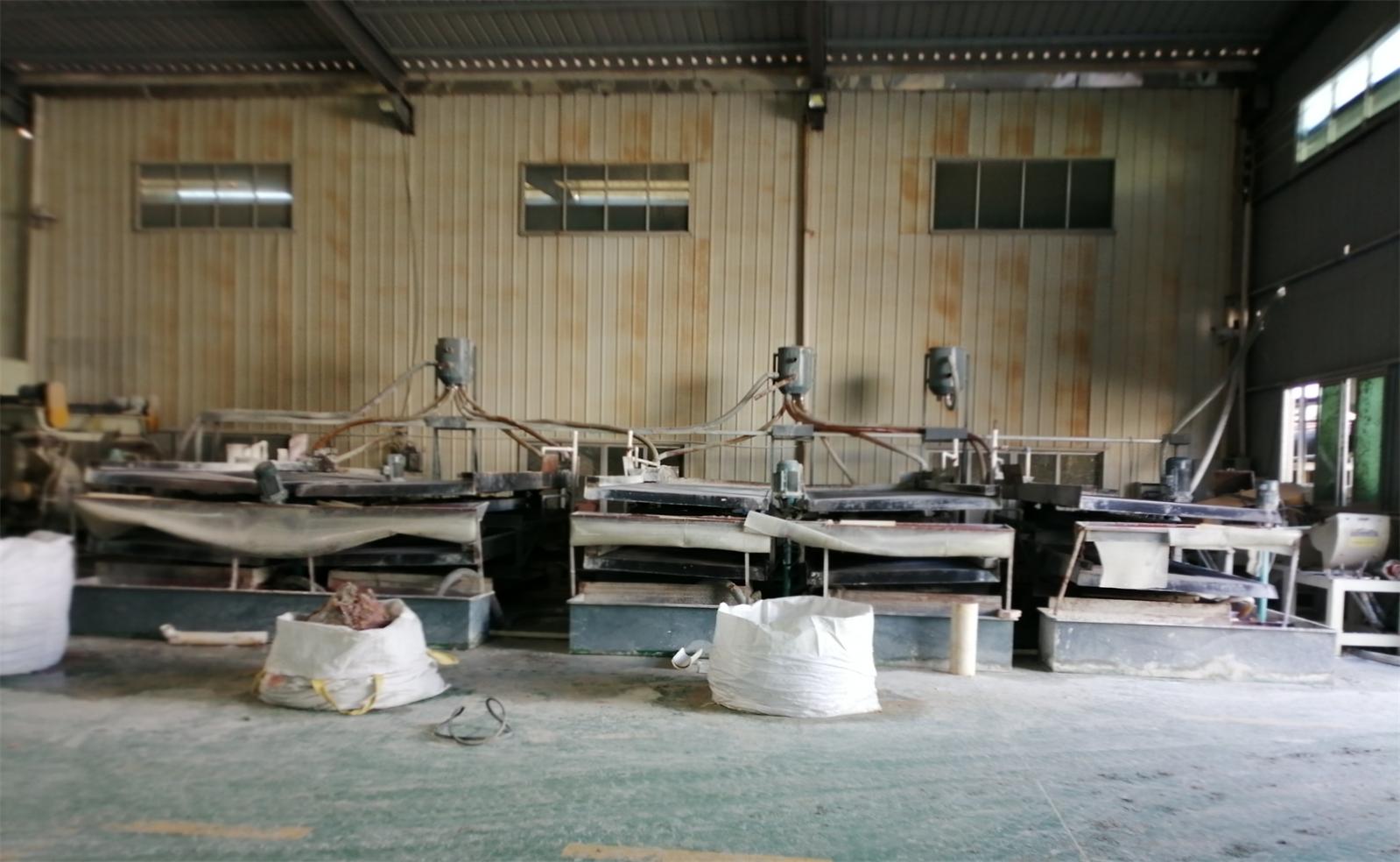
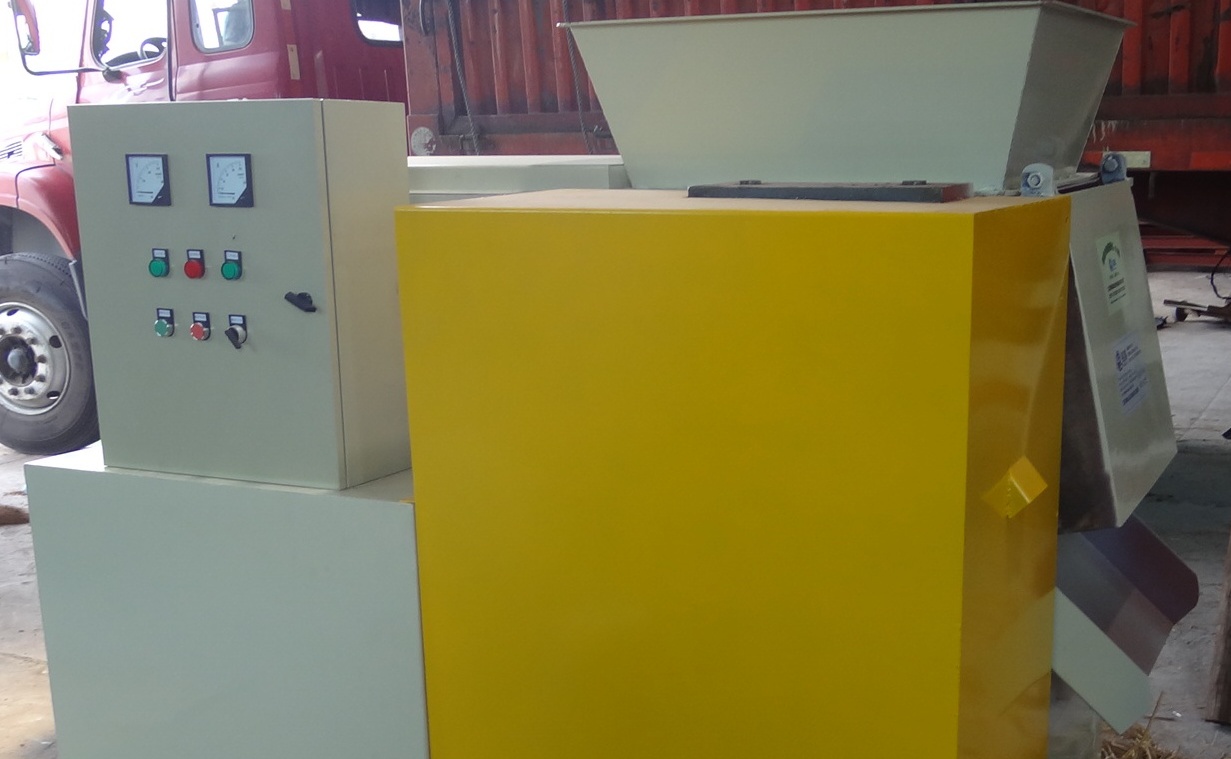
Walking into a scrap metal recycling facility, you'll immediately notice something crucial – it's not just about heavy machinery and crushed metal. The air itself tells a story of transformation. As copper wire granulators hum to life, they're not just separating copper from insulation; they're engaged in a delicate ballet with dust particles that could be harmless... or hazardous. Let's pull back the curtain on what really happens when you put cables through these powerful machines.
It's easy to focus on the shiny copper output coming off the conveyor belt, but seasoned operators know the real challenge isn't beneath their feet—it's floating in the air around them. All copper wire granulators create dust to some degree, but what kind? How much? And why does it matter?
The dust story starts with the raw material itself. Picture bundles of abandoned cables sitting in warehouses or junkyards for months or even years. That insulation isn't getting any cleaner! Environmental exposure means they collect a surface layer of general grime—dust from nearby roads, microscopic soil particles, pollen, and the invisible fallout from industrial operations. Even before processing begins, dust exists.
Once cables enter the granulator's hungry intake, two processes dominate:
The Crushing Phase
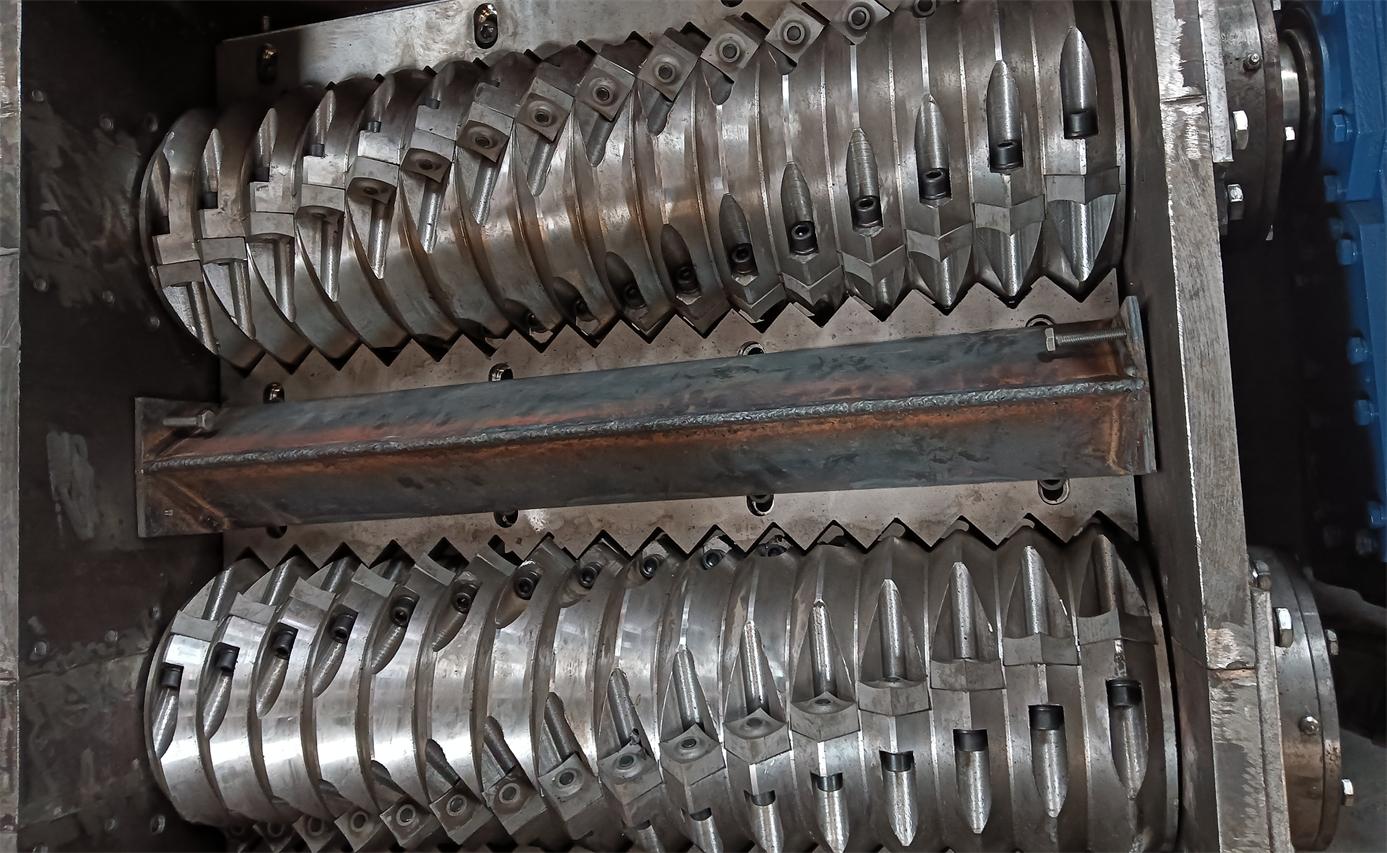
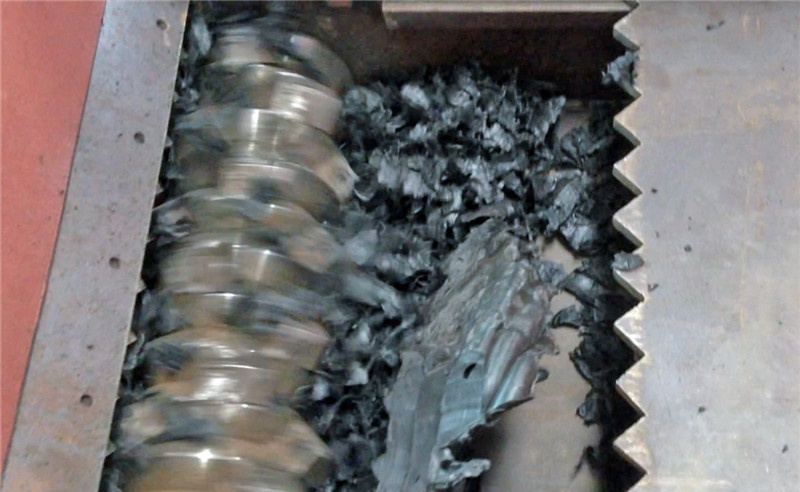
Think of this as the opening act. Granulators use precisely calibrated blades rotating at high speeds to shred cables into smaller fragments. This mechanical action creates the first dust wave: a mix of fragmented insulation and minuscule copper shards. Imagine cutting old PVC insulation—it crumbles rather than slices cleanly. The friction produces tiny plastic particles that easily become airborne. That static electricity you sometimes feel around machines? That's the insulation dust clinging to surfaces.
The Separation Stage
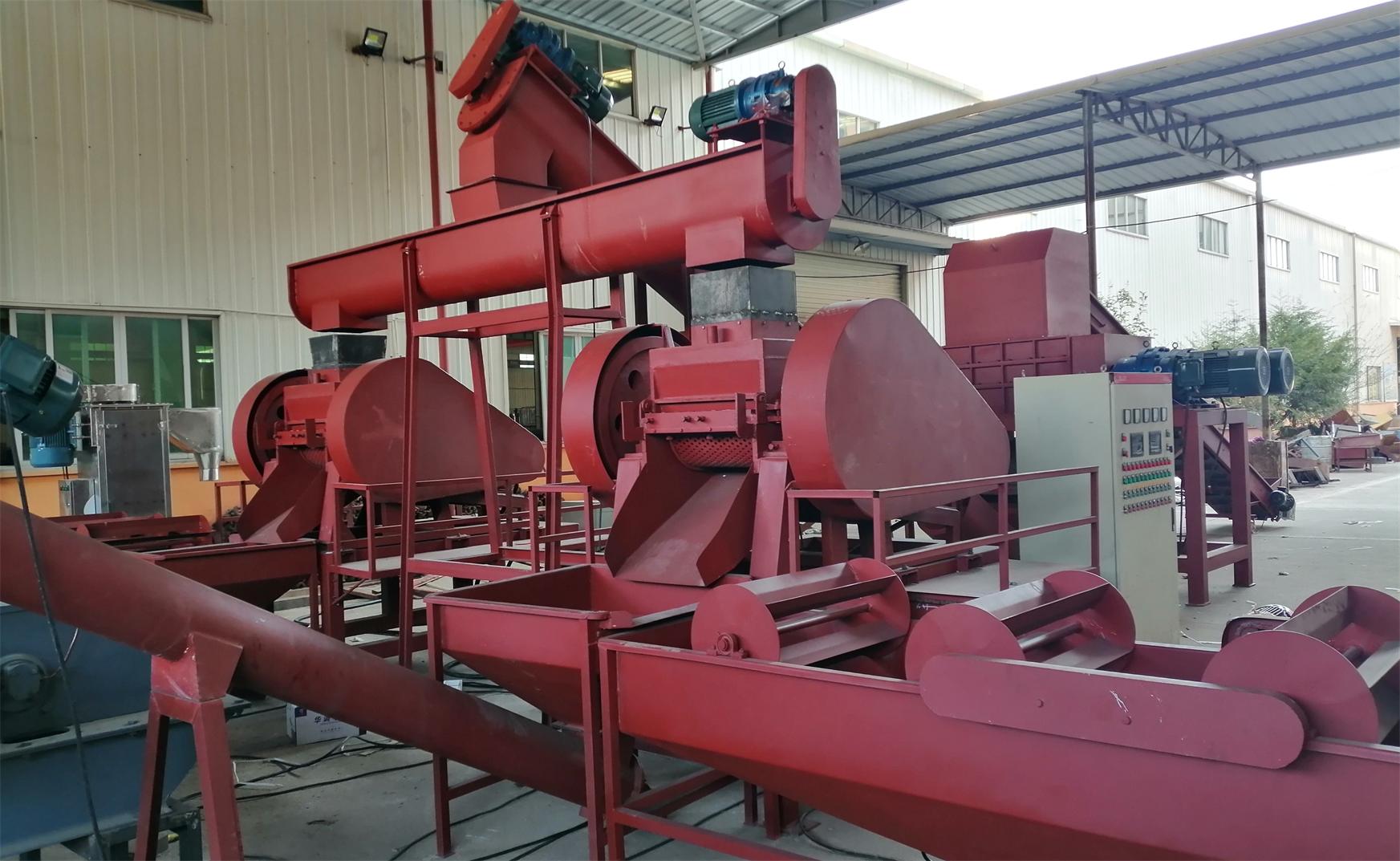
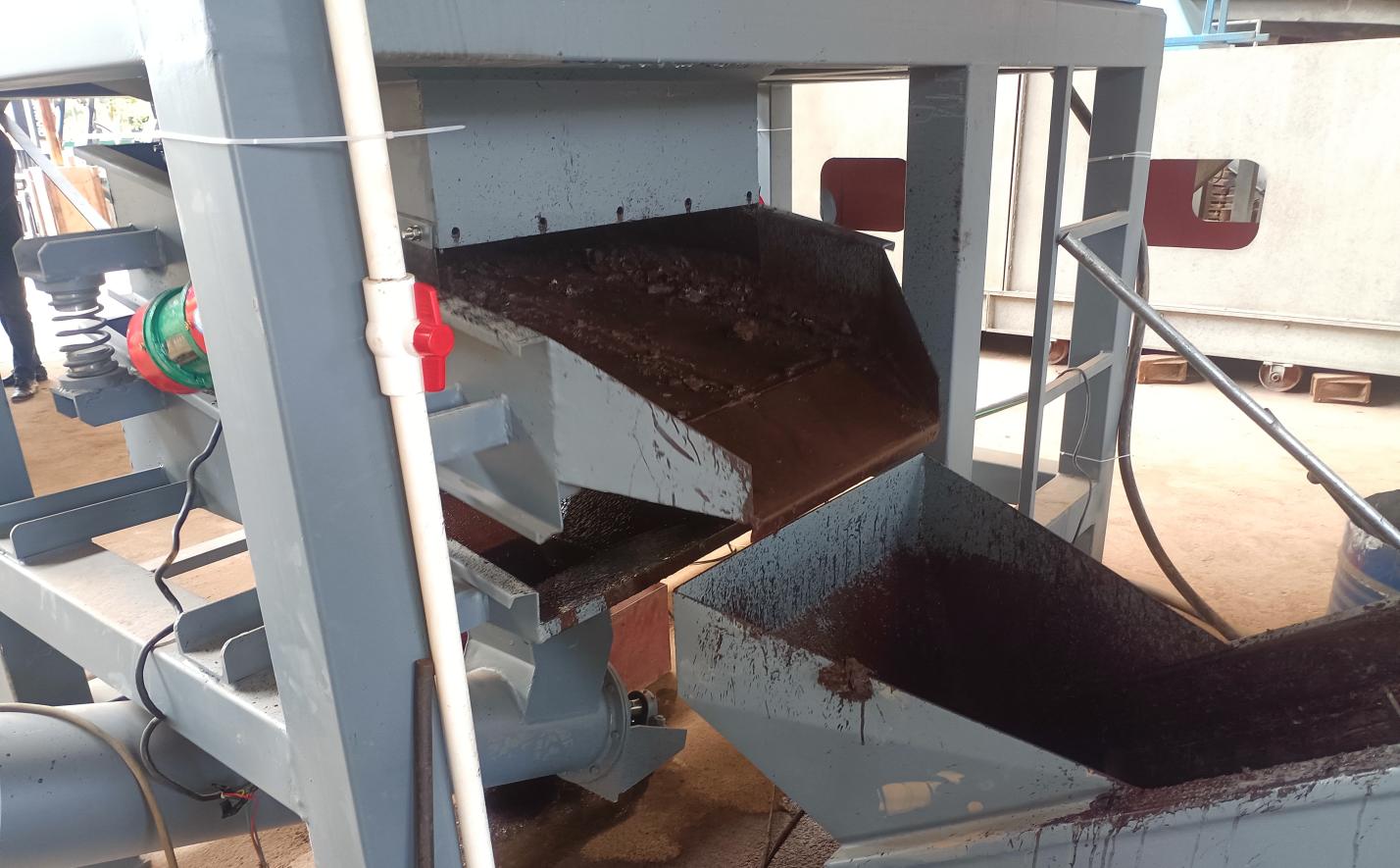
Here's where technology really meets friction. The fragmented materials get shaken, vibrated, blown, and sorted by density differences between copper and plastic. Airflow separates lighter plastic particles from heavier metal, generating airborne plastic fines as a natural byproduct. It's efficient for recycling, but problematic for air quality. The dust collection system becomes crucial here—the difference between clean air and a visible haze.
The dust isn't just inconvenient; it's a microcosm of the recycling challenge itself. That plume you might see above a working machine? It's mostly plastic remnants of the cables' former lives—tiny fragments of PVC, rubber, or polyethylene that escaped the separation process.
Not all dust is created equal. What floats around copper granulation operations falls into specific categories:
Organic Particulate Matter : The undisputed heavyweight champion of granulator dust—makes up about 70-85% of airborne particles. This primarily includes:
- Micro-fragmented plastics from insulation (PVC, polyethylene, rubber)
- Organic fibers if cables had fabric wraps
- Carbon black particles from vulcanized rubber
Metallic Dust : Makes up 10-20% of airborne particulate matter. Though copper is the target metal, you'll find traces of:
- Copper flakes from wire fragmentation
- Tin particles from solder connections
- Trace alloys depending on the cable type
Pre-existing Contaminants : The wildcard category (5-15%). This includes everything the cables accumulated during storage:
- Urban dust residue from vehicle pollution
- Soil particles picked up during transport
- Mold spores if cables were stored in humid conditions
- Industrial fallout from factory areas
Notice something critical? Copper dust isn't the biggest offender—it's the insulation that fills the air. But don't underestimate those tiny copper flakes. Unlike fluffy plastic particles that settle relatively quickly, metal dust can linger in ventilation systems.
Operators quickly learn that ignoring dust has costly consequences. First consider the human element:
- Respiratory Risks : Fine plastic and metal particulates enter lungs, causing potential long-term damage beyond immediate coughing or discomfort
- Machine Suffocation : Dust build-up inside granulators leads to premature wear, thermal shutdowns, and increased maintenance cycles
- Secondary Contamination : Airborne dust inevitably coats surrounding equipment and surfaces
- Fire Hazard : Fine particles become explosive when suspended in air near hot components
Now consider the technical implications. As airflow separates materials, any escape of plastic fines represents efficiency loss—copper that could have been reclaimed stays trapped in insulation dust. Every particle escaping the recovery process is revenue flying out the ventilation stack.
Modern facilities combat dust through integrated engineering solutions:
Closed-Loop Processing : The game changer. Granulators now come in sealed configurations where material flows through a completely enclosed path until separation is complete. Operators only interact at material input and clean output points.
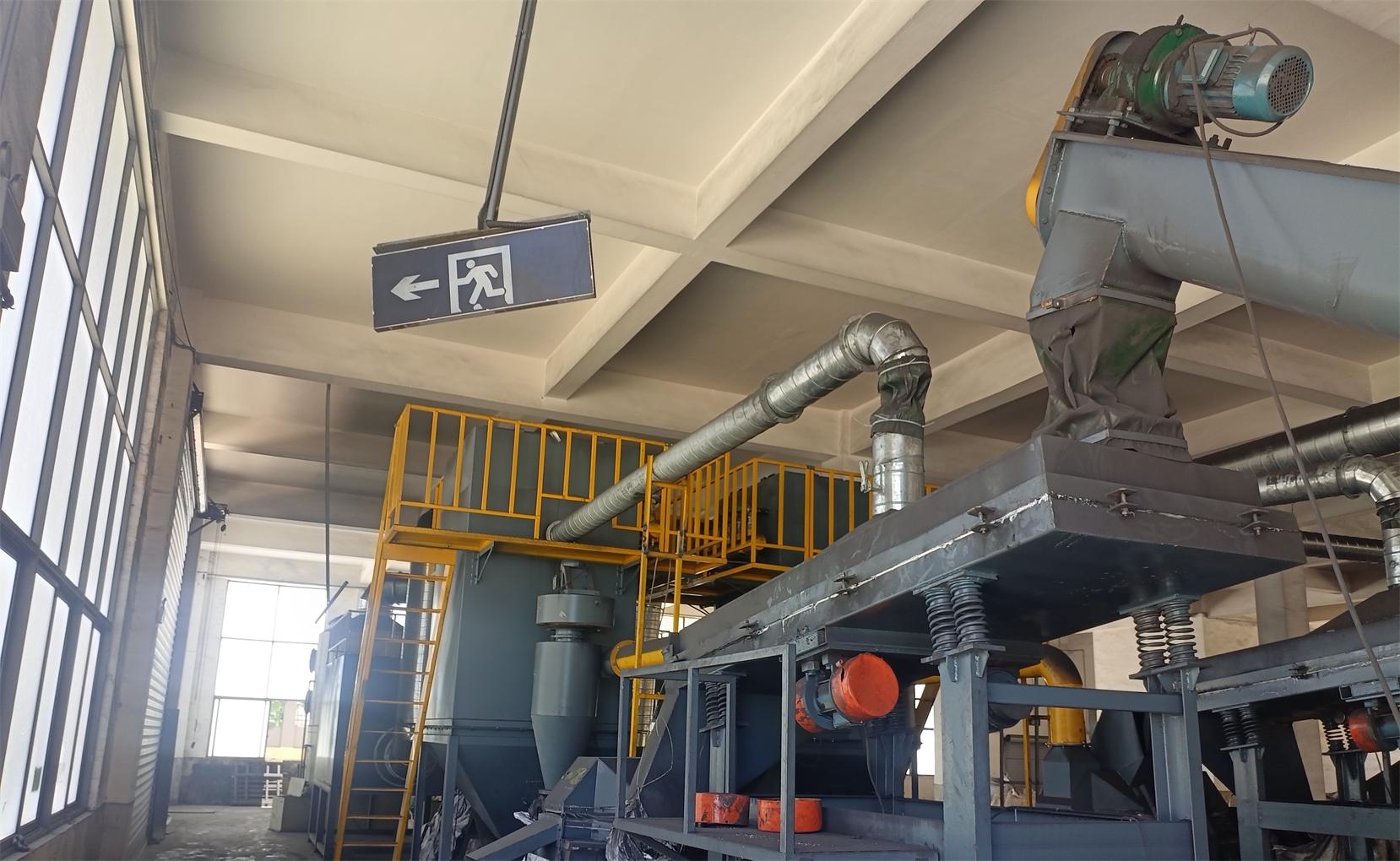
The Dust Collection System Evolution : Today's high-pressure systems do more than vacuum air. They create directional airflow that pulls particles away from operators, contain them in filtration chambers, and sort particles by size for efficient recovery. Picture a constantly tuned vortex keeping dust contained.
Smart Material Handling : Preventing dust starts before processing:
- Pre-vibration stations dislodge loose debris
- Targeted air knives blow off surface dust
- Moisture management systems control static electricity
Engineering Tweaks That Count : Small changes make huge differences:
- Extended intake tubes reduce dust escape during feeding
- Anti-static coatings inside machines prevent particle adhesion
- Low-turbulence conveyor designs minimize re-release of collected dust
- Intelligent screen systems prevent blinding (when dust blocks separation screens)
The benefits of managing granulator dust extend far beyond regulatory compliance:
Reclaiming the Unseen Value : That captured plastic dust? It represents secondary revenue streams as filler material for composites or rubber products. Even fine copper particles get recovered through wet processing.
Operational Harmony : Workers describe it as "breathing easier"—literally and figuratively. Less dust means fewer mask changes, less cleaning time between shifts, and improved machinery up-time.
The Community Effect : Advanced facilities blend into urban landscapes because neighbors never know they're there. No visible emissions and no "scrapyard smell" means community acceptance.
Long-Term Machine Survival : Granulators in dust-managed environments show significantly longer lifespan. Reduced friction between metal components and limited particulate intrusion add years before overhaul is needed.
The narrative of dust in cable recycling isn't just about cleanliness; it's about operational intelligence. That visible wisp above a machine represents efficiency escaping control. Modern operations turn dust into metrics—measured particles become indicators of efficiency, captured fines become added revenue streams, and clear air becomes a safety benchmark.
As the recycling industry evolves, dust management transforms from an environmental requirement into a competitive advantage. Understanding what floats in the air ultimately shows what sinks to the bottom line. The finest granulators don't just separate copper; they maintain a crucial balance between productivity and environmental responsibility, handling everything from pre-existing contaminants to plastic fines with precision-engineered solutions that make dust control integral to operations rather than just an afterthought.