Ever wonder how massive metal parts get shaped so perfectly? Or what machine squeezes materials together with incredible force? Meet the hydraulic press – the powerful workhorse behind countless industrial processes. These machines are everywhere: from shaping car parts to recycling electronics, and they work on a principle discovered centuries ago that still powers modern industry today. Hydraulic presses are fascinating pieces of engineering that blend simple physics with brute strength to transform materials in ways that would be impossible with human hands alone.
A hydraulic press is a mechanical powerhouse that uses liquid power to reshape metals and materials. It operates on Pascal's law, which states that pressure applied to a confined fluid spreads equally in all directions. This allows relatively small forces to create enormous pressure. Think of it like this: when you push down on one end of a fluid-filled system, you get an amplified force pushing back at the other end – like a supercharged lever that converts simple motions into industrial-strength power.
The Nuts and Bolts: Anatomy of a Hydraulic Press
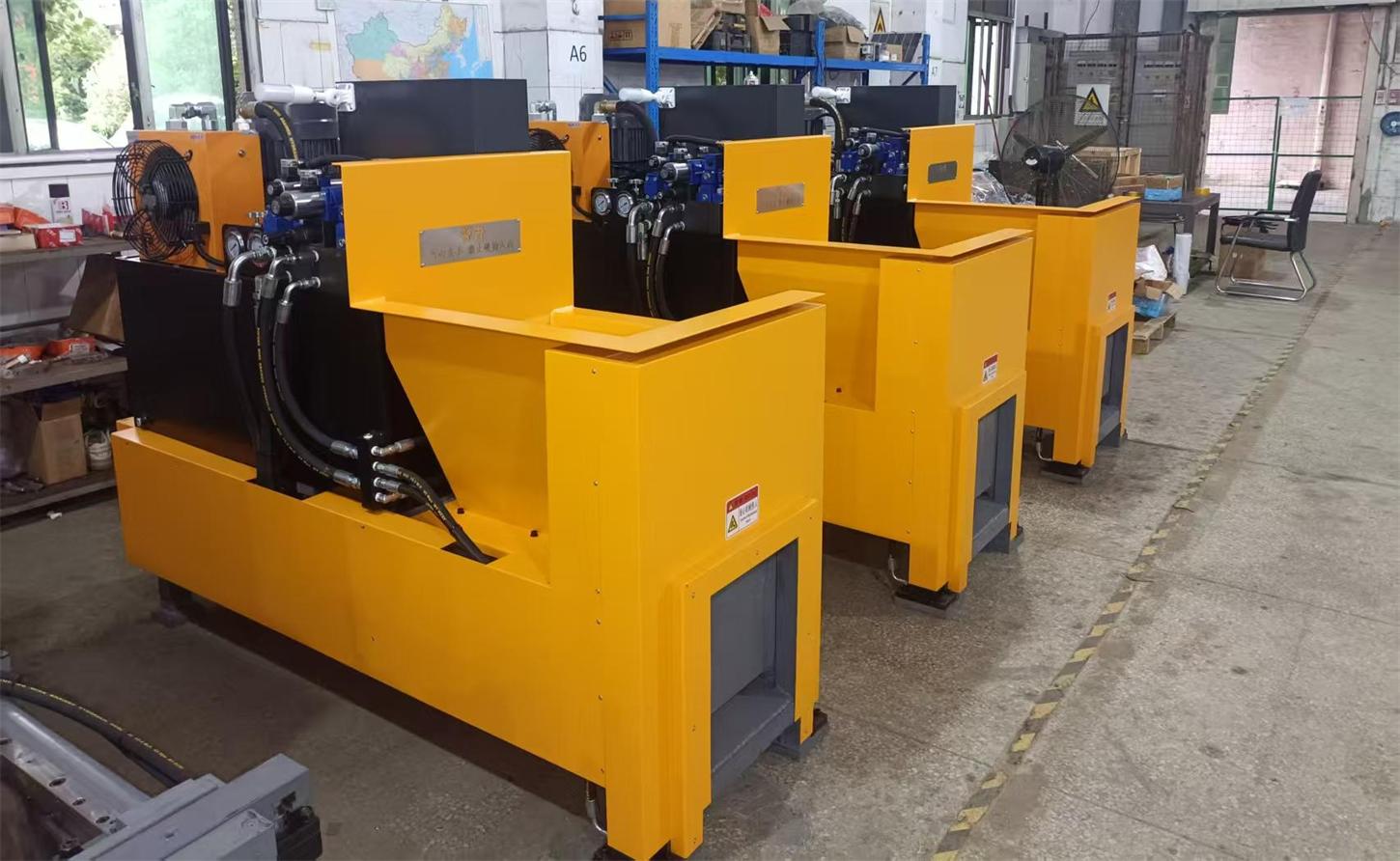
Every hydraulic press has three key components working together to generate that powerful squeeze. First, there's the mainframe – the sturdy skeleton holding everything together. This provides stability under extreme pressure. Then comes the power system, which includes the pumps, motors and reservoirs that create hydraulic pressure. Finally, the hydraulic control system acts like the brain, directing fluid flow with valves and gauges to control force and movement. It's a sophisticated orchestra where fluid dynamics replace metal gears.
- Frame/Housing : The foundation that keeps everything stable during high-pressure operations
- Cylinders : Where the magic happens - hydraulic fluid pressure drives pistons to create force
- Reservoir : The storage tank for hydraulic fluid with cooling and filtration systems
- Pump : Generates fluid pressure using electric, pneumatic, or manual power
- Control Valves : Direct and regulate fluid flow like traffic controllers for hydraulic power
- Piston Rod : The strong arm that transfers force directly to the workpiece
- Plates : Heavy-duty surfaces that hold materials securely during pressing
Many people don't realize that modern hydraulic presses often use multiple smaller rams instead of one massive cylinder. Why? Because it's easier to control and distribute force across the material surface - like using many fingers instead of one giant fist. And when things aren't actively pressing, hydraulic accumulators store energy like pressurized batteries, ready to release intense force instantly when needed. This clever engineering allows machines to deliver incredible power without requiring massive pumps running constantly.
The Heartbeat of Hydraulics: How It Actually Works
At its core, a hydraulic press harnesses Pascal's principle beautifully. Imagine two connected cylinders - one significantly larger than the other. When you apply a small downward force to the smaller cylinder's plunger, pressure builds in the fluid. This pressure travels through the connecting pipe and pushes the ram upwards in the larger cylinder - lifting heavy loads with surprising ease. It's like the world's most powerful lever, where size differences between cylinders amplify force hundreds or thousands of times.
The fluid used is special – mineral oil-based hydraulic fluid that's resistant to compression. This liquid energy transfers force almost instantly from the pump to the ram. Most industrial systems have sophisticated control valves that let operators dial in precise amounts of pressure and speed. Modern systems might even have programmable logic controllers (PLCs) that remember complex pressing sequences for consistent, high-quality results every time. This attention to control transforms brute force into precision engineering.
Know Your Press: 10 Key Hydraulic Press Varieties
Hydraulic presses aren't one-size-fits-all. Different jobs need different tools, and engineers have created specialized variations:
- H-Frame Presses : The classic workhorse with H-shaped frames - stable, adaptable, and perfect for maintenance shops
- C-Frame Presses : Space-saving design with excellent accessibility from three sides for smaller operations
- Four-Column Presses : Heavy-duty giants with corner columns for massive, uniform force distribution
- Straight-Side Presses : Precision performers ideal for exacting tolerances with parallel column alignment
- Eccentric Presses : Rotary motion specialists converting spinning action into linear pressing force
- Deep Drawing Presses : Craftsmanship experts for shaping metal sheets into complex 3D forms
- Hot Presses : High-temperature performers that shape materials needing heat assistance
- Cold Presses : Room-temperature craftsmen pressing materials without thermal assistance
- Hydraulic Forging Presses : Metal-shaping artists compressing ingots into components
- Universal Hydraulic Presses : Jacks-of-all-trades handling diverse applications flexibly
When selecting a hydraulic press, experienced hydraulic press manufacturers consider more than just tonnage. The physical configuration determines both accessibility and precision. H-frame presses offer excellent stability for general shop work, while four-column designs ensure perfectly even pressure for critical manufacturing applications. C-frame configurations save valuable floor space but sacrifice some rigidity - a trade-off worth considering for smaller operations where space is premium.
Safety First: Operating Hydraulic Presses Responsibly
Working with hydraulic presses demands respect and strict safety practices. Never start operating without proper training - these machines combine massive forces with fast movements. During operation, stay alert for warning signs like unexpected noises, vibrations or hydraulic fluid leaks – these demand immediate shutdown. And always stay within the press's rated limits; pushing capabilities beyond specifications risks dangerous failures.
- Training Mandatory : Never operate without proper instruction and authorization
- Visual Inspections : Check for leaks, loose components or damage before use
- Personal Protective Equipment : Always wear safety glasses, steel-toed boots and avoid loose clothing
- Know Your Machine's Limits : Understand and respect maximum tonnage and eccentricity tolerances
- Emergency Preparedness : Know emergency stop locations and procedures
Modern hydraulic presses feature multiple safety layers beyond basic precautions. Pressure-relief valves act as mechanical guardians, preventing system overloads. Light curtains and two-hand controls can ensure that operators' hands are safely away from danger zones before cycling begins. Some industrial models include sophisticated interlock systems that halt operations when safety doors open. Yet no safety feature replaces operator awareness – constant vigilance is key when working with powerful machinery.
Why Industries Love Hydraulic Presses: Key Advantages
Hydraulic presses deliver unique benefits that explain their enduring popularity:
Power Density : Hydraulic presses deliver unbeatable force in compact packages. A relatively small hydraulic cylinder can generate 50 tons of force or more, while mechanical alternatives would require massive gears.
- Flexible Force Control : Operators can fine-tune pressure and speed throughout the pressing cycle
- Built-In Overload Protection : Hydraulic circuits naturally protect against catastrophic overloads
- Quiet Operation : Less noise pollution than mechanical presses at equivalent tonnage
- Space Efficiency : More compact footprint compared to mechanical alternatives
- Durability : Hydraulic systems have fewer moving parts vulnerable to wear
- Smooth Operation : Hydraulic fluid cushions movements for shock-free pressing
- Variable Tonnage : Many models offer adjustable force settings
This versatility lets hydraulic presses transition seamlessly between applications - compacting powdered metals into precision parts one minute, then bending thick steel plates the next. For specialized applications like recycling, advanced hydraulic recycling machines efficiently compress materials like scrap metal or end-of-life electronics into dense, transportable blocks. This adaptability across industries from aerospace to recycling explains hydraulic technology's century-long dominance.
Considering the Downsides: Hydraulic Limitations
Despite their strengths, hydraulic presses come with compromises:
- Speed Limitations : Fluid dynamics limit cycling speeds compared to mechanical presses
- Energy Consumption : Constant pump pressure demands more power than some alternatives
- Fluid Maintenance : Oil requires regular changes, filtration and spill containment
- Environmental Considerations : Potential ecological impact from leaks or disposal
- Precision Challenges : Fluid compression can cause position inaccuracies
- Upfront Investment : Higher tonnage models involve substantial acquisition costs
Hydraulic fluid maintenance creates ongoing operational considerations. Oils degrade over time, losing protective additives and viscosity stability. Small leaks can become slip hazards requiring immediate cleanup. Though modern synthetic hydraulic fluids are more environmentally resistant than earlier mineral oils, spills still demand careful containment. Newer systems minimize these issues with sealed reservoirs and high-efficiency pumps, but fluid maintenance remains a reality of hydraulic operation.
Where Hydraulic Power Shapes Our World: Key Applications
Hydraulic presses transform materials across nearly every manufacturing sector:
In aerospace manufacturing, hydraulic presses shape critical components from titanium turbine blades to wing ribs with precise, repeatable force impossible to achieve manually.
- Automotive Industry : Forming body panels, pressing bearings, and assembling drivetrain components
- Electronics Manufacturing : Delicate compression of circuit boards and component embedding
- Recycling Operations : Compressing scrap metal, cars and electronics into dense blocks
- Construction Materials : Creating composite panels, pressing bricks and shaping structural elements
- Material Testing : Controlled force application for quality verification
Beyond these core industries, hydraulic power shapes countless everyday items. Plastic molding presses create consumer packaging and durable parts using both thermoplastics and thermosets. For the composites industry, hydraulic presses consolidate aerospace-grade materials like carbon fiber with carefully controlled heat and pressure. Even the food industry employs specialized presses for extraction operations. This remarkable versatility – from delicate circuit board assembly to crushing entire cars – proves hydraulic technology's incredible adaptability.
The Evolution of Force: Hydraulic Press Innovations
Hydraulic press technology keeps advancing. Modern CNC integration transforms traditional hydraulic presses into smart manufacturing centers with programmable compression cycles and data logging. Energy recovery systems capture power during descent, significantly cutting operational costs. For specialized applications, presses combine hydraulics with other technologies – induction heating for hot forming, or water jet cutting systems for trimming operations.
What really sets modern presses apart is intelligence. Force monitoring systems track performance in real-time, ensuring consistent part quality. Self-diagnostic systems detect emerging issues before they cause downtime. Some advanced models even use predictive algorithms to schedule maintenance precisely when needed. For high-volume production, servo-hydraulic hybrids offer unprecedented precision and energy savings. As industry continues pushing toward smarter, more efficient manufacturing, hydraulic technology evolves in exciting new directions.
The Bottom Line: Hydraulic Presses Today and Tomorrow
Hydraulic presses remain fundamental tools across global industry. Their unique ability to deliver tremendous, controllable force with relative mechanical simplicity ensures their ongoing relevance even amid digital manufacturing revolutions. From Joseph Bramah's original 1795 invention to modern computer-controlled giants, the hydraulic press has adapted while retaining its core identity: transforming fluid power into productive force.
As manufacturing evolves, hydraulic presses continue finding new applications. Green technology sectors rely on presses for shaping composites in wind turbine blades and forming lightweight automotive parts. The recycling industry increasingly utilizes powerful hydraulic compactors to manage modern waste streams efficiently. Even electronics manufacturing leverages micro-presses for precision component assembly. This adaptability ensures hydraulic presses won't disappear from workshops anytime soon - they'll keep reshaping materials and industries for decades to come.