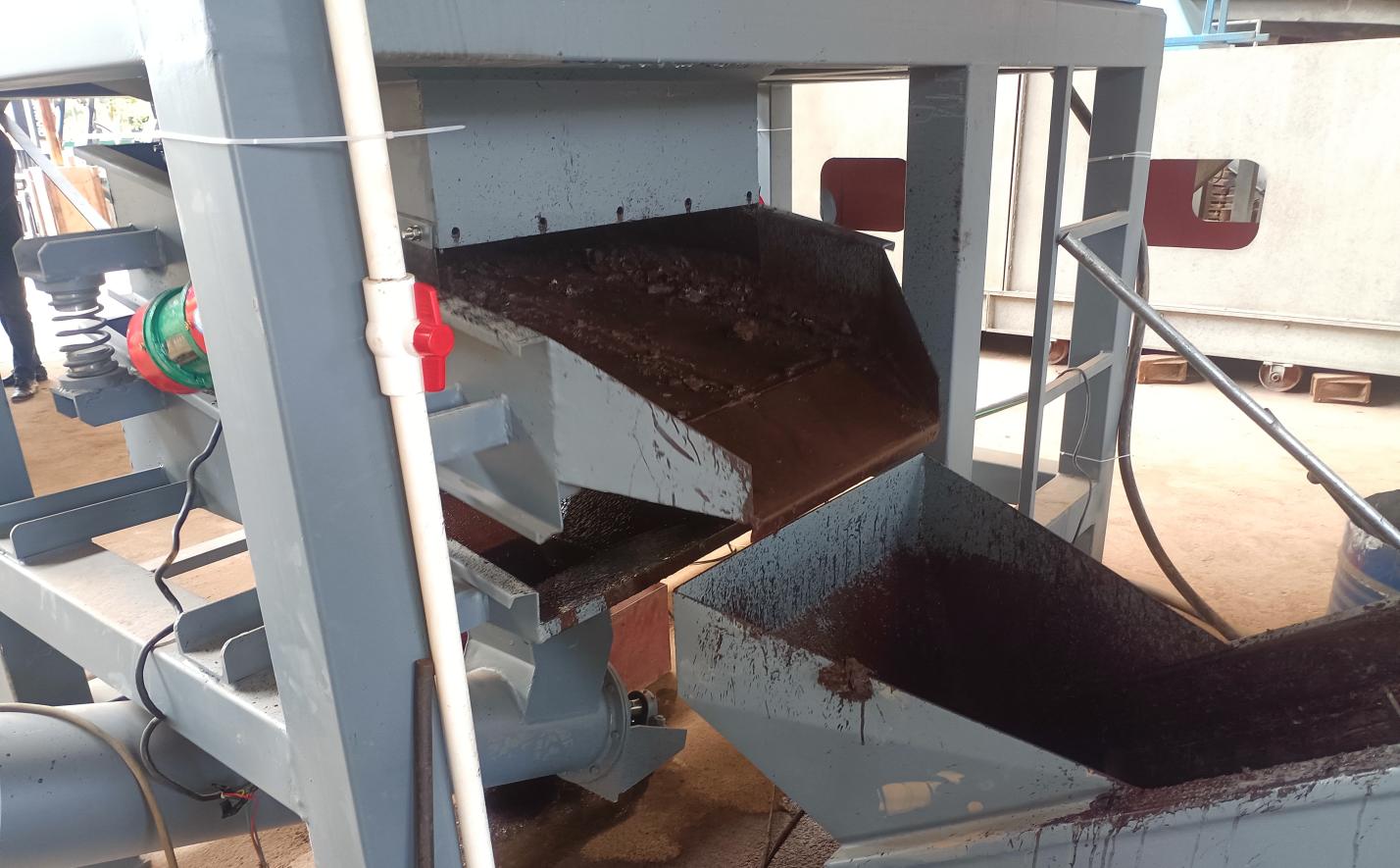
Ever wondered what happens to that old refrigerator taking up space in your garage? It's more than just a bulky eyesore—it's a treasure trove of recyclable materials, and the key to unlocking that treasure lies in specialized machinery designed to break it down safely and efficiently. Let's dive into the world of refrigerator recycling equipment, how it transforms waste into resources, and why it matters for our planet.
The Hidden Lifespan of a Refrigerator
Most of us replace our refrigerators every 10–15 years, but what happens to the old ones? For decades, the answer was simple: they ended up in landfills. But today, with growing awareness of e-waste and the value of raw materials, that narrative is changing. A single refrigerator contains a surprising mix of materials: steel and aluminum (which make up the frame and coils), plastic (door liners and handles), foam insulation, and even small amounts of copper wiring. There's also the less obvious—but critical—component: refrigerants, like CFCs or HFCs, which are potent greenhouse gases if released into the atmosphere.
Here's the problem: when refrigerators sit in landfills, their metal and plastic take centuries to decompose, while their foam insulation (often treated with chemicals) can leach toxins into soil and water. Worse, if the refrigerant isn't properly removed, it can escape and contribute to ozone depletion and global warming. On the flip side, recycling these materials reduces the need for mining new ore or manufacturing virgin plastic, cutting down on energy use and emissions. That's where refrigerator recycling equipment comes in—it's the bridge between "waste" and "resource."
From Bulky to Breakable: The First Steps in Recycling
Before a refrigerator can be shredded, it needs a little "prep work." Think of it like dismantling a puzzle before putting it back together—you have to remove the tricky parts first. The process starts with hazardous material removal . Technicians use specialized tools to extract refrigerants, oils, and mercury switches (found in older models). This step is non-negotiable: refrigerants like R-12 (a CFC) have 10,000 times the heat-trapping power of CO2, so capturing them prevents catastrophic environmental damage.
Fun fact: Modern refrigerant recycling machines can recover up to 95% of a refrigerator's refrigerant, which is then purified and reused in new appliances. It's like siphoning gas from an old car to fuel a new one—no waste, just resourcefulness.
Next, the refrigerator is stripped of large, non-shreddable parts: doors (which often have glass panels), hinges, and compressors (the heavy metal unit that cools the fridge). These parts are set aside for separate recycling—compressors, for example, are rich in copper and steel, which can be melted down and repurposed. By the end of this stage, what's left is a "shell" of the original appliance, ready to be broken down further.
Shredding: Turning Fridges into "Fluff"
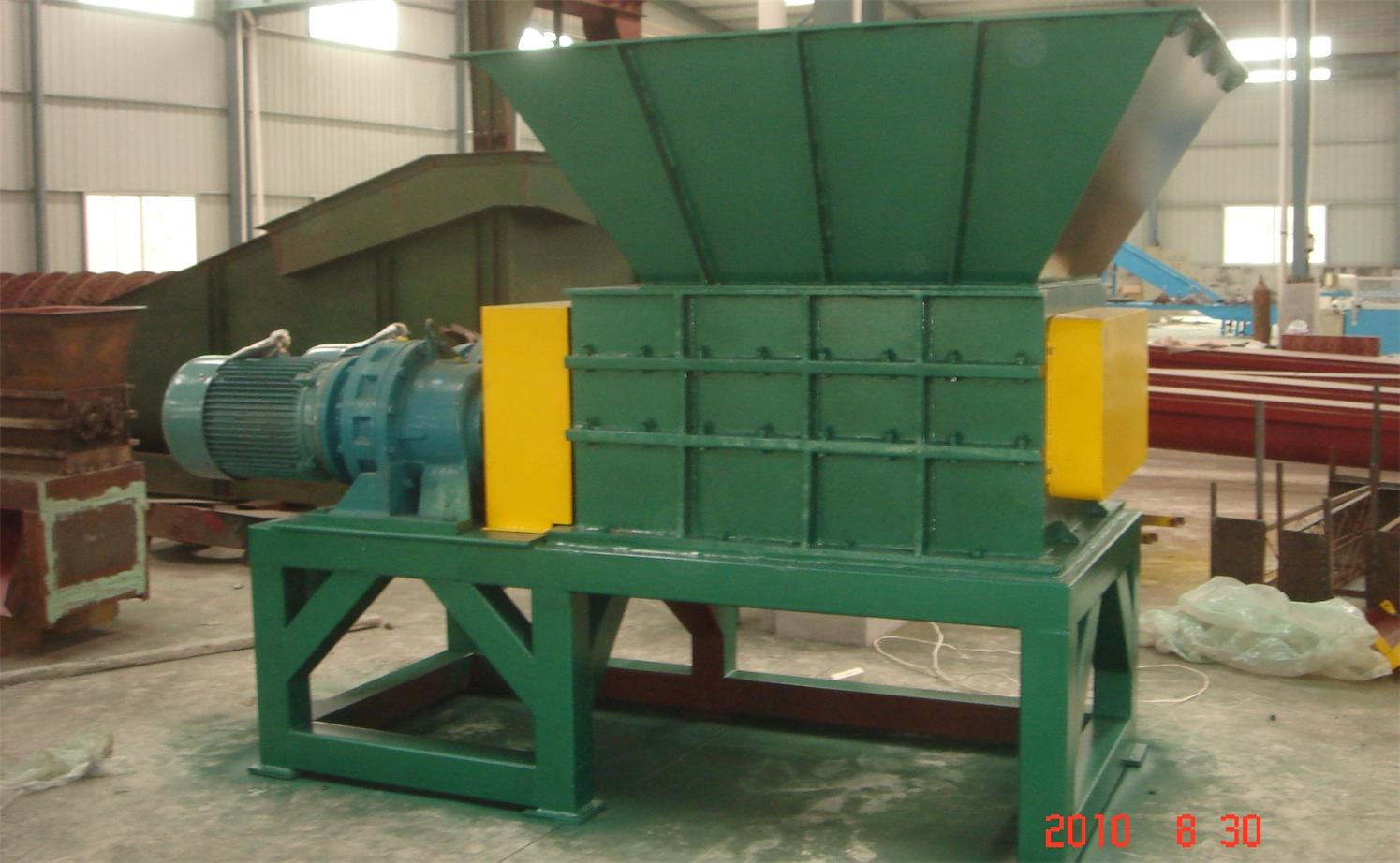
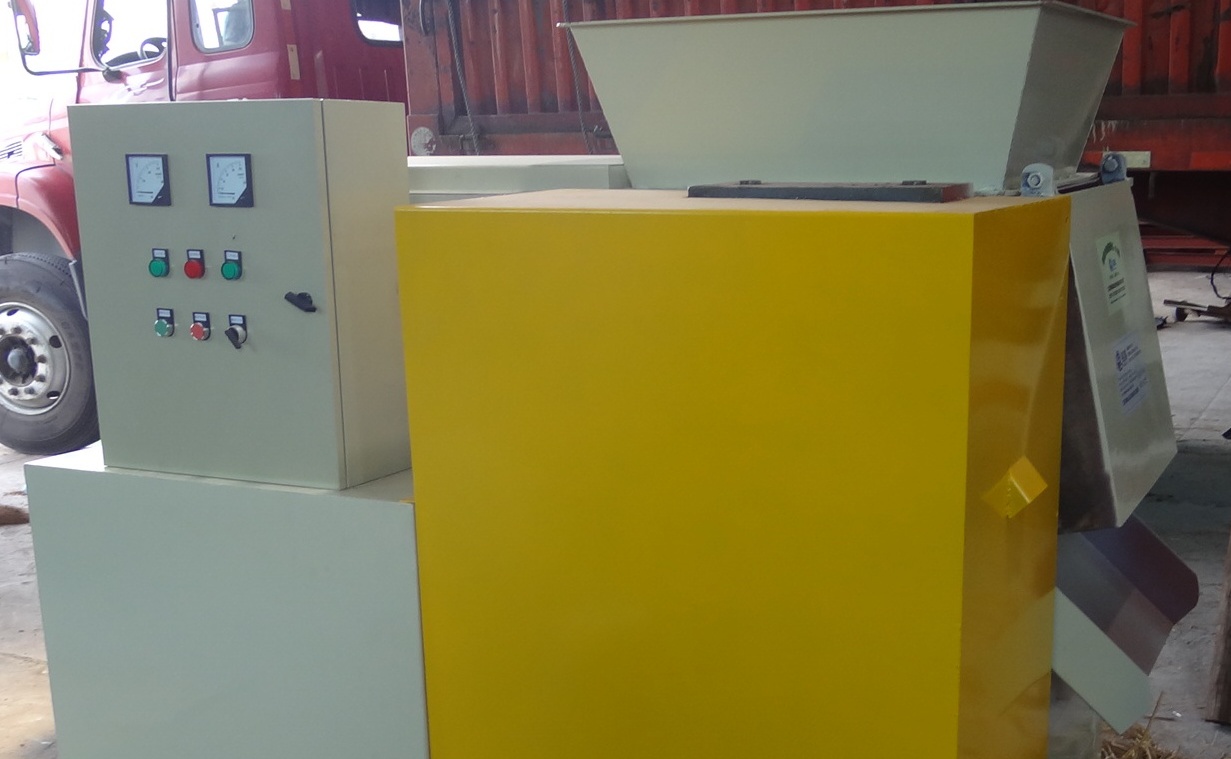
Now comes the star of the show: shredder and pre-chopper equipment . Imagine trying to eat a whole cake in one bite—it's messy and inefficient. Shredders work the same way: they break the refrigerator down into smaller, manageable pieces so that separation can happen effectively.
Pre-Chopping: The "First Cut"
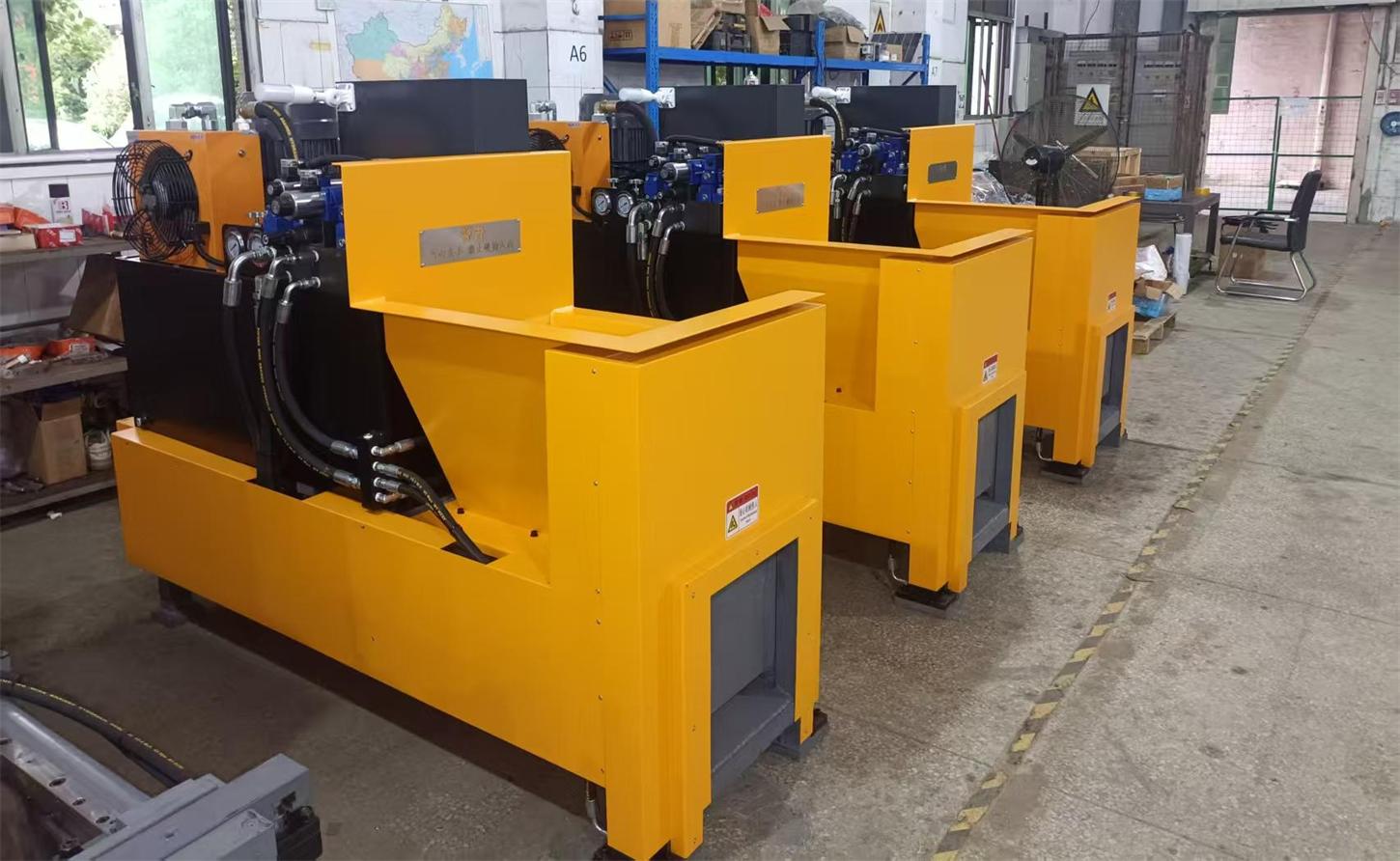
Before the main shredding, some facilities use a pre-chopper —a heavy-duty machine with rotating blades that slices the refrigerator shell into chunks roughly the size of a shoebox. This step reduces strain on the main shredder and ensures more uniform pieces later on. Think of it as dicing vegetables before adding them to a stew—smaller pieces cook (or in this case, shred) more evenly.
The Main Shredder: Where the Magic Happens
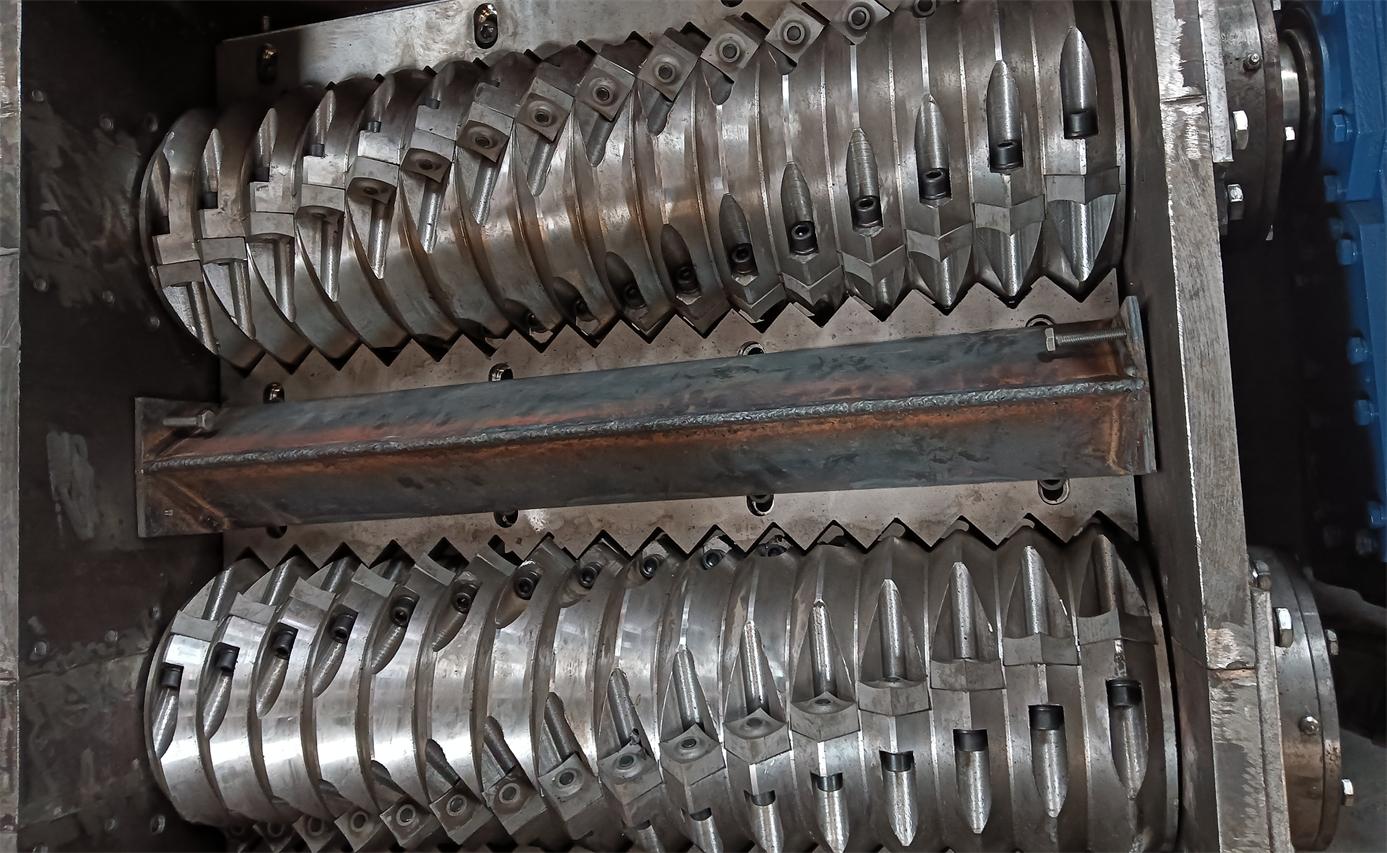
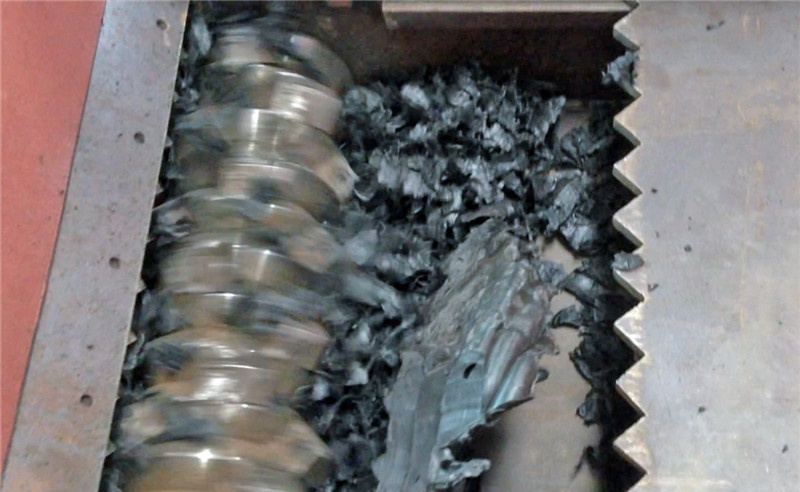
After pre-chopping, the chunks move to the main shredder . Most facilities use 2 shaft shredder equipment for this job. These machines have two interlocking shafts with sharp, tooth-like blades that rotate in opposite directions, tearing the refrigerator pieces into tiny fragments (about the size of a golf ball or smaller). Why two shafts? They're ideal for tough materials like metal and plastic, providing enough torque to break through even thick steel frames.
Walk into a recycling facility, and you'll hear the shredder before you see it—a low, rumbling hum that vibrates through the floor. Technicians monitor the process closely, adjusting feed rates to prevent jams and ensure the shredder doesn't overheat. It's a delicate balance: too much material at once, and the machine stalls; too little, and it's inefficient. Skilled operators are the unsung heroes here, keeping the line moving smoothly.
The end result of shredding is a heterogeneous mix of materials called "shredder fluff"—a chaotic blend of metal bits, plastic fragments, foam insulation, and small pieces of glass. It looks like a messy pile, but to a recycling expert, it's a palette of raw materials waiting to be sorted.
Separation: Sorting the "Good Stuff" from the Rest
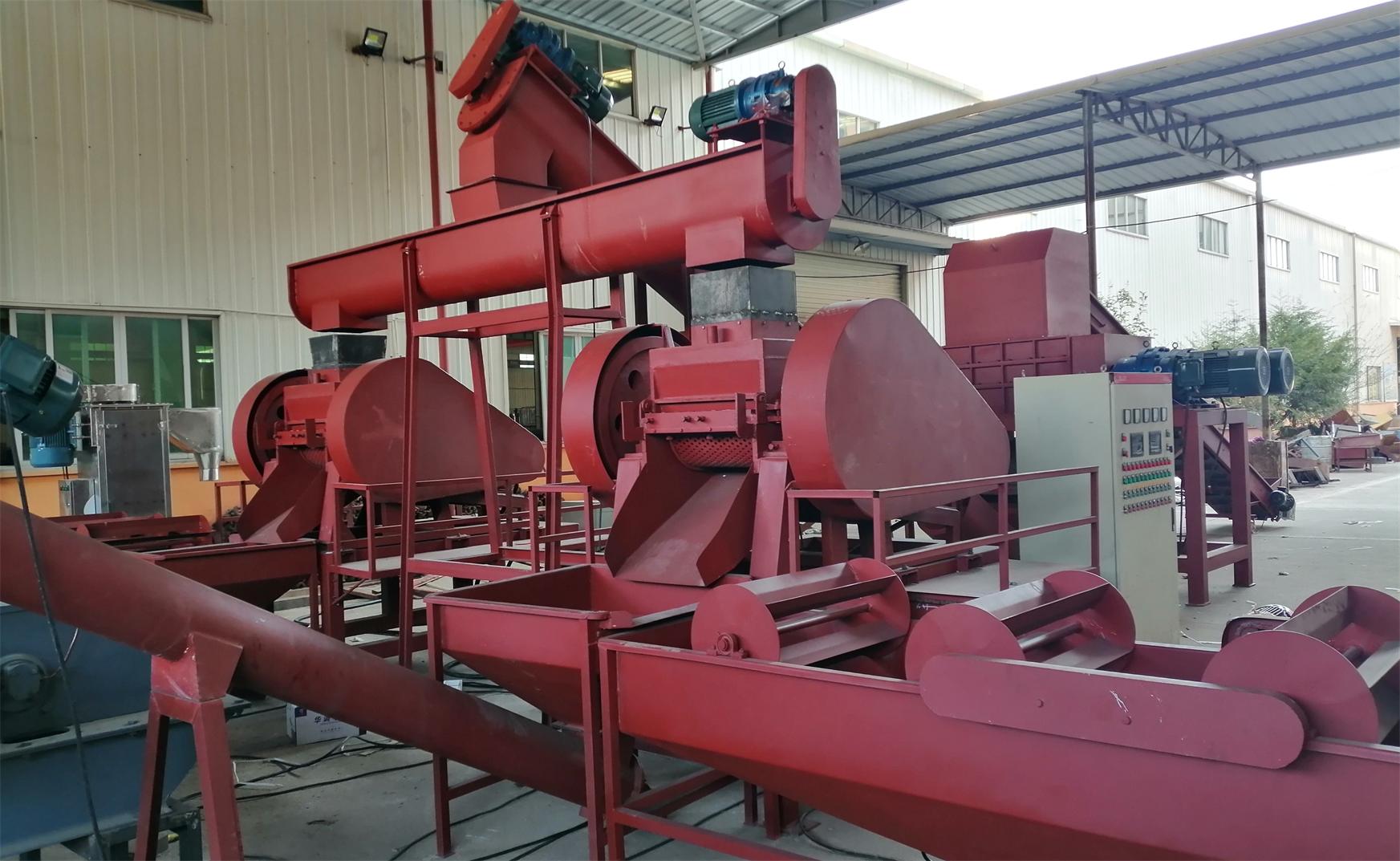
Shredding is just the first act; the real art is in separating the valuable materials from the waste. This is where dry process equipment and wet process equipment come into play, each with its own role in the sorting dance.
Dry Separation: Using Air and Magnets
First up: dry separation. Think of it as a high-tech treasure hunt, using physics to separate materials based on their properties.
- Magnetic separation: Steel is magnetic, so a powerful magnet suspended over a conveyor belt pulls out all the steel fragments from the shredder fluff. These pieces are collected, baled, and sent to steel mills, where they'll be melted down and turned into new products—maybe even parts for a brand-new refrigerator.
- Air classification: Plastic and foam are lighter than metal, so a blast of air (from a fan or air knife) lifts them away from the heavier materials. Imagine blowing on a pile of confetti—light pieces fly, heavy ones stay put. This step separates most of the plastic and foam from the remaining metal (like aluminum, which isn't magnetic).
- Eddy current separation: For non-magnetic metals like aluminum, facilities use eddy current separators. These devices create a magnetic field that repels aluminum, making it "jump" off the conveyor belt into a separate bin. It's like a magic trick—one second the aluminum is mixed in, the next it's soaring into its own pile.
Wet Separation: When Water Helps Sort
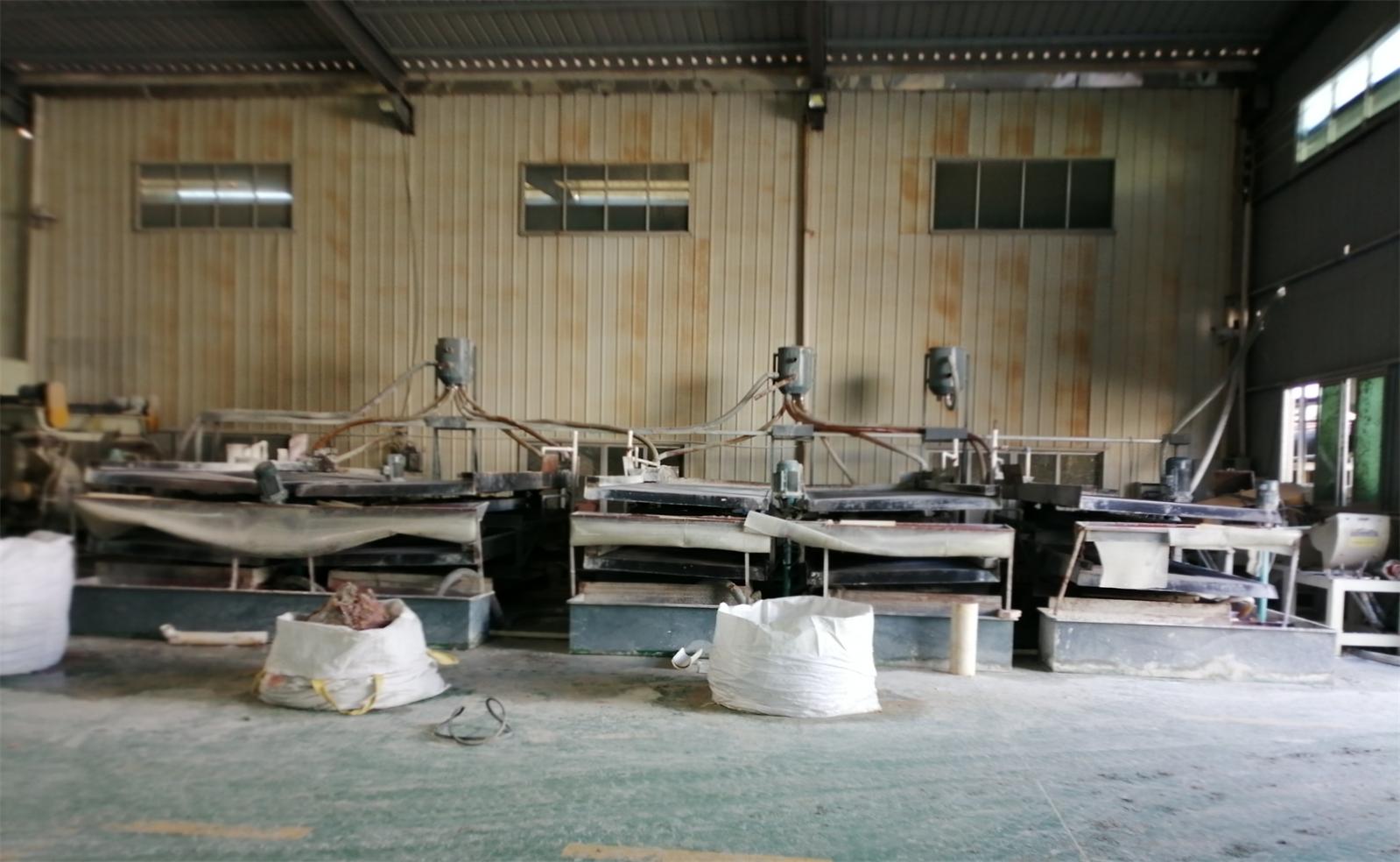
Some facilities use wet process equipment for finer separation, especially for tiny plastic particles or foam. In wet separation, the shredder fluff is mixed with water in a tank. Materials like plastic float (since they're less dense than water), while heavier metals sink. The floating plastic is skimmed off the top, and the metal sediment is collected from the bottom. It's a simple concept—think of panning for gold, but with plastic and metal instead of nuggets.
Why use both dry and wet processes? Dry separation is faster and uses less energy, but wet separation can catch smaller particles that dry methods might miss. Together, they ensure almost nothing goes to waste.
Protecting the Air: The Role of Air Pollution Control Systems
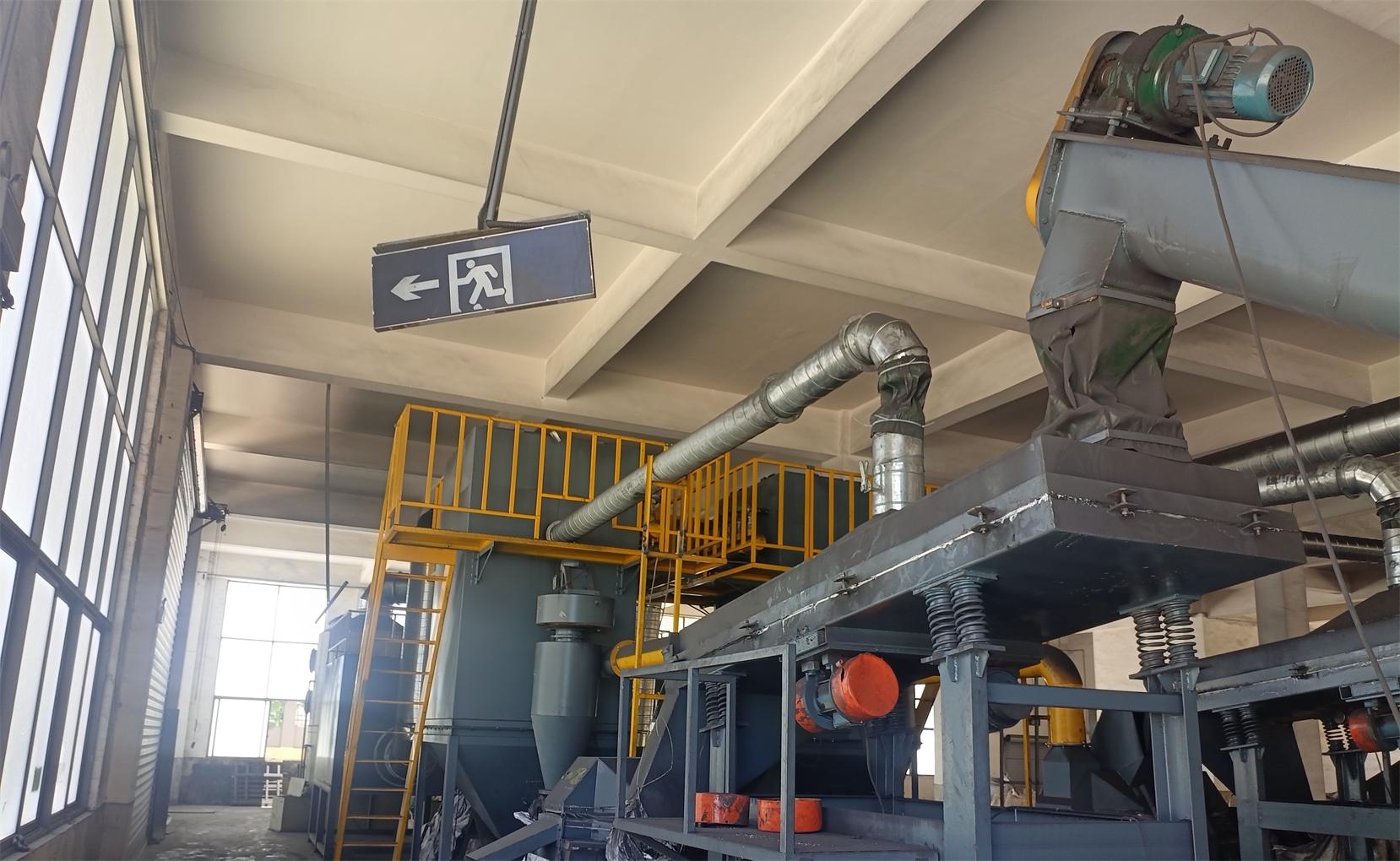
Shredding and separating refrigerators isn't just about recycling materials—it's also about protecting the people and planet around the facility. The process releases dust, fumes, and even small amounts of volatile organic compounds (VOCs), which can harm air quality if left unchecked. That's where air pollution control system equipment steps in, acting as the facility's "lungs" to keep the air clean.
Did you know? A single refrigerator recycling plant can process 50–100 units per hour. Without proper pollution control, that's a lot of dust and fumes released into the air. Modern systems capture over 99% of these pollutants, ensuring workers breathe easy and nearby communities stay healthy.
How do these systems work? It starts with dust collectors —large, bag-like filters that trap airborne particles as air is sucked through them. Think of a vacuum cleaner for the factory floor, but on an industrial scale. For fumes and VOCs, facilities use scrubbers —devices that spray a mist of water or chemicals to neutralize harmful gases before they're released outside. Some advanced systems even use activated carbon filters to (absorb) stubborn pollutants, leaving only clean air to exit the facility.
For workers like Maria, an operator at a recycling plant in Ohio, these systems are personal. "Before we upgraded our air pollution control, I'd come home with a cough at the end of the day," she says. "Now, I barely notice the dust. It's not just about compliance—it's about taking care of the people who keep this place running."
The Final Product: From Shredder Fluff to New Materials
After separation, what's left? Four main streams of materials, each with a new purpose:
Metals: The Backbone of Recycling
Steel and aluminum make up the largest portion of recycled refrigerator materials. Steel is melted down and reused in construction, automotive parts, or new appliances. Aluminum, which is 100% recyclable, is turned into cans, foil, or even airplane parts. Copper from compressors and wiring is especially valuable—it can be recycled indefinitely without losing quality, saving 90% of the energy needed to mine new copper ore.
Plastics: Giving New Life to Old Polymers
The plastic from refrigerator door liners, handles, and insulation is cleaned, melted, and pelletized. These pellets are then sold to manufacturers to make new products—think plastic crates, toys, or even car parts. It's a circular economy in action: your old fridge's door could one day become a milk crate at your local grocery store.
Foam: From Insulation to Energy
Polyurethane foam, used for insulation, is trickier to recycle, but some facilities now convert it into energy through a process called waste-to-energy . The foam is burned in a controlled environment, generating heat that powers turbines and produces electricity. It's not ideal, but it's better than sending it to a landfill, where it would take centuries to decompose.
Hazardous Waste: Disposed of Safely
Any remaining materials that can't be recycled—like small amounts of contaminated foam or broken glass—are disposed of in specialized hazardous waste facilities, ensuring they don't leach toxins into the environment.
Why This Matters: Beyond the Machine
Refrigerator shredding and separation equipment isn't just about machines—it's about people and the planet. Every refrigerator recycled saves 1,200 pounds of CO2 emissions (the equivalent of driving 1,300 miles), according to the EPA. It also reduces the need for mining, which destroys ecosystems and displaces communities.
For small businesses, too, this equipment is a lifeline. Take Joe, who runs a scrapyard in Texas. "Before we invested in a shredder, we could only recycle a few fridges a week by hand," he says. "Now, with the right equipment, we process 50 a day. It's doubled our revenue and created three new jobs. We're not just making money—we're doing something good for the community."
As technology advances, these systems are becoming more efficient. Newer refrigerator recycling equipment can recover up to 95% of a refrigerator's materials, up from 70% just a decade ago. And with the rise of smart sensors and automation, facilities can now monitor and adjust processes in real time, reducing waste and energy use even further.
The Future of Refrigerator Recycling
As the world grapples with e-waste (which is projected to reach 74 million tons by 2030), the role of refrigerator shredding and separation equipment will only grow. Innovations like AI-powered sorting systems (which use cameras to identify materials) and more efficient foam recycling methods are on the horizon, promising to make the process even greener and more profitable.
But for now, the next time you replace your refrigerator, take a moment to think about its second life. It won't end in a landfill—it'll be torn apart, sorted, and reborn as something new. And behind that transformation? A team of dedicated workers and a suite of machines working together to turn waste into opportunity.
So, the next time someone asks, "What's the point of recycling old fridges?" you can tell them: it's about more than metal and plastic. It's about building a world where nothing goes to waste—and where even the bulkiest, oldest appliances get a second chance to shine.