If you've ever wondered how metal parts get shaped into cars, electronics, or even the phone in your hand, you're about to discover the fascinating world behind it. At the heart of modern manufacturing are two powerhouse tools: mechanical presses and hydraulic presses. Both play massive roles in transforming raw materials into finished products.
Imagine stepping onto a factory floor. On one side, a
mechanical press
roars to life, its components whirling with dizzying speed. On the other, a
hydraulic press
works steadily, applying smooth, relentless pressure. These machines might look similar from afar, but underneath the hood, they're fundamentally different beasts with unique strengths, quirks, and applications.
I've spent years deep in industrial settings working with both types, and let me tell you—knowing when to choose one over the other can make or break production efficiency and cost-effectiveness. So today, I'll unpack exactly what makes each unique, their pros and cons, and where each truly shines in real-world manufacturing.
Unlocking the Power of Mechanical Presses
Mechanical presses use rotating power to get the job done. Picture a car engine—the flywheel spins, converting rotational motion into linear force that drives a ram down on your workpiece. This mechanical approach gives them lightning-fast cycles and the ability to handle repetitive tasks at high volumes.
⚙️ Core Components
- Flywheel: The energy storage heart of the press.
- Clutch & Brake: Engages the flywheel and stops ram motion.
- Ram/Slide: The muscle that delivers force.
- Die Set: Precision tools that shape or cut material.
For industries like automotive and electronics, mechanical presses are invaluable. A car body panel stamped on one of these will achieve consistent quality across thousands of units. But all that speed isn't free—they generate noise and vibration, which can become a headache in quieter settings.
Harnessing Fluid Power: Hydraulic Presses
Unlike their mechanical cousins, hydraulic presses move like a calm river—powerful, consistent, and precise. Hydraulic fluid fills the cylinders, applying steady pressure through every inch of its stroke. This provides incredible control—something crucial for complex forming or deep-drawing operations.
What sets them apart? Flexibility. A hydraulic press can apply full force anywhere in its stroke—no mechanical limits—which makes it perfect for delicate materials and shapes that demand precision. Whether you're molding ceramics or shaping aerospace components, hydraulics have got your back.
Key Parts Breakdown:
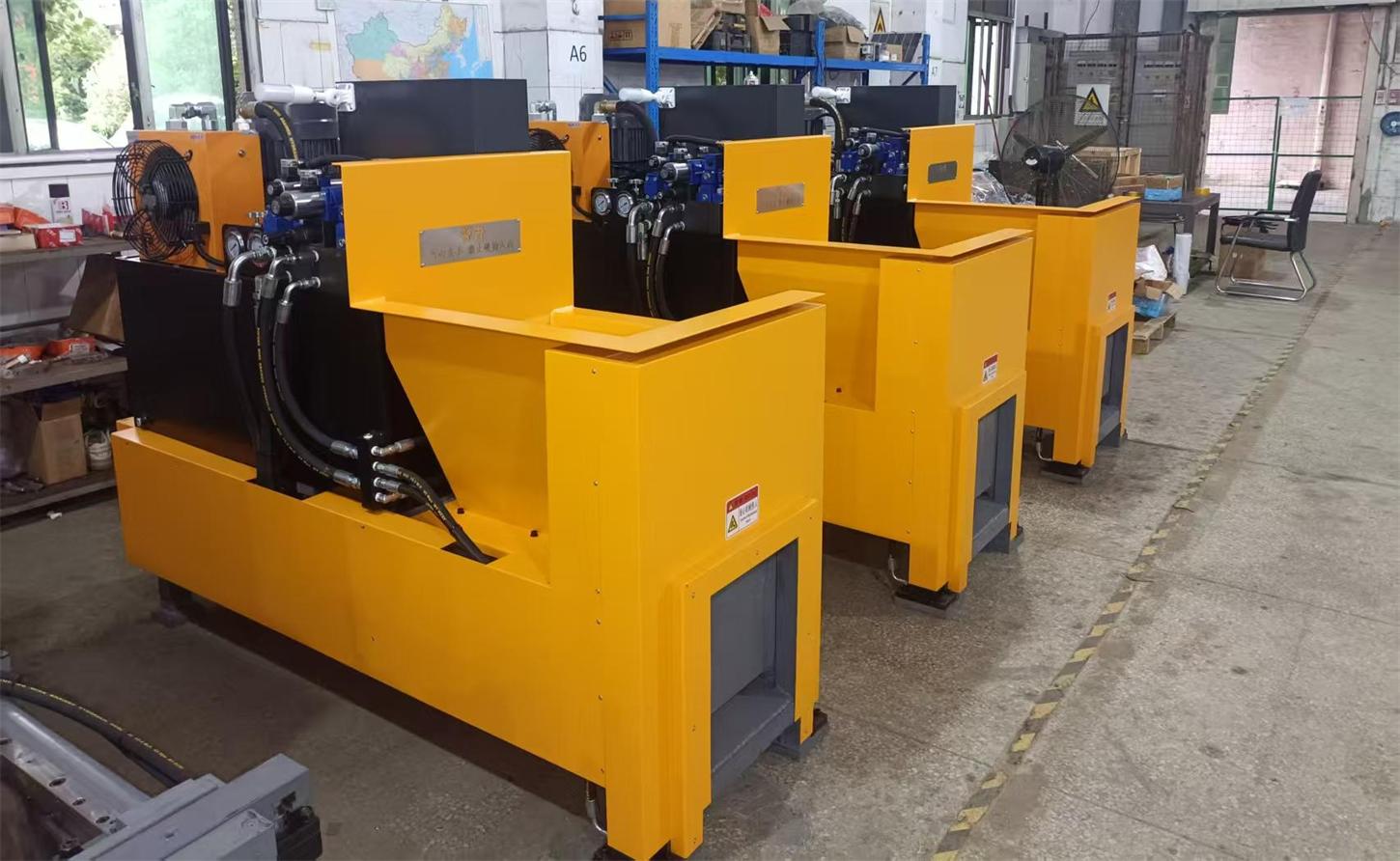
- Hydraulic Cylinder: Translates fluid pressure into mechanical force.
- Pump & Control Valves: Regulate fluid flow and pressure.
- Reservoir: Stores and cools hydraulic fluid.
Because of their power and control, hydraulics are go-tos in aerospace, medical devices, and composite materials. But that precision comes at a price: hydraulic fluids need monitoring and changes, which bumps up maintenance time and costs.
Side-by-Side Battle: Performance Metrics
| Attribute | Mechanical Press | Hydraulic Press |
|---|---|---|
| Speed & Volume | Fast cycling, excellent for mass production | Slower but more deliberate; suits complex tasks |
| Power Precision | Consistent force through momentum | Adjustable pressure for intricate shaping |
| Maintenance Needs | Gears & bearings need regular checks | Fluid systems require constant monitoring |
| Noise & Vibration | Louder due to kinetic energy | Quieter with fluid-based motion |
| Energy Efficiency | Lower energy per stroke | Higher consumption, though newer models improve this |
Ever been in a manufacturing space with lots of noise? Mechanical presses amplify that. Their high-impact operation creates vibration, demanding reinforced floors and isolation pads. On the flip side, hydraulics operate smoothly—no loud clangs or rattling frames.
But let's talk costs: a mechanical press may cost less upfront, but hydraulic presses justify theirs with versatility. Why buy two machines when one can handle metal bending and precision molding? Yet, hydraulic fluid management means you'll be replacing seals and checking tanks regularly.
Picking Your Perfect Press
Which one is right for you? Here's what matters:
- Material Type: Thin metals for stamping? Go mechanical . Delicate or composite? Hydraulic ’s gentle touch wins.
- Precision Requirements: Need fine-tuning? Hydraulic presses let you adjust pressure mid-stroke.
- Volume: Doing 10,000 identical parts? Mechanical presses excel. Complex shapes in low batches? Hydraulic.
- Space & Budget: Hydraulics tend to require more room; mechanical might fit tighter budgets.
Your choice also depends on reliability and local support. Hydraulic systems leak without proper maintenance, while mechanicals suffer alignment issues. That's why choosing a manufacturer known for quality and responsiveness—like JDM—makes all the difference.
Final Takeaway:
Both machines are kings in their arenas. Mechanical presses dominate speed and bulk production; hydraulics rule precision and flexibility. Find the one that aligns with your specific needs—you won't regret the investment.