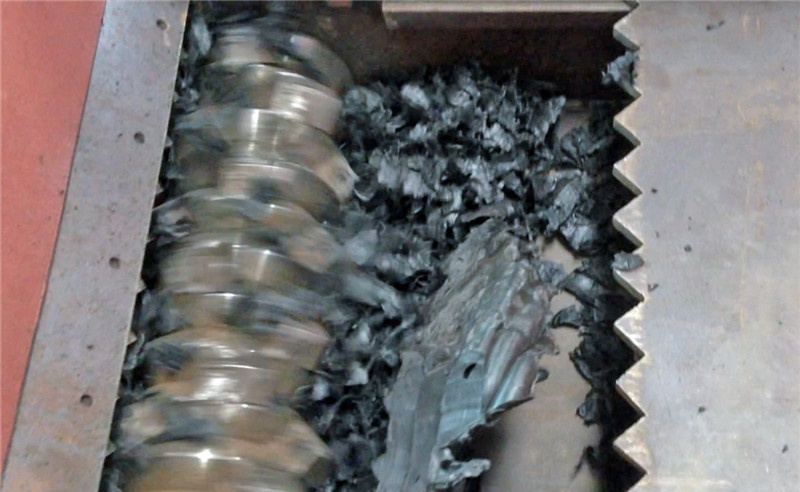
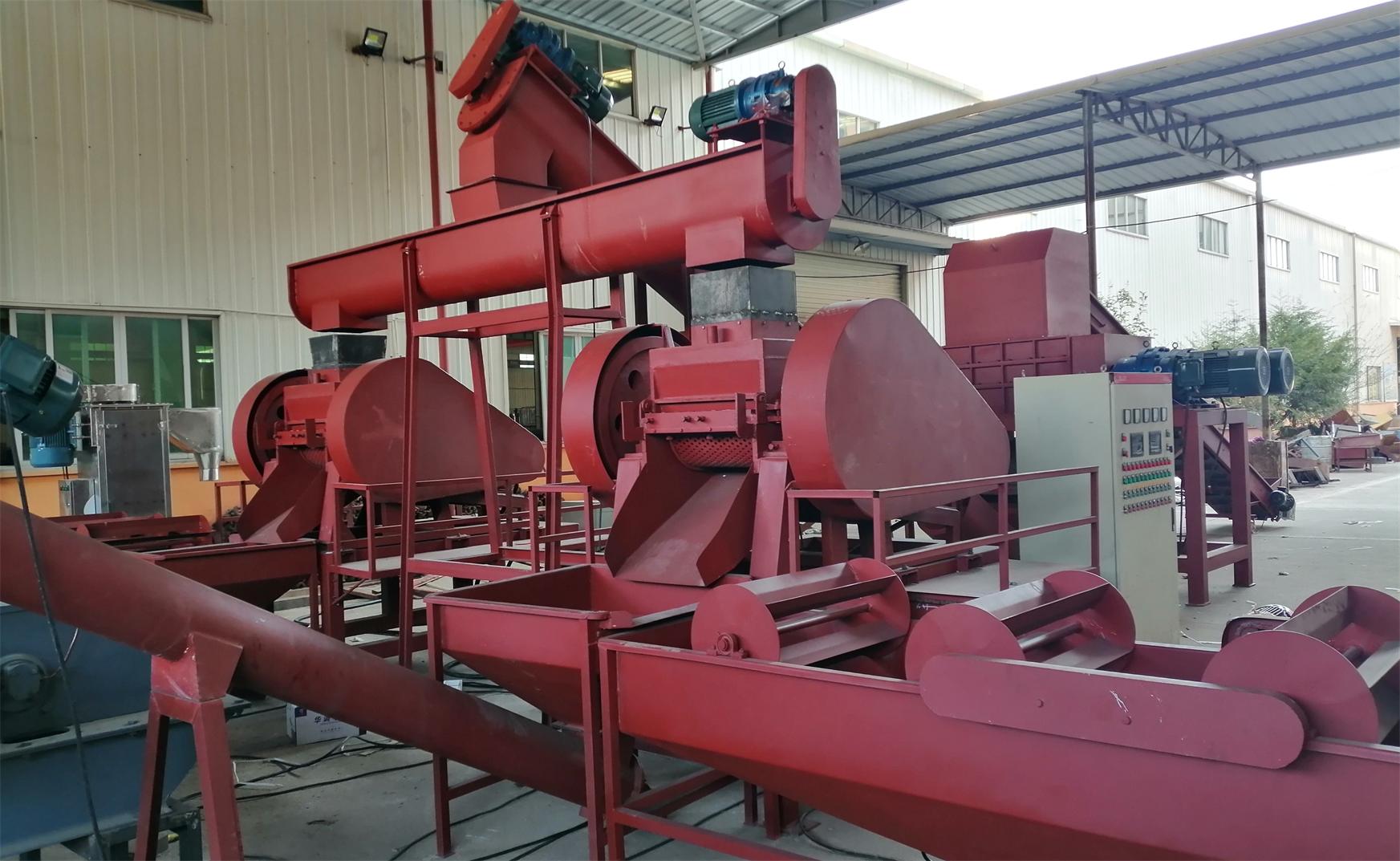
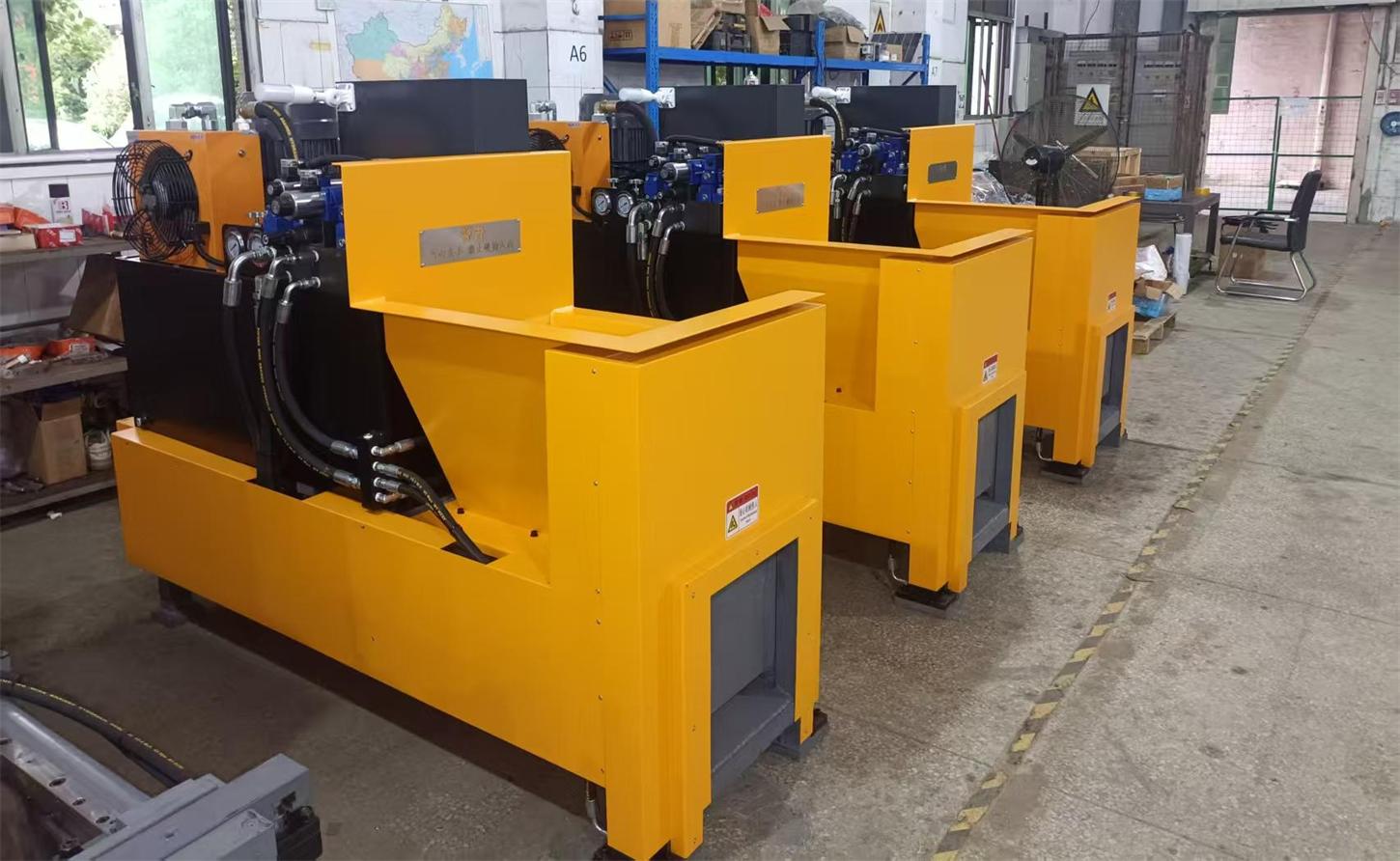
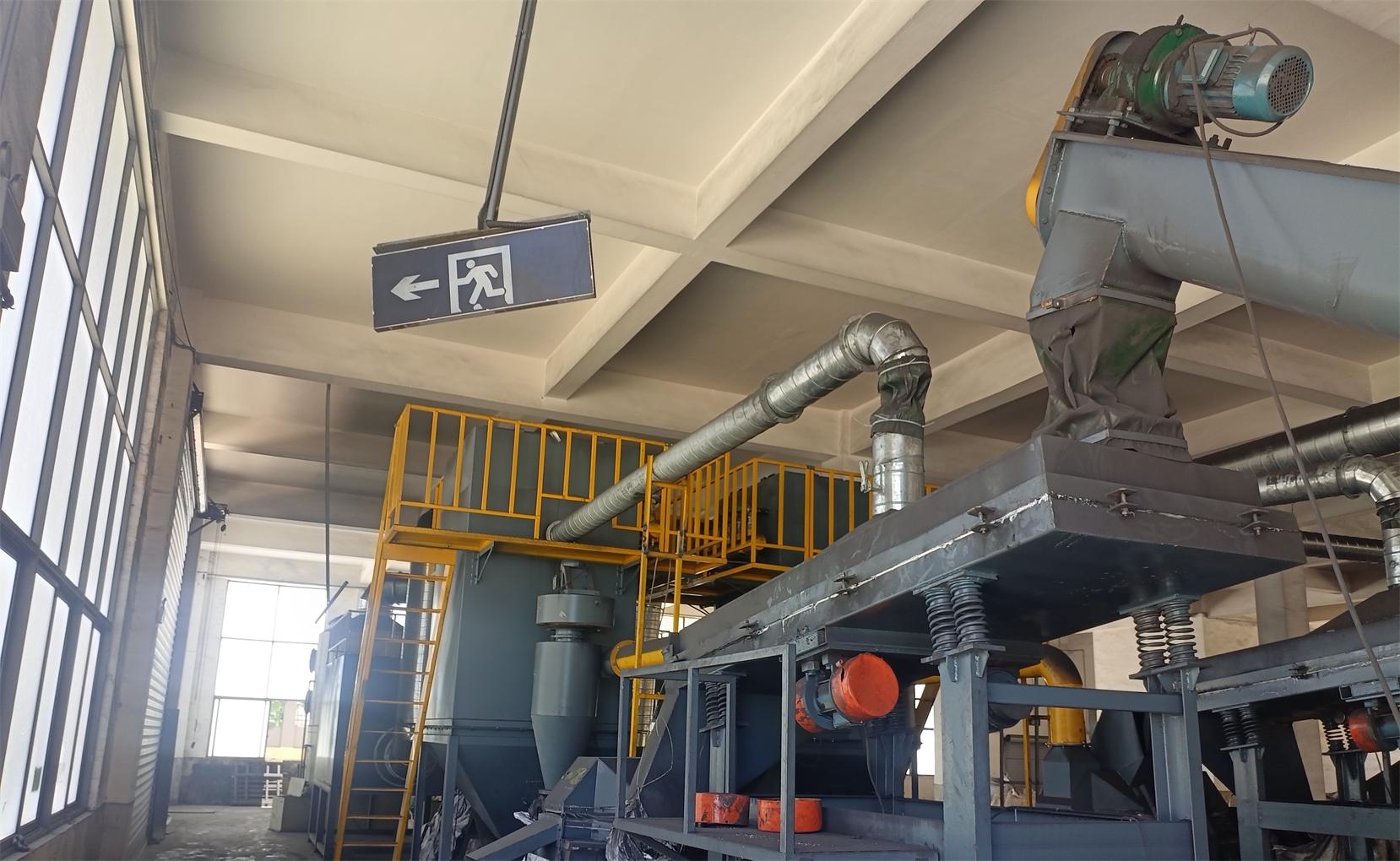
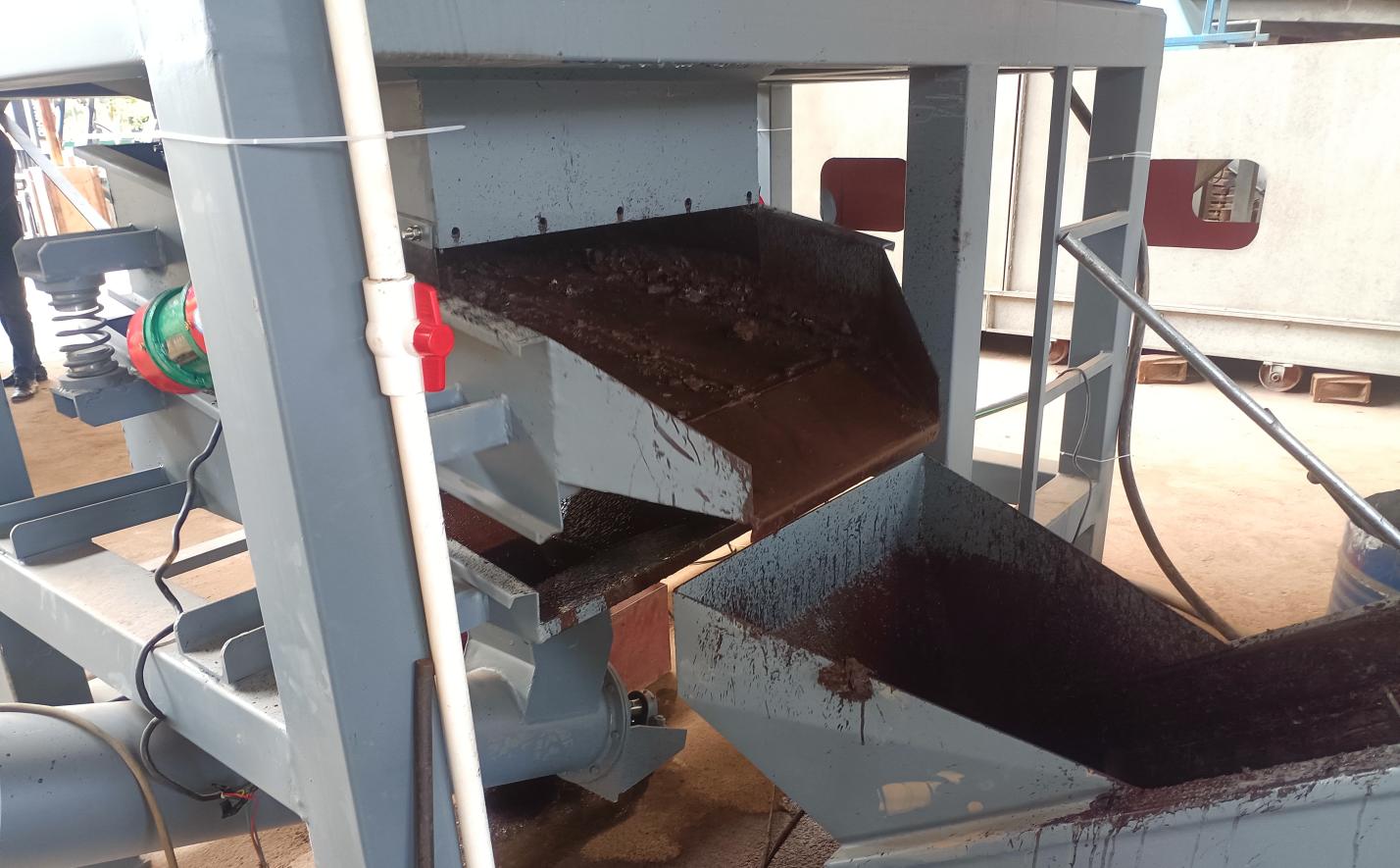
Let's talk about what happens to your old light bulbs before they meet their ultimate fate in the recycling machine. You know those bulbs you unscrew from lamps? They don't just jump straight into some industrial shredder. There's a whole careful journey they take first - what we pros call "pretreatment."
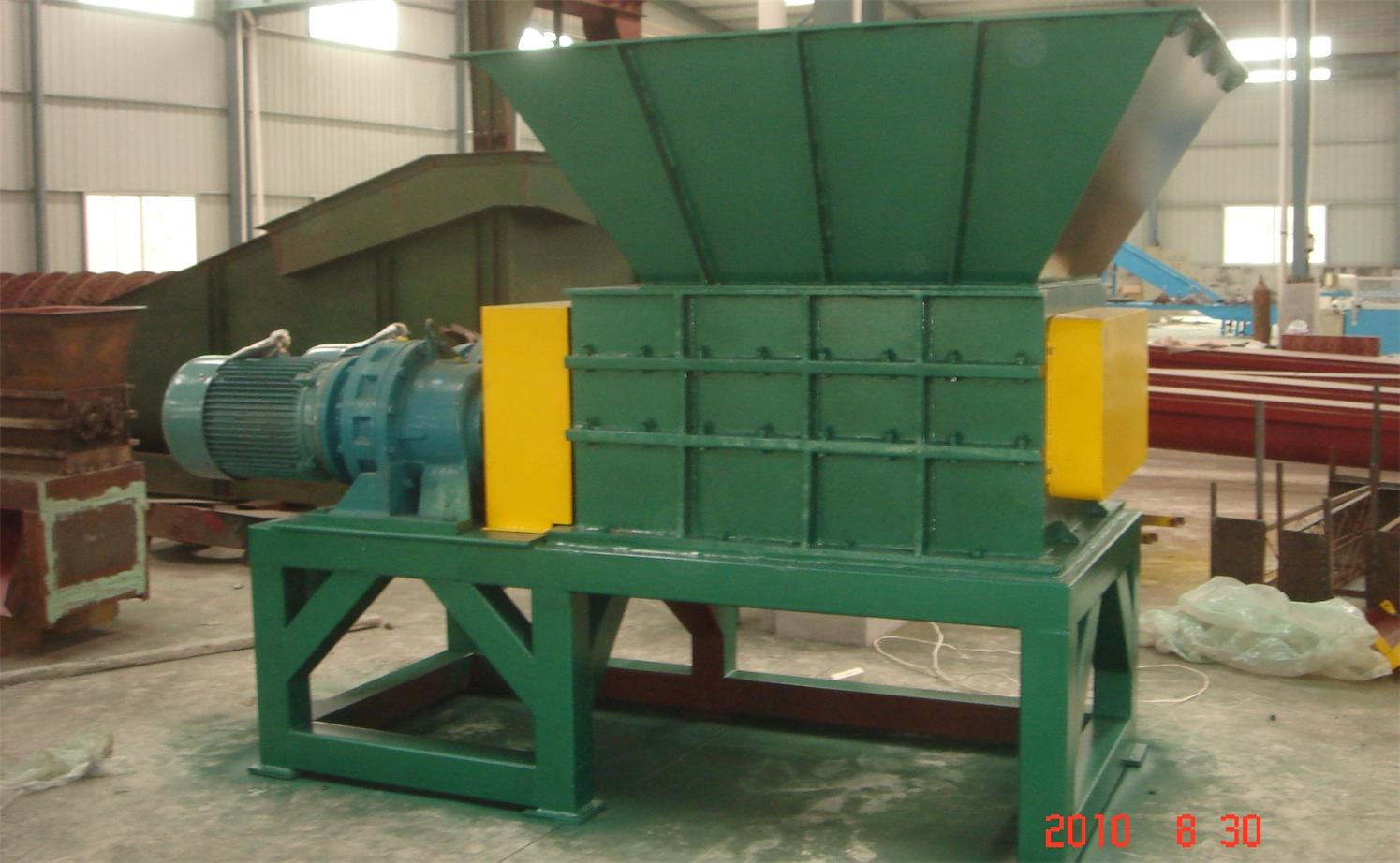
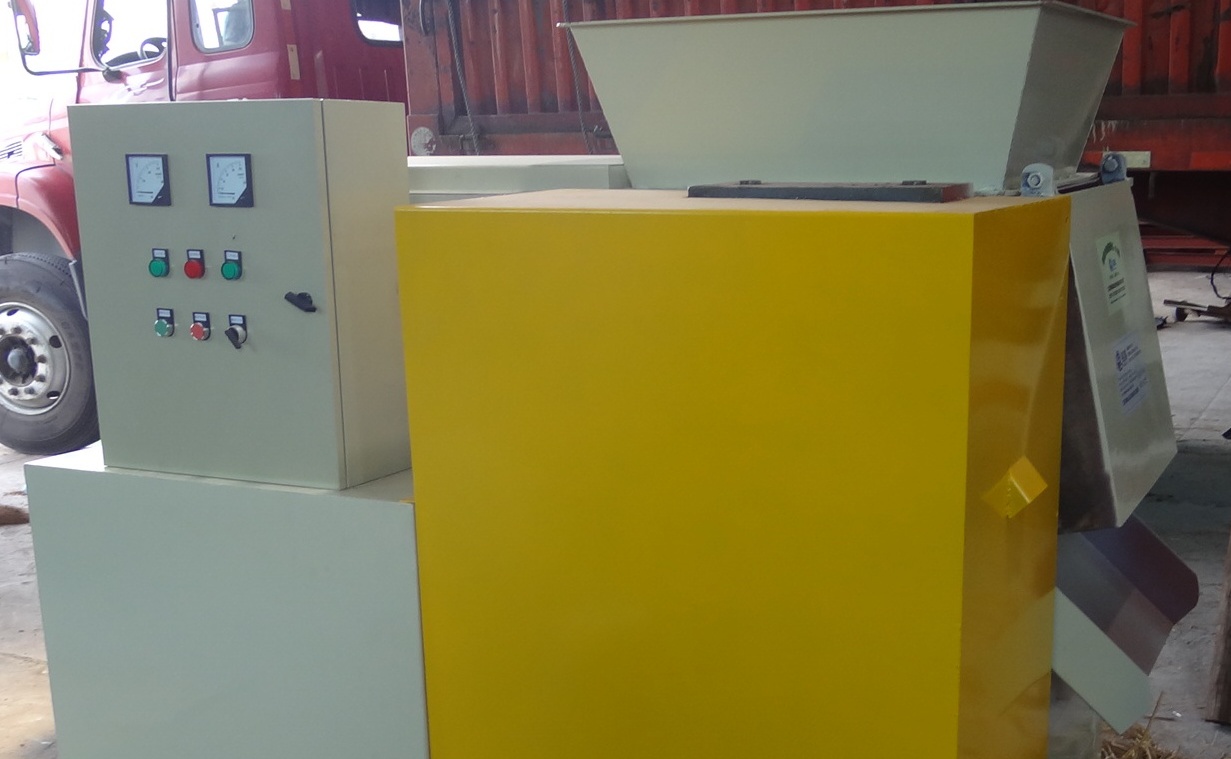
Think of it like preparing ingredients before cooking. You wouldn't toss whole, unpeeled potatoes into a soup, right? Same principle applies here. We've got to get lamps ready before they enter the lamp recycling machine .
Quick reality check: Most people don't realize that nearly every fluorescent bulb contains mercury – that silvery liquid metal we used in old thermometers. One small four-foot fluorescent tube contains enough mercury to pollute 6,000 gallons of water! That's why we can't just chuck them in regular trash.
The Critical First Steps
Sorting: More Than Just Bulb Types
First things first: we sort like crazy. You can't just dump all lamps into one big pile. Different types need different handling:
- Fluorescent tubes : Long and fragile, these are the divas of the lamp world. They contain mercury vapor that needs special containment.
- CFLs (those twisty bulbs) : Compact but mighty – their smaller size means mercury is more concentrated.
- LEDs : These contain valuable copper and aluminum but also traces of arsenic and lead.
- Halogens and incandescents : Easier to process since they don't contain mercury, but still need special handling.
At our facility, workers scan each bulb with UV detectors to identify mercury content on the spot. It's like CSI for light bulbs!
Containment: Your Bulb's First Home
Once sorted, bulbs go into specialized containers that feel like luxury condos compared to how most people store them. The #1 rule? No breakage allowed .
We use:
- Original manufacturer boxes when available
- Sealable plastic drums with foam inserts
- Cardboard cylinders with end caps for tubes
- Stackable totes with internal dividers
Ever seen how expensive wines are packaged? That's basically how we treat these bulbs. Because here's something they don't tell you – even intact bulbs slowly release mercury vapor. Proper containment keeps everyone safe.
The Broken Bulb Protocol
Here's the messy part we try to avoid but must prepare for. You know when you drop a bulb and that "oh no" moment hits? Multiply that by industrial scale.
When breakage happens (and it always does somewhere in the process):
- Evacuate non-essential personnel from the area
- Seal ventilation within 30 seconds using automated systems
- Operators in full hazmat gear enter with specialized vacuums
- Every shard gets collected into airtight containers
- The area gets scrubbed with sulfur powder that bonds with mercury
The scary truth? An average recycling facility handles at least 300 breakage incidents weekly. That's why our employees train for this like firefighters train for fires.
Handling Different Lamp Types
Not all lamps are created equal, and they definitely don't get equal treatment:
Fluorescent Tubes: The Delicate Giants
These require the most TLC before meeting the recycling machine:
- End cap removal : Specialized pliers twist off aluminum ends without shattering glass
- Powder collection : That white powder inside? It's phosphor coating containing mercury
- Glass decontamination : Acid wash removes mercury residues before crushing
Fun fact: The aluminum end caps from 10,000 tubes contain enough metal to make 340 bicycle frames!
CFLs: Little Packages of Complexity
Those curly bulbs are like tiny chemical factories:
- Electronic ballast separation : Tiny circuit boards get removed with micro-tools
- Gas capture : Mercury vapor gets frozen at -38°C before processing
- Glass sorting : Different coatings mean different glass recycling streams
What most people don't realize? That plastic base contains fire-retardant chemicals that can't just go into plastic recycling. It requires separate thermal processing.
The Regulatory Dance
You might wonder why we go through all this trouble. Blame the EPA! But really, thank them - these rules exist to protect everyone.
The Universal Waste Rule governs everything we do:
- Labeling requirements : Every container must scream "WASTE LAMPS" in letters you can read from 20 feet away
- Storage limits : We can only keep bulbs for 11 months maximum before recycling
- Transportation rules : Special mercury-proof containers required during shipping
- Paperwork trails : We track every bulb like diamonds at a jewelry store
States add their own twists too. In California? All lamps must be recycled – no exceptions. Vermont? Total landfill ban on mercury-containing anything.
Why All This Hassle Matters
After all this pretreatment, what actually happens in the recycling machine? Magic happens! But none of it would work without proper prep:
- Mercury separated from glass becomes dental amalgam
- Aluminum end caps become new light fixtures
- Phosphor powder goes into glow-in-dark products
- Glass becomes concrete aggregate
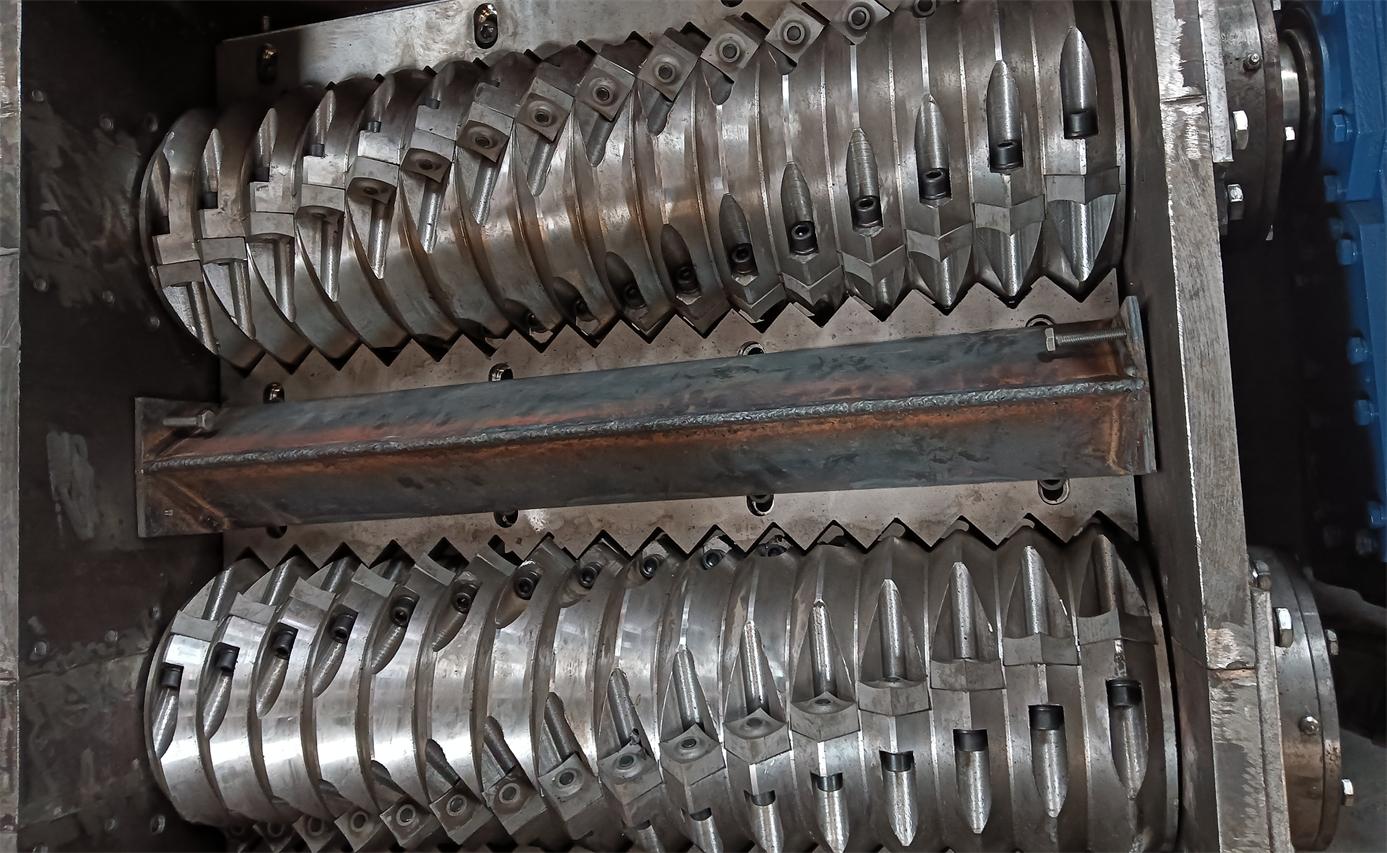
A modern lamp recycling machine can process up to 4,000 bulbs per hour – but only if we've done our pretreatment homework. Like a master chef prepping ingredients, this careful process ensures nothing gets wasted.
So next time you replace a bulb, remember its journey to rebirth starts long before it enters those spinning blades. That careful handling makes the difference between pollution prevention and environmental harm. And that's something worth shining a light on!