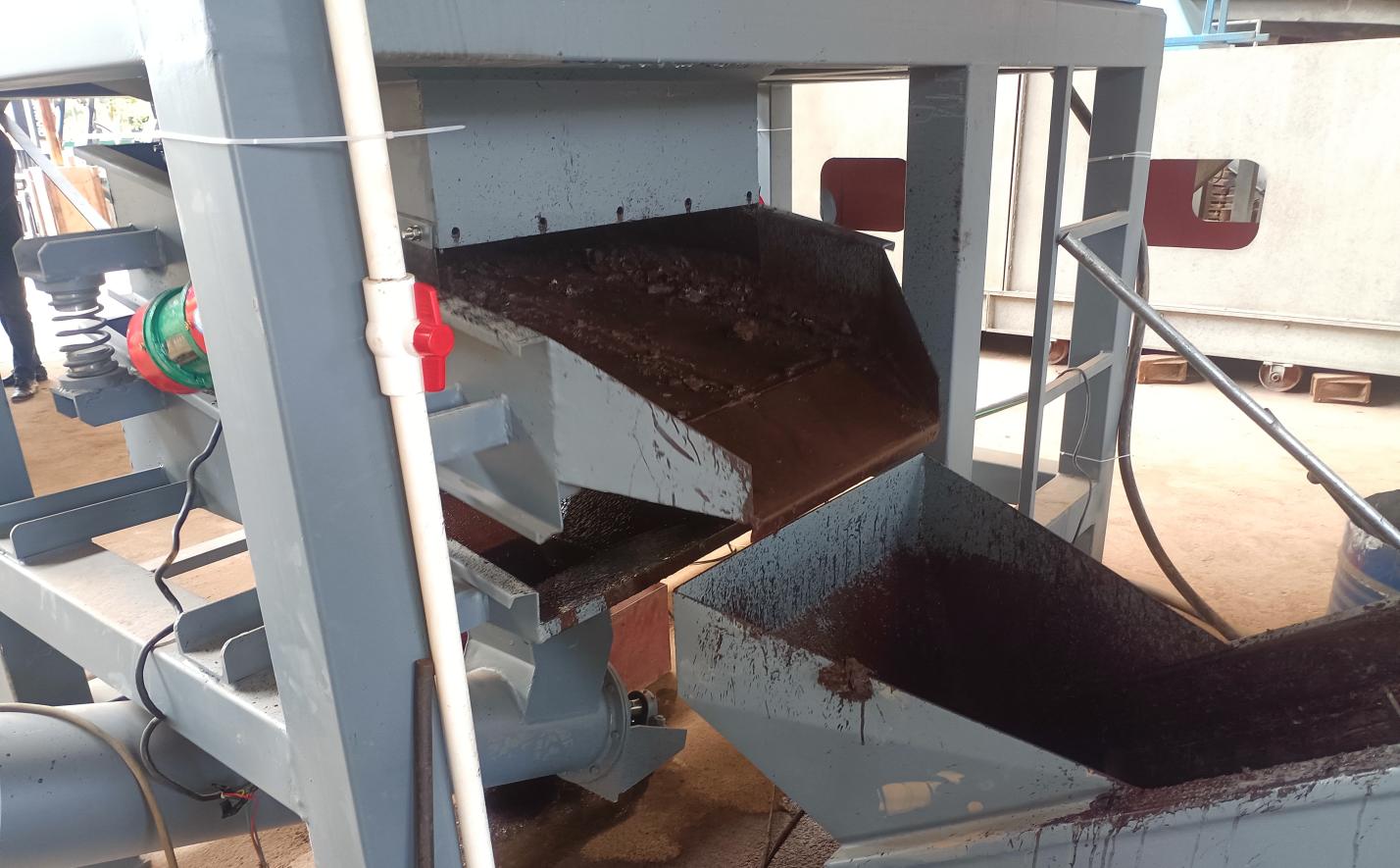
You receive two quotations for a lead acid battery recycling plant. One is thirty percent cheaper. The other costs more but comes with a process flow diagram, an installation timeline, and a direct line to a mechanical engineer who has built fifteen similar lines. Which one is the real bargain?
Price is what you pay. Value is what you keep. In the e-waste recycling business, the difference shows up six months after startup, when either your line is hitting design capacity or your maintenance team is fabricating parts from scratch. Choosing the right recycling equipment supplier is not a purchasing decision. It is a project partnership decision.
Why the Supplier Matters More Than the Spec Sheet
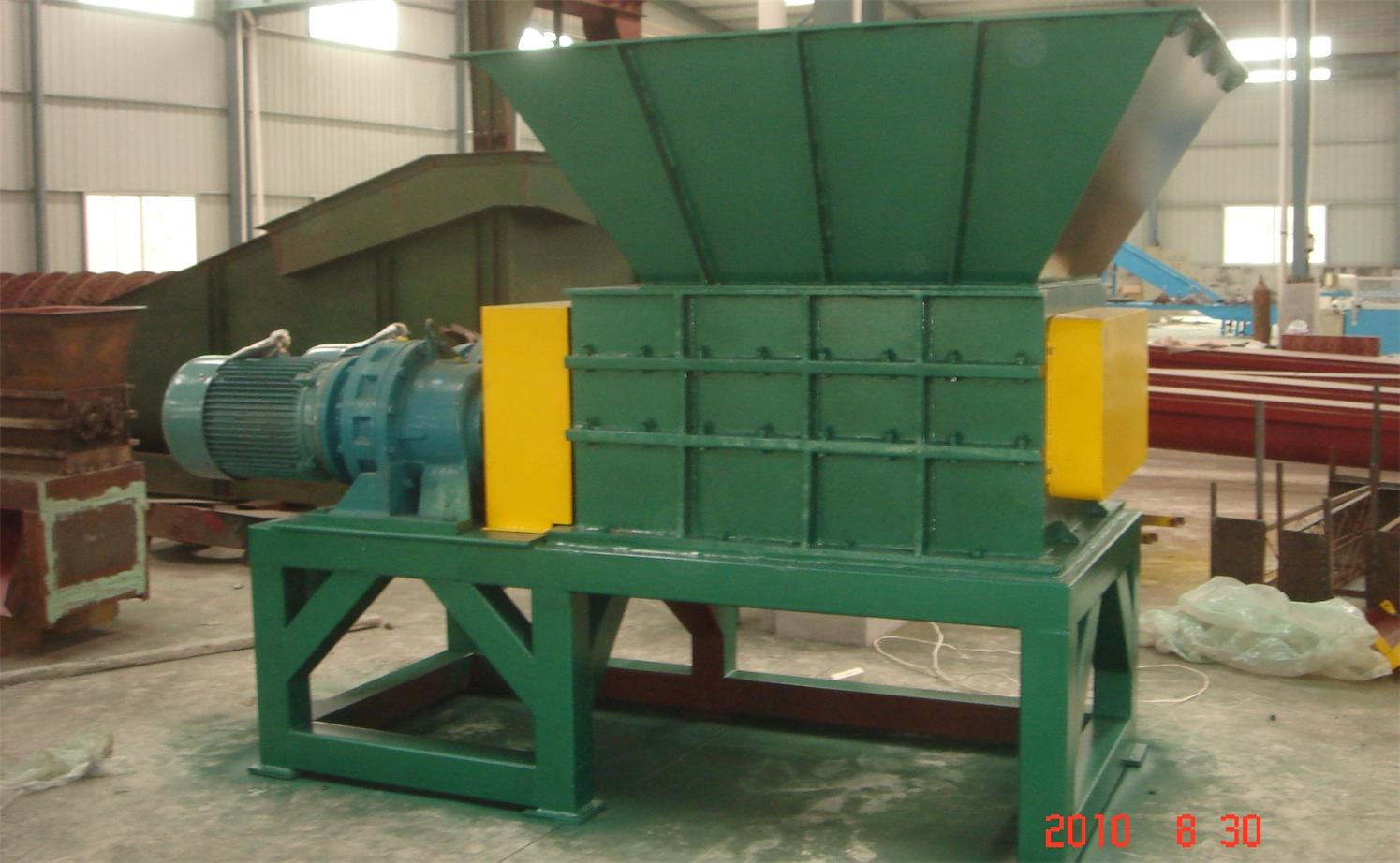
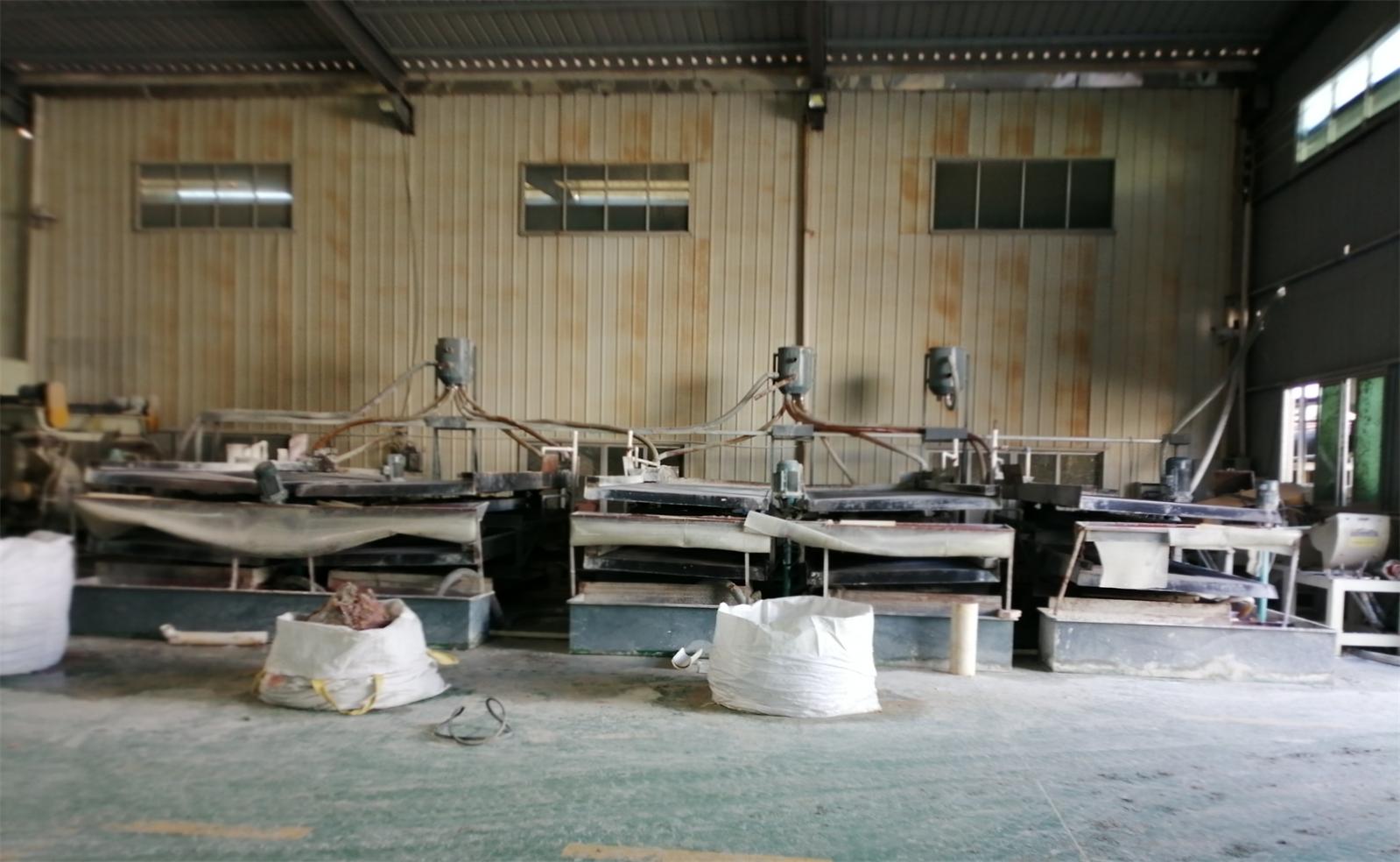
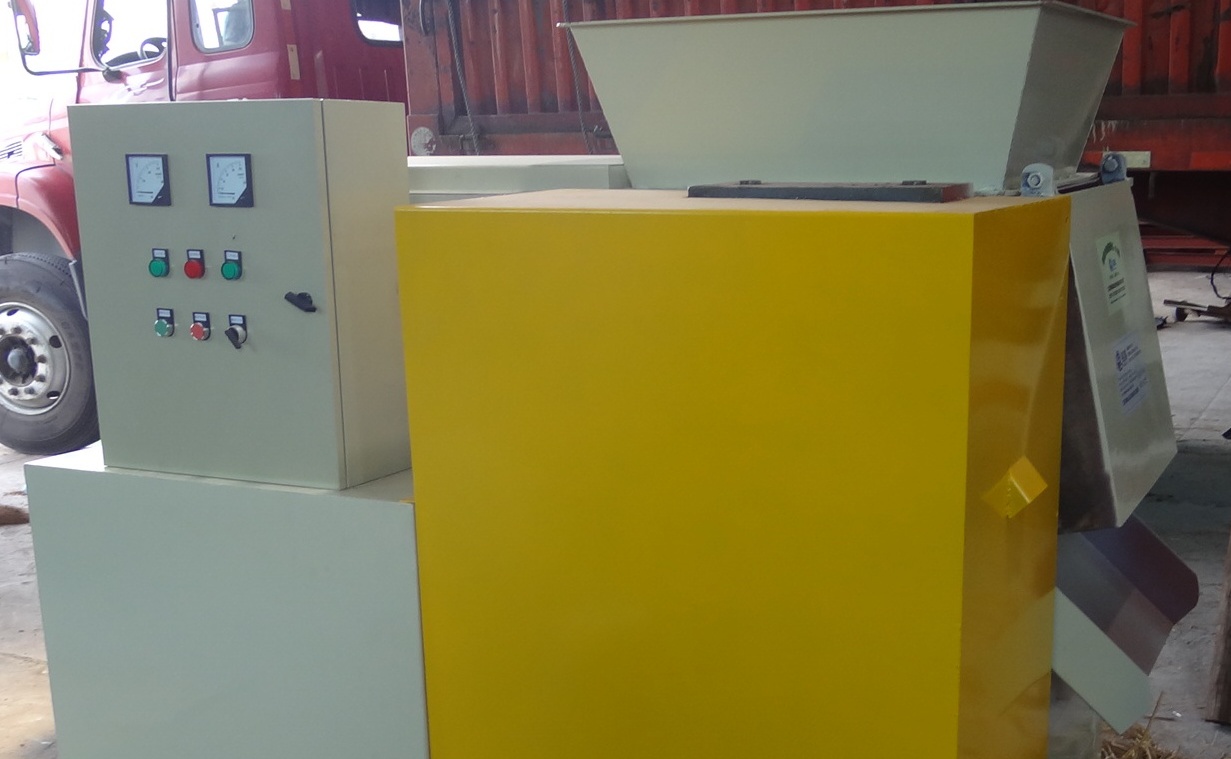
A recycling plant is not an off-the-shelf appliance. It is an integrated system where crushers, separators, smelters, pollution control units, and water treatment plants must talk to each other. If the supplier treats each machine as an isolated SKU, you inherit the integration risk. If the supplier treats the entire line as a single engineered system, you inherit the performance guarantee.
The same logic applies whether you are buying lead acid battery recycling equipment, cable recycling equipment, or circuit board recycling equipment. The machine is only as good as the engineering team that sized it for your feedstock, climate, and local emission limits.
Six Checks Before You Sign
Product Breadth as a Risk Hedge
Single-product suppliers are vulnerable. If their only offering is a cable granulator and your local cable supply dries up, you have no pivot. A diversified recycling equipment supplier lets you expand into adjacent waste streams without re-qualifying a new vendor.
| Category | Key Application | Typical Capacity |
|---|---|---|
| Lead acid battery recycling | Recover lead paste, lead grid, plastic, acid | 1–10 MT/hour |
| Lithium battery recycling | Recover black mass, copper, aluminum, plastic | 500–2,500 kg/hour |
| Cable recycling | Separate copper/aluminum from insulation | 200–15,000 kg/10 hr |
| Circuit board recycling | Extract copper powder and precious metals | 300–2,000 kg/hour |
| Refrigerator & AC recycling | Extract refrigerant, separate metals and plastics | 20–30 units/hour |
Red Flags That Should Pause the Deal
Not every low quotation is a trap, but these patterns should trigger due diligence:
- The supplier cannot name a reference plant you can visit or video-call.
- The quotation omits pollution control, water treatment, or installation support.
- Recovery rates are promised but not documented with third-party test results.
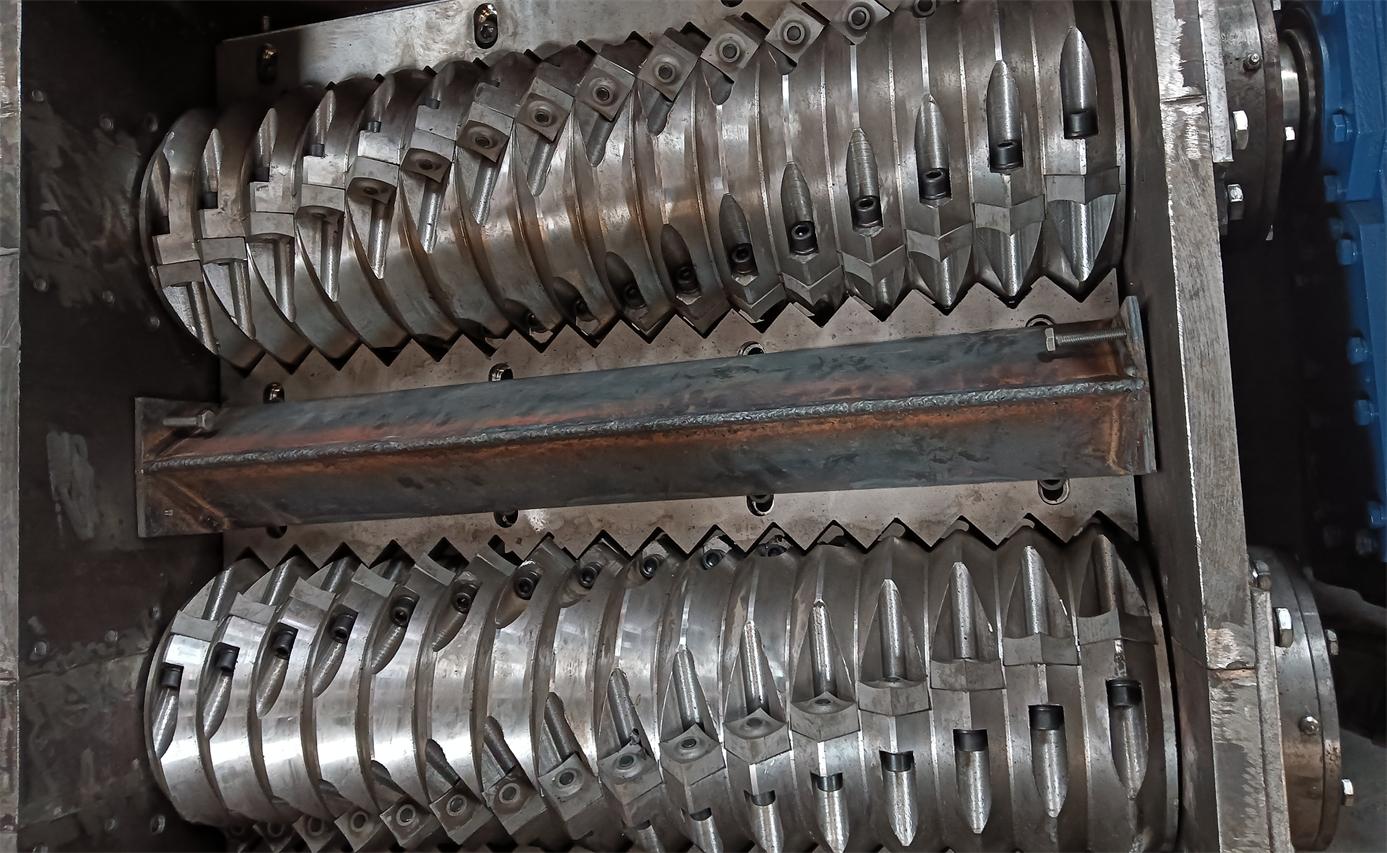
- The sales engineer cannot explain why the crusher motor is sized at a specific kilowatt rating for your material.
- The company has no in-house mechanical design capability and outsources all engineering.
A recycling plant operates for ten to fifteen years. The supplier you choose today will still be answering your spare parts emails a decade from now. Look for a partner who has been in the industry since before the latest commodity boom. San Lan Technologies was founded in 2007 and has survived multiple metal price cycles, which means their designs are robust enough to stay profitable even when copper or lead prices dip.
If you are planning a new e-waste recycling project or upgrading an existing line, send your feedstock description and target capacity to San Lan Technologies. Their engineering team will return a process flow diagram, equipment list, and investment outline within three working days. You can reach them directly at info@san-lan.com or via WhatsApp at +86 139 2377 4083. Visiting their facility in Ganzhou, Jiangxi Province, China, is welcomed by appointment.