What to Know Before Buying Lead Acid Battery Recycling Equipment
Every year, millions of used lead acid batteries reach the end of their service life. For recyclers, this represents a steady feedstock. For investors, it is an opportunity to enter a market with predictable demand. But the gap between a pile of scrap batteries and a profitable operation is filled with machinery choices that most first-time buyers underestimate. The right lead acid battery recycling equipment can mean the difference between a plant that runs at capacity and one that sits idle because of bottlenecks or environmental violations.
The Real Cost Is Not the Price Tag
Buyers often compare quotations line by line and choose the lowest number. That approach works for commodities. It fails for industrial recycling plants. A lead acid battery recycling line is an integrated system. If the breaking and separation unit handles 10 metric tons per hour but the downstream smelting furnace only processes 2 metric tons per batch, you have created a traffic jam that costs money every hour it exists.
The same logic applies to environmental compliance. A de-sulfurization unit that is undersized for your planned volume will produce emissions that trigger regulatory shutdowns. A water treatment plant that cannot handle the acidic wastewater from your breaking process will turn your facility into a liability. When you evaluate lead acid battery recycling equipment, look at system throughput, not individual machine specifications.
What the Process Actually Looks Like
A complete plant typically moves through five stages. First, batteries are cut or broken to empty acid and expose internal components. Second, a separation system classifies the material into plastic shells, lead grids, lead paste, and hard rubber. Third, the lead paste undergoes de-sulfurization to reduce sulfur content and lower the melting temperature. Fourth, the processed paste is smelted in a rotary furnace or blast furnace to produce crude lead. Finally, the crude lead is refined in a kettle furnace to reach commercial purity, often 99.999 percent.
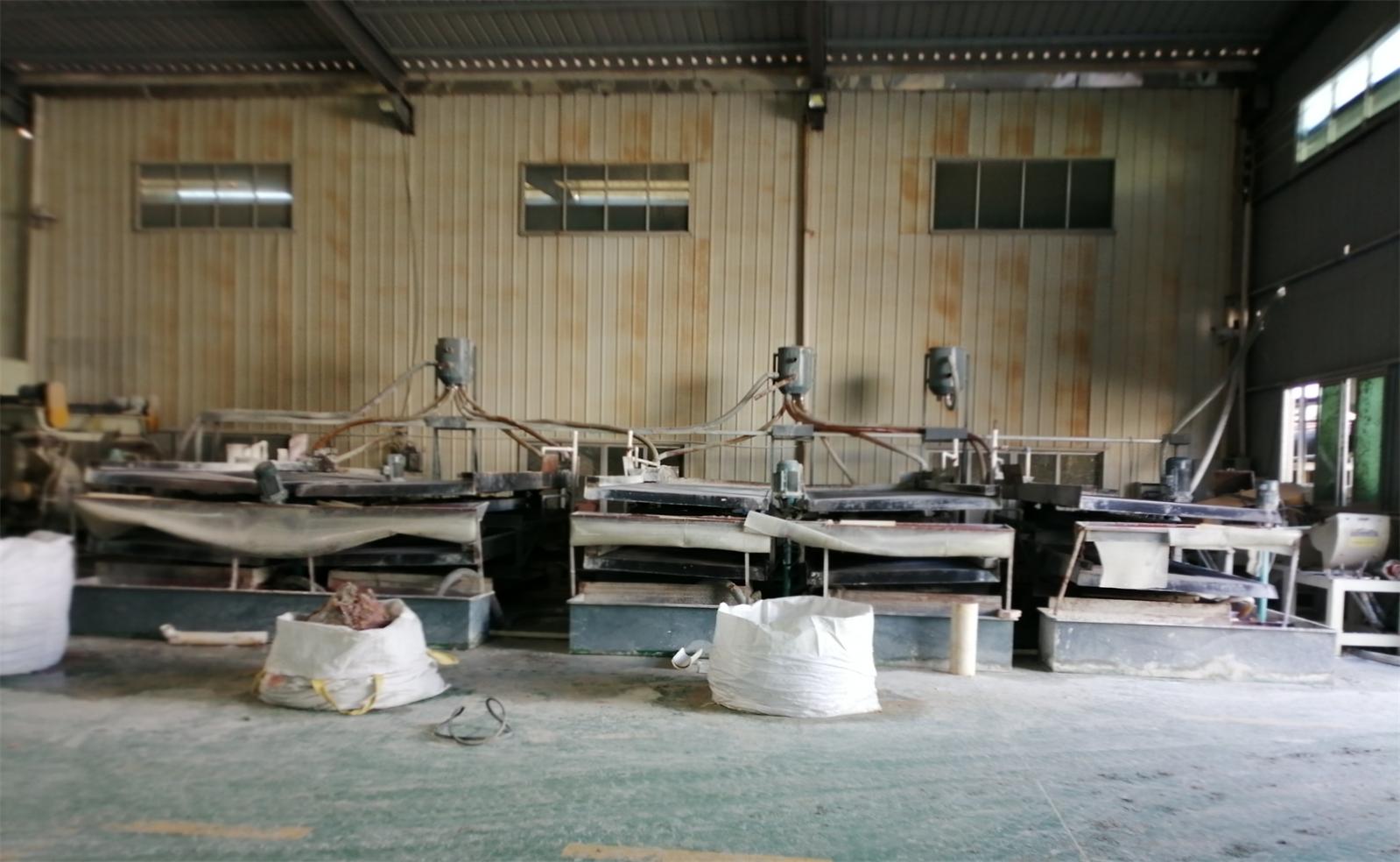
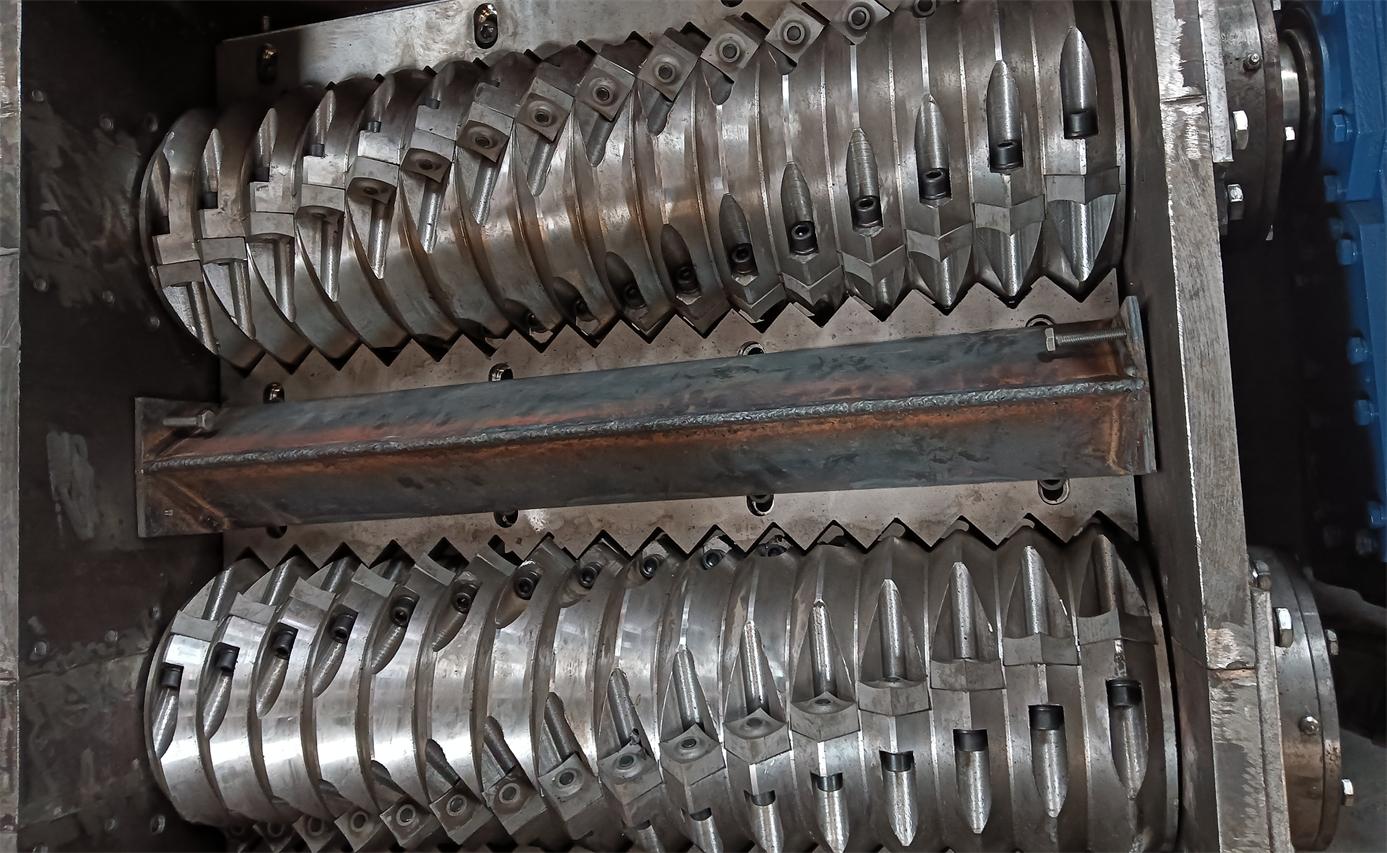
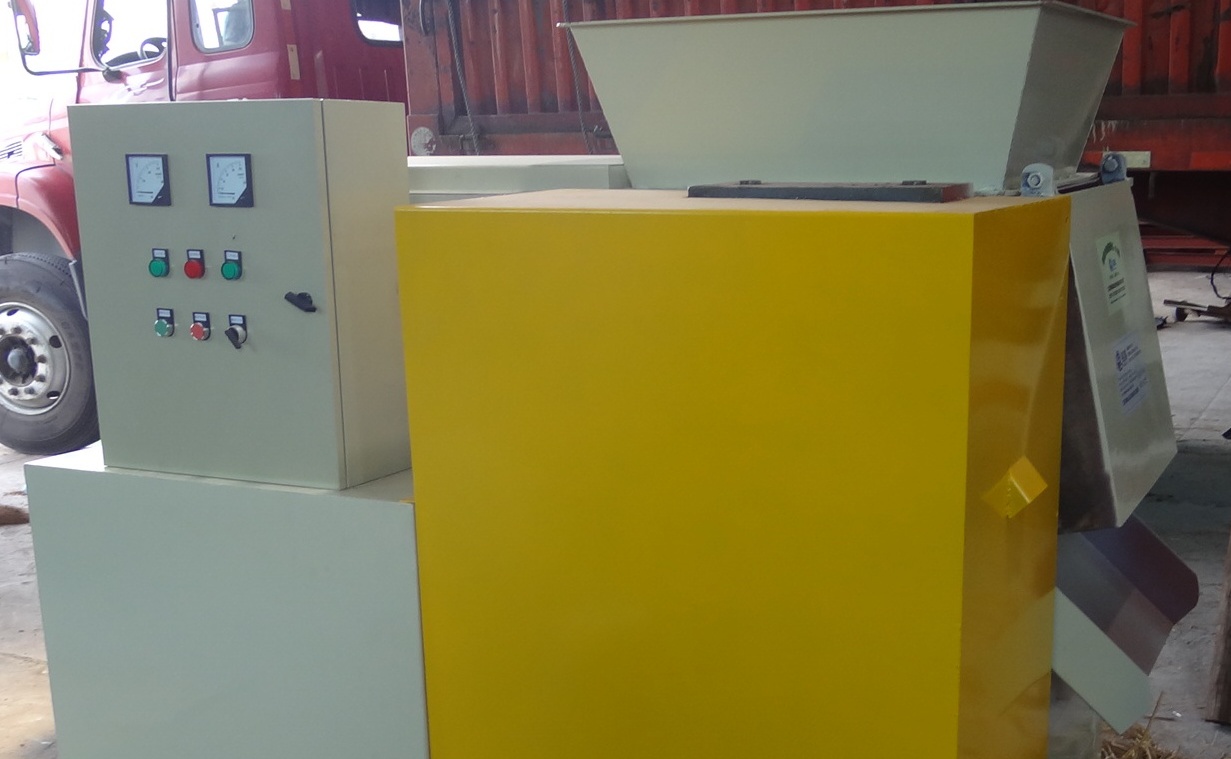
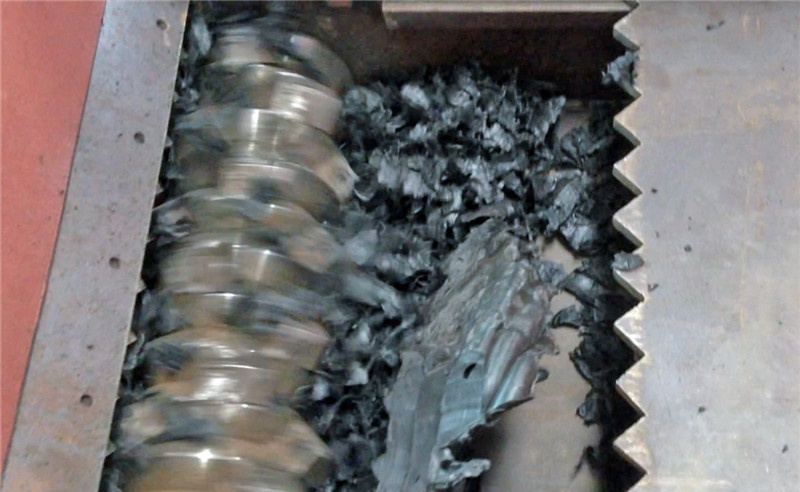
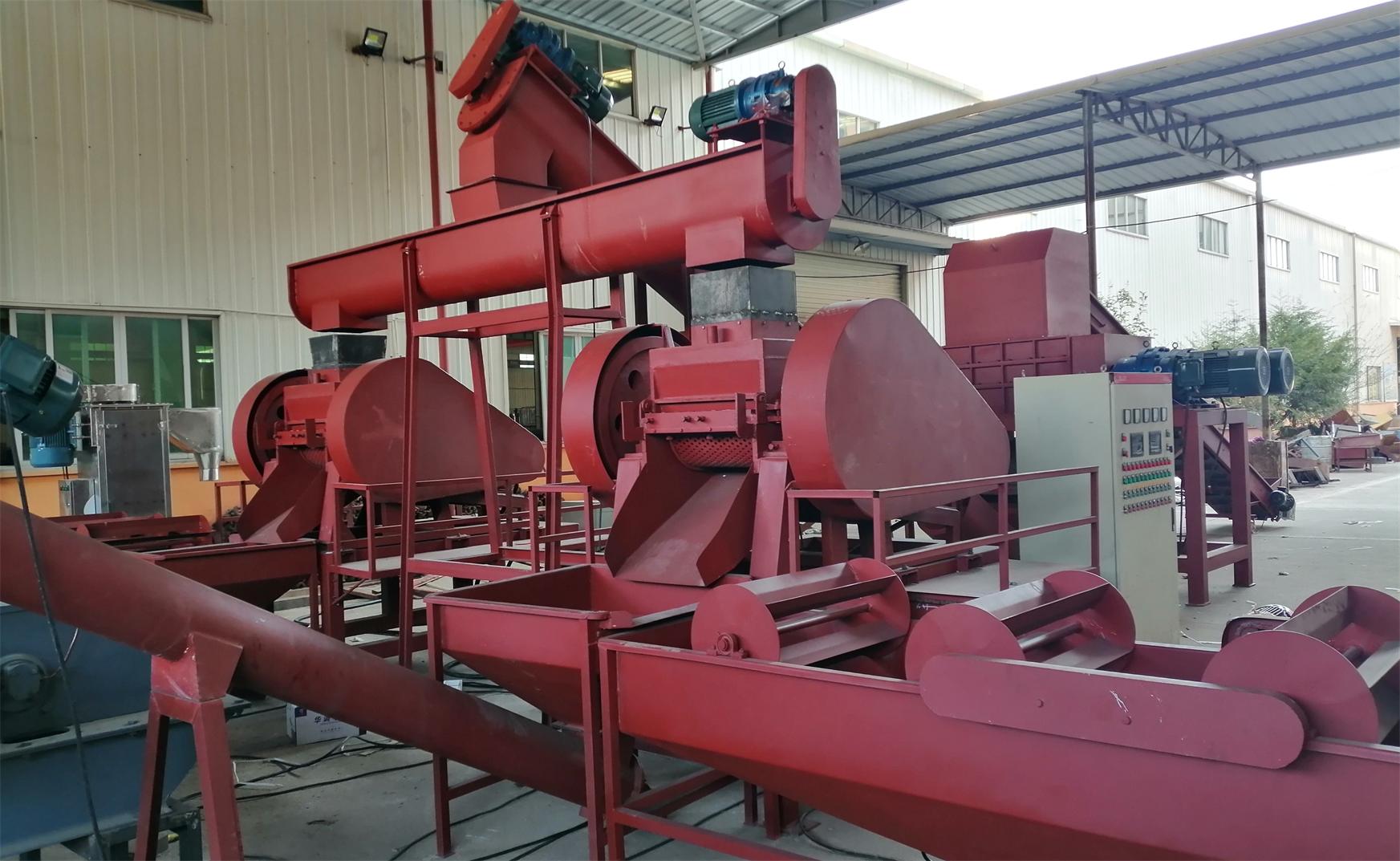
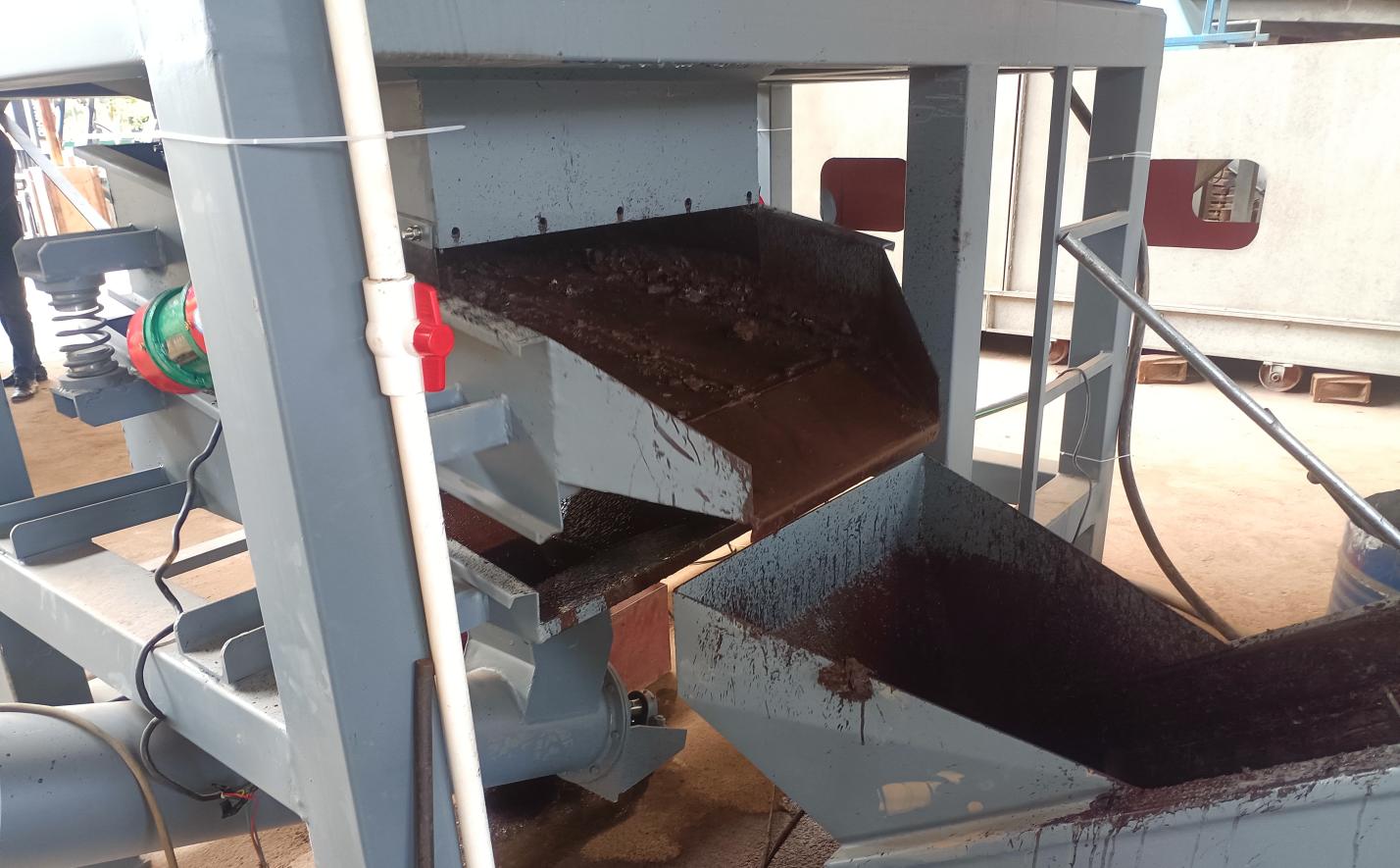
Each stage requires specific machinery. A battery cutter with hardened blades rated to HRC 56-62 can process one battery every 45 seconds. A breaking and separation system with 1-10 metric tons per hour capacity can be configured to output four distinct streams: lead grid, lead paste, PVC or PP plastic, and hard rubber. Rotary furnaces for paste reduction operate in batches of 2-20 metric tons and typically achieve higher lead recovery rates than blast furnaces. Refinery kettles, whether heated by natural gas, diesel, or electricity, bring the final product to battery-grade purity.
Key Specification Checklist
Before signing a purchase contract, verify these parameters with the manufacturer: hourly throughput capacity for each stage, power requirements and utility compatibility, emission control ratings, batch sizes for smelting equipment, material recovery rates, and spare parts availability. A supplier who cannot provide these details in writing is not a manufacturer. They are a trader.
Environmental Equipment Is Not Optional
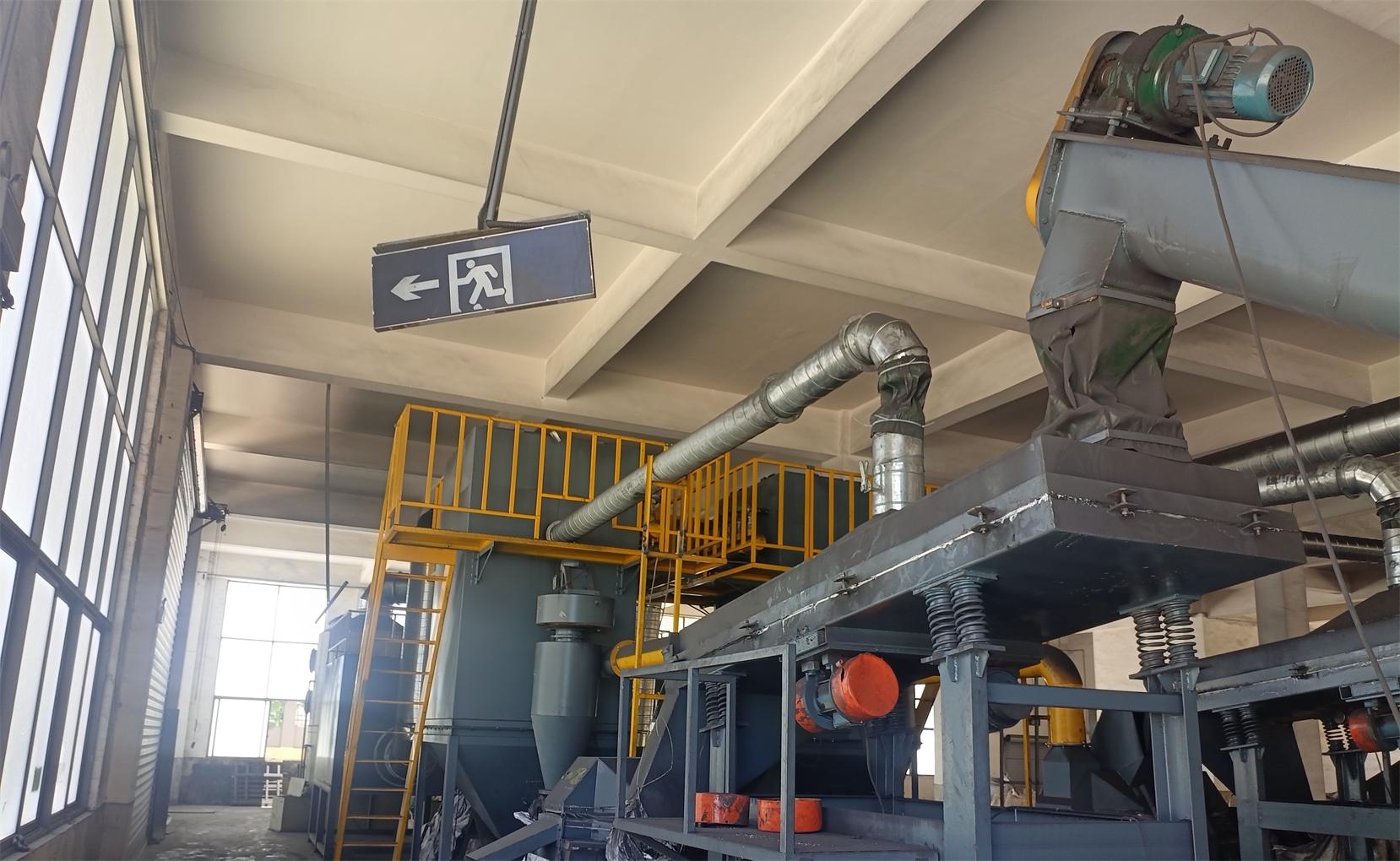
Regulators in most jurisdictions do not treat air and water pollution as afterthoughts. They treat them as license conditions. An air pollution control system designed for rotary furnaces and refinery kettles must neutralize harmful gases before they reach the stack. A water treatment plant must handle acidic wastewater from the breaking and separation process. A filter press must separate lead paste from slurry with sufficient filtration area to keep pace with upstream production.
These are not add-ons. They are part of the core system. If your supplier treats environmental equipment as a separate quote or an optional upgrade, that is a warning sign. Integrated design means the breaking system, the smelting line, and the pollution control plant are engineered to work together from day one.
Diversification Beyond Batteries
A recycling operation that depends on a single feedstock is vulnerable to price swings and supply interruptions. Most successful plants diversify. Cable recycling equipment can process scrap wire and cable to separate copper or aluminum from plastic insulation. Circuit board recycling equipment can recover copper powder and precious metals from discarded electronics. Both product lines use similar core technologies—crushing, separation, and dust collection—that complement a battery recycling operation.
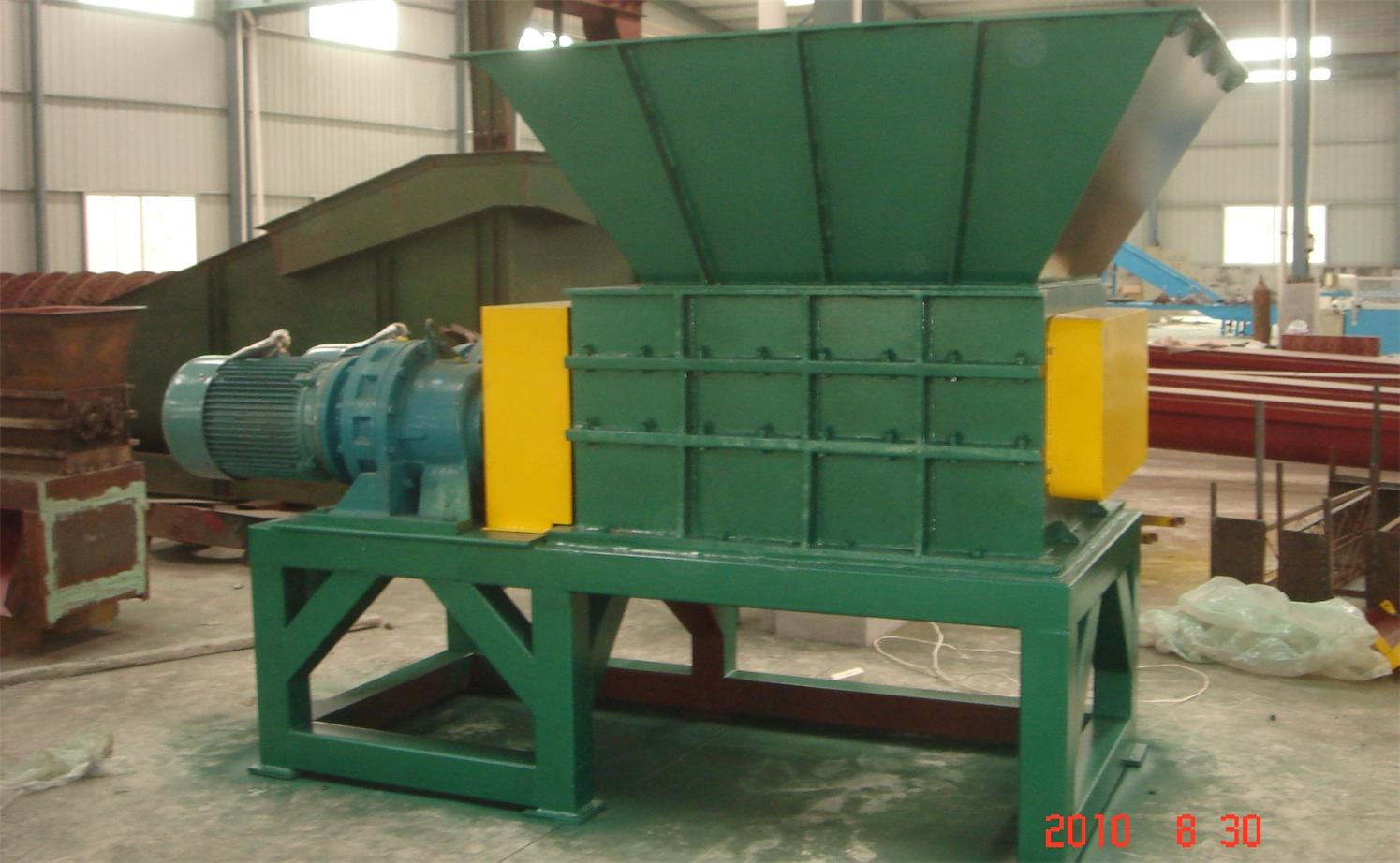
Adding cable or circuit board processing to your facility does not require building a second plant. It requires adding modular equipment that shares infrastructure like shredders, dust collectors, and material handling systems. A four-shaft shredder with 4-6 metric tons per hour capacity, for example, can pre-process batteries, cables, and circuit boards depending on the cutting configuration.
Experience Shows Up in the Details
A manufacturer with deep experience in e-waste recycling machinery will ask questions that a general industrial equipment seller will not. They will want to know your average feedstock composition, your local emission limits, your available utility capacity, and your target output purity. They will propose layout drawings that account for material flow, maintenance access, and expansion space. They will have reference installations running in countries with similar regulatory environments to yours.
San Lan Technologies, established in 2007, manufactures integrated recycling plants for lead acid batteries, lithium-ion batteries, circuit boards, cables, and related e-waste streams. The company has supplied equipment to operators in more than 21 countries, including Singapore, Colombia, Vietnam, Mexico, Argentina, Korea, Malaysia, Indonesia, South Africa, Tunisia, India, Kenya, Saudi Arabia, Philippines, and Zambia. Its engineering team includes mechanical engineers with over 15 years of experience in recycling machine design.
What Turnkey Actually Means
Some suppliers use "turnkey" to mean "we ship the machines." A true turnkey provider handles engineering design, equipment manufacturing, installation supervision, commissioning, and operator training. They help you understand the feedstock market in your region. They assist with sourcing waste material such as cable scrap, PCB scrap, or used lead acid batteries. They can even help you find buyers for your output products—copper rice, copper powder, lead ingot—so your plant generates revenue from both sides of the transaction.
This level of support matters because recycling is not just a technical process. It is a supply-chain business. A machine that runs perfectly but cannot be fed consistently or cannot sell its output profitably is still a failed investment. Look for a partner who understands the full cycle, not just the mechanical specifications.
If you are evaluating lead acid battery recycling equipment or planning a multi-stream e-waste facility, start with a supplier who can demonstrate running installations, provide detailed process flow diagrams, and explain how each piece of equipment connects to the next. Contact San Lan Technologies to discuss your project requirements, request reference site visits, or receive a customized equipment proposal based on your target capacity and feedstock mix.