Ever feel like starting an e-waste recycling business means drowning in paperwork before you even begin? Trust me, you're not alone. Every time I chat with eco-entrepreneurs about launching their recycling ventures, their eyes glaze over when we hit the permit discussion. But here's the real talk: those permits aren't just bureaucratic hoops—they're your golden ticket to building a legitimate, eco-friendly business that actually makes a difference.
Imagine this: you're sitting in your empty warehouse, passion bubbling over like a kid on Christmas morning ready to save mother earth one circuit board at a time. But then reality hits—without proper permits, you're basically trying to build a house without a foundation. I've seen too many hopeful recyclers stall out here, drowning in confusion between EPA forms and state certifications. Let's cut through the fog together.
Your Step-By-Step Permit Roadmap
The Heart of Your Operation
Before we dive deep, let's acknowledge something critical: your permits directly impact how communities perceive your business . When Jenny from Austin started her e-waste company, she framed her EPA certifications right in the reception area. Customers literally walk in feeling safer knowing she's legit—that trust converts to long-term contracts.
-
1. Business Formation License
Think of this as your business's birth certificate. Whether you go LLC or corporation, this is where your recycling dream becomes officially real. What most folks don't realize? How you structure this affects everything from your liability protection to tax benefits. Pro tip: spring for the registered agent service—they'll handle the annual paperwork so you can focus on recycling.
Get started: Head to your Secretary of State's website. The process is surprisingly streamlined—think 30 minutes online, not weeks of waiting.
-
2. EPA Identification Number
This little number separates the hobbyists from the serious players. Why? Because when you handle CRTs or mercury-filled devices, the EPA needs to track your hazardous materials dance card. I'll never forget Sam from Portland learning this the hard way—$12k in fines because he recycled LCD monitors without this magic number.
Inside scoop: Apply through the RCRAInfo system. Budget a quiet afternoon—it's not complicated but demands precision like calibrating your circuit board recycling equipment.
-
3. Hazardous Waste Transporter License
Here's where reality bites: moving that pile of lithium batteries? Yeah, that's not like hauling cardboard. This license proves you won't accidentally turn the highway into a toxic parade. I've ridden along with permitted transporters—their manifests and containment protocols rival NASA's precision.
Protect yourself: Triple-check your insurance coverage matches your license class. One rainwater leak during transport could bankrupt you without proper riders.
-
4. Recycling Facility Permit
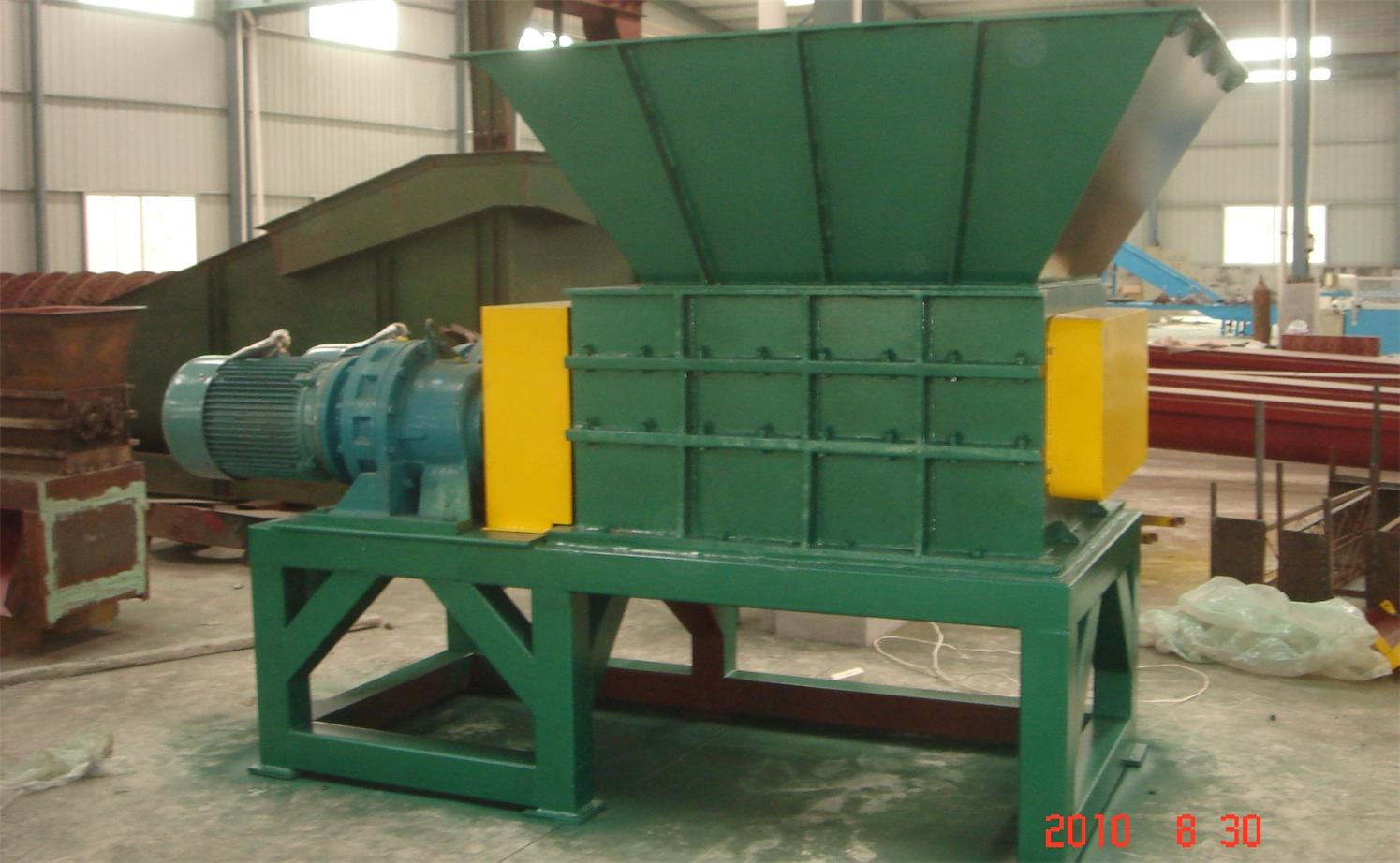
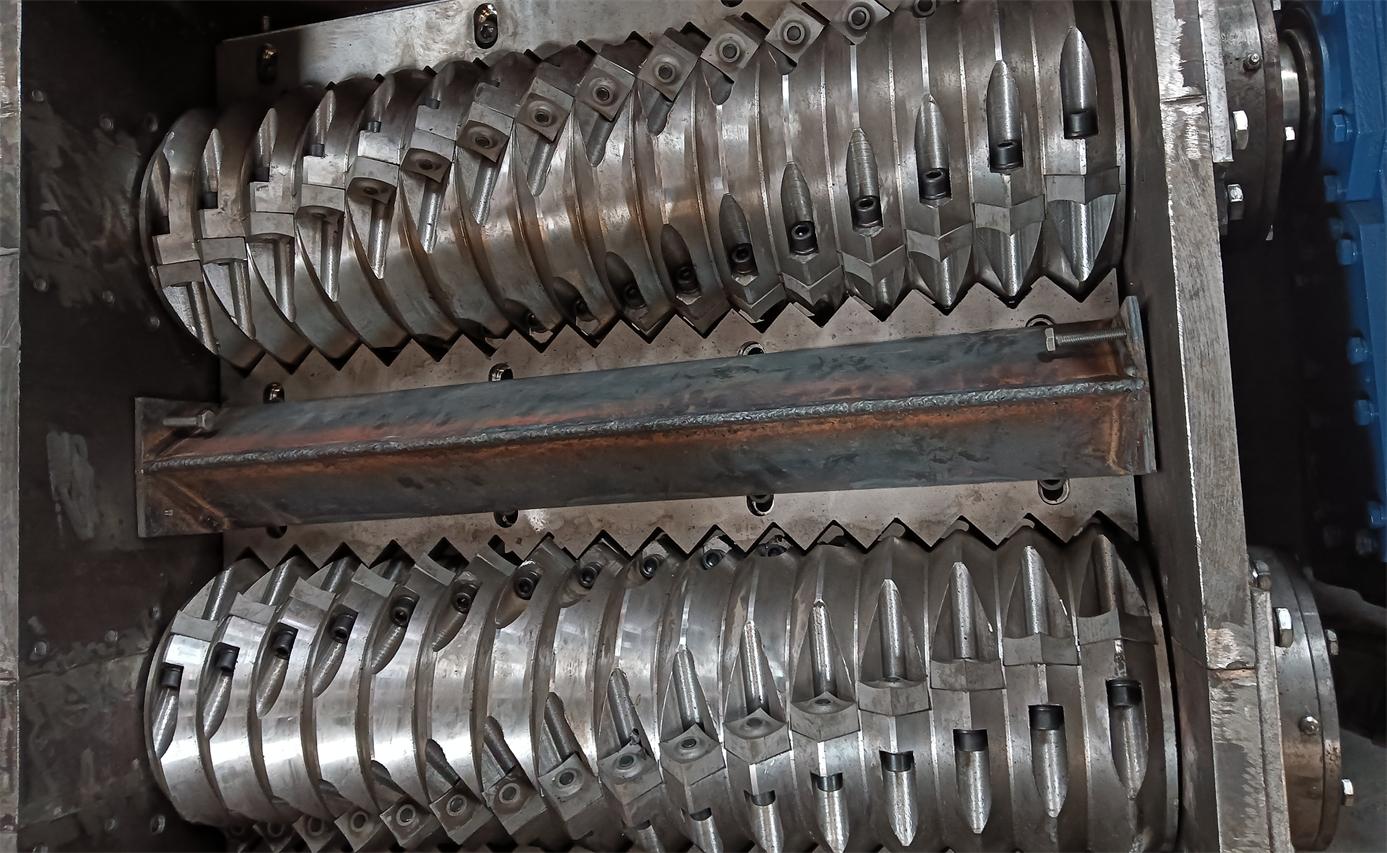
Your operational heartbeat. This permit scrutinizes everything from your drainage systems to fire suppression near battery stacks. When Maya opened her Detroit facility, inspectors spent hours examining her dust ventilation near shredders. Painful? Yes. Essential? Absolutely.
Pro move: Schedule a pre-application consultation. Regulators will literally walk your space pointing out potential issues—free design advice!
-
5. OSHA Compliance Certification
Want to avoid becoming a cautionary tale? This is non-negotiable. Picture acid burns from cracked batteries or mercury exposure. Compliance isn't paperwork—it's training drills, eyewash stations, and culture. Jim in Seattle runs monthly "safety hackathons" where teams compete to spot hazards in the lab.
Worker wisdom: Translate regulations into hands-on workshops. Workers remember "the day we practiced neutralizing battery acid" far better than binders.
-
6. State Waste Management License
This is where federal meets local. Some states require groundwater monitoring if you store over 50 CRTs, others demand air quality checks for smelting. When Texas updated its rules last year, recyclers who attended state webinars navigated changes smoothly—others got violation notices.
Stay current: Subscribe to your state EPA newsletter. Regulatory shifts happen constantly in this space.
-
7. Local Zoning Permits
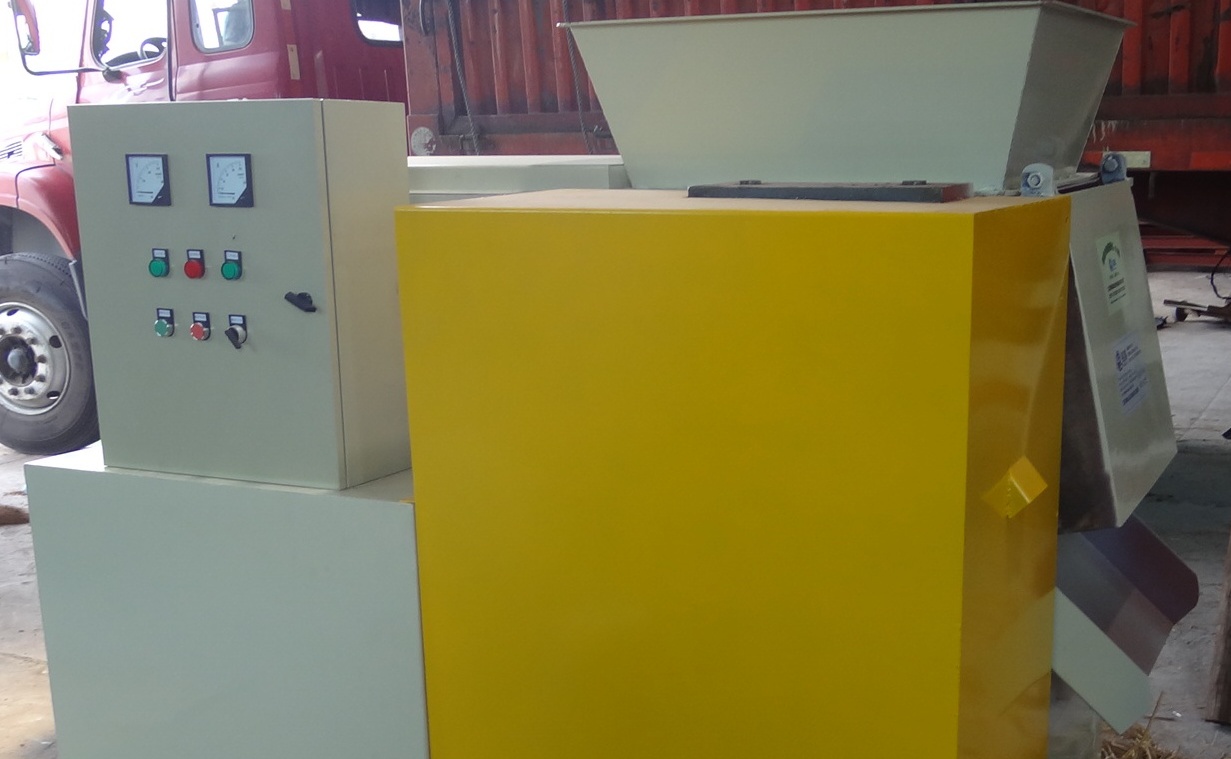
The neighborhood factor. Even with state approval, you need local blessing. Remember when TechCycle got blocked in Boulder? Perfect credentials, wrong industrial zone. Community hearings feel daunting, but bring prototypes of your noise-dampening shredder enclosure—show you're a solution, not a problem.
Neighbor strategy: Invite council members for coffee before applying. Humans protect what they understand.
Permit Power-Up Strategy
Phase your launch! Secure foundational permits (business license, EPA ID) first. Operate as a collection-only facility while pursuing your full recycling permit. David in Miami grew revenue 40% during his 9-month waiting period by partnering with permitted processors.
Why Doing Things Right Matters
Let's get brutally honest: cutting corners with permits seems tempting when funds run low. But I've watched businesses implode overnight from violations. More importantly, your permits are credibility currency. Hospitals, schools, Fortune 500s—they all audit your certifications before handing over their e-waste. That recycling partnership letter on city letterhead? Priceless marketing.
When Sarah pitched Denver Public Schools, her full permit portfolio convinced them she wouldn't accidentally leak lead into playground soil. That contract now funds three recycling technicians. Proper documentation turns "some recycler" into "the trusted solution."
The Hidden Payoff
Beyond legality, your permit journey forces you to design smarter facilities. Tom redesigned his floor plan during the inspection phase, saving $8,000 annually in reduced forklift moves. The regulator noticed inefficient safety paths—turned into operational gold.
Navigating the Permit Jungle
Feeling overwhelmed? Breathe. Break this into digestible bites:
-
The Permitting Dream Team
You need three allies:
- Environmental Consultant: They speak regulator-ese fluently (cost: $3k-$7k)
- Industry Association: ISRI or state recycling groups provide permit templates and advocacy
- Equipment Supplier: Reputable manufacturers often help clients navigate facility design approvals -
Budgeting Reality Check
Permitting costs typically eat 12-18% of startup capital. Allocate:
- 65% for application/licensing fees
- 25% for mandatory facility upgrades (chemical containment floors, etc)
- 10% contingency for surprise requirements like groundwater testing -
Timeline Expectations
Typical sequence:
- Business license: 1-4 weeks
- EPA ID: 2-3 weeks
- Hazardous transport license: 45-90 days
- Full facility permit: 6-12 months
Start early and overlap applications where possible!
Red Tape Hack
Schedule recurring "permitting power hours." Every Friday morning, Tom from Raleigh dedicates 90 minutes solely to paperwork. Progress compounds without burnout.
The Permit Paradox
Ironically, your permit journey will make you a better recycler. Studying OSHA regulations reveals why lithium-ion batteries need separate fire lockers. EPA storage guidelines teach you moisture control tricks that preserve precious metals recovery rates. That nuisance paperwork? It's actually distilling decades of operational wisdom into checklists.
When Maria in San Diego finally received her permit package, she framed her certificate next to her first recycled motherboard. Two symbols of creation: one enabling the other. Yes, the paperwork feels endless sometimes. But watching your first truckload of responsibly processed e-waste head for material recovery? That joy comes partly because you played by the rules that protect our shared earth.
Final truth: Your permits aren't barriers—they're the blueprints for building something that lasts. That EPA ID number represents tons of toxic materials diverted from waterways. Your OSHA compliance means workers go home unharmed. Every signature unlocks your power to heal the planet, one gadget at a time.