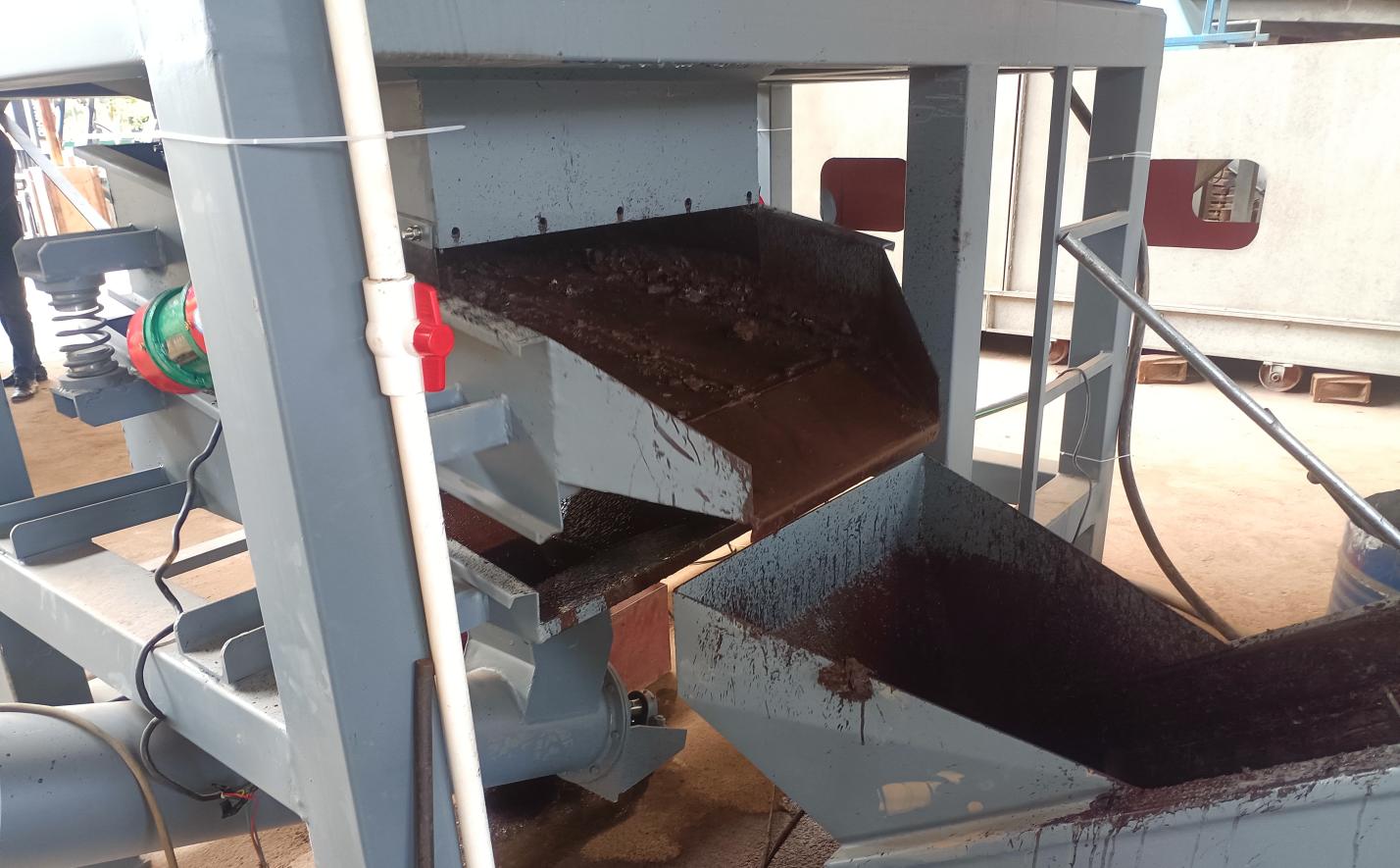
In today's world, where sustainability isn't just a buzzword but a business imperative, the race to build efficient, eco-friendly recycling systems has never been more intense. For companies dealing with plastic waste—whether it's post-consumer bottles, industrial scrap, or manufacturing byproducts—moving materials from point A to point B might seem like a small part of the process. But anyone in the industry will tell you: the right conveying system can make or break your operation. That's why plastic pneumatic conveying system equipment has become a hot commodity among global buyers, from small-scale recyclers in Southeast Asia to large manufacturing plants in Europe and North America. Let's dive into why this technology is winning over the market, and what makes it a must-have for modern recycling facilities.
The Old Way: Why Traditional Conveying Systems Fall Short
Before we talk about the "advanced" part, let's take a step back. For decades, many recycling operations relied on mechanical conveyors—think belt systems, augers, or chain conveyors—to move plastic materials. These systems have their place, but they come with a laundry list of headaches that global buyers can no longer afford to ignore.
First, there's efficiency. Mechanical conveyors are slow, especially when dealing with lightweight or irregularly shaped plastic pieces. They often get jammed, require constant monitoring, and leave gaps in material flow—all of which drag down productivity. Then there's contamination. Open belt systems, for example, expose plastic to dust, moisture, and even pests, which ruins the quality of the material. For recyclers selling to manufacturers that need pure, consistent plastic feedstock, this is a dealbreaker.
Maintenance is another pain point. Mechanical parts like gears, belts, and motors wear out quickly, leading to frequent breakdowns and costly repairs. And let's not forget space. Traditional conveyors are bulky, requiring long, straight paths that eat up valuable floor space—something many facilities, especially in urban areas, simply don't have. Add in rising labor costs (someone has to unjam those belts, after all) and stricter environmental regulations, and it's clear: the old way just isn't cutting it anymore.
The Game Changer: What Makes Advanced Pneumatic Systems Stand Out
Enter advanced plastic pneumatic conveying system equipment. Unlike mechanical conveyors, these systems use air pressure (or vacuum) to move plastic materials through closed pipelines. It sounds simple, but the engineering behind modern pneumatic systems is anything but. Here's why they're catching the eye of buyers worldwide:
1. Speed, Efficiency, and Minimal Waste
Pneumatic systems are fast—really fast. By adjusting air pressure, they can move materials at speeds mechanical conveyors can only dream of, cutting down on bottlenecks in the recycling line. But speed isn't the only win: because the material travels through sealed pipelines, there's no risk of spillage, contamination, or damage. That means more of the plastic you collect actually makes it to the next step (like a hydraulic briquetter equipment or granulator), and less ends up as waste. For buyers, that translates to higher yields and better profit margins.
2. Compact, Flexible Design That Saves Space
Modern pneumatic systems are designed with space in mind. Pipelines can be routed vertically, horizontally, or even around corners, making them ideal for facilities where square footage is at a premium. Many suppliers offer modular setups, so you can start small and scale up as your operation grows—no need to overhaul your entire layout. This flexibility is a huge selling point for global buyers, whether they're running a tight urban recycling plant or a sprawling industrial facility.
3. Seamless Integration with Other Recycling Equipment
Recycling isn't a one-step process, and neither is conveying. Advanced pneumatic systems play well with other key equipment, making them a linchpin in the recycling ecosystem. For example, after conveying, plastic scrap might go through a dry process equipment for cleaning (no water needed, which is a plus for water-scarce regions), then to a plastic hydraulic briquetter to compress into dense blocks for easier transport. Pneumatic systems ensure the plastic arrives dry, clean, and ready for these next steps—no extra handling required. This integration reduces downtime and keeps your entire line running smoothly.
4. Built-In Environmental Compliance
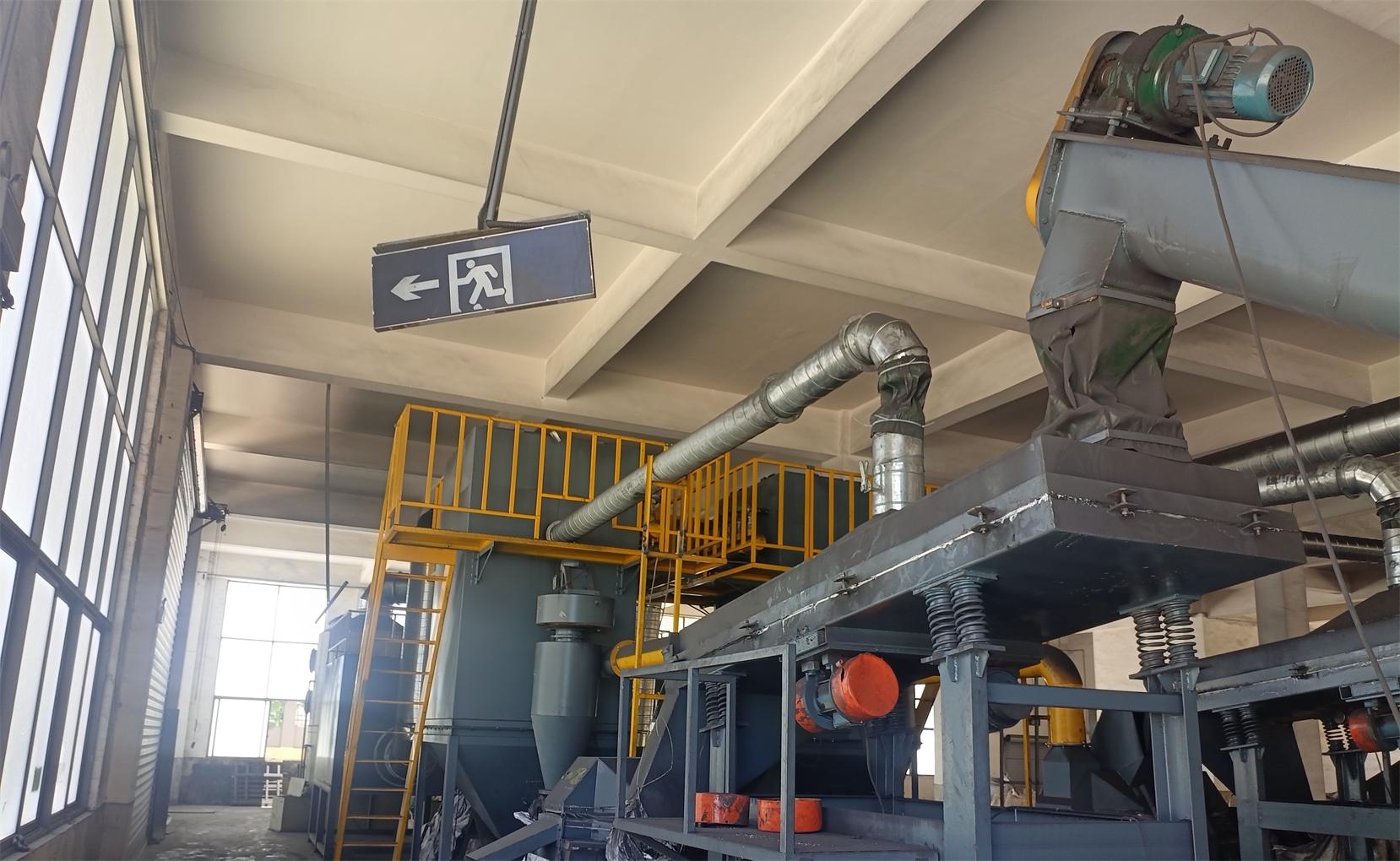
In an era of strict air and water regulations, buyers can't afford to ignore compliance. Advanced pneumatic systems are designed with this in mind. Sealed pipelines prevent dust and plastic particles from escaping into the air, which not only keeps workers healthier but also reduces the load on your air pollution control system equipment . Many systems also come with built-in filters to capture fine particles, ensuring emissions stay well below legal limits. For buyers in regions with tough environmental laws—like the EU's REACH regulations or California's Air Resources Board standards—this peace of mind is priceless.
Real-World Impact: A Case Study from Spain
Take the example of a mid-sized recycling facility in Barcelona, Spain, that switched to an advanced pneumatic conveying system in 2023. Before the upgrade, they used a belt conveyor system that required two full-time workers to monitor for jams and clean up spills. Material flow was inconsistent, and plastic dust often triggered their air pollution control alarms, leading to temporary shutdowns.
After installing a custom pneumatic system, the results were striking: throughput increased by 35%, labor costs dropped by 40% (no more full-time monitors), and dust emissions fell by 60%—enough to stay compliant with Spain's strict air quality laws. The facility also freed up 20% of its floor space, which they used to add a hydraulic briquetter equipment for densifying plastic waste. Today, they're processing 500 more tons of plastic per month and selling higher-quality feedstock to manufacturers. For the facility's owner, the investment paid for itself in under a year.
Traditional vs. Advanced: A Side-by-Side Comparison
| Aspect | Traditional Mechanical Conveyors | Advanced Pneumatic Conveying Systems |
|---|---|---|
| Material Speed | Slow (5-10 m/min) | Fast (15-30 m/min, adjustable) |
| Contamination Risk | High (open systems, exposed to dust/moisture) | Low (sealed pipelines, minimal exposure) |
| Maintenance Needs | Frequent (belts, gears, motors wear quickly) | Low (fewer moving parts, sealed design) |
| Space Requirement | Large (bulky, fixed paths) | Compact (modular pipelines, flexible routing) |
| Environmental Impact | Higher (dust emissions, potential spills) | Lower (sealed design, integrates with air pollution control) |
What Global Buyers Really Care About: Beyond the Tech
Sure, the technical specs matter, but global buyers are looking for more than just a "good machine." They want a solution that aligns with their long-term goals. Here's how advanced pneumatic conveying systems check those boxes:
Cost Savings (Now and Later)
Let's be honest: advanced equipment often comes with a higher upfront price tag. But buyers are quick to see the ROI. Reduced labor costs, lower maintenance bills, higher material yields, and energy efficiency (modern pneumatic systems use variable-speed blowers that adjust to demand, cutting energy use by 20-30%) add up fast. Many suppliers offer financing or lease-to-own options, making the initial investment easier to swallow.
Scalability for Growing Markets
Global buyers aren't just thinking about today—they're planning for tomorrow. As recycling volumes increase (thanks to stricter waste laws and growing consumer awareness), they need equipment that can keep up. Advanced pneumatic systems are built to scale: add more pipelines, upgrade the blower, or integrate new modules as your needs change. No need to replace the entire system every time you expand.
Meeting Global Environmental Standards
From the EU's Carbon Border Adjustment Mechanism to China's "Beautiful China" initiative, environmental regulations are getting tighter worldwide. Buyers can't afford to risk fines or reputational damage from non-compliant equipment. Advanced pneumatic systems, with their sealed design and compatibility with air pollution control system equipment , help facilities meet even the strictest standards. This isn't just about compliance—it's about building a brand as a responsible, forward-thinking business.
Customization for Unique Needs
No two recycling operations are the same. A buyer in India processing low-density polyethylene (LDPE) film will have different needs than a buyer in the U.S. handling rigid polypropylene (PP) scrap. Reputable suppliers of advanced pneumatic systems offer custom solutions: adjusting pipeline diameter for different material densities, adding filters for ultra-fine dust, or integrating with existing equipment like plastic hydraulic briquetter machines. This tailored approach makes adoption seamless, even for complex operations.
The Bottom Line: Why Global Buyers Can't Afford to Wait
At the end of the day, advanced plastic pneumatic conveying system equipment isn't just a tool—it's a strategic investment. It solves the old problems (inefficiency, contamination, space) while opening new doors (scalability, compliance, higher profits). For global buyers, it's a way to stay competitive in a market that's increasingly focused on speed, sustainability, and reliability.
Whether you're a small recycler looking to upgrade your line or a multinational corporation building a new facility, the message is clear: the future of plastic recycling runs on air. And as more buyers realize that, advanced pneumatic conveying systems will only grow more indispensable. After all, in a world where every gram of plastic counts, why settle for anything less than the best?