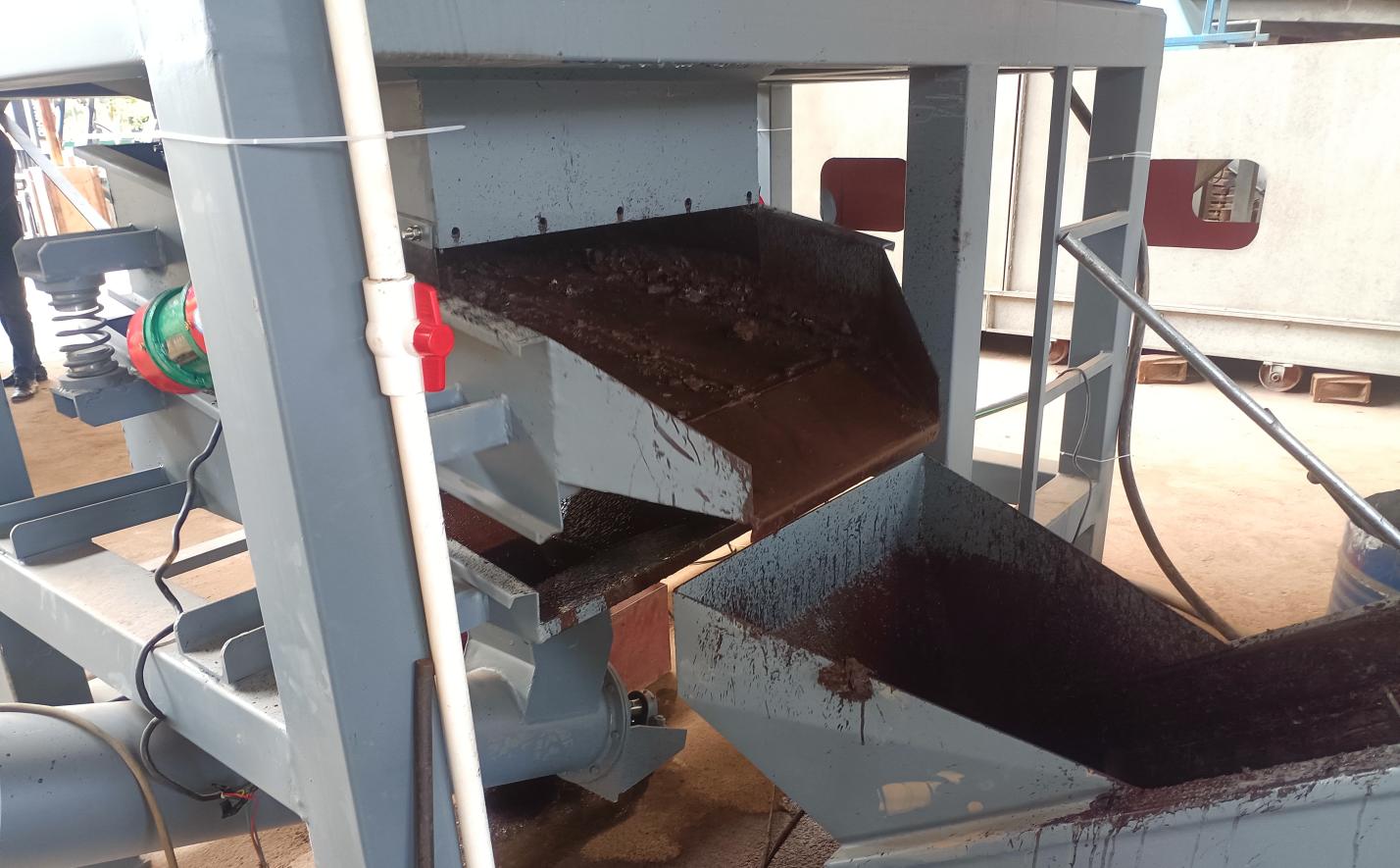
The Smart Investment for Sustainable Water Management
The Growing Urgency of Wastewater Treatment
Water is the lifeblood of our planet, but as industries expand, populations grow, and urbanization accelerates, the volume of wastewater generated daily has reached unprecedented levels. From manufacturing facilities and power plants to residential complexes and hospitals, every sector contributes to this challenge. The question is no longer if we need to treat wastewater, but how to do it efficiently, cost-effectively, and in a way that protects both human health and the environment.
Traditional wastewater treatment methods—often manual or semi-automated—have long struggled to keep pace. They rely heavily on human intervention, are prone to errors, and frequently fail to meet strict environmental regulations. In a world where "green" practices are no longer optional but mandatory, the need for a smarter, more reliable solution has never been clearer. Enter fully automated wastewater treatment plants: the future of sustainable water management.
The Shortcomings of Manual Wastewater Treatment
To understand why fully automated systems are game-changers, let's first look at the limitations of traditional approaches. Manual wastewater treatment relies on operators to monitor processes, adjust chemical dosages, and troubleshoot issues in real time. While dedicated, human operators are fallible—fatigue, oversight, or inexperience can lead to:
- Inconsistent water quality: Fluctuations in chemical dosing or process timing can result in treated water that fails to meet discharge standards, risking fines or environmental harm.
- High operational costs: Labor-intensive processes require more staff, and inefficiencies (like overusing chemicals or energy) drive up expenses.
- Delayed problem detection: Without real-time monitoring, issues like equipment malfunctions or sudden spikes in pollutant levels may go unnoticed until they escalate into costly crises.
- Limited scalability: As a facility grows, manual systems struggle to handle increased wastewater volumes without sacrificing quality or doubling labor costs.
Consider a small textile factory, for example. For years, it relied on a manual treatment system where workers manually tested pH levels and added coagulants. During peak production seasons, when wastewater volumes surged, the team often fell behind, leading to occasional discharges of untreated water into a nearby river. Fines from regulatory bodies and damage to the factory's reputation became recurring headaches—until they switched to automation.
Why Fully Automated Plants Are the Solution
Fully automated wastewater treatment plants address these pain points by integrating cutting-edge technology, sensors, and intelligent software to manage every stage of the treatment process—from intake to discharge. These systems don't just replace human labor; they enhance it, allowing operators to focus on oversight and strategic decision-making rather than repetitive tasks. Here's why they're worth the investment:
1. Precision and Consistency
Automated systems use advanced sensors to monitor water quality parameters—pH, dissolved oxygen, turbidity, and pollutant levels—in real time. This data feeds into a central control system that adjusts chemical dosages, flow rates, and equipment settings automatically. The result? Treated water that meets or exceeds regulatory standards every time . No more guesswork, no more "close enough"—just reliable, consistent results.
2. Cost Savings Over Time
While the initial investment in automation may seem steep, the long-term savings are undeniable. Automated plants reduce labor costs by minimizing the need for round-the-clock manual monitoring. They also optimize resource usage: sensors ensure chemicals and energy are used only when needed, cutting waste. For example, a brewery in Germany reported a 35% reduction in chemical costs within the first year of switching to an automated system, thanks to precise dosing algorithms.
3. Scalability and Flexibility
Whether you're a small business planning to expand or a large industrial complex handling millions of gallons daily, automated systems scale with your needs. Modular designs allow for easy upgrades—adding new treatment stages or increasing capacity without overhauling the entire plant. This flexibility is critical in today's fast-paced business environment, where adaptability can make or break success.
4. Holistic Environmental Protection
Wastewater treatment isn't just about cleaning water—it's about protecting the entire ecosystem. Fully automated plants often integrate air pollution control system equipment to capture and treat emissions from treatment processes, ensuring no harmful gases are released into the atmosphere. They also work seamlessly with effluent treatment machine equipment to remove even trace contaminants, safeguarding local water sources and wildlife.
5. Remote Monitoring and Peace of Mind
Modern automated systems come with remote monitoring capabilities, allowing operators to check plant performance, receive alerts, and adjust settings from anywhere via a smartphone or computer. This means fewer on-site hours, faster response to issues, and greater peace of mind—especially for facilities operating 24/7.
How Automated Plants Integrate Key Equipment
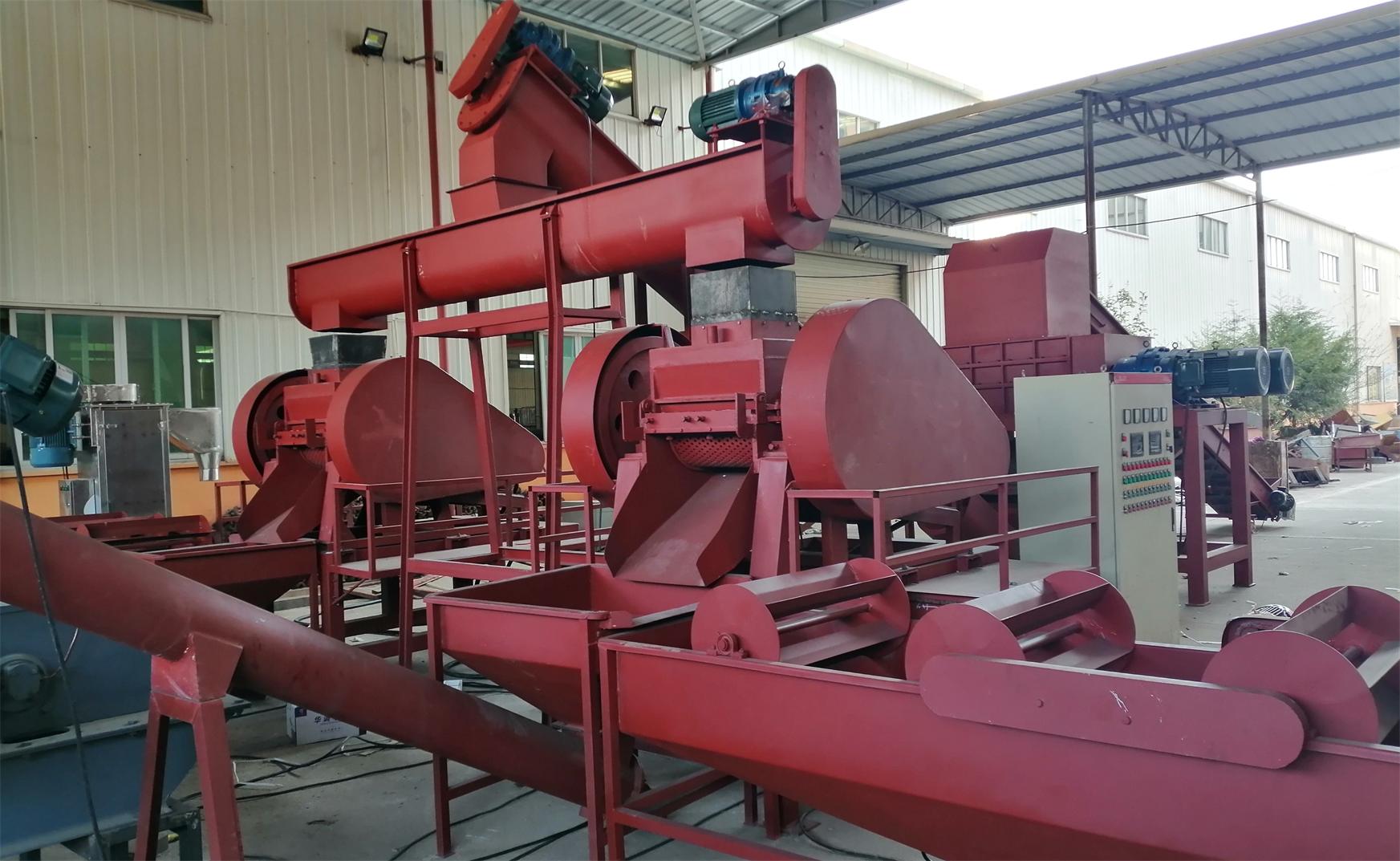
A fully automated wastewater treatment plant is more than just a collection of machines—it's a symphony of integrated systems working in harmony. At its core are specialized pieces of equipment designed to handle specific tasks, all coordinated by the central control system. Let's break down some of the key components:
| Equipment Type | Role in Automated Treatment |
|---|---|
| Water Process Equipment | Handles primary and secondary treatment stages, including screening, sedimentation, and biological processes. Automated valves and pumps adjust flow rates based on real-time demand. |
| Effluent Treatment Machine Equipment | Polishes treated water to remove remaining contaminants (e.g., heavy metals, organic compounds) before discharge. Sensors trigger chemical injections or filtration adjustments to meet strict standards. |
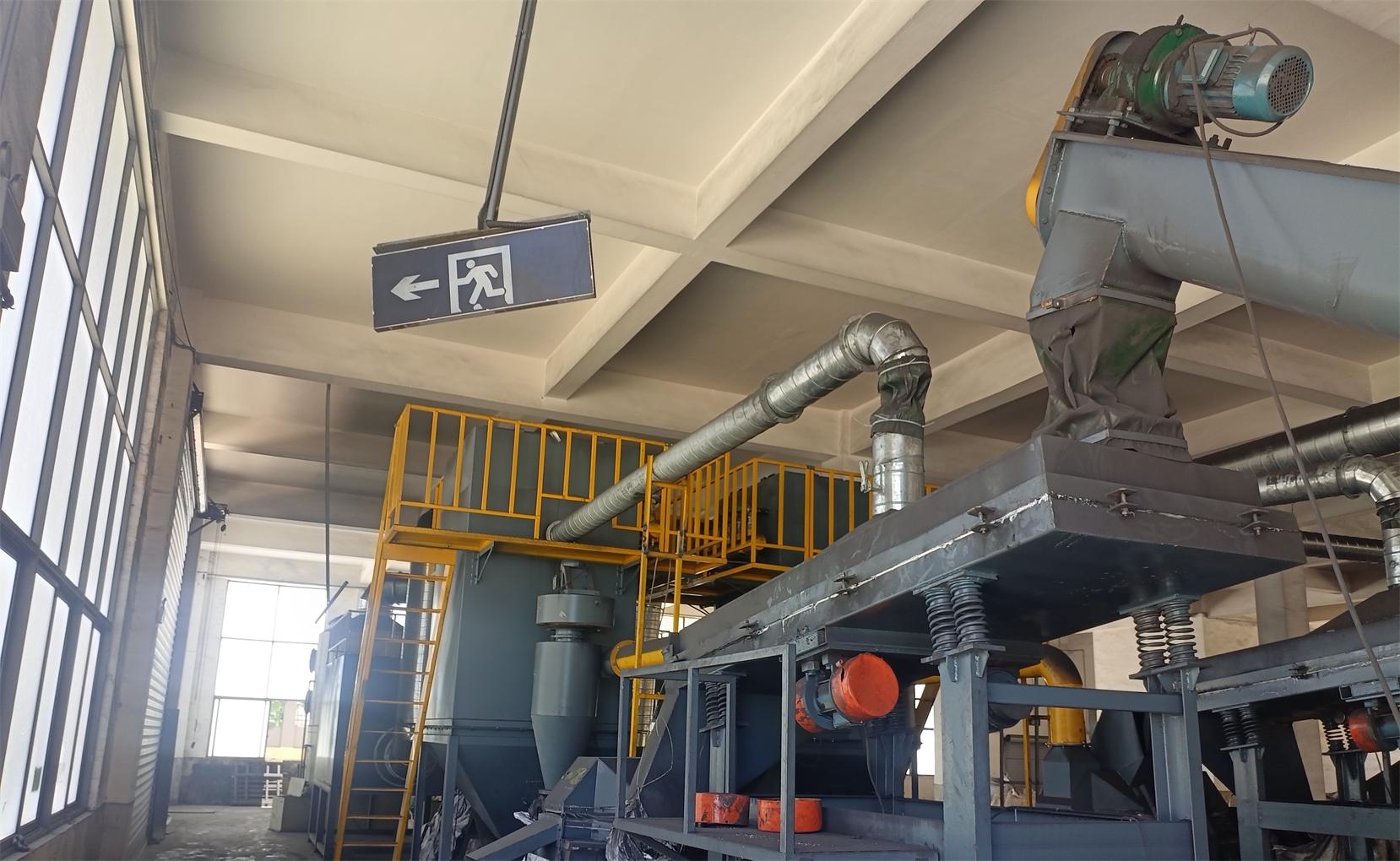
| Air Pollution Control System Equipment | Captures and treats odors, volatile organic compounds (VOCs), and particulate matter released during treatment. Automated dampers and scrubbers maintain air quality within regulatory limits. |
Together, these systems create a closed-loop process where every step is optimized for efficiency and sustainability. For instance, when the water process equipment detects a spike in organic load, it automatically signals the effluent treatment machine to increase chemical dosing, ensuring pollutants are neutralized before discharge. Meanwhile, the air pollution control system adjusts fan speeds to handle any increase in emissions—all without human input.
Real-World Impact: A Community Transformed
To see the difference automation makes, look no further than the coastal town of Port Harbor. For decades, the town's aging manual wastewater plant struggled to keep up with tourism-driven population booms in the summer. Beaches were often closed due to high bacteria levels, and local fisheries reported declining catches due to polluted runoff. In 2022, the town invested in a fully automated plant equipped with water process equipment, effluent treatment machines, and an air pollution control system.
Within six months, the results were staggering: treated water discharge met 99% of regulatory standards, beach closures dropped by 80%, and local fish populations began to recover. The plant's operating costs fell by 25% as energy and chemical usage optimized, and staff were redeployed to community outreach and maintenance rather than constant monitoring. "It's not just a treatment plant," said Port Harbor's mayor. "It's a lifeline for our economy and our environment."
Choosing the Right Partner: Why Supplier Expertise Matters
Investing in a fully automated wastewater treatment plant is a big decision, and choosing the right supplier is critical. Look for a partner with experience integrating diverse equipment—from water process systems to air pollution control technology—and a track record of delivering customized solutions. The best suppliers don't just sell machines; they design systems tailored to your facility's unique needs, whether you're treating industrial wastewater, municipal sewage, or specialized effluents.
Ask about after-sales support, too. A reliable supplier will offer training for your team, remote monitoring services, and quick access to replacement parts. Remember: automation is an ongoing journey, not a one-time purchase. Your supplier should grow with you, helping you adapt to new regulations, expand capacity, or upgrade technology as needed.
The Future of Wastewater Treatment Is Automated
As climate change intensifies water scarcity and regulations become stricter, the demand for efficient, sustainable wastewater treatment will only grow. Fully automated plants aren't just a luxury—they're a necessity for businesses and communities committed to protecting our most precious resource. They offer precision, cost savings, and peace of mind, all while ensuring we leave a cleaner, healthier planet for future generations.
So, why choose fully automated wastewater treatment plants? Because the future of water can't wait for manual processes. It demands innovation, reliability, and a commitment to excellence—and that's exactly what automation delivers.