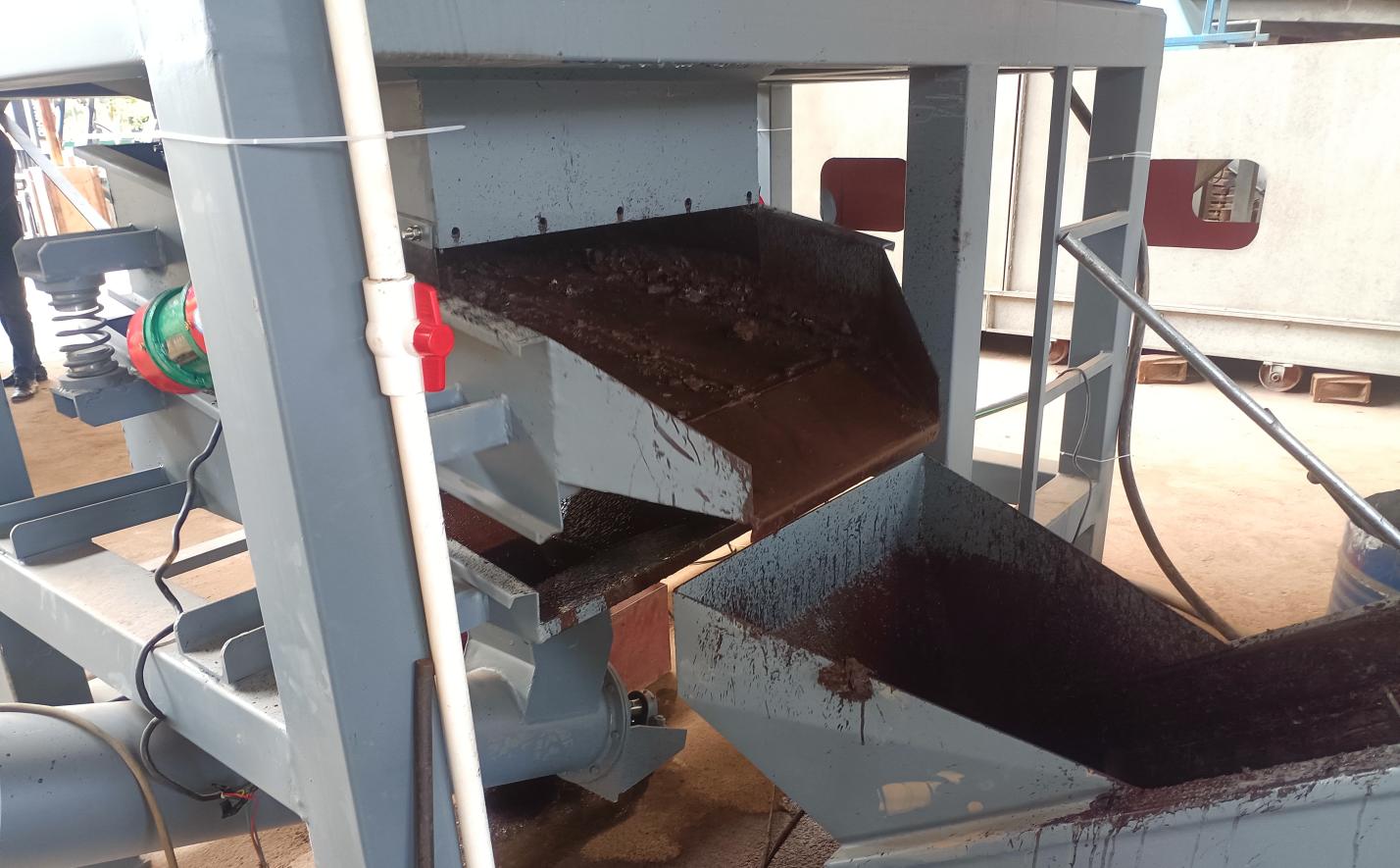
When we talk about wastewater treatment, the image that often comes to mind is a sprawling industrial site—tanks stretching for acres, complex piping snaking through concrete, and a maze of machinery that seems to demand endless space. But for small communities, rural towns, or mid-sized businesses, that vision is more of a nightmare than a reality. Limited land, tight budgets, and the need for efficient, low-maintenance operations mean traditional wastewater treatment setups simply don't cut it. Enter compact design: a solution that's quietly revolutionizing how small-scale facilities tackle water purification. In this article, we'll explore why compact systems have become the go-to choice for small wastewater treatment plants, how they integrate essential tools like filter press equipment and water process equipment , and why they're not just a trend, but a long-term necessity.
The Unique Challenges of Small-Scale Wastewater Treatment
Small wastewater treatment plants—whether serving a rural village of 500 people, a family-owned dairy farm, or a small manufacturing facility—face a distinct set of hurdles that their larger counterparts rarely need to worry about. Let's break them down:
- Space is a luxury, not a given. In urban areas, land costs are sky-high; in rural areas, available land might be uneven, sloped, or already allocated for other critical uses (like farming or housing). A traditional treatment plant, which can require acres of flat land for sedimentation tanks, aeration basins, and sludge processing, is often out of the question.
- Budgets are tight, and every dollar counts. Small communities or businesses don't have the financial cushion of a major city or a large corporation. They need systems that are affordable to install, cheap to run, and don't require a team of specialized engineers to maintain.
- Simplicity matters more than complexity. Many small plants are operated by local staff with limited training in advanced wastewater technology. Overly complicated systems with dozens of moving parts or confusing controls lead to errors, downtime, and compliance issues.
- Regulations still apply—no exceptions. Even small plants must meet strict environmental standards for water discharge, whether set by national agencies or local authorities. Failing to comply can result in fines, legal trouble, or harm to local ecosystems.
These challenges aren't just inconveniences—they're roadblocks. For years, small operators had to choose between cutting corners (and risking non-compliance) or overspending on a system that was too big and too complex for their needs. That's where compact design steps in, turning these obstacles into opportunities.
Why Compact Design? The Core Advantages
At its heart, compact wastewater treatment design is about doing more with less. It's about shrinking the footprint of treatment systems without sacrificing efficiency, reliability, or compliance. But the benefits go far beyond just saving space. Let's dive into why compact designs are becoming the gold standard for small plants:
1. Space Efficiency: More Power in Less Square Footage
The most obvious advantage of compact systems is their ability to fit into tight spaces. Traditional plants might require 10,000 square feet or more; a compact system can handle the same (or even higher) wastewater volumes in as little as 1,000 square feet. How? By integrating multiple treatment steps into a single, streamlined unit. For example, a compact system might combine screening, aeration, and clarification into a vertical or modular design, stacking processes vertically instead of spreading them horizontally. This vertical integration is a game-changer for sites with limited land—think rooftops, small industrial yards, or even mobile units for temporary projects.
2. Cost Savings: From Installation to Operation
Compact systems aren't just smaller—they're often cheaper, too. Here's how:
- Lower installation costs: Less land means lower land purchase or lease costs. Smaller footprints also reduce excavation, concrete work, and piping needs. For example, installing a compact water process equipment unit might cost half as much in site preparation as a traditional system.
- Reduced operational expenses: Compact systems are designed to be energy-efficient. Many use low-power pumps, variable-speed motors, and automated controls to minimize electricity use. They also require less water for backwashing or cleaning, cutting utility bills further.
- Lower maintenance: With fewer moving parts and simplified designs, compact systems are easier (and cheaper) to maintain. For instance, a compact filter press equipment unit might have self-cleaning features or modular components that can be swapped out in minutes, reducing downtime and repair costs.
3. Simplified Operation: User-Friendly for Small Teams
Small plants rarely have dedicated wastewater engineers on staff. Instead, operators might be part-time workers or local staff with basic training. Compact systems address this by prioritizing simplicity. Many come with user-friendly touchscreen controls, automated monitoring, and built-in alerts for issues like clogs or low chemical levels. Some even connect to mobile apps, letting operators check system status or adjust settings from their phones. This means less time troubleshooting and more time focusing on other tasks—critical for teams with limited bandwidth.
4. Scalability: Grow as You Need
Small communities and businesses aren't static—they grow. A wastewater treatment system installed today might need to handle 50,000 gallons per day (GPD) now, but 100,000 GPD in five years. Compact systems are inherently modular, meaning you can add units or upgrade components as demand increases. For example, starting with a single compact treatment module and adding a second one later is far easier (and cheaper) than expanding a traditional plant, which often requires major construction.
Key Components: How Compact Systems Deliver Results
Compact design isn't just about shrinking tanks—it's about reimagining how wastewater treatment equipment works. Two components stand out as workhorses in these systems: filter press equipment and water process equipment . Let's take a closer look at how they contribute to compact efficiency:
Filter Press Equipment: Compact Solid-Liquid Separation
In wastewater treatment, separating solids from liquids is a critical step—and one that traditionally required large sedimentation tanks. Filter press equipment changes the game by doing this job in a fraction of the space. A filter press uses a series of cloth filters and hydraulic pressure to squeeze water out of sludge, leaving behind dry cake that's easy to dispose of or reuse. Modern compact filter presses are designed to be modular, with stackable plates that take up minimal floor space. Some models even include automated plate shifting and cake discharge, reducing the need for manual labor. For small plants, this means no more sprawling sludge drying beds—just a compact unit that fits in a corner and handles solids efficiently.
Water Process Equipment: Integrated Treatment in One Package
Water process equipment in compact systems is all about integration. Instead of separate units for screening, aeration, biological treatment, and disinfection, these systems combine multiple steps into a single, cohesive unit. For example, a compact water process module might start with a fine screen to remove debris, then use a membrane bioreactor (MBR) to filter out contaminants and pathogens, followed by UV disinfection—all in a footprint the size of a small truck. This integration not only saves space but also improves efficiency: water moves seamlessly from one step to the next with minimal energy loss, and operators only need to monitor one system instead of multiple.
Traditional vs. Compact: A Side-by-Side Comparison
| Aspect | Traditional Wastewater Treatment Design | Compact Wastewater Treatment Design |
|---|---|---|
| Space Requirement | 5,000–20,000+ sq. ft. (varies by capacity) | 500–3,000 sq. ft. (same or higher capacity) |
| Installation Time | 6–12 months (excavation, concrete, piping) | 1–3 months (modular units, minimal site work) |
| Operational Cost (per 1,000 gallons) | $3–$8 (higher energy, labor, and maintenance) | $1–$4 (lower energy, simplified maintenance) |
| Maintenance Needs | Frequent (multiple units, complex piping, manual cleaning) | Minimal (automated controls, self-cleaning features, modular parts) |
| Scalability | Difficult (requires major construction to expand) | Easy (add modular units or upgrade components) |
Real-World Impact: Success Stories of Compact Systems
To understand the true value of compact wastewater treatment design, let's look at a few real-world examples where these systems have made a tangible difference:
Case Study 1: A Rural Community in the U.S. Midwest
A small town of 800 people in Iowa was struggling with an aging wastewater plant built in the 1970s. The plant was prone to breakdowns, failed compliance tests, and required 12,000 square feet of land—land the town wanted to repurpose for a community park. They replaced the old system with a compact modular unit that included water process equipment and a small filter press equipment module. The new system fit into 2,500 square feet, cost 40% less than a traditional upgrade, and reduced energy bills by 35%. Within six months, the town passed all compliance tests, and the old plant site is now home to a playground and green space.
Case Study 2: A Craft Brewery in Colorado
A craft brewery in Boulder, Colorado, produces 10,000 barrels of beer annually—a process that generates significant wastewater rich in sugars and yeast. The brewery's original treatment setup was a basic septic system that often overflowed, leading to fines. They installed a compact wastewater treatment system with integrated water process equipment designed specifically for brewery waste. The system, which fits in a 300-square-foot shed behind the brewery, treats the wastewater to near-drinking water quality, which the brewery now reuses for cleaning and irrigation. Not only did this eliminate fines, but it also cut the brewery's water bill by 20%.
Choosing the Right Compact System: Key Considerations
Not all compact wastewater treatment systems are created equal. To find the right fit for your small plant, keep these factors in mind:
- Wastewater volume and composition: A system designed for residential sewage won't work for industrial wastewater with heavy metals or chemicals. Make sure the system is rated for your specific contaminant load.
- Space available: Measure your site carefully, and consider vertical space (some systems stack processes upward). Don't forget to leave room for maintenance access.
- Local regulations: Check with your state or local environmental agency to ensure the system meets discharge standards. Some compact systems are pre-certified for compliance, which can speed up approval.
- Scalability: Even if you don't need extra capacity now, choose a system that can grow with your needs. Look for modular designs that allow adding units later.
- Support and service: Small plants can't afford long downtime. Choose a supplier with local service technicians and responsive customer support.
The Future of Small-Scale Wastewater Treatment
As the demand for sustainable, cost-effective wastewater solutions grows, compact design will only become more prevalent. Innovations like AI-powered monitoring, advanced membrane technology, and even solar-powered compact systems are already on the horizon, making these systems even more efficient and accessible. For small communities and businesses, this means no longer having to choose between compliance and affordability—compact systems offer both.
At the end of the day, wastewater treatment isn't just about cleaning water—it's about protecting communities, supporting local economies, and preserving the environment. Compact designs, with their focus on space efficiency, cost savings, and simplicity, are making this mission possible for small plants that once struggled to keep up. Whether you're a town administrator, a small business owner, or an operator looking to upgrade, it's time to consider the power of compact: less space, less cost, and more results. With tools like filter press equipment and water process equipment leading the way, the future of small-scale wastewater treatment is looking smaller—and smarter—than ever.