Why Every Recycling Plant Starts with the Right Shredder: A Guide to Pre-Processing and Specialized Equipment
Pre-Processing Is Where Profit Margins Are Won or Lost
Many investors focus their budget on separation and smelting equipment while underestimating the importance of shredders, strippers, and dismantling systems. In practice, a poorly prepared feedstock stream reduces recovery rates, accelerates wear on expensive downstream machines, and creates safety hazards from un-drained refrigerants or unexpected metal pieces.
Effective pre-processing does three things. It reduces material to a consistent particle size that matches the downstream process. It separates hazardous or incompatible fractions early. And it recovers the highest-value components before they are diluted or damaged by bulk handling.
The pre-processing value chain:
- Size reduction to match granulator or separator inlet specifications
- Early removal of steel, refrigerant, oil, and other contaminants
- Protection of downstream blades, screens, and separation media
- Labor reduction through mechanized dismantling versus manual disassembly
Shredders: The Workhorse of Any Recycling Line
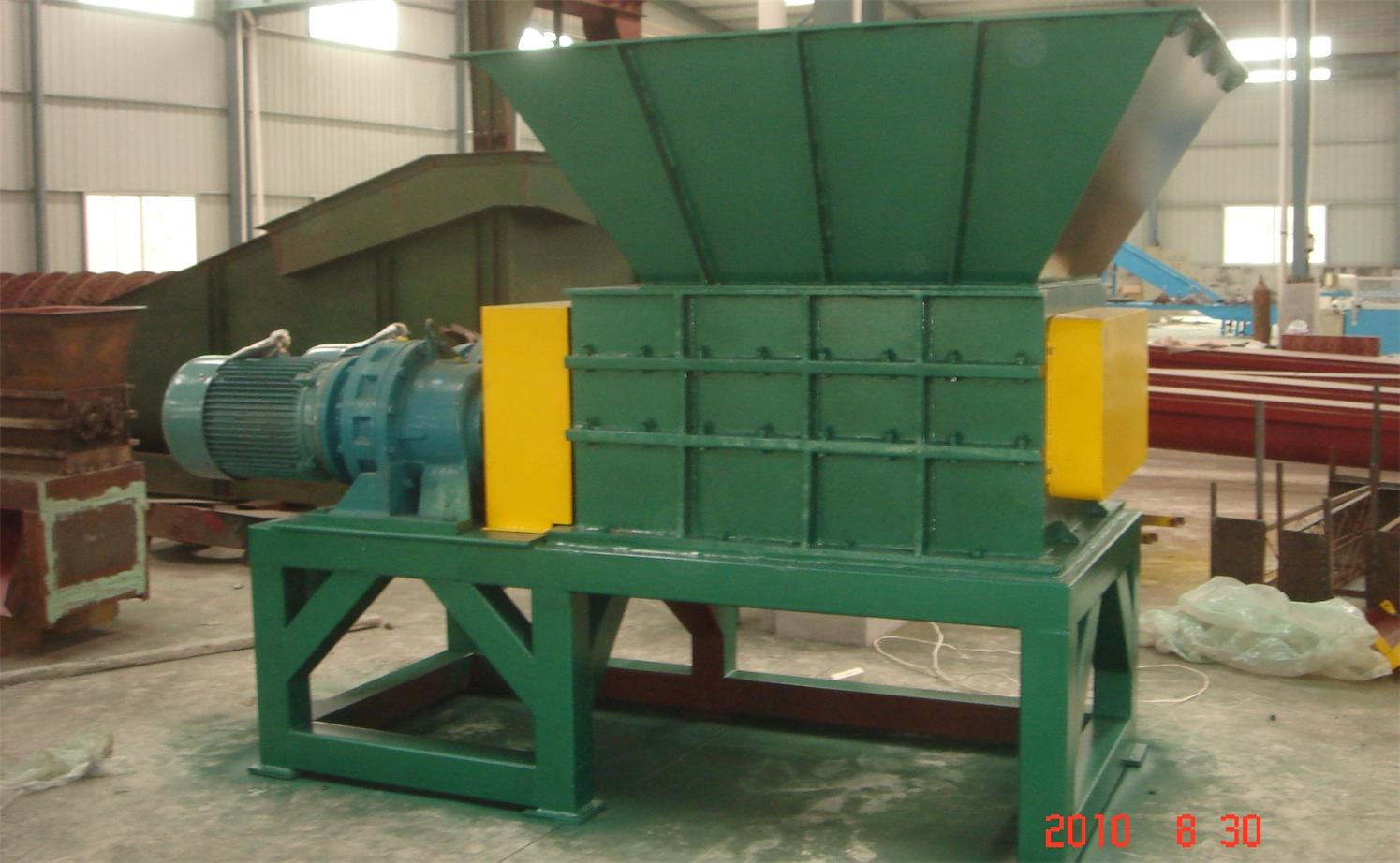
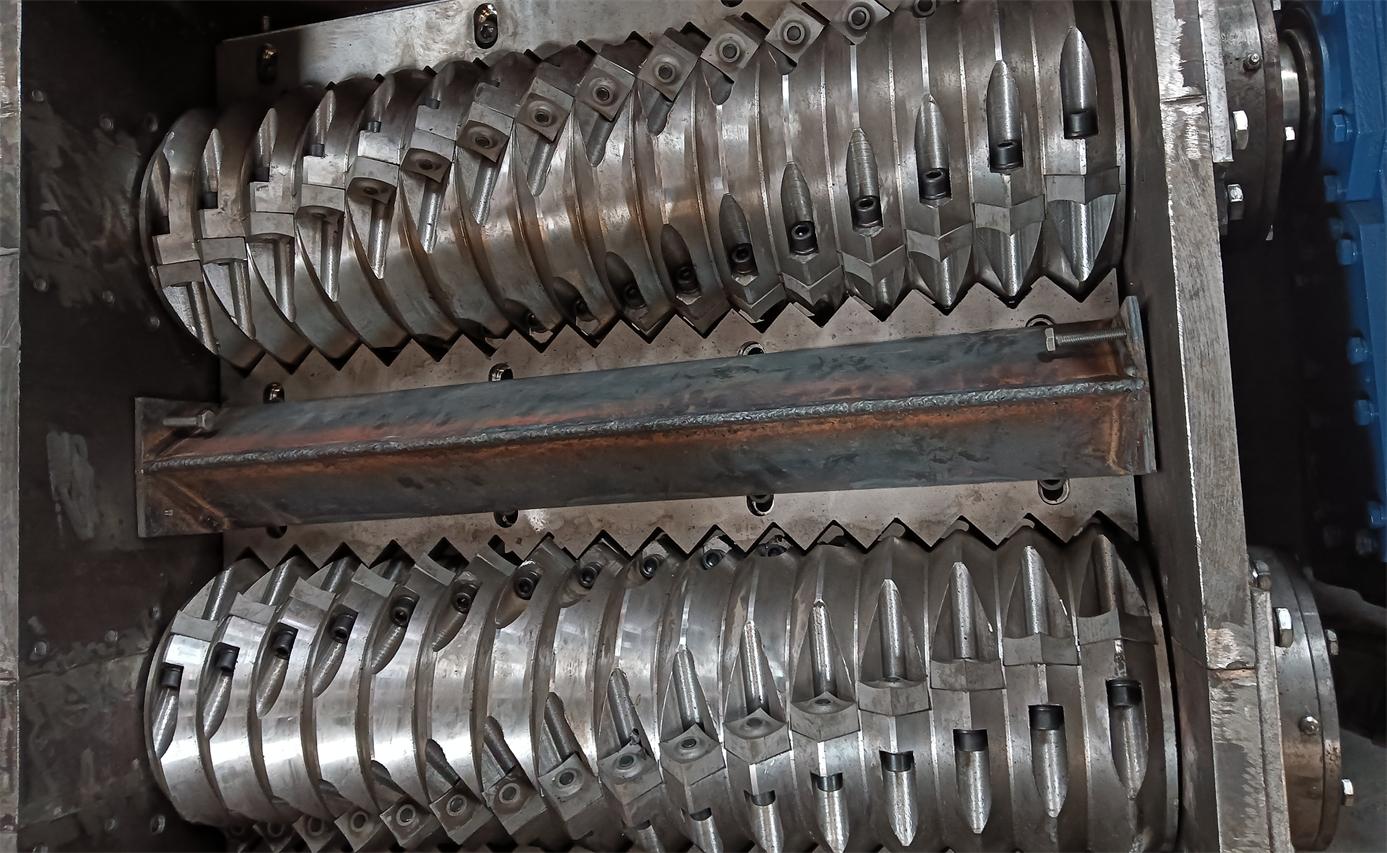
Shredders are not interchangeable. The torque profile, blade geometry, chamber size, and shaft configuration must match the material you intend to process. Feeding soft plastic into a high-torque metal shredder wastes energy and produces uneven particles. Feeding thick steel-reinforced cable into a lightweight plastic shredder damages the machine.
Single-Shaft Shredders for Cable and Plastic
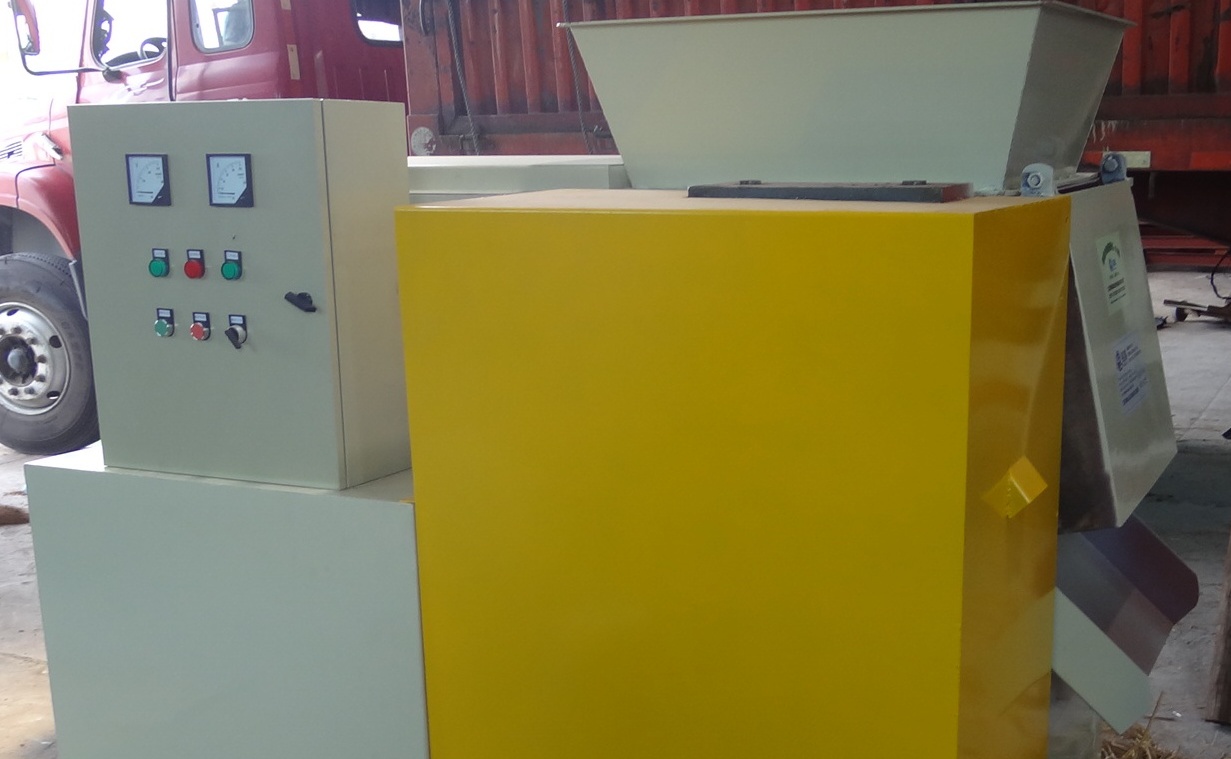
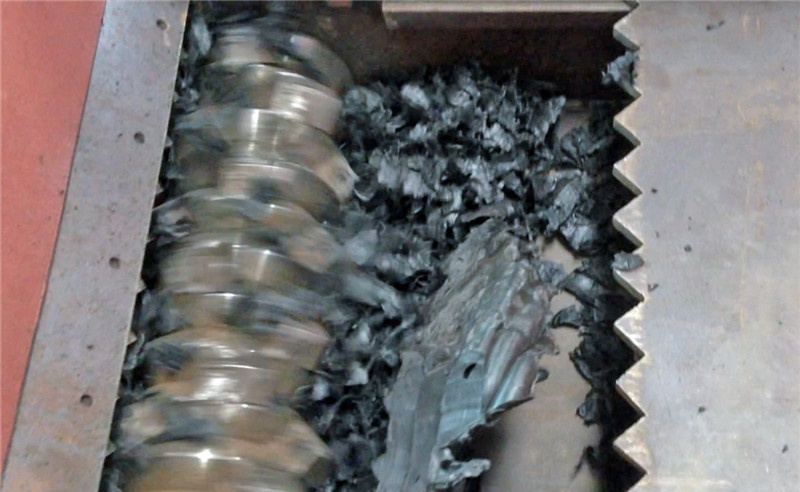
Single-shaft shredders with a hydraulic pusher are ideal for cable scrap, circuit boards, and plastic recycling where controlled particle size matters. Models like the SS-600 (300-500 kg/hour) and SS-900 (1,000 kg/hour) use a rotating blade and fixed counter-blade to produce uniform chips that feed cleanly into granulators or air separators. The 22kW to 30kW power range keeps operating costs reasonable for small and mid-size plants.
Twin and Four-Shaft Shredders for Heavy-Duty Applications
When the feedstock includes refrigerators, washing machines, lead-acid batteries, or lithium battery packs, a shredder and pre-chopper equipment with multiple shafts provides the torque and chamber volume needed to break down bulky items safely. The four-shaft IC-1800 handles 4-6 metric tons per hour with dual 22kW motors, while the IC-1100 processes 2-3 metric tons per hour. These machines are designed for multi-purpose operation across PCB, cable, battery, and appliance recycling lines.
| Shredder Type | Best For | Typical Capacity |
|---|---|---|
| Single-shaft | Cable, plastic, circuit boards | 300-1,000 kg/hour |
| Twin-shaft | Mixed e-waste, metal scrap | 200-800 kg/hour |
| Four-shaft | Bulky appliances, batteries, diverse feedstock | 2-6 metric tons/hour |
Motor Recycling: Extracting Copper from Stator Cores
Electric motors contain copper windings with a purity that smelters pay a premium for. Manual dismantling is slow, labor-intensive, and often damages the copper. A dedicated motor recycling machines equipment line solves this by mechanically cutting the stator core and extracting the winding in intact coils.
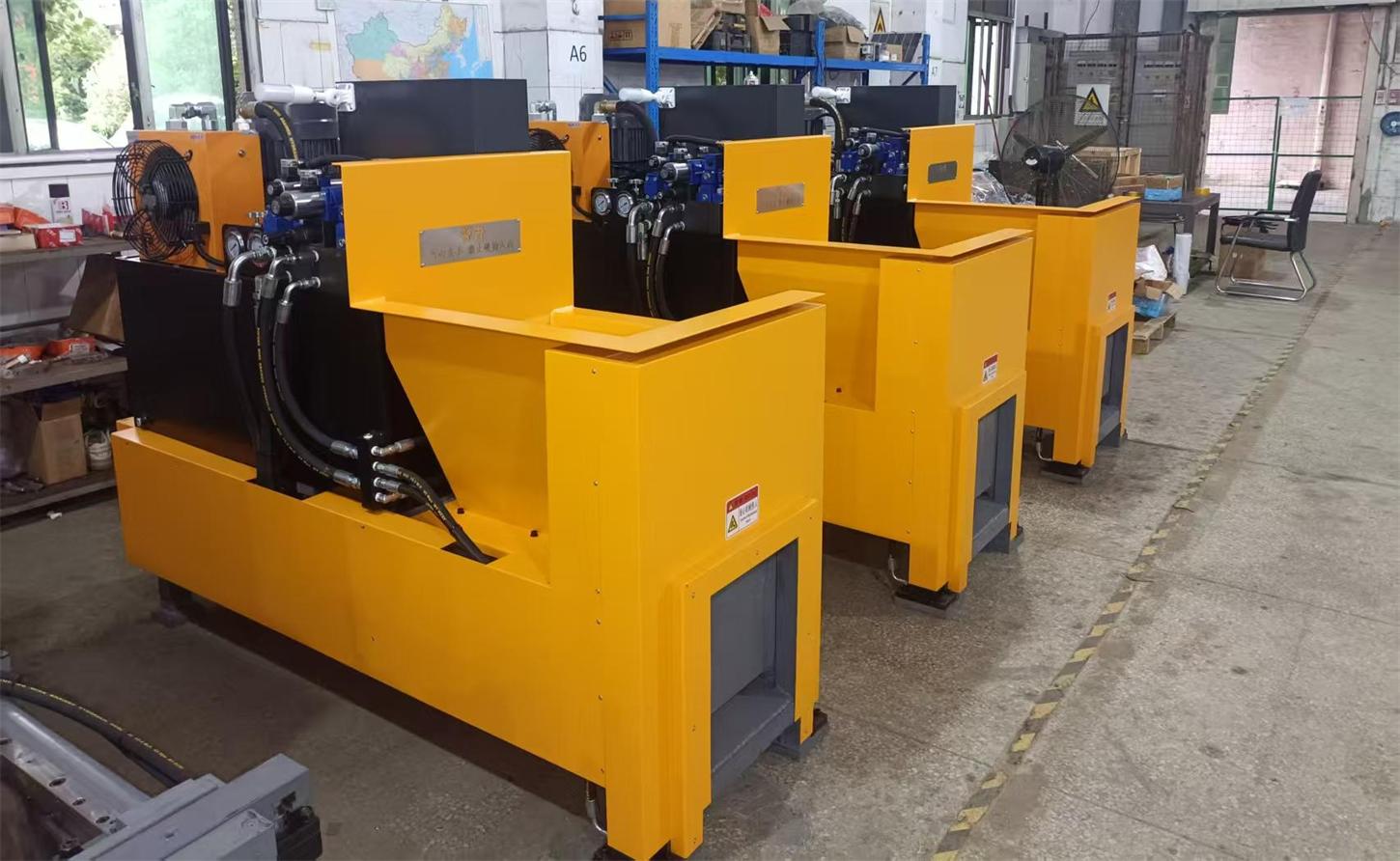
The motor stator cutter MSC-500 uses a hydraulic mechanism to break the cylindrical iron core into two parts, then removes the copper wire coil cleanly. This preserves the copper length and quality, maximizing resale value. For operators who process washing machine motors, air conditioning compressors, or industrial drive motors, mechanized dismantling replaces three to five manual workers and improves safety by eliminating hammer-and-chisel methods.
Refrigerator and AC Recycling: Managing Refrigerants and Mixed Materials
End-of-life refrigerators and air conditioners present a unique challenge. They contain refrigerants that must be recovered under environmental regulations, compressor units with copper coils, mixed plastics, polyurethane foam, and steel enclosures. Processing them as raw scrap releases ozone-depleting substances and contaminates metal fractions.
A complete refrigerator recycling equipment line starts with refrigerant extraction. The SD-680 recovery machine handles liquid refrigerant at 50 kg/hour and gas at 25 kg/hour, compatible with R404A, R407C, R410A, R134A, and other common working fluids. After safe evacuation, the compressor is cut open to recover copper coils, and the cabinet moves to a shredding and separation plant.
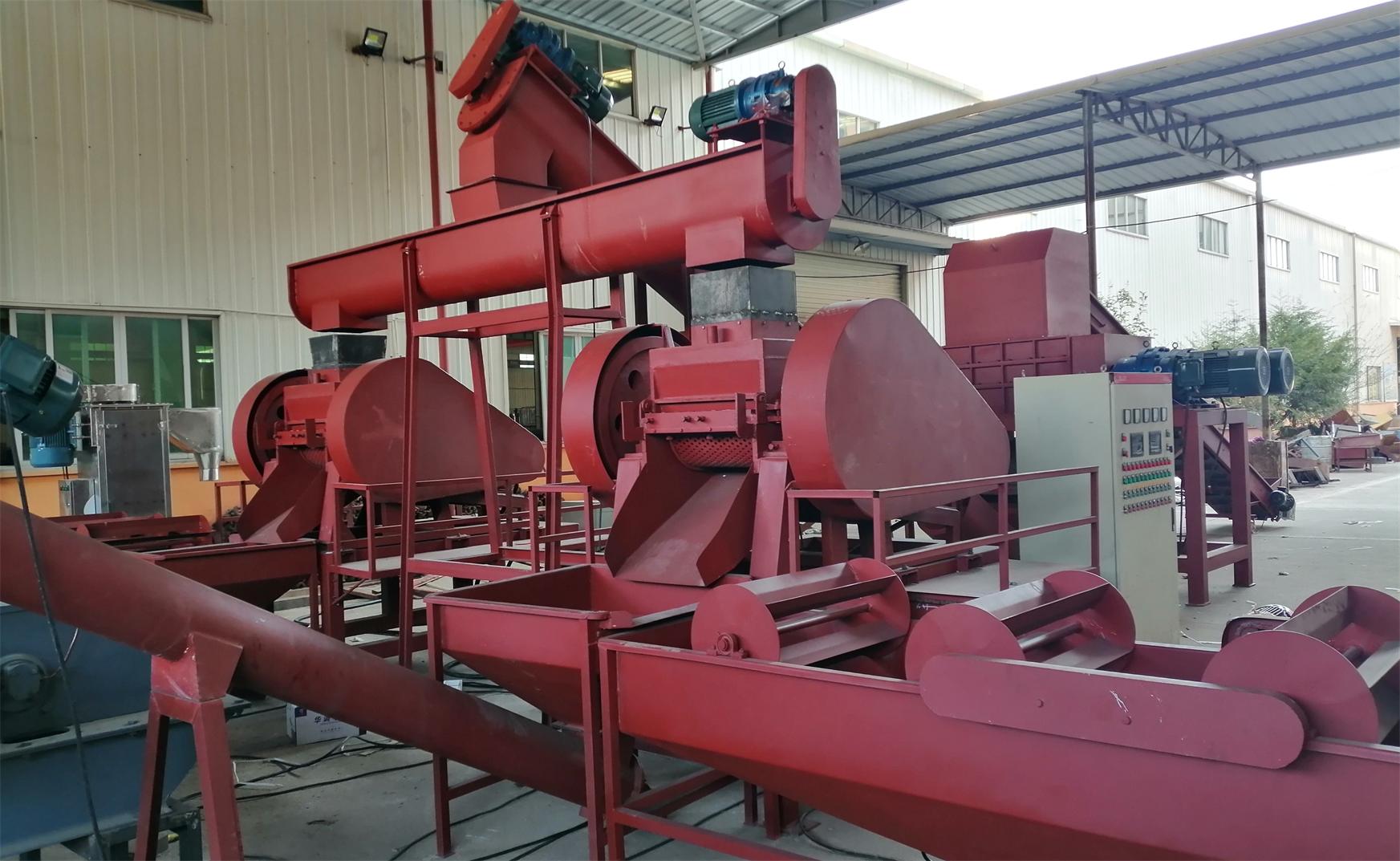
The RSS-030 refrigerator shredding and separating plant processes 20-30 units per hour, recovering iron at 95% or better, copper and aluminum at 90% or better, and plastics and polyurethane at 90% or better. The integrated line spans 32 meters and runs at 150 kW or less, turning a bulky waste stream into sorted, saleable fractions.
Matching Pre-Processing to Your Feedstock Mix
The most common mistake in plant design is buying a single shredder and expecting it to handle every material that arrives at the gate. In reality, a profitable operation usually runs two or three pre-processing stages: a heavy-duty shredder for bulky items, a mid-size unit for standard e-waste, and possibly a specialized stripper or cutter for high-value components like motor stators.
Feedstock-driven equipment selection:
- If you receive whole appliances, start with refrigerant recovery and a four-shaft shredder
- If you process cable and PCB scrap, a single-shaft shredder as pre-chopper protects your granulator
- If you handle electric motors, a dedicated stator cutter pays for itself in copper recovery and labor savings
- If your feedstock is unpredictable, choose multi-purpose shredders with adjustable screen sizes
Why Experience Matters in Plant Design
San Lan Technologies, established in 2007 in Jiangxi Province, China, manufactures a full range of WEEE recycling machinery including shredders, cable granulators, battery recycling plants, and specialized equipment for refrigerators, motors, and CRT devices. With installations in more than 21 countries, the engineering team has faced virtually every feedstock and regulatory combination.
Beyond manufacturing, San Lan provides EPC project services: customized plant layout, one-stop equipment procurement, on-site installation and commissioning, operator training, and even assistance sourcing waste material and marketing recovered products. The technical team holds master's degrees in mechanical engineering and averages over 15 years of direct experience in recycling machine design.
Your Next Step
Pre-processing equipment is not an afterthought. It is the foundation that determines whether your separation and recovery stages run at design capacity or struggle with jams, contamination, and excessive wear. Choosing the right shredder, motor cutter, or refrigerator dismantling system starts with an honest assessment of your incoming material.
San Lan Technologies offers free preliminary engineering consultation and feedstock analysis. If you are planning a new recycling plant or upgrading an existing line, contact the team to discuss which pre-processing and specialized equipment will maximize your recovery rates and protect your downstream investment.
Contact San Lan Technologies:
Email: info@san-lan.com
WhatsApp: +86 139 2377 4083
Website: www.san-lan.com