Let's start with a scenario we've all lived through, even if not in an industrial setting: You've got a trusty appliance—a fridge, a car, maybe a coffee maker. It works day in and day out, so you don't think much about it. Then one morning, it sputters, groans, and dies. Suddenly, you're scrambling to fix it, shelling out cash for repairs, and wondering, "Why didn't I see this coming?"
In the world of manufacturing, recycling, and wastewater treatment, there's a similar workhorse that often gets the same "out of sight, out of mind" treatment: the filter press. These machines are the unsung heroes of separating solids from liquids, turning sludge into manageable cake, and keeping production lines moving. But here's the hard truth: ignoring maintenance on your filter press equipment isn't just a minor oversight—it's a ticking time bomb. And the risks? They're bigger, costlier, and more dangerous than you might think.
First Things First: What Even Is a Filter Press, Anyway?
If you're not knee-deep in industrial operations, the term "filter press equipment" might sound like something out of a sci-fi movie. Let's break it down simply: A filter press is a machine designed to separate liquids from solids using pressure. Think of it as a giant strainer, but way more powerful. It's used in everything from mining and chemical processing to food production and, yes, recycling—where it's often paired with water process equipment to clean and reuse water, or air pollution control system equipment to keep emissions in check.
Here's how it works, in layman's terms: Sludge (a mix of solid particles and liquid) is pumped into a series of plates, each covered in a filter cloth. The plates squeeze together, pushing the liquid through the cloth and leaving behind a dry "cake" of solids. That cake can then be disposed of, recycled, or repurposed, while the filtered liquid is either reused or treated further. Simple enough, right? But like any hardworking machine, those plates, cloths, pumps, and valves need a little TLC to keep doing their job.
Why Maintenance Feels Like a Chore—But Isn't
Let's be real: Maintenance is rarely anyone's favorite task. It's easy to push it to the bottom of the to-do list when the machine is "working fine." Maybe you're swamped with tight deadlines, or the budget is stretched thin, or you think, "We'll deal with it when it breaks." But here's the problem with that mindset: By the time it "breaks," you've already racked up hidden costs—and not just financial ones.
Imagine skipping oil changes on your car because "it's still driving." Sure, it might run for a while, but eventually, the engine will seize, and you'll be stuck with a $5,000 repair bill instead of a $50 oil change. Filter press maintenance is the same. It's an investment in longevity, efficiency, and safety—not an unnecessary expense.
The Hidden Risks of Skipping Maintenance
Still on the fence? Let's dive into the risks of neglecting your filter press. Spoiler: They're not just about the machine itself—they ripple out to affect your team, your bottom line, and even the environment.
1. Unplanned Downtime: When "Just a Minute" Turns Into "Days of Lost Production"
Filter presses are often critical links in production chains. If yours goes down, everything downstream grinds to a halt. Let's say you're running a recycling plant that processes lead acid batteries (a common use for filter presses). Without your filter press separating sludge, you can't move on to the next step—smelting, refining, or packaging. Every hour of downtime means lost revenue, missed deadlines, and frustrated clients.
And here's the kicker: Unplanned downtime is way more expensive than planned maintenance. A 2023 study by the Manufacturing Institute found that unplanned downtime costs U.S. manufacturers an average of $50 billion annually. For small to mid-sized operations, even a single day of downtime can mean tens of thousands of dollars in lost profits. Compare that to the cost of a weekly inspection or replacing a worn filter cloth—suddenly, maintenance doesn't seem so pricey.
2. Safety Hazards: Putting Your Team in Harm's Way
Safety should never be an afterthought, but neglected filter presses create very real dangers. Let's start with the plates: Over time, if not cleaned or replaced, they can warp or crack under pressure. A cracked plate might seem minor, but under the high pressure of a filter press (we're talking up to 1,000 psi in some models), that crack can turn into a catastrophic failure. Picture a plate bursting mid-cycle—sludge, chemicals, or hot liquids could spray out, injuring anyone nearby.
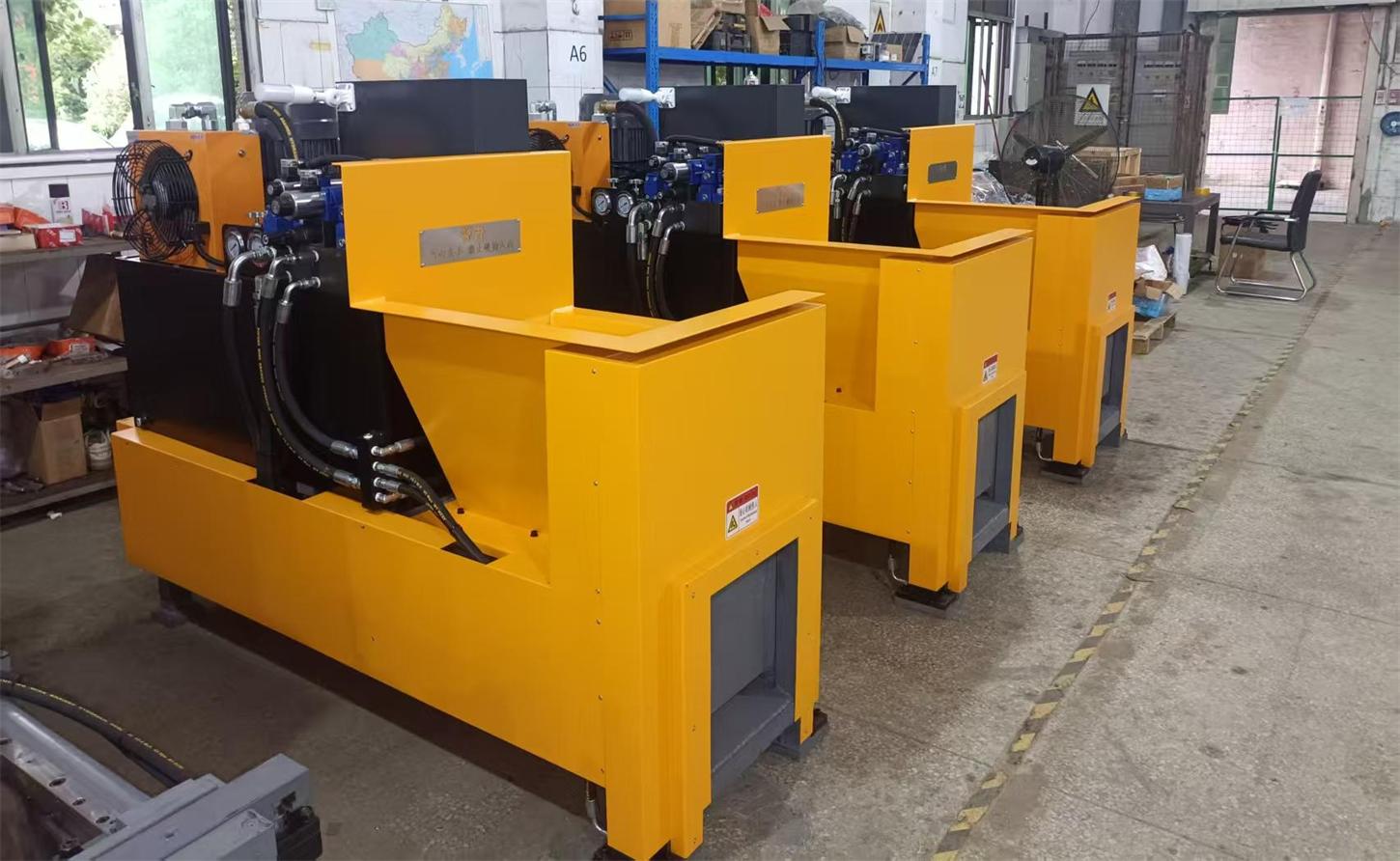
Then there are the hydraulic systems. Filter presses use hydraulics to clamp the plates together. If hydraulic hoses are frayed or seals are worn, they can leak hydraulic fluid—a slippery, flammable substance that's a fall hazard. And if the hydraulic pump fails suddenly, the plates could slam shut unexpectedly, crushing hands or tools. These aren't hypothetical risks—OSHA reports hundreds of workplace injuries annually due to poorly maintained industrial equipment.
3. Declining Efficiency: Your Machine Isn't Just "Working"—It's Wasting Money
Even if your filter press isn't broken, neglecting maintenance makes it less efficient. Think about filter cloths: Over time, they get clogged with debris, reducing the flow of liquid. That means longer cycle times—what used to take an hour now takes two. Longer cycles mean higher energy bills, more wear on pumps, and less output. It's like driving a car with a dirty air filter: It still moves, but it's burning more gas and struggling to keep up.
Or consider the hydraulic system again. Low fluid levels or dirty fluid cause the pump to work harder, increasing energy consumption and wear. A study by the Hydraulic Institute found that inefficient hydraulic systems can waste up to 30% of the energy they consume. Multiply that by the number of hours your filter press runs each day, and you're looking at thousands of dollars in unnecessary energy costs annually.
4. Compliance Headaches: When "Good Enough" Gets You Fined
Regulations aren't optional—especially in industries like recycling, where environmental compliance is strict. Many regions have laws governing how solids and liquids are separated, how wastewater is treated (hence the need for water process equipment), and how emissions are controlled (hello, air pollution control system equipment). A poorly maintained filter press can throw all of that off.
For example, if your filter press isn't separating solids effectively, the liquid it produces might be too contaminated to reuse or discharge. That could mean violating local water quality standards, leading to fines from the EPA or other regulatory bodies. In 2022, a U.S. manufacturing company was fined $1.2 million for failing to properly treat wastewater—all because a neglected filter press allowed heavy metals to leak into a nearby stream. Don't let that be you.
5. Environmental Impact: More Than Just a PR Problem
Even if you avoid fines, a poorly maintained filter press can harm the environment. If the filter cloths are clogged, more liquid is trapped in the solid cake, making it heavier and harder to transport— increasing carbon emissions from trucks. If the press leaks, contaminated liquid might seep into soil or waterways, harming wildlife and ecosystems.
And let's not forget the bigger picture: Many industries use filter presses as part of their sustainability efforts. For example, in lithium battery recycling, filter presses help recover valuable materials while minimizing waste. If your press isn't working efficiently, you're not just losing money—you're undermining the very sustainability goals your company claims to value.
The Cost of Neglect vs. the Cost of Care: A Quick Comparison
| Aspect | With Regular Maintenance | Without Regular Maintenance |
|---|---|---|
| Unplanned Downtime | ~2-3 days/year (planned servicing) | ~10-15 days/year (unplanned breakdowns) |
| Annual Repair Costs | $5,000-$10,000 (replacement parts, labor) | $25,000-$50,000+ (major repairs, part replacements) |
| Energy Efficiency | Optimal (minimal energy waste) | 20-30% higher energy consumption |
| Safety Incidents | Low (near-miss reports rare) | Higher risk of leaks, injuries, or equipment failure |
| Compliance Fines | Minimal (meets regulatory standards) | Potential fines of $10,000+ (for environmental or safety violations) |
Maintenance 101: It Doesn't Have to Be Overwhelming
Okay, so by now, you're probably thinking, "Fine, maintenance is important—but where do I even start?" The good news is, you don't need to be a mechanical engineer to keep your filter press in shape. Here's a simple, actionable checklist to get you started:
Daily Checks (5-10 Minutes Tops!)
- Inspect filter cloths for tears, clogs, or discoloration. If they look dirty, give them a quick rinse with a hose.
- Check hydraulic fluid levels and look for leaks around hoses and connections.
- Listen for strange noises (grinding, squealing) while the press is running—unusual sounds are often early warning signs.
- Wipe down the plates to remove excess sludge buildup (this prevents warping over time).
Weekly Inspections (30 Minutes)
- Test the pressure gauge to ensure it's reading accurately (inaccurate gauges can lead to over-pressurization).
- Check the alignment of the plates—if they're off-kilter, they'll wear unevenly.
- Lubricate moving parts (hinges, rollers, hydraulic cylinders) as recommended by the manufacturer.
- Review cycle times: Has it taken longer to process sludge this week than last? If yes, investigate (clogged cloths? Low pressure?)
Monthly Deep Dives (1-2 Hours)
- replace filter cloths if they're more than 6-12 months old (or sooner if they're heavily worn).
- Drain and replace hydraulic fluid (old fluid gets contaminated with debris, which damages the pump).
- Inspect the frame for cracks or rust—especially if you're in a humid environment.
- Calibrate sensors and safety switches to ensure they're working (e.g., emergency stop buttons).
Train Your Team: Maintenance Isn't Just for Mechanics
Here's a pro tip: The people who use the filter press every day are your first line of defense. Train operators to spot issues early—like a torn cloth or a slow cycle time—and empower them to report problems immediately. A quick "Hey, the press is making a weird noise" can prevent a major breakdown later.
It's Not Just About the Filter Press—It's About the Whole System
Remember earlier when we mentioned water process equipment and air pollution control system equipment? Your filter press doesn't exist in a vacuum. It's part of a larger ecosystem. For example, if your filter press isn't separating sludge effectively, your water process equipment has to work harder to treat the excess liquid, increasing its wear and energy use. Similarly, if the press leaks, your air pollution control system might have to filter out more contaminants, leading to clogged filters and higher maintenance costs there, too.
Think of it like a relay race: If one runner stumbles, the whole team suffers. By keeping your filter press in top shape, you're not just protecting that one machine—you're supporting the entire operation.
Final Thought: Maintenance Isn't a Cost—It's an Investment
At the end of the day, ignoring filter press maintenance is like skipping dentist appointments because "my teeth don't hurt yet." Sure, you might save a little time and money now, but eventually, the bill comes due—and it's never cheap. Whether it's unplanned downtime, safety incidents, or skyrocketing energy costs, the risks of neglect far outweigh the effort of a little regular care.
So, take 10 minutes tomorrow morning to walk over to your filter press. Check the cloths. Listen for strange noises. Wipe down the plates. Your future self—and your bottom line—will thank you. After all, a well-maintained machine isn't just a machine. It's a reliable partner in keeping your operation running smoothly, safely, and sustainably.