How adaptable technology is reshaping the future of battery recycling businesses
Walk into any electronics store today, and you'll see the same story playing out: shelves lined with sleek electric vehicles, power tools that last twice as long, and smartphones that keep us connected for hours on end. What powers all these modern marvels? Lithium-ion batteries. They're the silent workhorses of our digital age, but here's the catch: every battery eventually dies. And with global lithium-ion battery demand projected to grow 10-fold by 2030, we're staring down a mountain of spent batteries—unless we get recycling right.
For recycling businesses, this should sound like an opportunity. But here's the reality: traditional battery recycling setups are often rigid, expensive, and one-size-fits-all. A system built to handle small smartphone batteries might crumble when faced with a truckload of electric vehicle (EV) batteries. A facility designed for high-volume processing could drown a small startup in upfront costs. So how do you turn battery waste into a growth engine instead of a logistical nightmare? The answer lies in modular lithium-ion battery crushing and separation equipment.
The Growing Pains of Battery Recycling
Let's start with the basics: recycling lithium-ion batteries isn't easy. These batteries are complex, packed with materials like cobalt, nickel, lithium, and copper—all valuable, but dangerous if mishandled. Hammering them open or tossing them into a regular shredder? That's a fire risk. Burning them to extract metals? Toxic fumes. And with battery chemistries evolving faster than ever—think different blends for EVs vs. laptops vs. power banks—recyclers can't afford to get stuck with equipment that only handles yesterday's technology.
Take a small recycling startup, for example. They might start by processing 500 kg of batteries a day, mostly from old phones and laptops. But six months later, a local EV dealership reaches out, offering 2,000 kg of spent EV batteries weekly. Their current setup? A basic shredder and manual sorting table. Suddenly, they're overwhelmed. Upgrading to a bigger, traditional system would cost hundreds of thousands—money they don't have. So they turn down the deal, missing out on growth. Sound familiar? This is the reality for many recyclers stuck with inflexible equipment.
Then there's the environmental compliance headache. Governments worldwide are cracking down on pollution from recycling operations. If your equipment doesn't include proper air filtration or waste treatment, you could face fines or shutdowns. Traditional systems often bolt on "afterthought" solutions for things like air pollution control, but modular setups? They're built with compliance in mind from the start.
Modular Equipment: The Growth Enabler
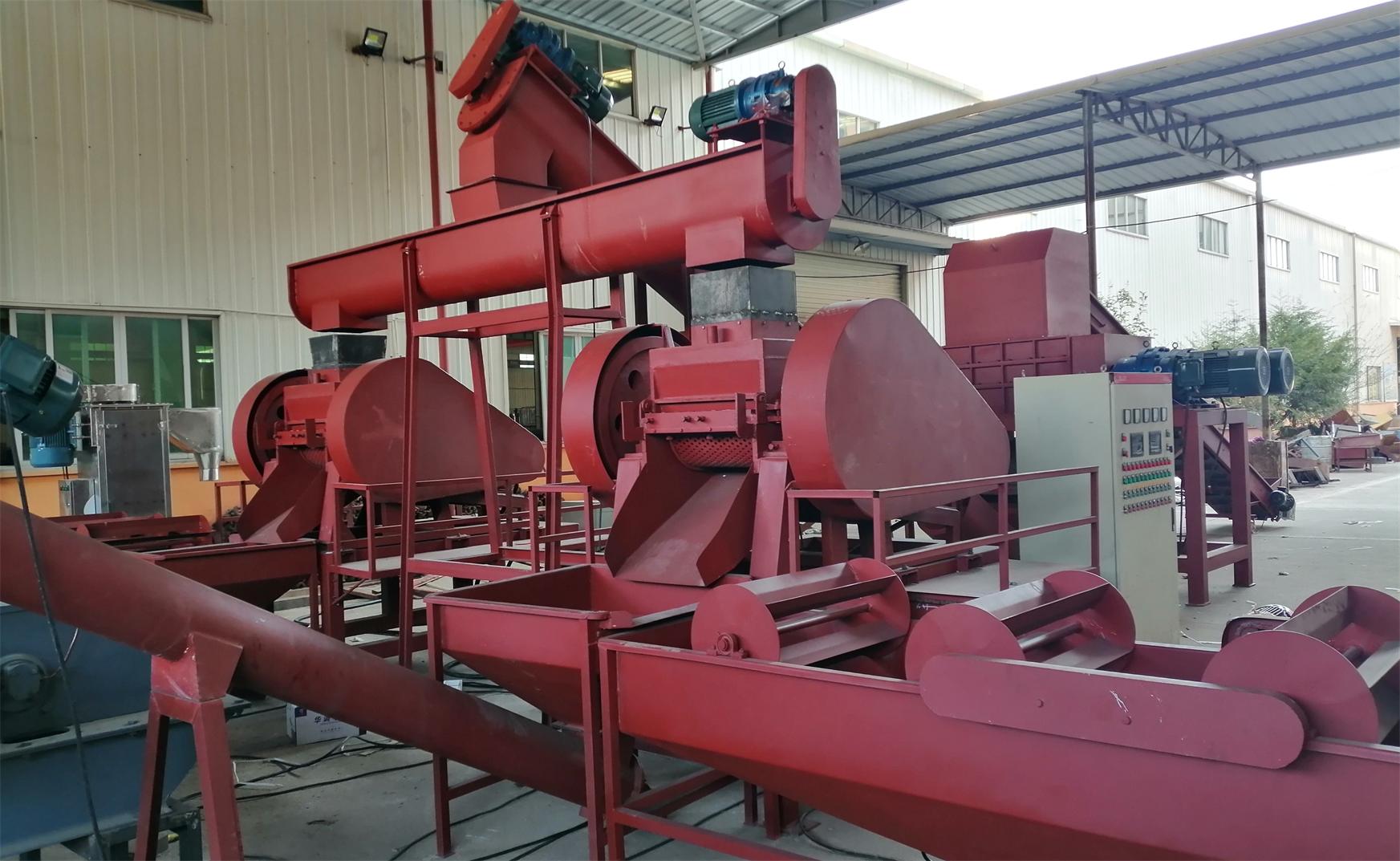
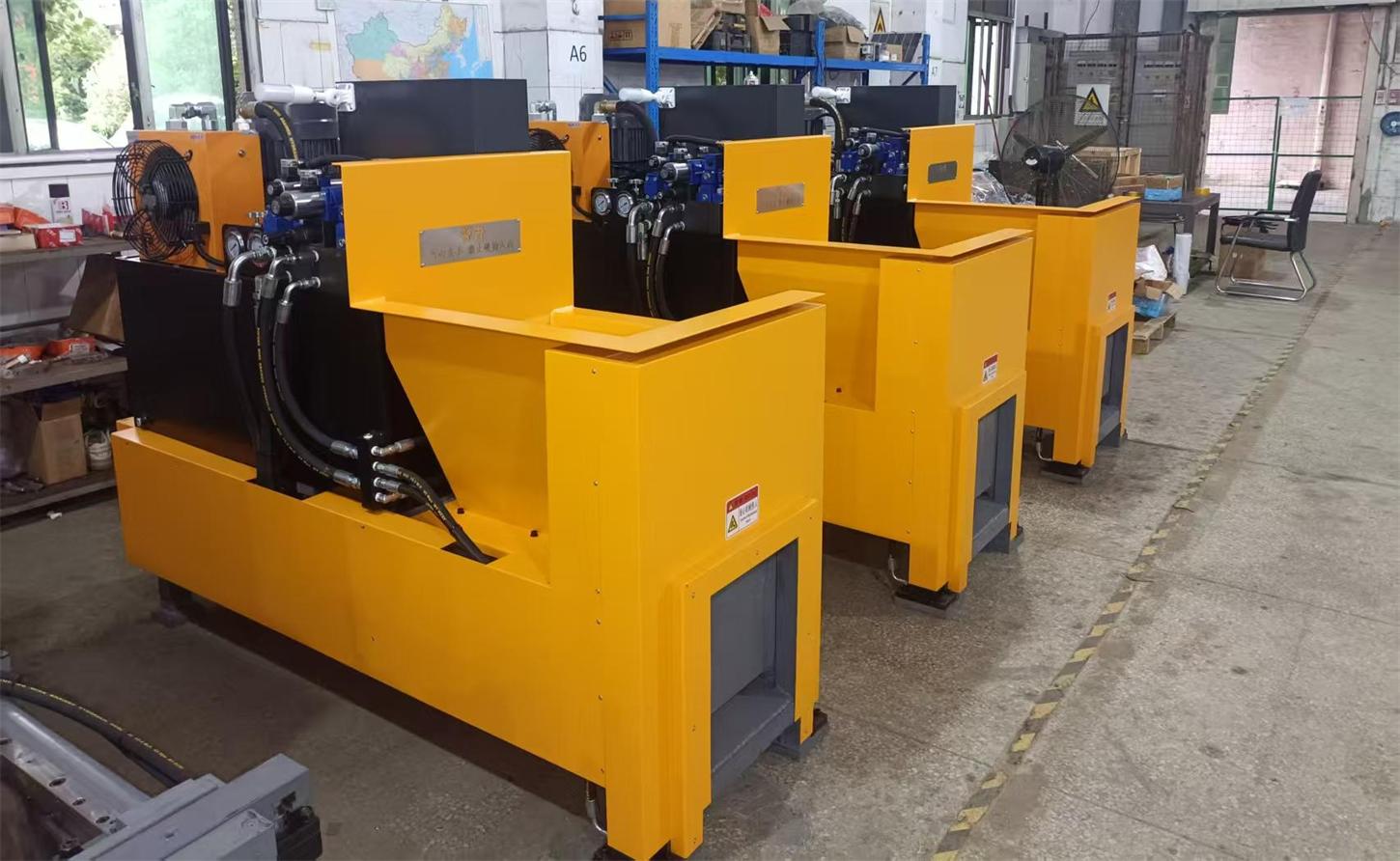
Modular lithium-ion battery recycling equipment isn't just a collection of machines—it's a puzzle you can rearrange as your business grows. Think of it like building with Lego blocks: start with the basics, then add pieces as you need them. Need to process more batteries? Add another crushing module. Switching from small consumer batteries to larger EV packs? Swap out the separation unit for one designed for higher capacity. No need to tear down your entire facility—just plug in a new module.
| Feature | Traditional Fixed Systems | Modular Systems |
|---|---|---|
| Initial Investment | High (often $500k+ for full setup) | Lower (start with $100k–$200k for core modules) |
| Scalability | Limited (requires full system replacement) | Unlimited (add modules as demand grows) |
| Flexibility | Fixed (only handles specific battery types/sizes) | Adaptive (swap modules for different chemistries) |
| Environmental Compliance | Reactive (add-ons for pollution control) | Proactive (integrated air pollution control system equipment) |
| Downtime for Upgrades | Weeks/months (full system overhaul) | Days (module swap-outs) |
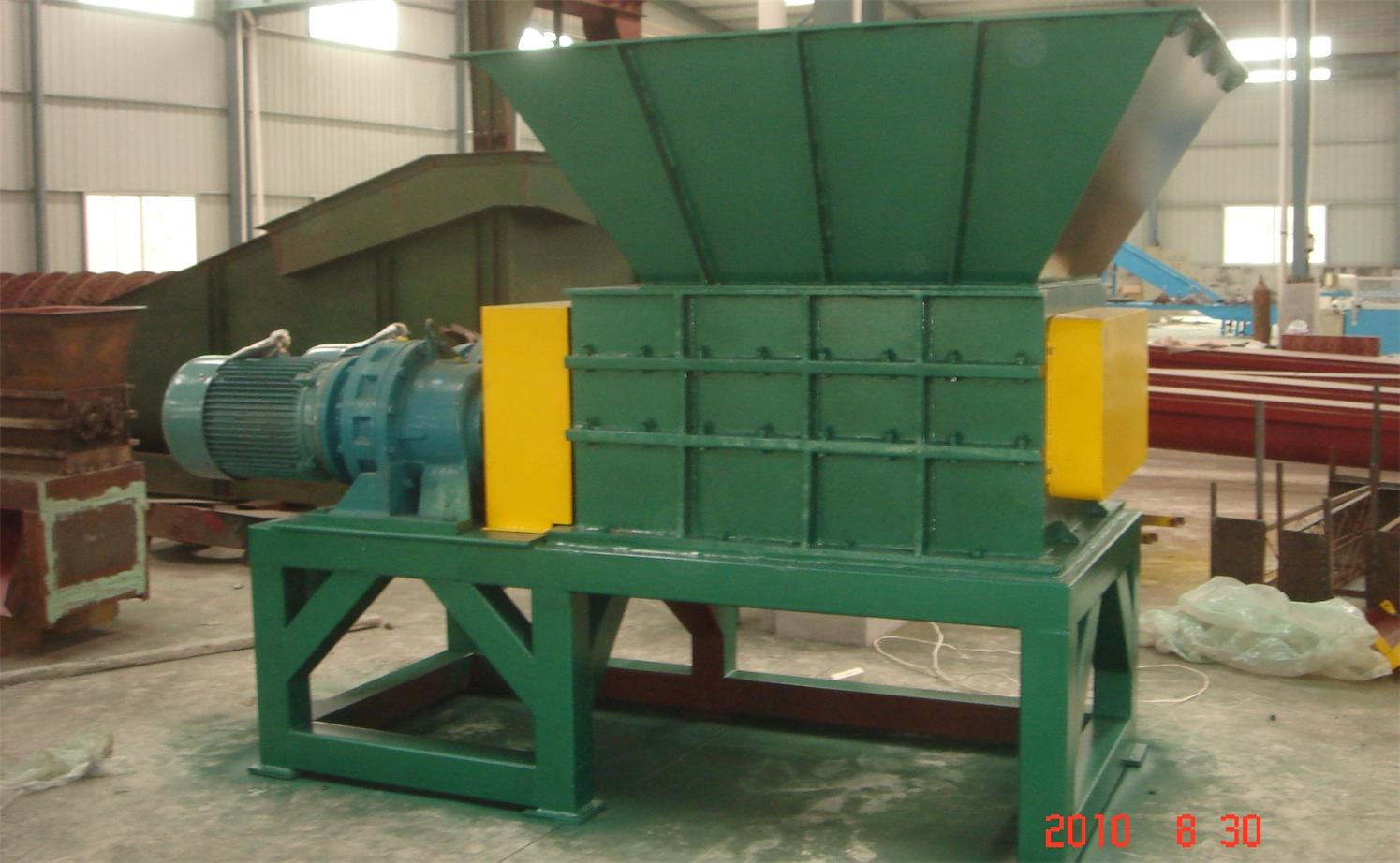
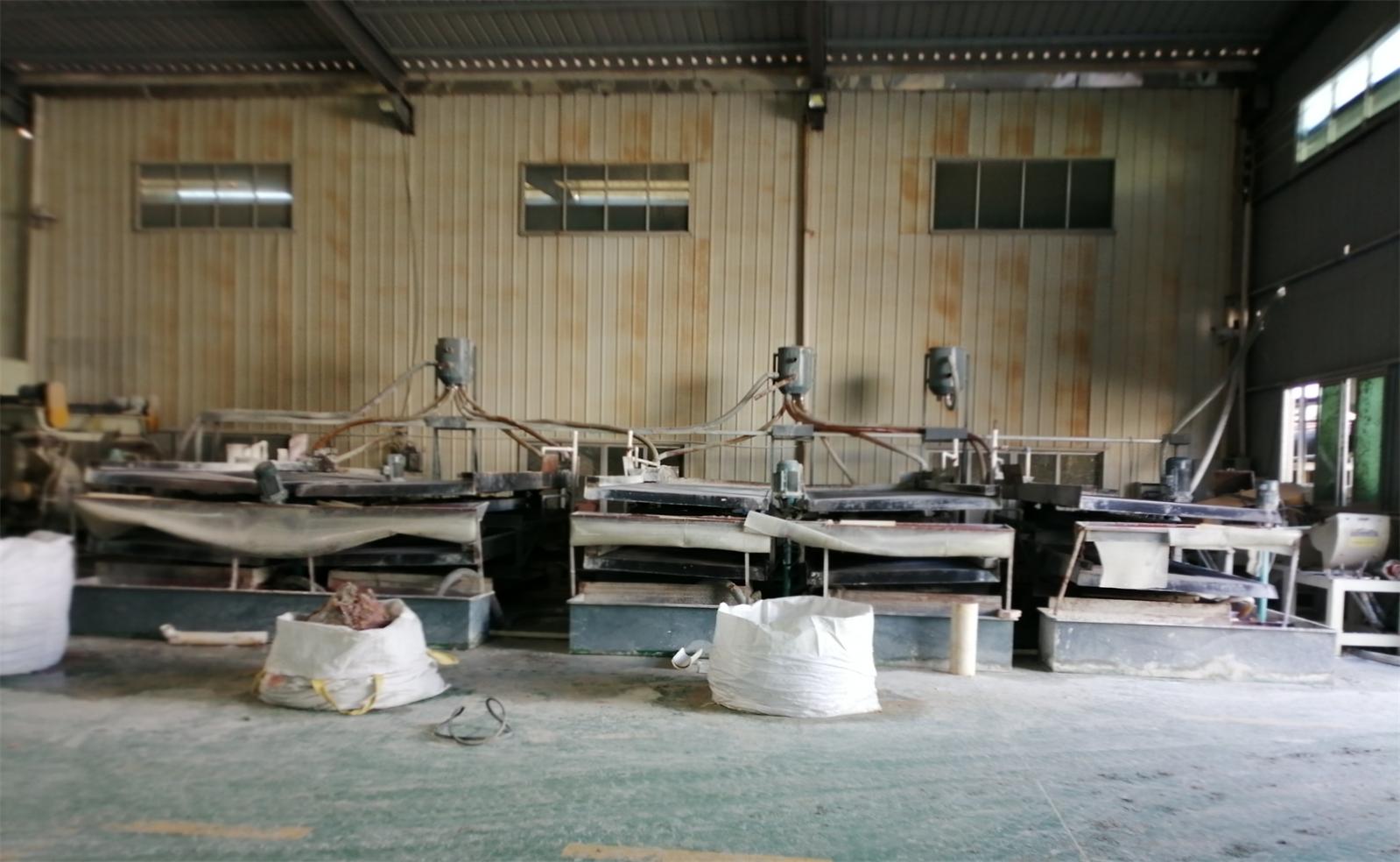
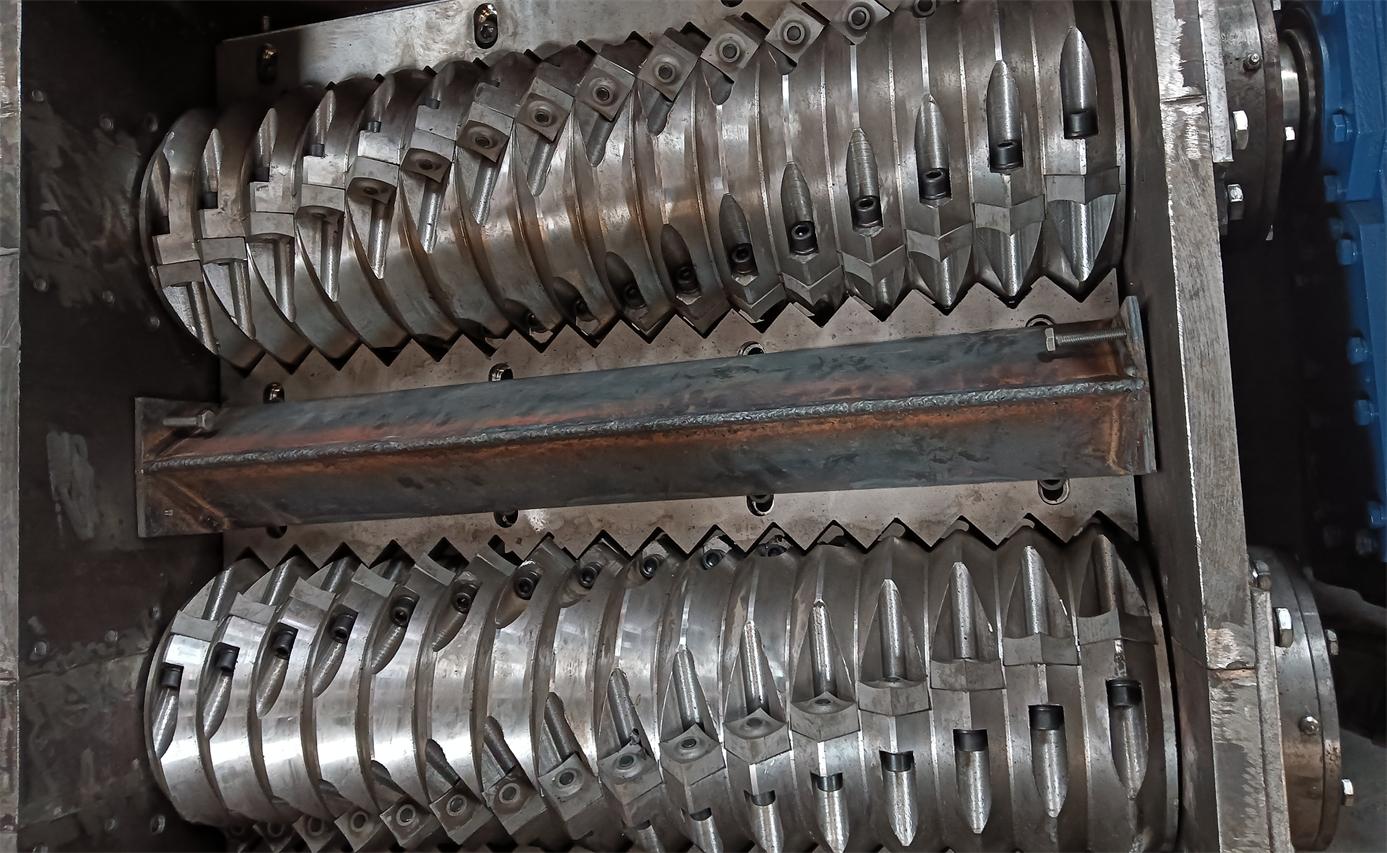
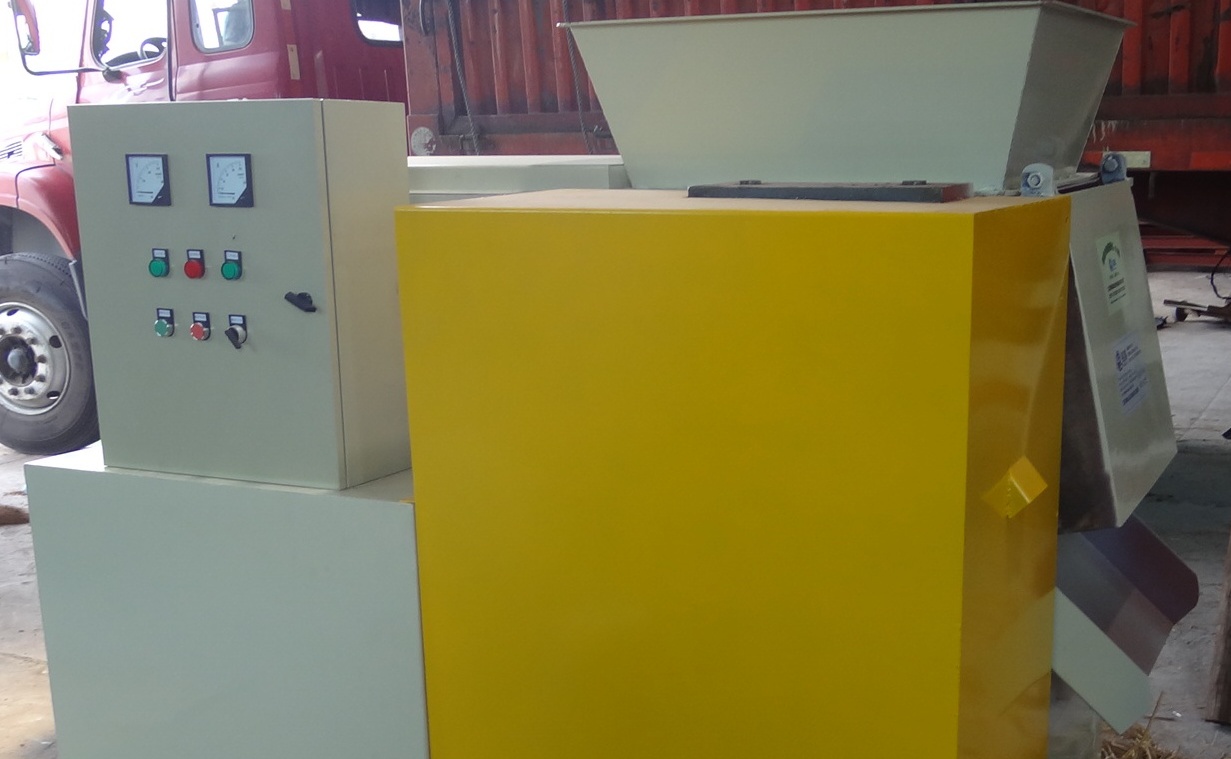
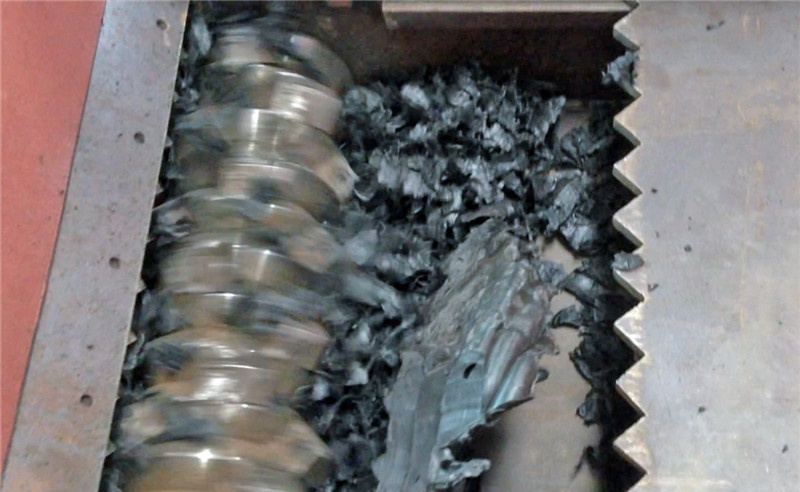
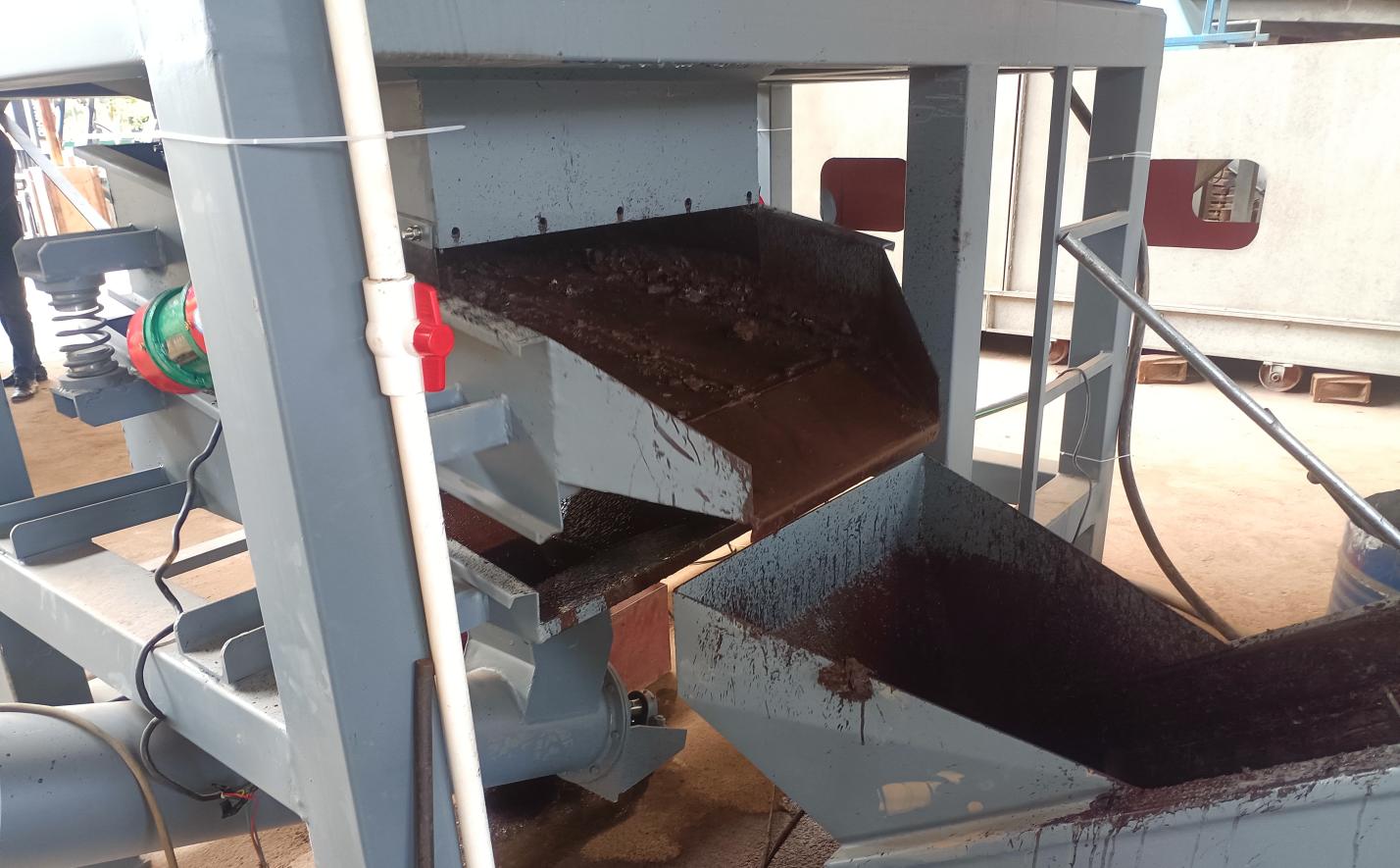
Let's break down what this looks like in action. At the heart of most modular setups is the li-ion battery breaking and separating equipment —the workhorse that safely crushes batteries and separates valuable materials from waste. But here's the beauty: this core module can be paired with different add-ons. For dry, dust-sensitive operations? Add a dry process equipment module. For wet separation that extracts finer metals? Plug in a wet process equipment unit. No need to buy two separate systems—just switch modules based on the job.
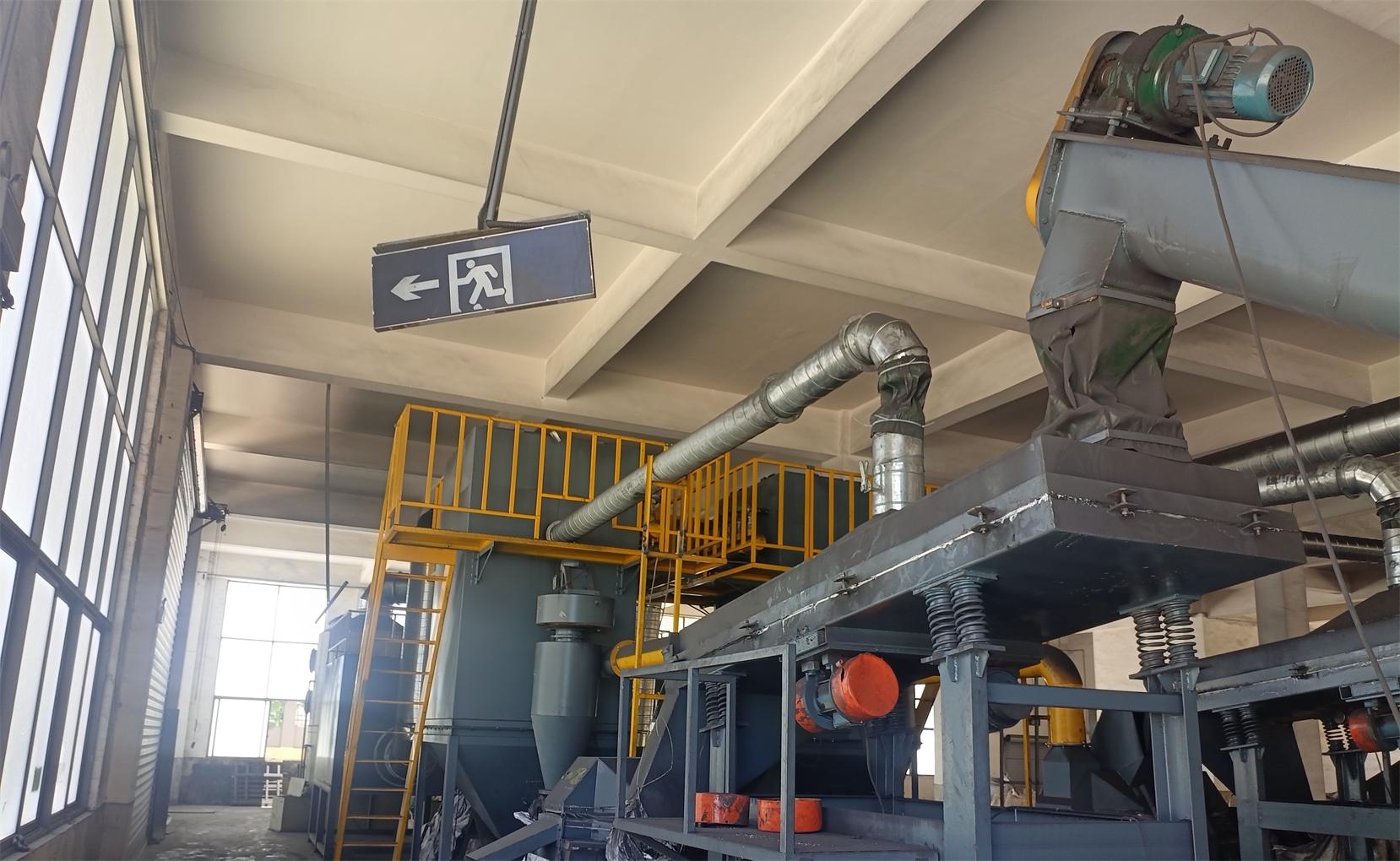
And let's not forget compliance. Modular systems often come with integrated air pollution control system equipment —think filters and scrubbers that trap toxic particles before they escape. This isn't an afterthought; it's built into the design. So when regulators come knocking, you're not scrambling to retrofits—you're ready. That peace of mind alone is worth the investment, especially as environmental laws get stricter.
Why Growth-Oriented Recyclers Choose Modular
Still on the fence? Let's talk about the bottom line. For small to mid-sized recyclers, cash flow is king. Modular equipment lets you start small, generate revenue, and reinvest profits into expansion. A startup in Texas, for example, began with a basic modular setup: a crusher, a separator, and a small air pollution control module. They processed 500 kg/day of consumer batteries, turning a profit in six months. When a local EV manufacturer approached them for 2,000 kg/day of battery recycling, they didn't panic—they added a second crusher module and upgraded the separator. Total downtime? 48 hours. Total cost? A fraction of what a new fixed system would have cost. Today, they're processing 3,000 kg/day and expanding into lithium ore extraction—all with the same core modular framework.
For larger operations, modularity means efficiency. A recycling plant in Germany handles both lithium-ion and lead-acid batteries (though we're focusing on Li-ion here). Instead of running two separate lines, they use modular modules that switch between battery types with minimal adjustment. On Mondays and Wednesdays, they process Li-ion with dry separation; Tuesdays and Thursdays, lead-acid with wet process equipment. This flexibility lets them take on more contracts without building new facilities—driving growth while keeping overhead low.
Then there's the innovation angle. Battery technology isn't standing still, and neither should your equipment. Modular systems are designed to evolve. When solid-state batteries hit the market (and they will), you won't need to scrap your entire setup—just upgrade the separation module to handle the new chemistry. This future-proofing is critical in an industry where obsolescence can sink a business overnight.
The Road Ahead: Modular Equipment and the Circular Economy
We're at a tipping point. The world can't keep mining new lithium and cobalt forever—not just because of environmental damage, but because demand will outstrip supply. By 2030, recycled lithium could meet 20% of global demand, according to industry reports. To hit that number, we need more recyclers—and they need the right tools. Modular equipment isn't just about making money; it's about building a circular economy where batteries are reused, not discarded.
Imagine a future where every EV battery ends up in a recycling plant, its materials reborn into new batteries. Where small businesses in developing countries can enter the recycling market without massive upfront costs, creating jobs and cleaning up local waste. This future isn't possible with clunky, fixed equipment. It needs modular systems that grow with communities, adapt to new technologies, and make sustainability profitable.
For recyclers ready to seize this moment, modular lithium-ion battery crushing and separation equipment isn't just a purchase—it's a partnership. It's the difference between struggling to keep up and leading the charge in a booming industry. It's about turning battery waste into opportunity, one module at a time.
Final Thoughts: Grow Smarter, Not Harder
The lithium-ion battery recycling industry is exploding, but growth isn't automatic. It takes vision, adaptability, and the right equipment. Traditional fixed systems lock you into a single path—modular systems open up a world of possibilities. They let you start small, scale fast, and stay ahead of technology and regulation. They turn "what if" into "what's next."
So if you're in the recycling business—or thinking about getting in—ask yourself: Do I want equipment that limits my growth, or equipment that enables it? The answer is clear. Modular lithium-ion battery crushing and separation equipment isn't just the future of recycling—it's the key to growing your business in a world that can't afford to waste valuable resources. The time to invest is now.