The numbers are hard to ignore. The global EV battery recycling market has already reached $1.4 billion in 2026 — up from just $1 billion a year ago — and it is expected to grow at an average of 45% annually, reaching $19 billion by 2033. EV sales have jumped from around 3.2 million units in 2020 to 21 million units this year, and the number of EVs on the road is projected to more than double in the next decade. Every single one of those vehicles will eventually need its battery recycled. For recycling companies and industrial operators, the question is no longer whether to enter the market — it is how to set up the right plant with the right equipment, right now.
A professionally built lithium battery recycling plant is the gateway to capturing value from this rapidly expanding waste stream. But not all plants are created equal, and choosing the right machinery supplier can make the difference between a profitable, compliant operation and one that struggles to keep up.
The Numbers Behind the Boom
Several converging trends make this a uniquely favorable time to invest in battery recycling infrastructure:
- Explosive market growth: The EV battery recycling sector is forecast to expand from $1.4 billion today to $19 billion within seven years, according to Grand View Research.
- Surging feedstock supply: With EV sales topping 21 million units annually and batteries lasting 5–15 years, an enormous wave of end-of-life batteries is already entering the pipeline.
- Regulatory tailwinds: Colorado recently became the first U.S. state to mandate EV battery recycling, and California is exploring similar legislation. Governments worldwide are tightening disposal rules and setting mineral-recovery targets.
- Production scrap dominates: An estimated 73% of current recycling revenue comes from production scrap — defective cells and manufacturing leftovers — meaning recyclers do not even need to wait for end-of-life batteries to start generating revenue.
- Asia-Pacific leadership: The Asia-Pacific region now accounts for approximately 43% of global EV battery recycling revenue, driven by heavy investment in China and India — a trend that positions Chinese equipment manufacturers at the center of global supply chains.
What a Lithium Battery Recycling Plant Actually Does
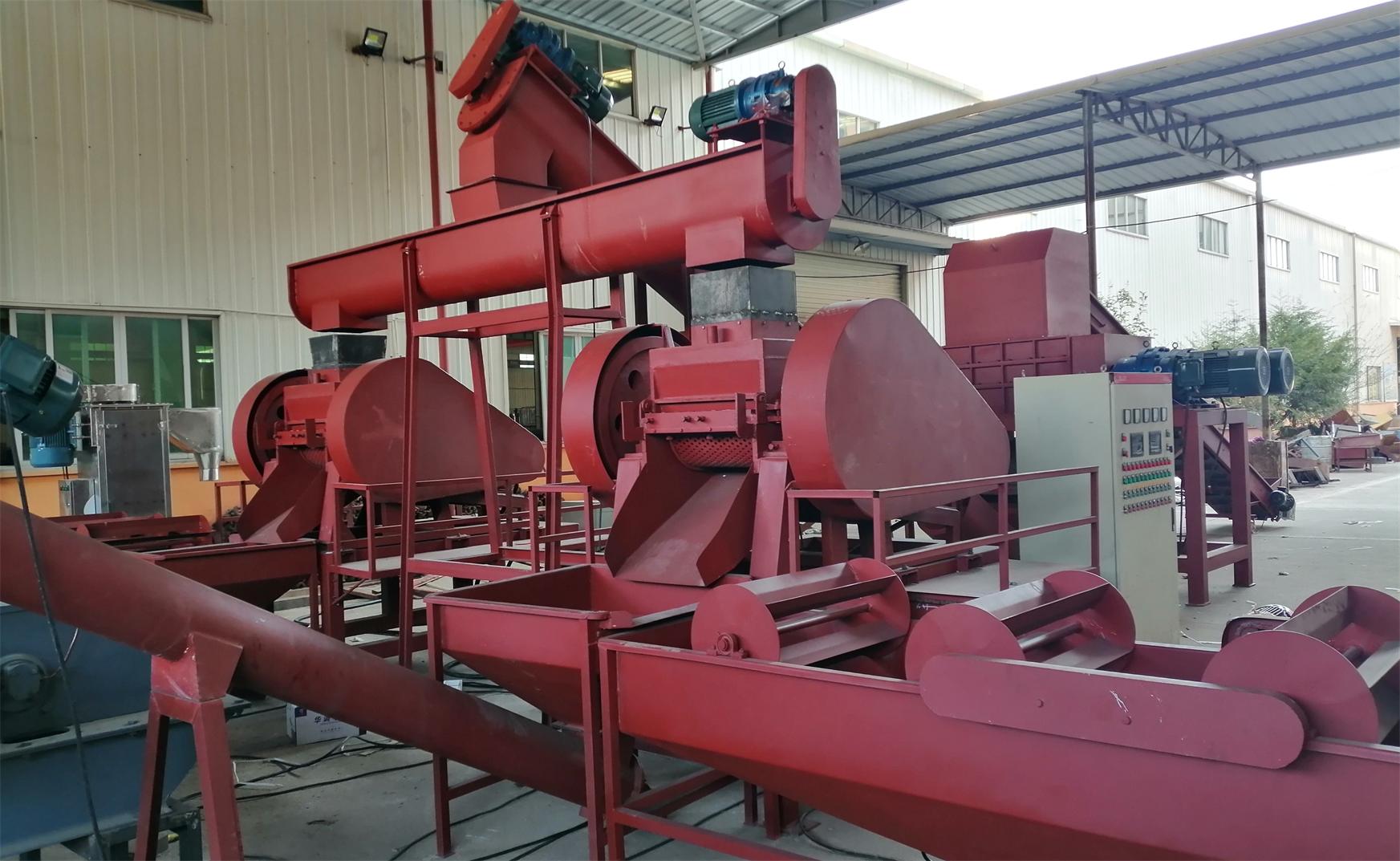
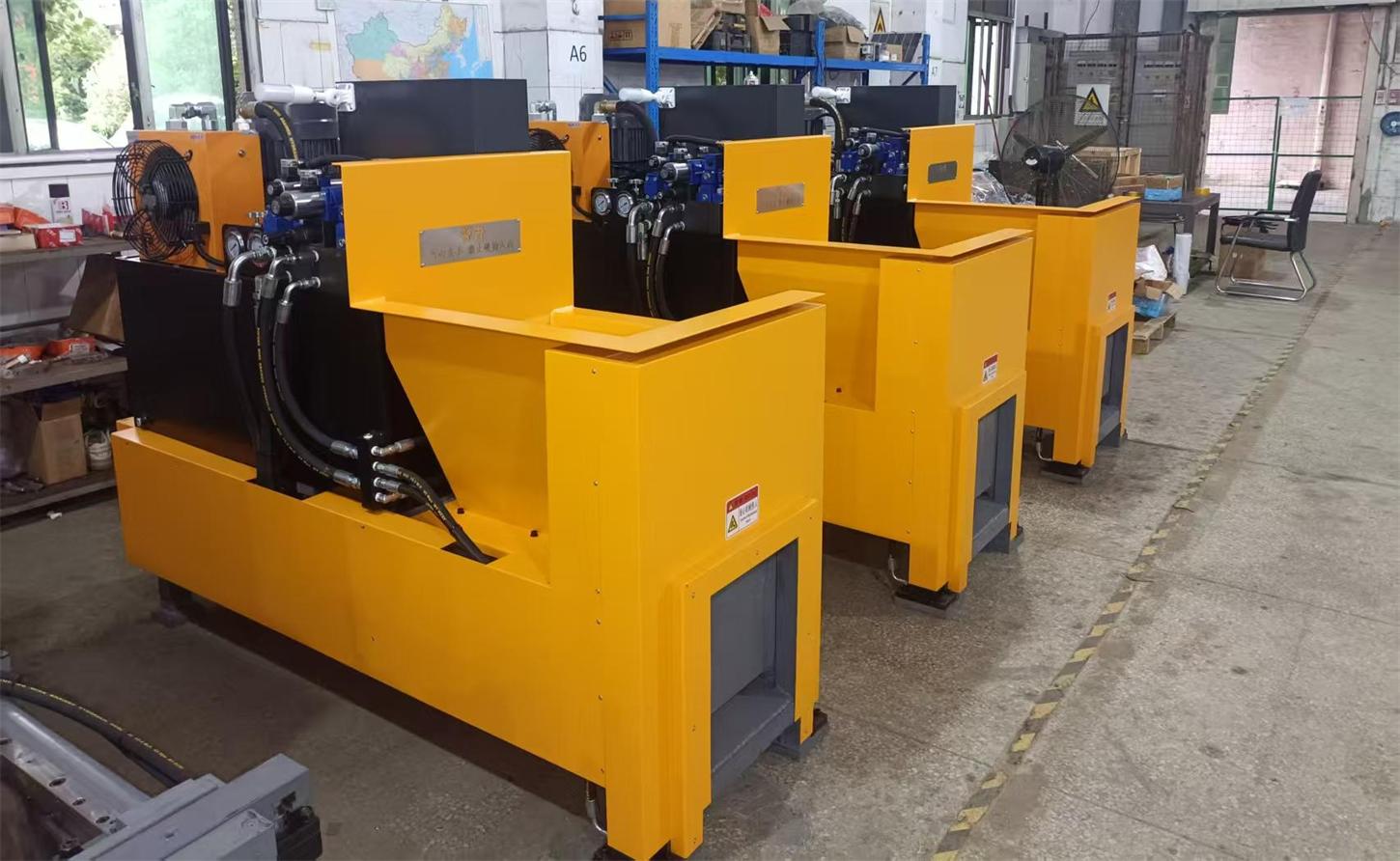
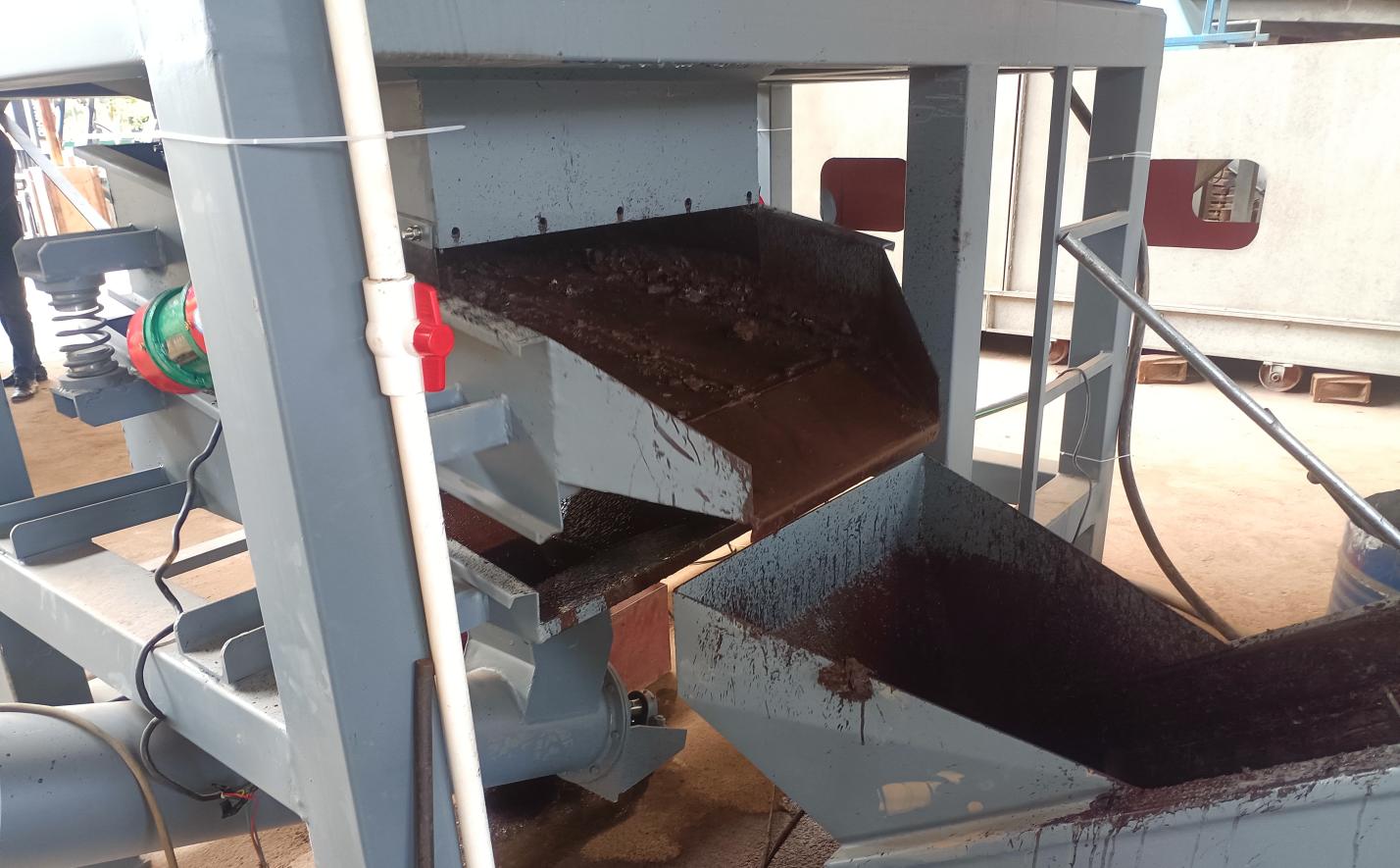
At its core, a modern lithium battery recycling machine takes in waste lithium batteries — from small consumer cells to large EV modules — and mechanically separates them into valuable output streams. The goal is to recover what the industry calls black mass (a powder containing nickel, cobalt, and graphite), along with clean fractions of copper, aluminum, and plastic.
The typical processing workflow in a well-designed plant includes:
- Discharging: Safely neutralizing residual charge in spent batteries before mechanical processing begins.
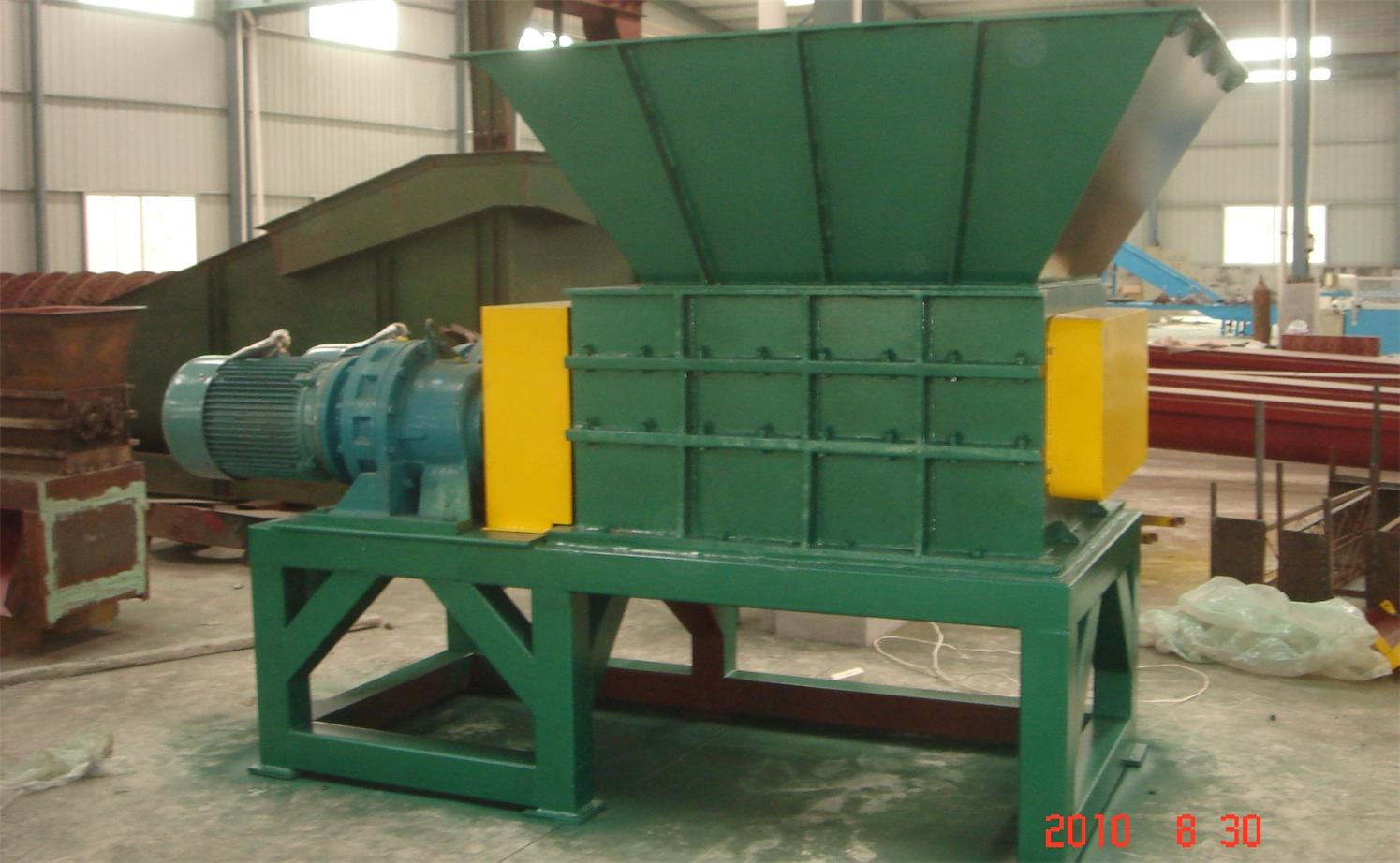
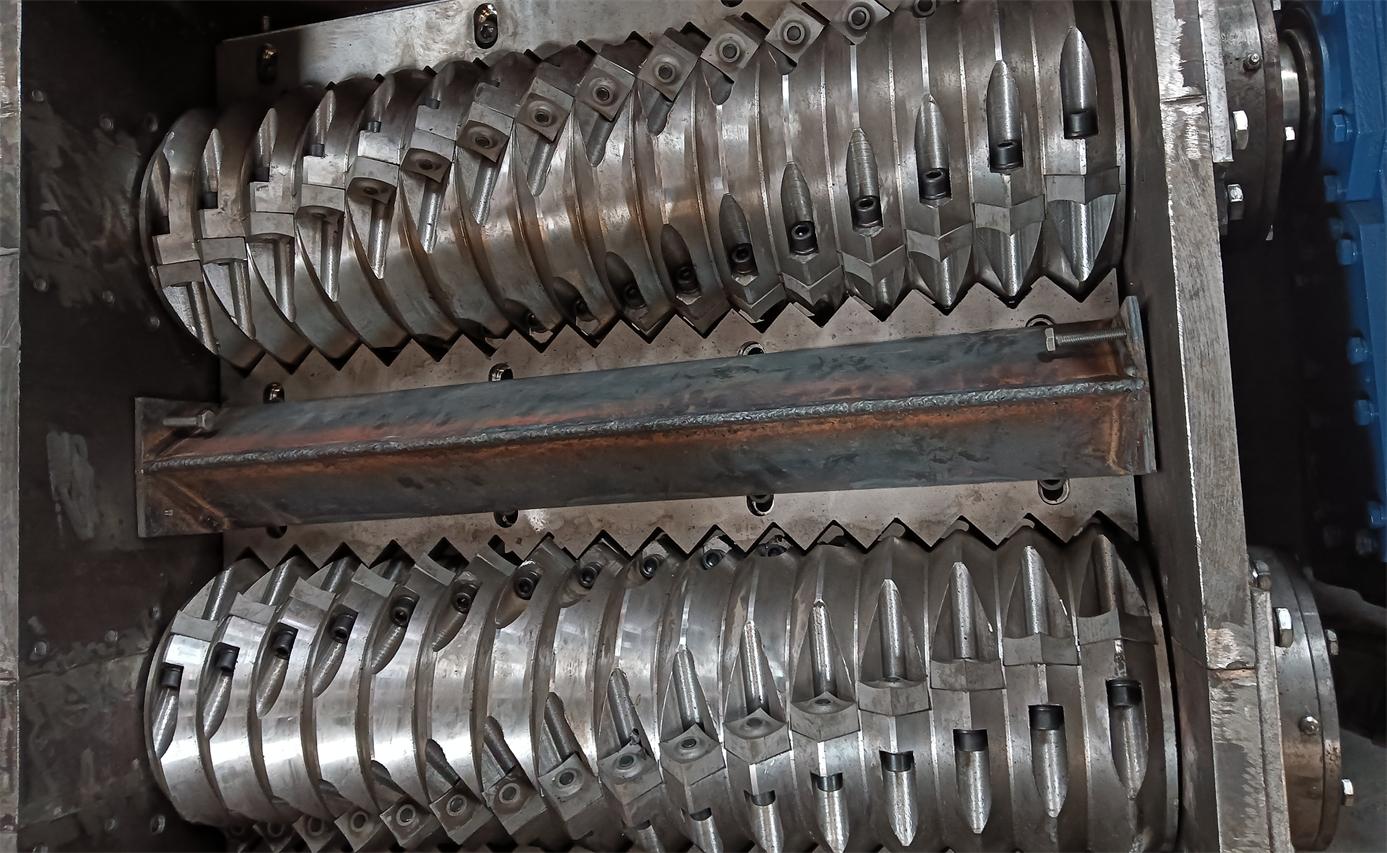
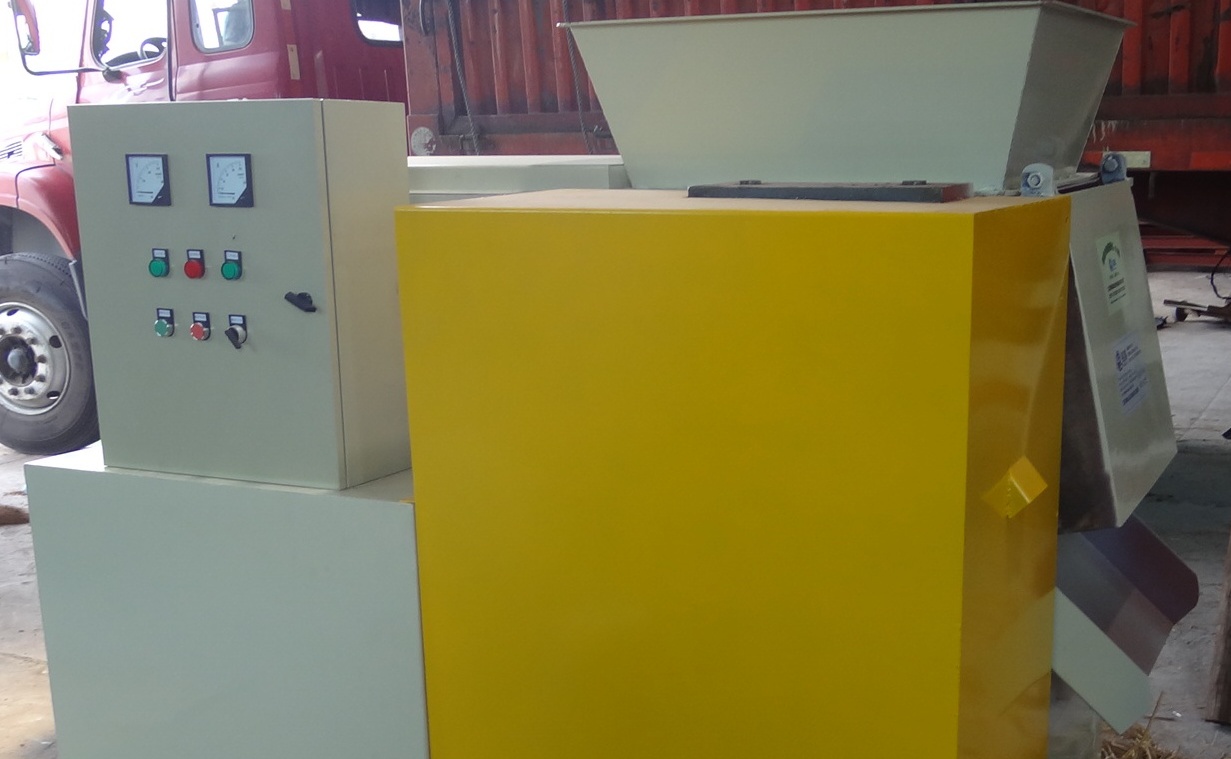
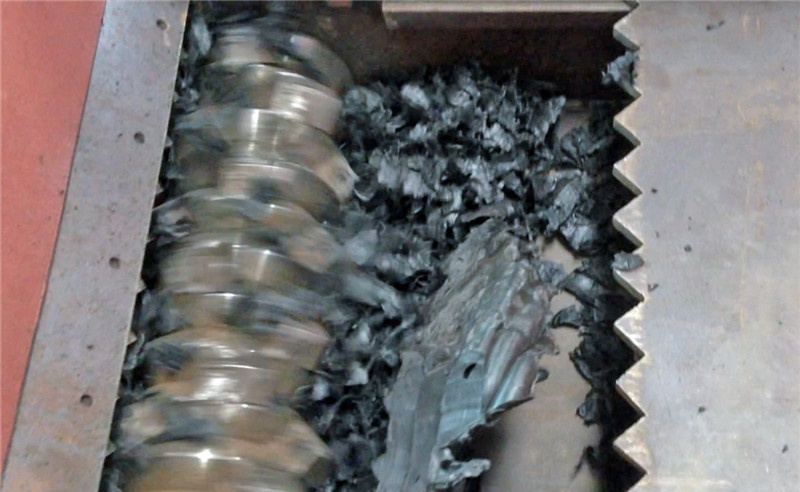
- Pre-crushing: An initial size-reduction step that breaks batteries into manageable fragments without generating excessive heat.
- Secondary granulation: Further grinding to liberate electrode materials from current collectors.
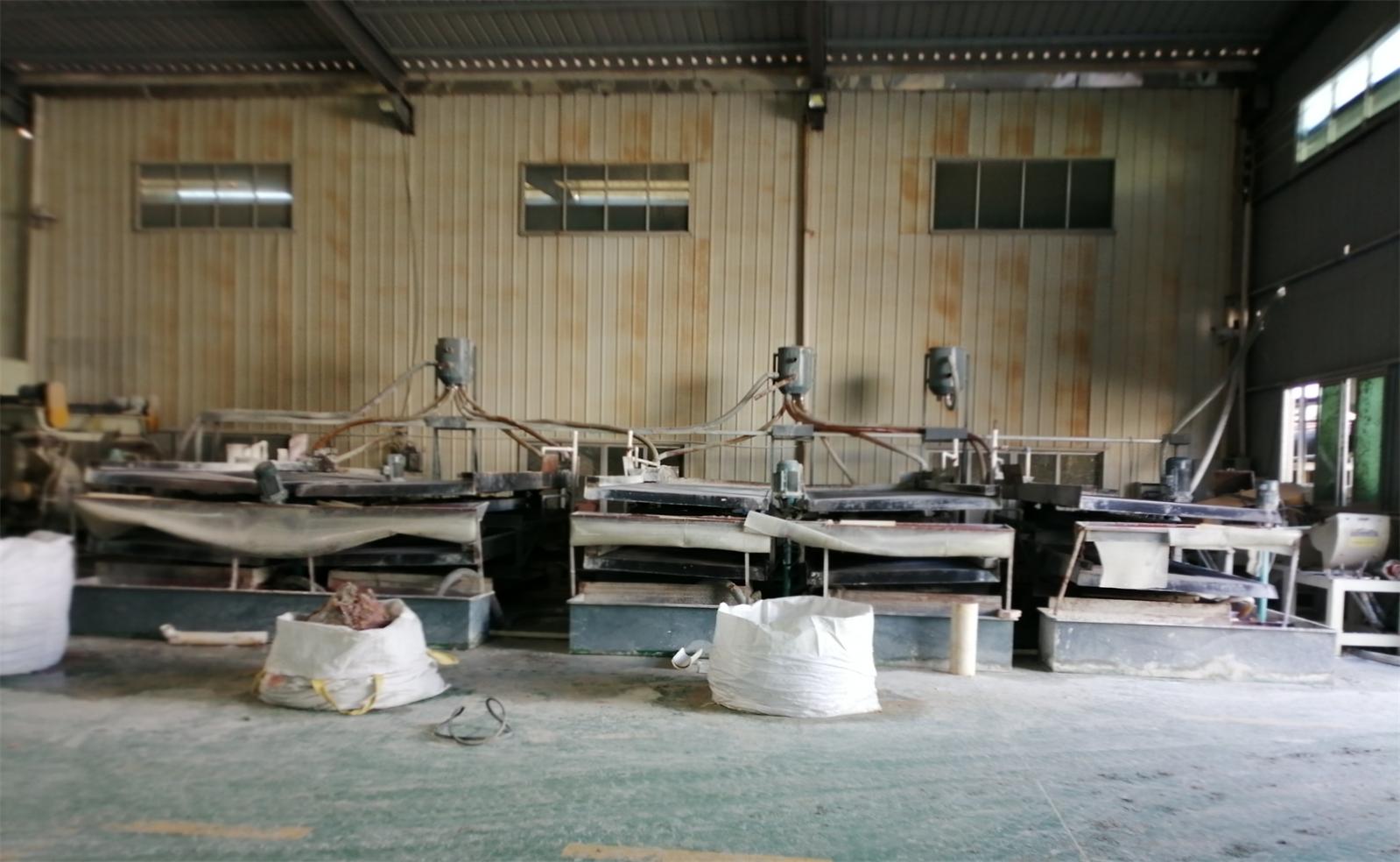
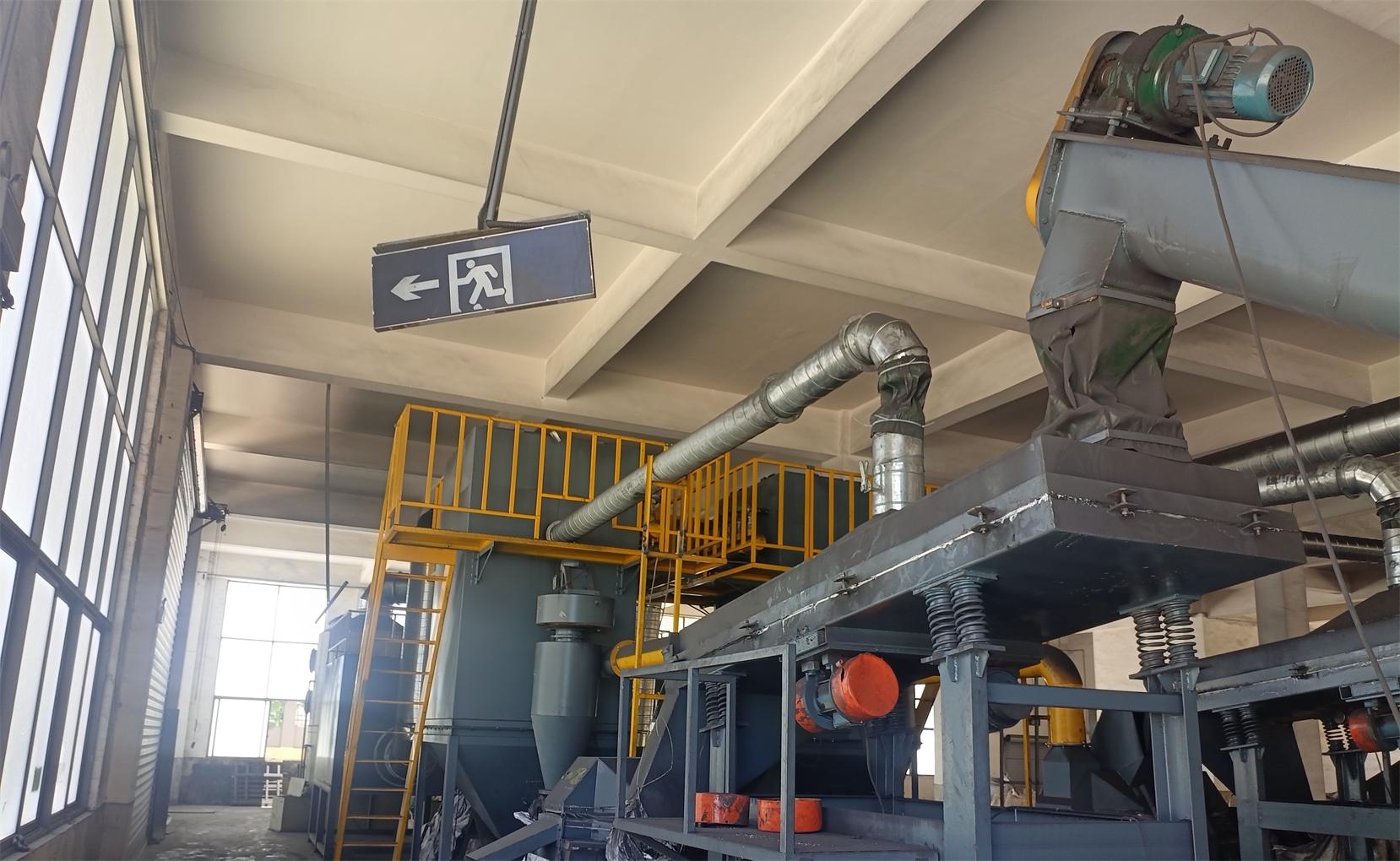
- Black powder separation: Screening and air classification systems that isolate the valuable black mass from coarser metal and plastic fractions.
- Magnetic separation: Removing iron and steel contaminants to ensure the purity of non-ferrous output streams.
- Air pollution control: Integrated gas treatment systems that neutralize harmful emissions before release, meeting stringent environmental standards.
The best plants on the market today can process anywhere from 500 kg to 2,500 kg of batteries per hour, depending on the configuration. Modular designs allow operators to start at a manageable scale and expand capacity as their feedstock volume grows.
Choosing the Right Equipment Supplier
The performance of a recycling plant depends heavily on the quality of its core machinery. When evaluating suppliers, look beyond price alone. A capable partner should offer:
- Proven technical expertise: Engineers with advanced degrees and over a decade of hands-on experience in e-waste recycling machinery.
- Turnkey EPC capability: The ability to handle engineering, procurement, and construction as a complete project — from customized plant design through equipment manufacturing, installation, and commissioning.
- Comprehensive after-sales support: Assistance with sourcing waste materials, connecting buyers for your output (black mass, copper, aluminum), and even identifying investment partners for new recycling ventures.
- Broad product range: A supplier that manufactures complementary equipment — shredders, balers, pollution control systems, and related recycling lines — can deliver a more integrated and cost-effective solution.
San Lan Technologies has been manufacturing recycling machinery since 2007 from its production base in Ganzhou, Jiangxi Province. With customers in over 21 countries — including Singapore, South Africa, India, Mexico, and Saudi Arabia — the company has built a reputation for delivering dependable, custom-engineered plants backed by bilingual technical support in English and Chinese.
Beyond Batteries: Building a Diversified Recycling Operation
While lithium battery recycling represents the fastest-growing opportunity, the broader e-waste landscape offers additional revenue streams that complement a battery-focused operation. Many recycling facilities find that adding a circuit board recycling plant to their site allows them to process printed circuit boards from the same electronics that supply their batteries, extracting copper powder at purities of 96–98%.
Similarly, a cable recycling machine can recover clean copper and aluminum from the wiring harnesses and power cables that accompany EV battery packs. And for operators who also handle conventional automotive scrap, a lead acid battery recycling plant rounds out the portfolio — lead-acid batteries remain ubiquitous in vehicles, UPS systems, and industrial equipment, representing a steady and reliable revenue base.
By diversifying across multiple waste streams — lithium-ion, lead-acid, circuit boards, and cables — a recycling facility can optimize equipment utilization, reduce per-ton processing costs, and protect its business against fluctuations in any single commodity market.
The Window Is Open — But It Will Not Stay Open Forever
Market timing matters. The current combination of rapid EV adoption, tightening regulations, high commodity prices, and still-developing recycling infrastructure creates a rare first-mover advantage. Early entrants who build operational plants today will secure feedstock relationships, establish brand credibility, and climb the learning curve while competitors are still evaluating their options.
The Asia-Pacific region currently leads the global battery recycling industry, and the equipment manufacturers who supply it are seeing order books fill faster than ever. Delaying a plant decision means potentially joining a queue that grows longer each quarter.
Ready to Take the Next Step?
San Lan Technologies offers custom-designed lithium battery recycling plants with processing capacities from 500 to 2,500 kg per hour, plus a full range of complementary e-waste recycling solutions. Whether you are building a greenfield facility or expanding an existing operation, our engineering team can provide a tailored proposal that matches your feedstock, budget, and output goals.
Contact us today to discuss your project:
Contact us today to discuss your project:
✉ Email: curbing888@hotmail.com / info@san-lan.com
☎ WhatsApp: +86 139 2377 4083
💬 WeChat: curbing1970
☎ WhatsApp: +86 139 2377 4083
💬 WeChat: curbing1970