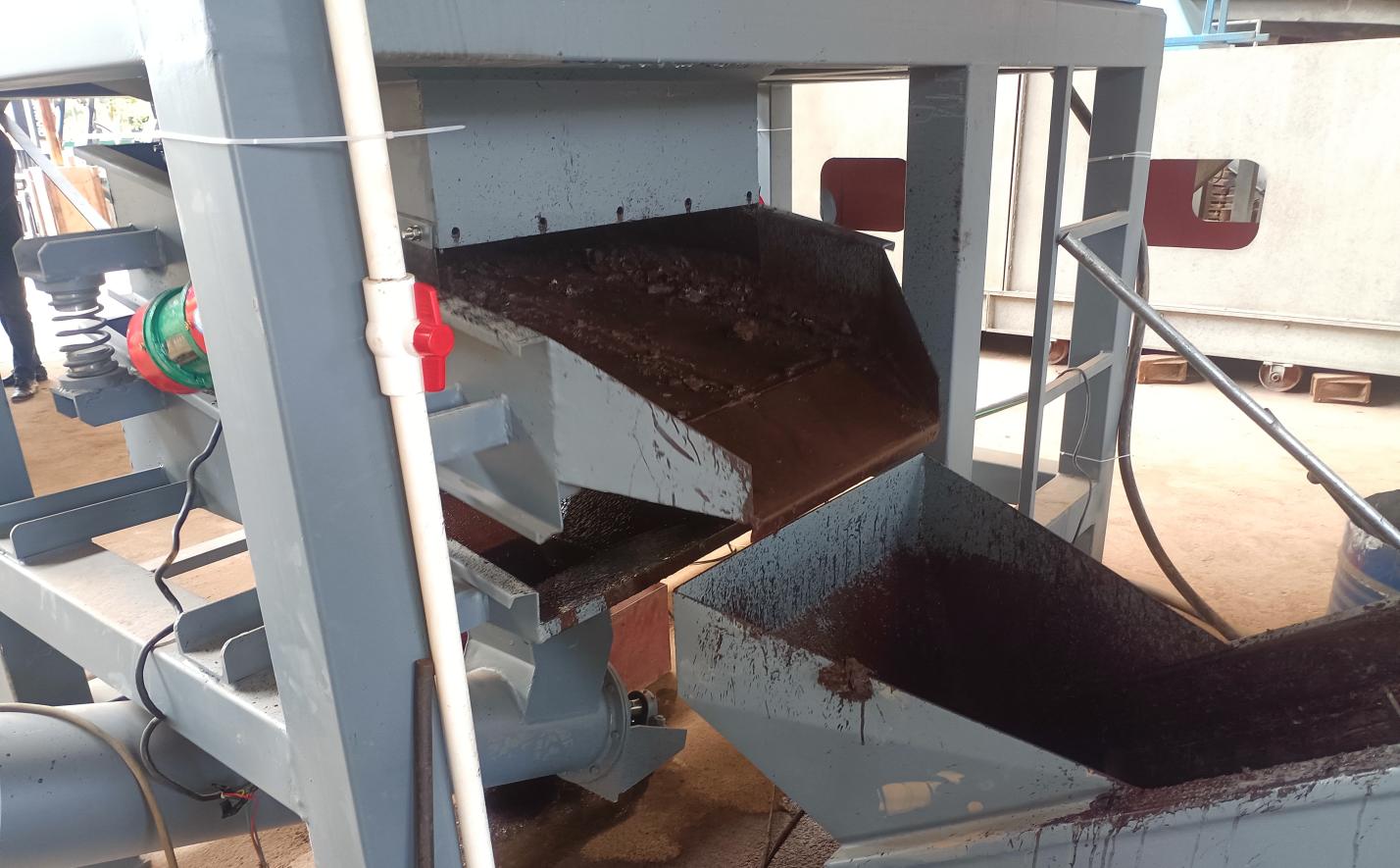
In the bustling world of industrial operations, where every minute of downtime can translate to lost revenue and missed deadlines, there's a piece of equipment that quietly works behind the scenes to keep things running smoothly: the filter press. If you're in manufacturing, mining, chemical processing, or wastewater treatment, you already know—this isn't just another machine. As a cornerstone of water process equipment, the filter press plays a critical role in separating solids from liquids, ensuring that everything from industrial effluent to process water meets quality standards. But here's the thing: like any hardworking tool, it needs care. And that's where service contracts come in. Let's dive into why so many plants are choosing to secure service contracts for their filter press equipment, and why it might just be the smartest decision your operation makes this year.
First, Let's Talk About What a Filter Press Actually Does
Before we get into the "why" of service contracts, let's make sure we're all on the same page about the "what." A filter press is a workhorse of water process equipment. Picture this: in a wastewater treatment plant, after raw sewage or industrial runoff goes through initial treatment, there's still a slurry of solids and liquids left. The filter press steps in, using pressure to squeeze that slurry through a series of filter plates, leaving behind dry cake (the solids) and clean, reusable water. It's the same story in mining—separating valuable minerals from ore slurry—or in chemical plants, where it helps recover byproducts or purify process fluids.
But here's the kicker: if your filter press isn't working properly, the whole line slows down. Clogged filter cloths, leaky hydraulic systems, or misaligned plates can turn a 1-hour filtration cycle into a 3-hour headache. And when the filter press fails, so does your ability to handle effluent—putting you at risk of non-compliance with environmental regulations, not to mention the hassle of dealing with backed-up processes. That's where effluent treatment machine equipment and even air pollution control system equipment can get dragged into the mix; if your water process is off, other systems have to compensate, increasing strain across the board.
The Hidden Costs of "Going It Alone" on Maintenance
You might be thinking, "We've got a maintenance team—why pay extra for a service contract?" It's a fair question. But let's break down the reality of maintaining filter press equipment without a dedicated service agreement. Most in-house teams are stretched thin, juggling multiple machines, repairs, and preventive tasks across the plant. When the filter press acts up, it might not be their top priority—until it breaks down completely.
Consider the costs of reactive maintenance: a sudden hydraulic failure could take your filter press offline for 24 hours. If your plant processes 10,000 gallons of wastewater per hour, that's 240,000 gallons sitting idle, potentially leading to overflow issues or the need to reroute to backup systems (which are rarely as efficient). Then there's the cost of parts: ordering a replacement filter plate or hydraulic cylinder on short notice often means paying rush fees. And if your team isn't specialized in filter presses, there's the risk of misdiagnosis—fixing the symptom instead of the root cause, leading to repeated breakdowns.
Worst of all? Non-compliance. If your effluent treatment takes a hit because the filter press is down, you could face fines from environmental agencies. And when regulators come knocking, they're not just checking your effluent treatment machine equipment—they're looking at the entire ecosystem, including air pollution control system equipment. A single violation can cost tens of thousands of dollars, not to mention the damage to your company's reputation.
Why Service Contracts Are More Than Just "Insurance"
So, if reactive maintenance is a minefield, what makes service contracts the better option? Let's break it down into four key reasons that go beyond just "having someone to call when things break."
1. Predictable Costs, No Surprises
One of the biggest advantages of a service contract is budget predictability. Instead of facing unexpected $5,000 repair bills when a hydraulic pump fails, you pay a fixed monthly or annual fee. This lets you plan your maintenance budget with confidence, avoiding those "emergency funds" that always seem to get diverted to other projects. Most contracts also include routine inspections and preventive maintenance, so small issues are caught early—before they balloon into big-ticket problems.
2. Access to Specialized Expertise (When You Need It)
Filter press manufacturers and dedicated service providers eat, sleep, and breathe this equipment. They know the quirks of different models, the best replacement parts (not cheap knockoffs), and the latest maintenance techniques. When your in-house team hits a wall—say, a persistent leak they can't trace—a service contract gives you direct access to technicians who've seen it all. It's like having a filter press specialist on speed dial, without the cost of hiring one full-time.
3. Proactive Maintenance = Less Downtime
Here's a stat that might surprise you: according to industry data, plants with preventive maintenance contracts experience up to 35% less downtime than those relying on reactive repairs. Why? Because service contracts aren't just about fixing problems—they're about preventing them. A good contract will include regular check-ins: inspecting filter cloths for wear, testing hydraulic pressure, lubricating moving parts, and calibrating controls. It's the difference between changing the oil in your car every 5,000 miles versus waiting for the engine to seize.
4. Compliance Peace of Mind
In today's regulatory landscape, compliance isn't optional—it's survival. Environmental agencies like the EPA (or your local equivalent) have strict standards for effluent discharge, and your filter press is on the front lines of meeting those standards. Service contracts often include compliance checks as part of their package: verifying that your filter press is operating at peak efficiency, ensuring that solids are properly separated, and documenting performance for audits. This isn't just about avoiding fines; it's about building a reputation as a responsible operator—something that matters more than ever to customers, investors, and the community.
What's Actually in a Filter Press Service Contract?
Not all service contracts are created equal, so it's important to know what to look for. A solid contract should be tailored to your plant's needs, but here are some common elements you'll see:
- Routine Inspections: Monthly or quarterly visits to check filter plates, cloths, hydraulics, and electrical systems.
- Preventive Maintenance: Replacing wear parts (like filter cloths or gaskets) before they fail, lubricating components, and calibrating pressure settings.
- Emergency Support: Guaranteed response times (think 24-hour or 48-hour windows) for breakdowns.
- Access to Genuine Parts: Service providers often have direct relationships with manufacturers, meaning you get OEM parts at a better price than retail.
- Performance Reporting: Detailed logs of maintenance activities, efficiency metrics, and recommendations for upgrades or optimizations.
Service Contracts vs. No Contracts: A Quick Comparison
Still on the fence? Let's put this in black and white. The table below compares two hypothetical scenarios: a mid-sized manufacturing plant with a service contract for their filter press, and one without.
| Metric | With Service Contract | Without Service Contract |
|---|---|---|
| Average Annual Downtime | 40 hours (planned maintenance + minor issues) | 120 hours (unplanned breakdowns + reactive repairs) |
| Annual Maintenance Costs | $15,000 (fixed contract fee + minor parts) | $22,000 (emergency repairs + rush parts + overtime) |
| Compliance Violations | 0 (regular audits and performance checks) | 1-2 minor violations (due to inconsistent filtration efficiency) |
| Equipment Lifespan | 10-12 years (proper maintenance) | 6-8 years (premature wear and tear) |
The numbers speak for themselves: the plant with the service contract saves nearly $7,000 annually, experiences 80 fewer hours of downtime, avoids compliance headaches, and gets an extra 4+ years out of their filter press. That's not just a cost-saving measure—that's an investment in your plant's long-term success.
Choosing the Right Service Provider
Okay, so you're convinced a service contract is worth it—now what? Choosing the right provider is key. Here are a few tips to narrow down your options:
Look for specialization: Not all industrial service companies know filter presses inside out. Seek out providers who specialize in water process equipment or effluent treatment machine equipment—they'll have the expertise to handle your specific model.
Ask about response times: In an emergency, every hour counts. Make sure the contract specifies a maximum response time (24 hours is standard for critical equipment).
Check references: Talk to other plants in your industry. Did the provider deliver on their promises? Were breakdowns resolved quickly? Did they offer proactive advice?
Read the fine print: Some contracts exclude "wear and tear" parts or charge extra for emergency calls. Make sure you understand what's included (and what's not) before signing.
Final Thoughts: It's About More Than the Machine
At the end of the day, a service contract for your filter press equipment isn't just about maintaining a machine—it's about maintaining peace of mind. It's knowing that the workhorse of your water process equipment is in good hands, that your effluent treatment will stay compliant, and that your plant can keep running smoothly, even when the unexpected happens.
Think of it this way: you wouldn't buy a luxury car and skip the maintenance plan, right? Your filter press is no different. It's a critical asset, and protecting it with a service contract is one of the smartest ways to ensure your plant stays efficient, compliant, and profitable for years to come. So the next time you walk past that filter press, give it a nod—with a service contract, it'll be nodding back, ready to keep working hard for you.