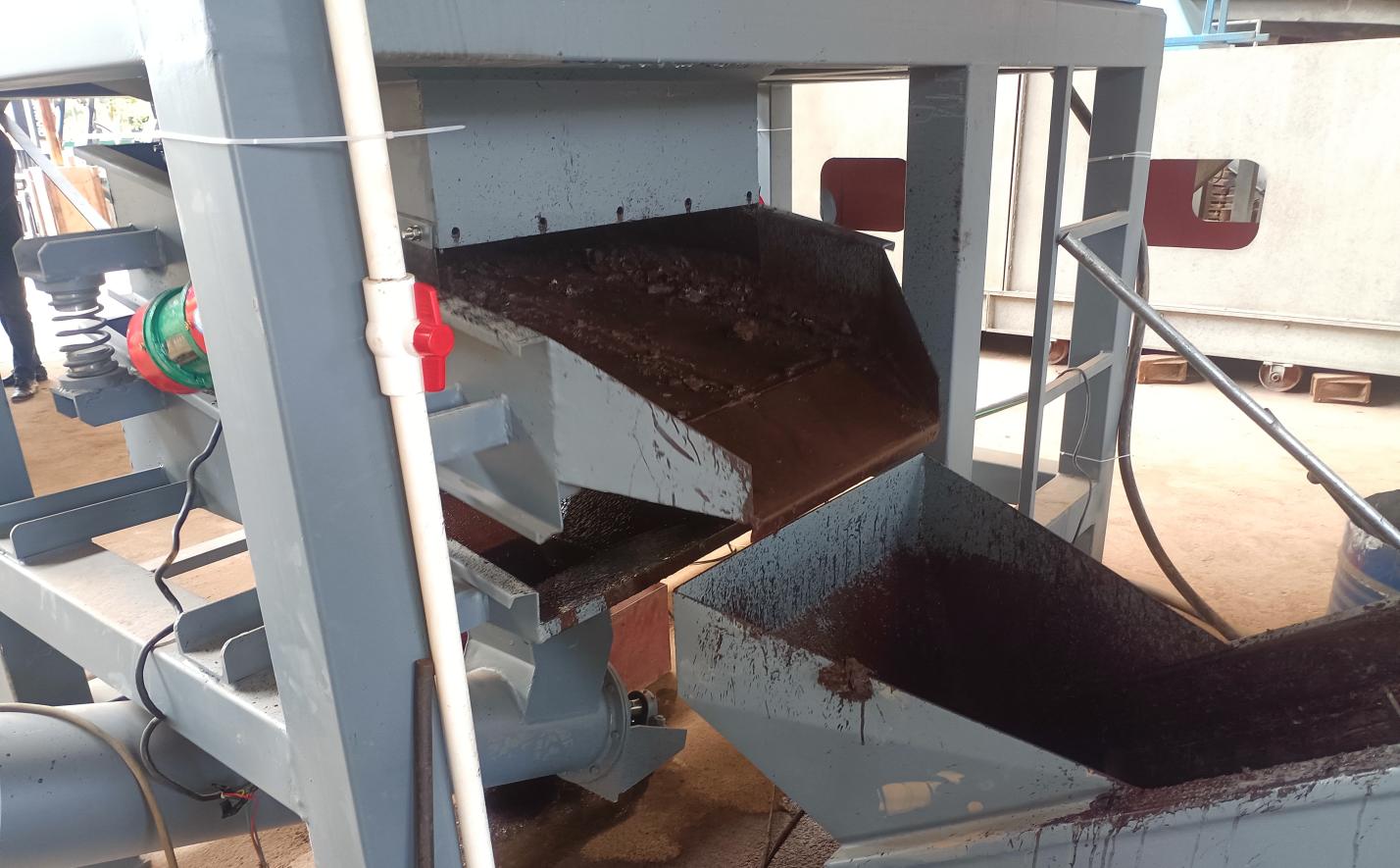
It's 3:15 PM on a Wednesday, and Maria, the operations manager at GreenCycle Recycling, is staring at her computer screen with a furrowed brow. The production dashboard shows a red alert: the plastic pneumatic conveying system has slowed to a crawl. Just an hour earlier, it was moving 500kg of shredded plastic pellets per hour; now, it's barely hitting 200kg. The line downstream is starting to back up, and the afternoon shift is already behind on its daily target. "Not again," she mutters, grabbing her walkie-talkie. "I need maintenance in Sector C—conveying line 3 is acting up."
For Maria and thousands of facility managers like her, unplanned downtime in critical equipment like the plastic pneumatic conveying system isn't just an inconvenience—it's a bottom-line killer. Repairs take time, missed deadlines frustrate clients, and overtime pay for repairs adds up. But what if there was a way to see these issues coming before they ever disrupted the line? That's where predictive monitoring comes in. More than just a buzzword, it's a game-changer for keeping systems like plastic pneumatic conveyors—and the equipment they rely on, from filter presses to air pollution control systems—running smoothly, day in and day out.
The Hidden Cost of "Fixing It When It Breaks"
Let's start with the obvious: reactive maintenance—waiting for a machine to fail before fixing it—costs far more than most businesses realize. For plastic pneumatic conveying systems, which are the circulatory system of many recycling and manufacturing facilities, a single breakdown can trigger a domino effect. A blocked pipe might seem minor, but if it halts the flow of plastic pellets, the shredders upstream can't offload material, the granulators downstream run dry, and suddenly, an entire shift's output is in jeopardy.
Then there are the indirect costs. Maria's team once spent 12 hours replacing a worn blower motor in their conveying system. The direct cost of the motor and labor was $3,500—but the lost production? That was $15,000 in missed client orders. Add in the overtime for the night shift to catch up, and the total tab hit $22,000. "We used to think of breakdowns as 'just part of the job,'" she recalls. "But after that incident, I started asking: What if we could have seen this coming?"
That's the problem with reactive maintenance: it treats symptoms, not causes. A blower motor doesn't fail overnight. It starts with subtle vibrations, a slight increase in temperature, or a drop in airflow efficiency—signals that are invisible to the naked eye but measurable with the right tools. Predictive monitoring turns those signals into actionable insights, letting teams address issues before they escalate into crises.
What Is Predictive Monitoring, Anyway?
At its core, predictive monitoring is like having a team of expert diagnosticians watching your equipment 24/7—without the need for them to be physically present. It uses sensors, data analytics, and machine learning to track the "vital signs" of your machinery, creating a baseline of normal performance. When something deviates from that baseline—say, a bearing in your plastic pneumatic conveying system starts vibrating more than usual or a filter press shows a sudden pressure spike—the system sends an alert. This gives your maintenance team time to schedule repairs during planned downtime, not in the middle of a busy shift.
For plastic pneumatic conveying systems, which rely on precise airflow, pressure, and mechanical movement to transport materials, these "vital signs" are critical. Imagine a system that moves lightweight plastic flakes from a shredder to a processing unit. If the blower's airflow drops by 5%, it might still work—but over time, that inefficiency forces the motor to work harder, increasing wear and tear. Left unchecked, it could lead to overheating or a complete shutdown. Predictive monitoring spots that 5% drop early, letting you adjust the system or replace a worn part before it fails.
Key "Vital Signs" for Plastic Pneumatic Conveying Systems:
- Airflow and pressure: Fluctuations can indicate blockages, leaks, or blower inefficiency.
- Motor temperature and vibration: Spikes may signal bearing wear or misalignment.
- Filter press performance: Pressure differentials across filters reveal clogging or media degradation.
- Power consumption: Unexplained increases suggest the system is working harder than it should.
Why Reliability Matters for Plastic Pneumatic Conveying Systems
You might be thinking: "My facility has multiple systems—why focus so much on the plastic pneumatic conveyor?" The answer is simple: it's often the linchpin of your operation. Unlike standalone machines, a conveying system connects multiple stages of production. If it fails, everything upstream and downstream grinds to a halt. For recycling facilities that handle high volumes of plastic waste, this isn't just about missed deadlines—it's about keeping up with regulatory demands, meeting client commitments, and maintaining profitability.
Take, for example, a facility that processes post-consumer plastic bottles into pellets for reuse. The plastic pneumatic conveying system moves shredded bottle flakes from the shredder to a washer, then to a dryer, and finally to a granulator. If the system breaks down between the washer and dryer, wet flakes pile up, risking mold growth and quality issues. If it fails after the granulator, finished pellets can't reach packaging, leading to stockouts for clients. In both cases, reliability isn't just a nice-to-have—it's essential for staying competitive.
Then there's the human factor. When systems fail unexpectedly, maintenance teams are pulled away from planned tasks, repairs are made, and corners might be cut to get back online. This increases the risk of mistakes, which can lead to more frequent breakdowns. Predictive monitoring reduces that stress by turning chaos into calm, letting teams work proactively instead of fire-fighting. "Our maintenance guys used to dread Monday mornings because they never knew what would break over the weekend," Maria says. "Now, they come in with a clear list of priorities—no surprises."
How Predictive Monitoring Protects Your Most Critical Equipment
Let's dive deeper into how predictive monitoring integrates with the specific equipment that keeps your plastic pneumatic conveying system running. It's not just about the conveyor itself—it's about the ecosystem of machinery that supports it, from filter presses to air pollution control systems.
1. Plastic Pneumatic Conveying System Equipment: The Heart of the Operation
The conveying system itself is where predictive monitoring shines brightest. Sensors placed along the conveying line track airflow velocity, pressure drops, and temperature. For example, a sudden pressure spike in a horizontal section of pipe might indicate a partial blockage—something that could be cleared with a quick maintenance check instead of a full shutdown. Similarly, vibration sensors on blowers and motors can detect early signs of bearing failure, a common culprit in conveying system breakdowns.
"We had a situation last year where the system alerted us to unusual vibration in a blower motor," says Raj, a maintenance technician at GreenCycle. "The vibration was so slight, I couldn't feel it when I touched the motor—but the sensor picked it up. We scheduled a repair during our weekend shutdown, replaced the bearing, and the motor is still running perfectly. If we'd waited, it would have seized mid-shift, and we'd have lost two days of production."
2. Filter Press Equipment: Keeping Your System Clean and Efficient
Many plastic pneumatic conveying systems use filter presses to separate dust and particulates from the air, preventing them from recirculating or escaping into the environment. Over time, filter media clogs, reducing airflow and increasing the load on blowers. In a reactive setup, you might not notice the clog until the system slows down or the filters rupture. With predictive monitoring, pressure sensors track the differential across the filter press. A gradual increase in pressure signals that the filters need cleaning or replacement—giving you time to do it during a lull, not in the middle of peak production.
3. Air Pollution Control System Equipment: Staying Compliant, Stress-Free
For recycling facilities, air pollution control systems aren't just optional—they're legally required. These systems, which include scrubbers, dust collectors, and fans, ensure that emissions stay within regulatory limits. But like any equipment, they can fail. A fan motor burnout or a scrubber pump malfunction could lead to emissions spikes, risking fines or even facility shutdowns.
Predictive monitoring adds an extra layer of protection here. Sensors track fan speed, scrubber pH levels, and particulate emissions in real time. If the fan starts to slow down, the system alerts you, letting you replace the motor before emissions exceed limits. Similarly, a drop in scrubber pH could indicate a chemical imbalance—something that can be fixed with a quick adjustment, not a costly violation.
"Last winter, our air pollution control system's main fan started showing increased vibration," Maria remembers. "The alert came in at 9 AM. We had a replacement motor delivered by noon, installed it by 2 PM, and never missed a beat. The regulatory inspector visited the next day, and everything was in compliance. Without that alert, we might have had a fan failure during the inspection—something that could have cost us $10,000 in fines. Predictive monitoring didn't just save us money; it saved us from a huge headache."
4. Auxiliary Equipment: The Unsung Heroes
No system works in isolation, and plastic pneumatic conveying systems rely on a host of auxiliary equipment—valves, dampers, feeders, and sensors—to function smoothly. These "small" components are easy to overlook, but their failure can bring the entire system to a halt. A stuck valve, for example, can block material flow, while a faulty feeder sensor might cause overloading or underloading of the conveying line.
Predictive monitoring extends to these auxiliary components, too. Proximity sensors on valves track their opening and closing times, flagging slow or erratic movement. Load cells on feeders monitor material flow rates, alerting you to blockages or calibration issues. By watching these "unsung heroes," predictive monitoring ensures that the entire system—from the main blower to the smallest valve—works in harmony.
The ROI of Predictive Monitoring: More Than Just Savings
When Maria first proposed investing in predictive monitoring, her CFO was skeptical. "How do we know this isn't just another expensive tech toy?" he asked. To answer that, they crunched the numbers: the cost of the system, installation, and training versus the savings from reduced downtime, lower repair costs, and extended equipment life. The result? A projected ROI of 150% within the first year.
"We're now in year two, and the numbers speak for themselves," Maria says. "Unplanned downtime for our plastic pneumatic conveying system has dropped by 70%. Repair costs are down 40%, and we've extended the lifespan of our blower motors from 3 years to an estimated 5 years. The CFO now calls predictive monitoring 'one of the best investments we've ever made.'"
But the benefits go beyond dollars and cents. There's the peace of mind that comes with knowing your systems are reliable. The reduced stress for maintenance teams, who no longer live in fear of midnight breakdown calls. The ability to take on more clients because you can guarantee consistent production. "We used to turn down rush orders because we couldn't risk the extra pressure on our equipment," Maria explains. "Now, with predictive monitoring, we know our system can handle the load. We've increased our client base by 20% in the last year alone."
Real-World Impact: From Frustration to Confidence
Let's circle back to Maria and her team at GreenCycle. Before predictive monitoring, their plastic pneumatic conveying system was a source of constant stress. Today, it's a model of reliability. "Last month, we hit our production target 28 out of 30 days," she says with a smile. "That's unheard of for us. Our operators used to cross their fingers every time they started the system; now, they trust it to perform."
It's a story repeated at facilities across the country. Take, for example, a mid-sized recycling plant in Ohio that implemented predictive monitoring on their plastic pneumatic conveying system and saw unplanned downtime drop from 120 hours per year to just 35. Or a manufacturer in Texas that reduced filter press replacement costs by 35% while improving air quality compliance scores. These aren't isolated cases—they're proof that predictive monitoring transforms how facilities operate.
The Future of Reliability Is Predictive
In a world where efficiency, sustainability, and profitability are more important than ever, relying on reactive maintenance is no longer an option. Plastic pneumatic conveying systems, filter presses, air pollution control systems—these are the workhorses of your facility. They deserve to be cared for proactively, not just repaired when they break.
Predictive monitoring isn't about replacing human expertise—it's about empowering it. It gives your maintenance team the data they need to make smarter decisions, your operators the confidence to run systems at peak efficiency, and your leadership the peace of mind to focus on growth, not crises.
So, what's stopping you? If you're tired of unexpected breakdowns, frustrated by rising repair costs, or worried about meeting regulatory compliance, it's time to explore predictive monitoring. Your plastic pneumatic conveying system—and your bottom line—will thank you.
As Maria puts it: "Reliability isn't a luxury. It's the foundation of everything we do. Predictive monitoring didn't just fix our conveying system—it transformed our entire operation. And that's a change we'll never go back from."