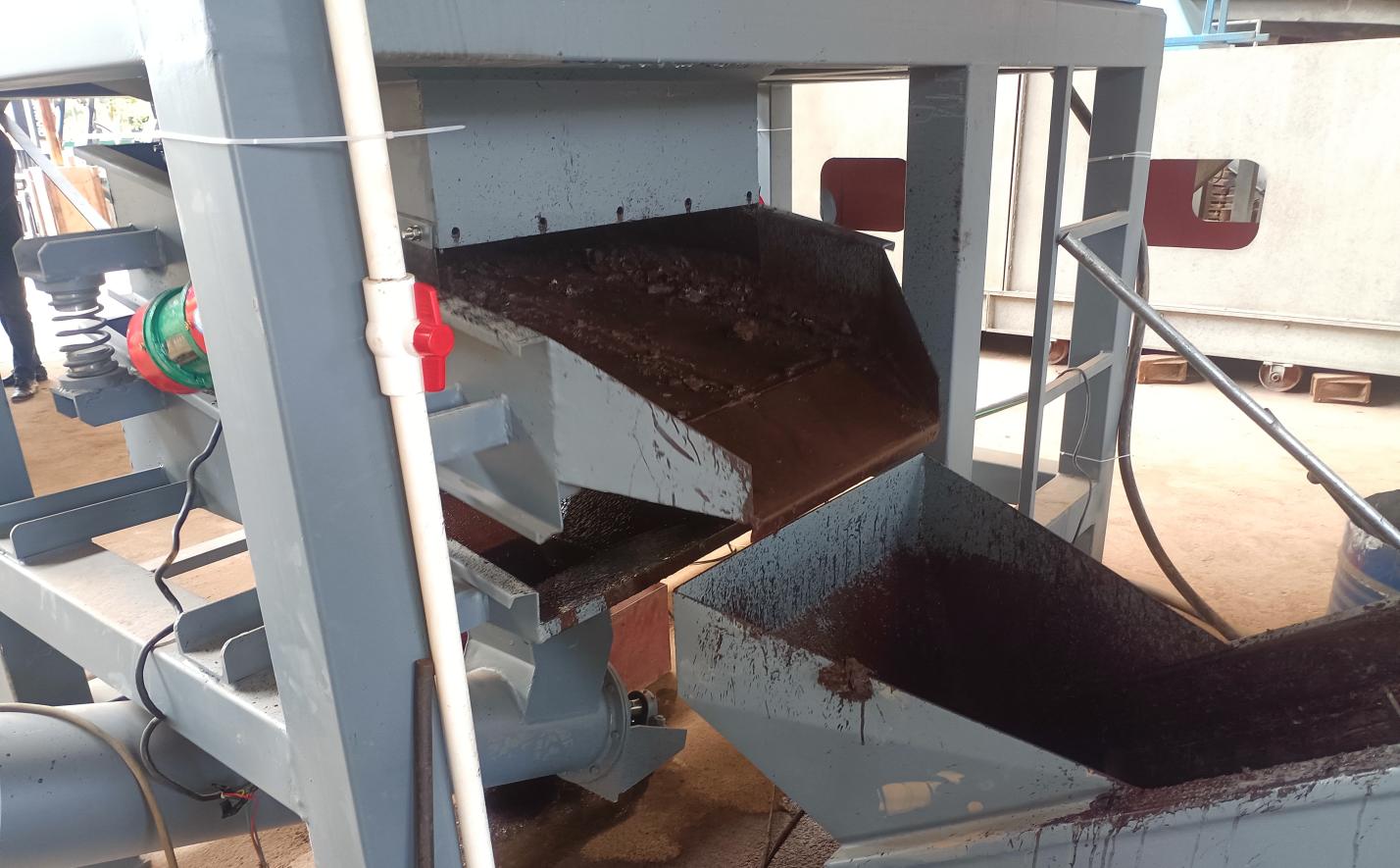
Lead-acid batteries power everything from cars and trucks to backup generators and industrial machinery. When they reach the end of their life, recycling them isn't just environmentally responsible—it's often legally required. But here's the thing: running a lead-acid battery recycling plant isn't easy. The equipment works nonstop, processing heavy, corrosive materials, and even a single hour of downtime can cost tens of thousands of dollars in lost production, missed deadlines, and potential compliance fines. That's where redundancy comes in.
Redundancy, in the context of recycling equipment, is like having a backup plan for your backup plan. It's the intentional design of systems and components to keep operations running even when parts fail. And when it comes to something as critical as a lead acid battery breaking and separation system—the heart of any lead-acid recycling plant—redundancy isn't a luxury. It's the difference between a smooth, profitable operation and a logistical nightmare.
In this article, we'll dive into why redundancy matters so much in lead-acid battery recycling, the types of redundancy that make the biggest impact, and how investing in it can save you from the stress and cost of unexpected downtime. Whether you're a plant manager, an operations director, or someone considering entering the recycling industry, understanding this could be the key to keeping your facility running—and your bottom line healthy.
The High Stakes of Downtime in Lead-Acid Battery Recycling
Before we talk about redundancy, let's get real about what downtime actually costs. Lead-acid battery recycling plants operate on tight schedules. Raw materials—used batteries—come in by the truckload, and finished products like lead paste, plastic, and acid need to be processed and shipped out to refineries or manufacturers. When the line stops, everything grinds to a halt.
| Downtime Duration | Estimated Lost Production (kg) | Potential Revenue Loss (USD)* | Compliance Risk | Operational Impact |
|---|---|---|---|---|
| 1 hour | 500–2,000 kg | $2,500–$10,000 | Low (temporary pause) | Minor delays, overtime for staff |
| 8 hours (1 shift) | 4,000–16,000 kg | $20,000–$80,000 | Medium (missed daily targets) | Backlogged orders, strained supplier relationships |
| 24 hours (1 day) | 12,000–48,000 kg | $60,000–$240,000 | High (risk of emissions spikes if APCS fails) | Storage overflow, potential regulatory scrutiny |
| 7 days (1 week) | 84,000–336,000 kg | $420,000–$1.68M | Severe (fines for non-compliance, reputation damage) | Contract penalties, loss of client trust |
*Estimates based on average lead prices ($2/kg) and typical plant capacities (500–2,000 kg/hour for a mid-sized facility).
But the costs go beyond dollars and cents. Lead-acid battery recycling is heavily regulated. Plants must meet strict standards for air and water pollution control, and any interruption in systems like air pollution control system equipment could lead to emissions exceeding legal limits. That means fines, inspections, and even temporary shutdowns by environmental agencies.
A mid-sized recycling plant in the Midwest once faced a crisis when a sensor in their lead acid battery breaking and separation system failed. The sensor was supposed to detect jams in the crushing unit, but when it stopped working, the system automatically shut down to prevent damage. The plant didn't have a backup sensor, and the manufacturer was out of stock—so they waited 36 hours for a replacement. In that time, they lost 72,000 kg of production, missed a shipment to a major refinery, and had to pay overtime to catch up. The total cost? Over $50,000—all because of a tiny, inexpensive part.
Downtime also takes a toll on your team. When the line is down, workers are either idling (costing you wages with no output) or scrambling to fix the problem, leading to burnout. And if downtime happens frequently, morale plummets. No one wants to work in a place where the equipment can't be relied on.
What Is Redundancy in Recycling Equipment, Anyway?
Redundancy sounds technical, but at its core, it's simple: It's about eliminating single points of failure. A single point of failure is any component or system that, if it breaks, will stop the entire operation. Redundancy adds backups so that even if one part fails, another takes over—no shutdown required.
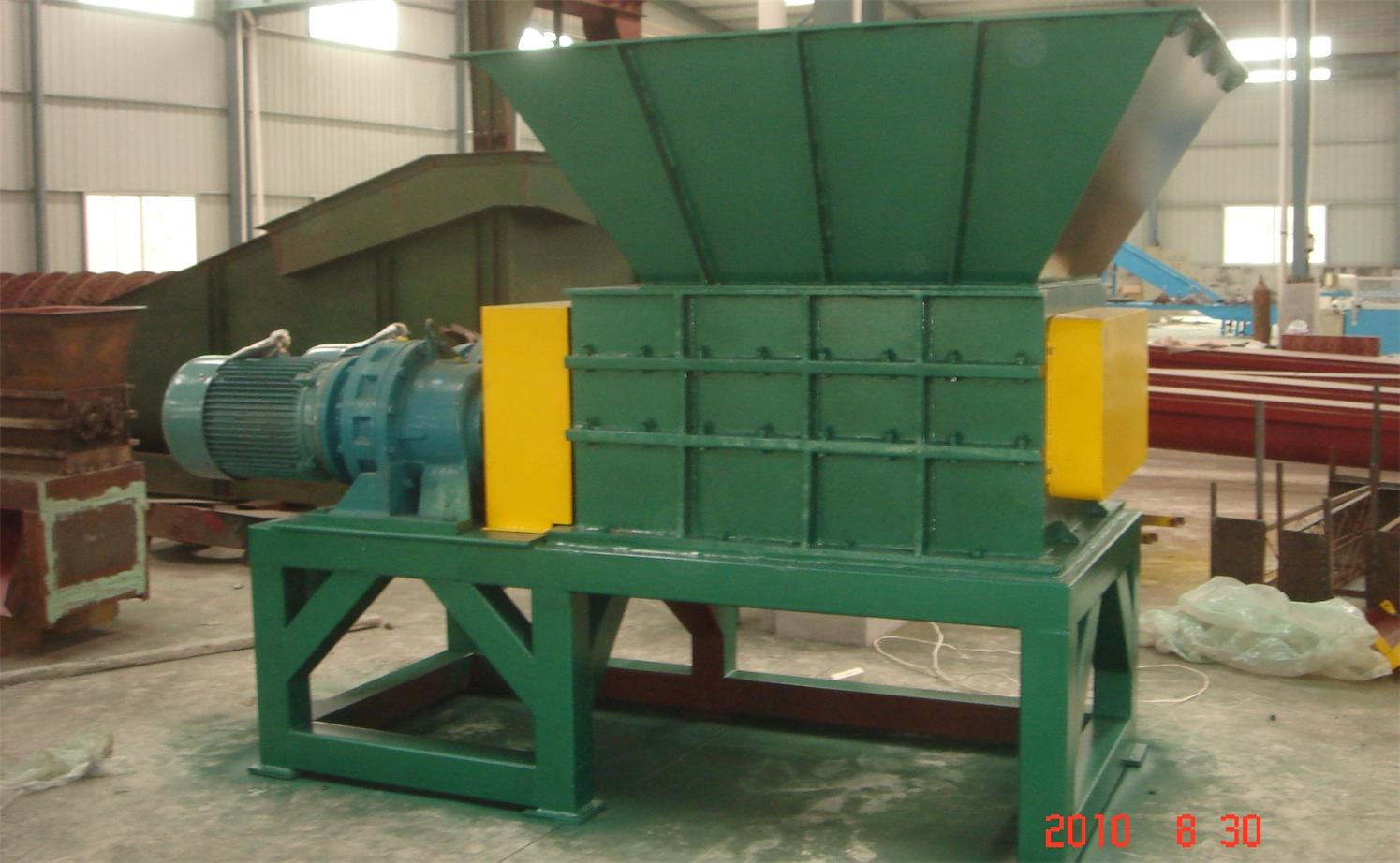
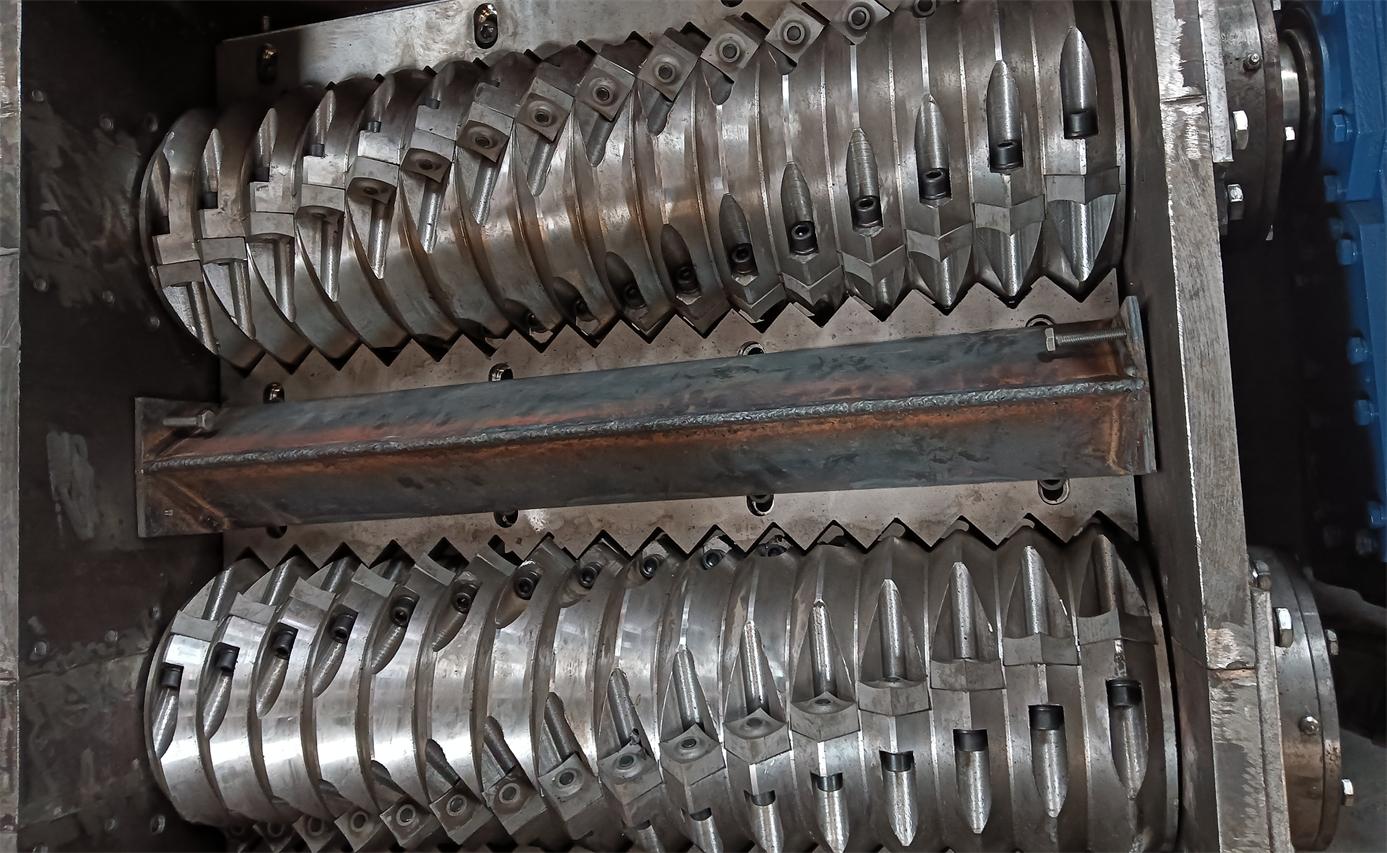
In lead-acid battery recycling, the most critical system is the lead acid battery breaking and separation system. This is where batteries are crushed, and their components (lead plates, plastic casings, acid) are separated. If this system fails, the entire plant stalls. But redundancy here can take many forms:
Component-Level Redundancy: Spare Parts That Keep You Going
Component-level redundancy is the most basic form: having extra critical parts on hand, or designing equipment with duplicate components that can kick in when the primary one fails. For example:
- Motors and drives: The crushing unit in a breaking and separation system relies on powerful motors to shred batteries. If the primary motor burns out, a redundant motor (or even just a spare motor ready to be installed) can get the system back up in hours instead of days.
- Sensors and controls: Modern recycling equipment uses sensors to monitor everything from temperature and pressure to material flow. Redundant sensors ensure that if one fails, the system doesn't shut down—it switches to the backup sensor and alerts maintenance.
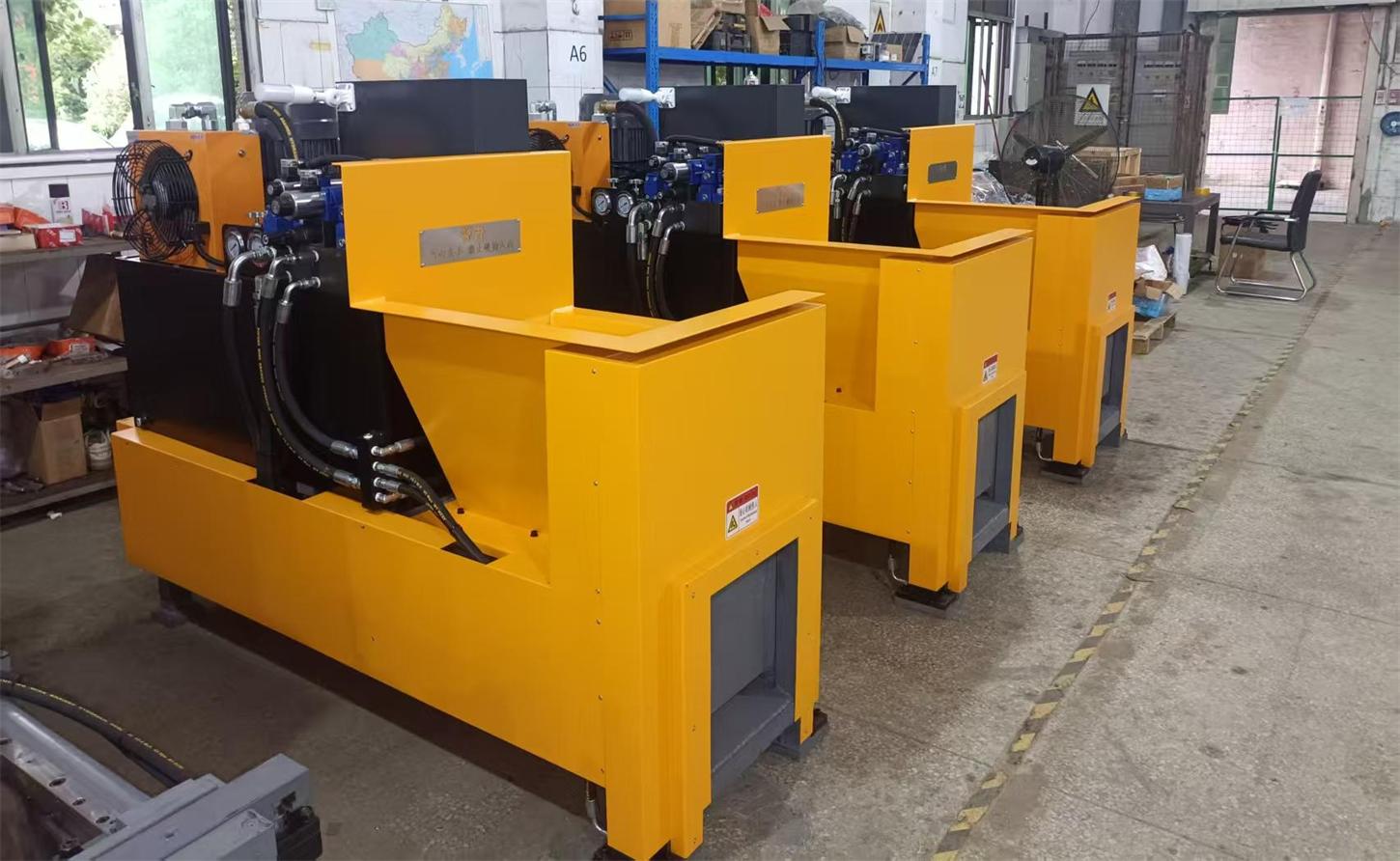
- Hydraulic systems: Many crushing and separation machines use hydraulics to apply pressure. Redundant hydraulic pumps or valves can prevent a single leak or pump failure from stopping the line.
Think of it like having a spare tire in your car. You hope you'll never need it, but when you get a flat, you're glad it's there. Component-level redundancy is your "spare tire" for the production line.
System-Level Redundancy: Parallel Lines for Uninterrupted Flow
For larger plants, component-level redundancy might not be enough. That's where system-level redundancy comes in: having parallel processing lines that can handle the same tasks. For example, a plant might have two identical lead acid battery breaking and separation systems. If one needs maintenance or breaks down, the other can pick up the slack—often without even slowing production.
System-level redundancy is common in high-volume plants, where downtime costs are highest. It's like having two lanes on a highway instead of one: if one lane is closed for construction, traffic still moves in the other.
Auxiliary System Redundancy: Don't Overlook the "Small" Stuff
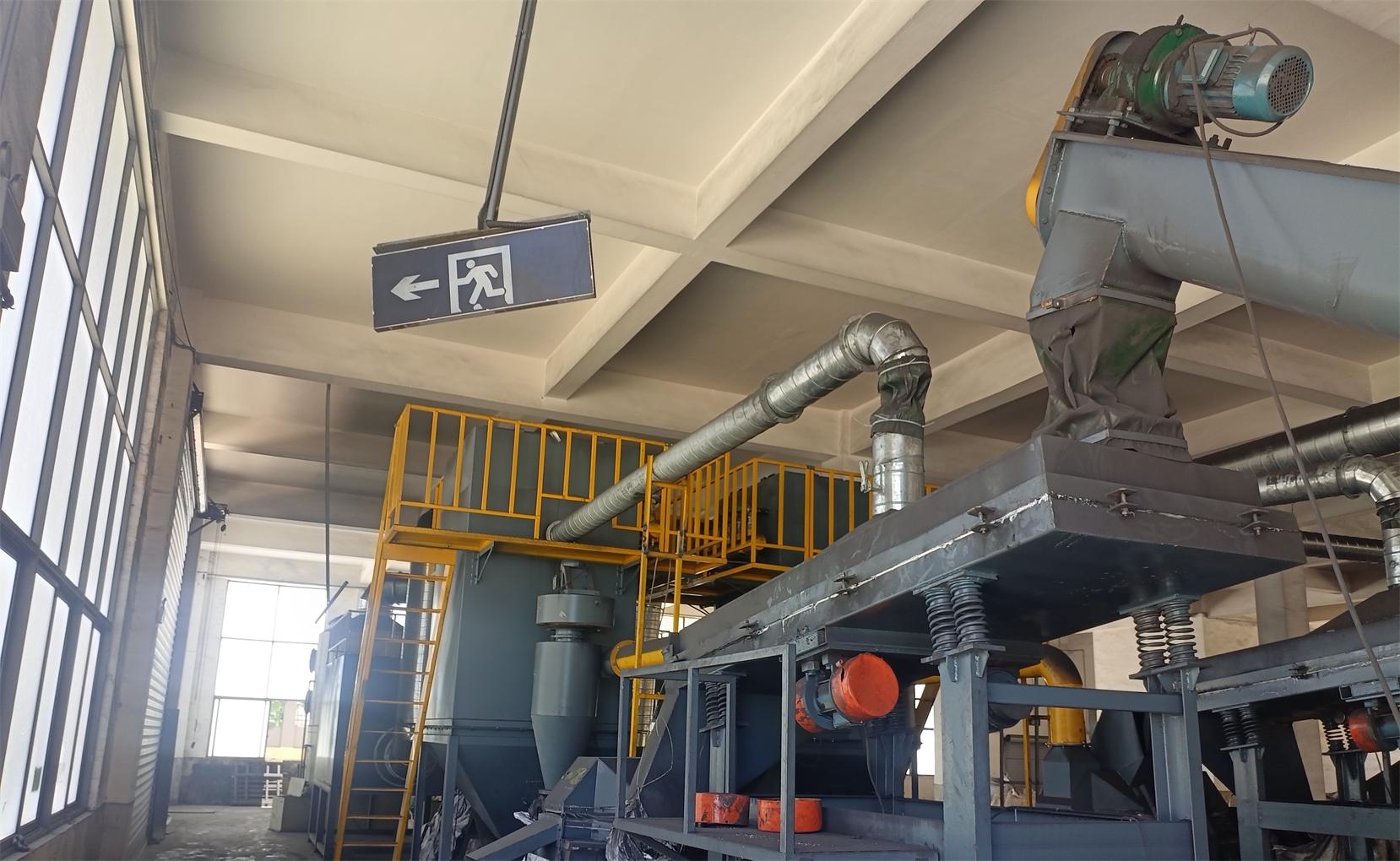
Redundancy isn't just about the big machines. Auxiliary systems—like air pollution control system equipment, filter press equipment, and even water process equipment—are just as critical. If your air pollution control system fails, for example, you might have to shut down to avoid violating emissions laws. But with a redundant APCS unit, the backup kicks in, and you stay compliant.
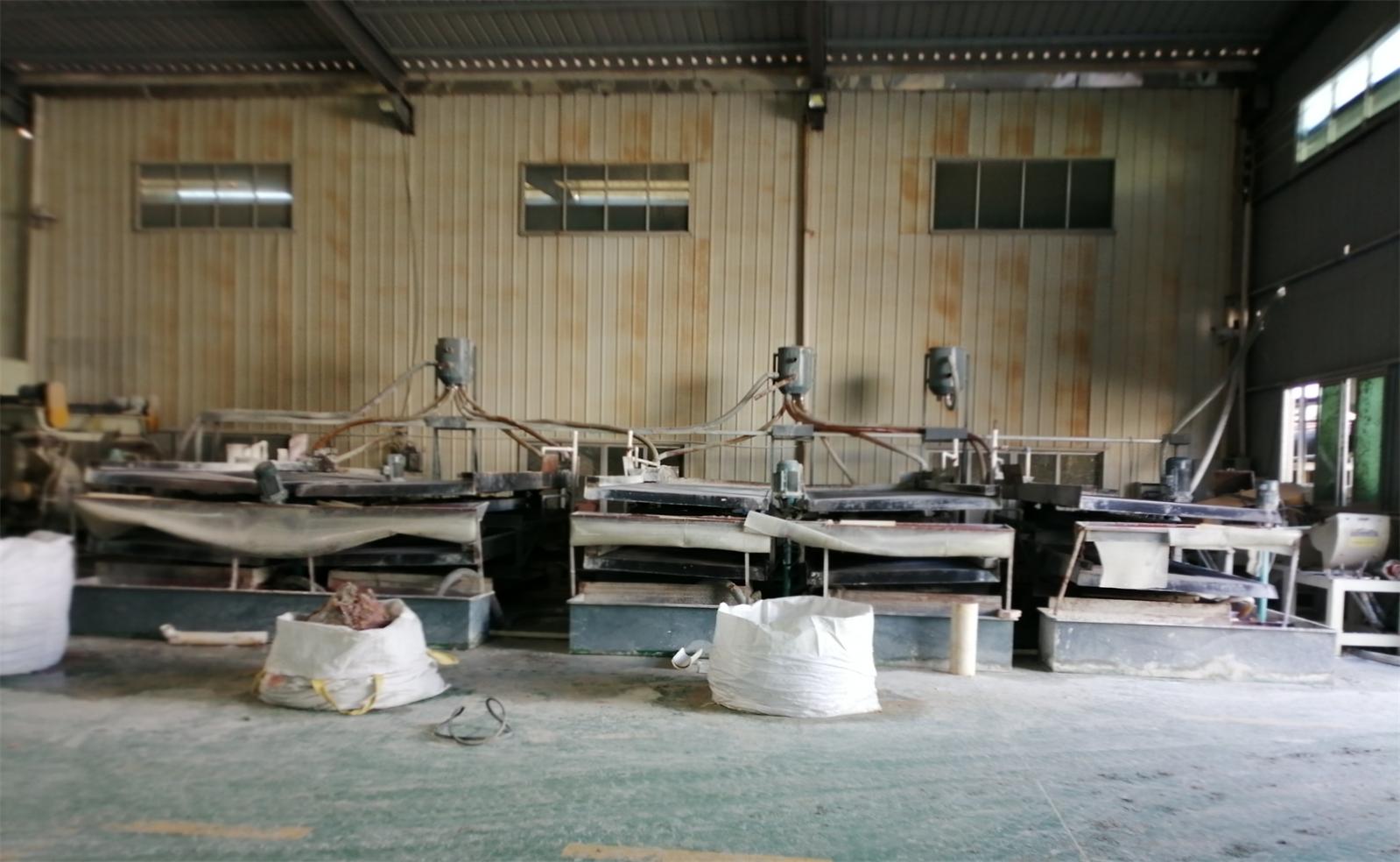
Filter press equipment is another example. After batteries are crushed, the lead paste is separated from other materials using filter presses. If the primary filter press clogs or breaks, a redundant unit can take over, keeping the paste separation process running. Without it, the paste backs up, and the entire line stalls.
Auxiliary equipment might not be the "star" of the plant, but they're the unsung heroes. And when it comes to redundancy, they deserve just as much attention as the main breaking and separation system.
The Types of Redundancy That Make the Biggest Difference
Not all redundancy is created equal. Some types have a bigger impact on preventing downtime than others, especially in lead-acid battery recycling. Let's break down the most valuable ones.
1. Redundant Power and Control Systems
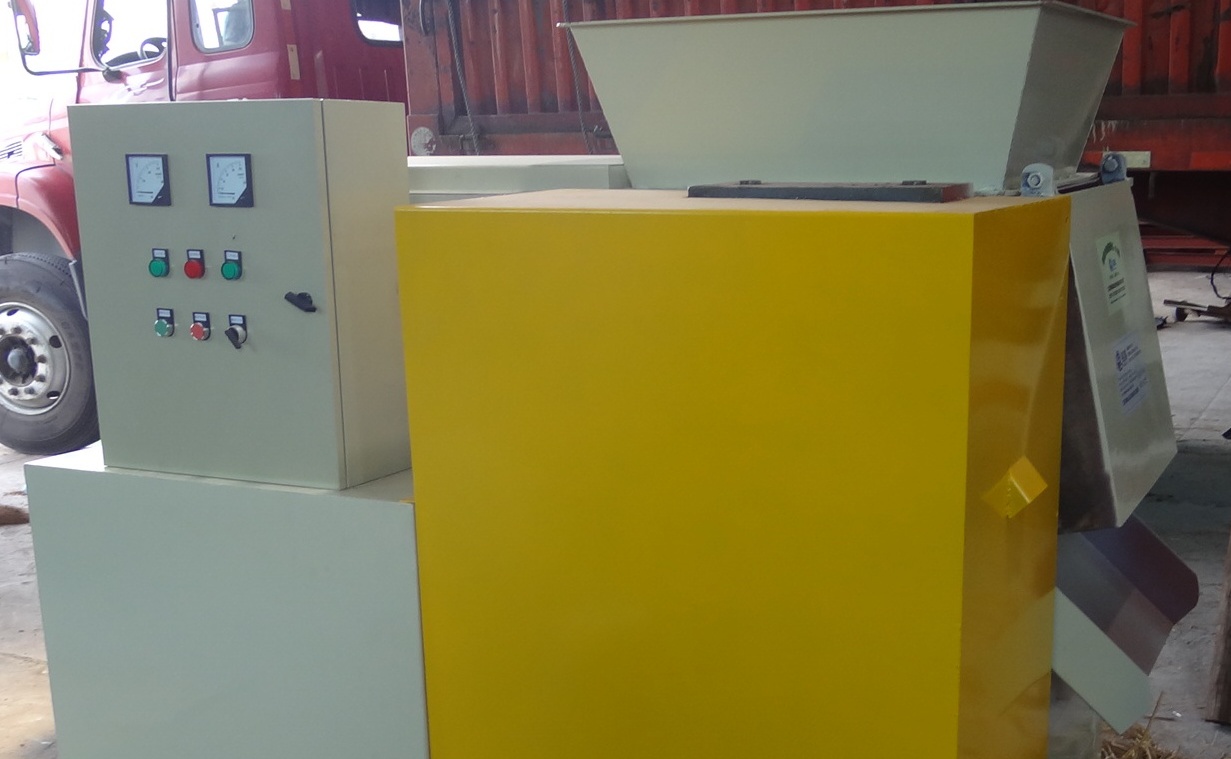
Your breaking and separation system runs on electricity, and its controls rely on programmable logic controllers (PLCs) to coordinate crushing, separation, and material flow. A power surge, a PLC crash, or a faulty circuit can bring everything to a halt. Redundant power systems—like backup generators or uninterruptible power supplies (UPS)—keep the lights on and the PLCs running during outages. Similarly, redundant PLCs ensure that if the primary control system fails, a backup takes over seamlessly.
One plant in Texas learned this the hard way during a thunderstorm. Their primary power went out, and they had no backup generator. The breaking and separation system shut down, and the lead paste in the filter press equipment hardened, clogging the filters. It took two days to clean them out and restart production. After that, they installed a generator—and haven't lost a minute of production to power outages since.
2. Parallel Processing in the Breaking and Separation System
Imagine a lead acid battery breaking and separation system with two crushing units instead of one. When both are running, they double production capacity. But if one unit needs maintenance, the other keeps going. This is parallel processing, and it's a game-changer for downtime prevention.
For example, a plant with a 2,000 kg/hour capacity system might split that into two 1,000 kg/hour units. If one unit fails, production drops by 50%—but it doesn't stop. You can still meet most of your targets while fixing the broken unit. Without parallel processing, a single unit failure means 100% downtime.
3. Redundant Auxiliary Systems: Air Pollution Control and Filter Press Equipment
Regulators don't care why your plant is emitting more pollutants than allowed—they just care that it's happening. That's why air pollution control system equipment is non-negotiable. But what if your primary APCS fails? Without a backup, you'll have to shut down immediately to avoid fines. Redundant APCS units ensure that emissions stay within legal limits even when the main system is down for repairs.
Similarly, filter press equipment is critical for separating lead paste from water and other byproducts. A single filter press can handle a certain volume, but if it clogs (a common issue with thick, sticky paste), production stops. Installing two filter presses in parallel means you can switch to the second one while cleaning the first, keeping the paste flowing.
A recycling facility in Florida processes 10,000 kg of lead-acid batteries daily. They used to have one large filter press, but it would clog every 3–4 days, requiring 4 hours of downtime to clean. Then they added a second, smaller filter press as a backup. Now, when the primary press clogs, they switch to the backup, clean the primary during off-hours, and never stop production. In the first month, they avoided 32 hours of downtime—saving over $100,000 in lost production. The cost of the second filter press? It paid for itself in under two months.
Redundancy Isn't Just About Equipment—It's About Planning
Redundancy isn't only about buying extra machines or parts. It's also about having clear plans in place for when things go wrong. For example:
- Maintenance schedules: Regularly servicing equipment reduces the chance of failure, but even with maintenance, parts wear out. A redundant maintenance plan includes backup technicians or contracts with local repair services that can respond quickly.
- Cross-training staff: If only one technician knows how to fix the breaking and separation system, and they're on vacation when it breaks, you're in trouble. Cross-training ensures multiple team members can handle critical repairs.
- Supplier relationships: Having backup suppliers for critical parts (like motors, sensors, or filter press membranes) means you're not stuck waiting for one company to deliver.
Think of it this way: Redundancy is a mindset. It's about expecting the unexpected and preparing for it—whether that's with extra equipment, trained staff, or backup suppliers.
The Long-Term Benefits of Investing in Redundancy
At this point, you might be thinking, "Redundancy sounds expensive. Do I really need it?" The short answer: Yes. Here's why the investment pays off.
1. Lower Downtime, Higher Profits
The most obvious benefit is less downtime, which directly translates to more production and revenue. If a mid-sized plant avoids just 10 hours of downtime per month, that's 20,000 kg of extra production—worth $100,000 at average lead prices. Over a year, that's $1.2 million in additional revenue. Even a small redundancy investment (like a $50,000 backup motor or $100,000 second filter press) will pay for itself quickly.
2. Better Compliance and Fewer Fines
Regulators are cracking down on emissions and waste management. If your air pollution control system equipment fails and you can't fix it immediately, you could face fines of $10,000 per day or more. Redundant APCS systems keep emissions in check, avoiding penalties and keeping inspectors happy.
3. Stronger Client Relationships
Clients—whether refineries, manufacturers, or government agencies—rely on your plant to deliver materials on time. If you're known for consistent, reliable production, you'll win long-term contracts and command better prices. Downtime erodes trust; redundancy builds it.
4. Peace of Mind for You and Your Team
Running a recycling plant is stressful enough without worrying about equipment failures. Redundancy takes that stress off your plate. You'll sleep better knowing that a single broken part won't derail your entire operation. And your team will feel more confident and motivated when they're working with equipment they can depend on.
How to Start Building Redundancy in Your Plant
You don't have to overhaul your entire operation to add redundancy. Start small, focus on the most critical systems, and expand from there. Here's how:
Step 1: Identify Single Points of Failure
Walk through your lead acid battery breaking and separation system and ask: What parts or systems, if they failed, would stop production? Make a list. Common culprits include motors, sensors, PLCs, filter presses, and APCS units.
Step 2: Prioritize Based on Cost and Risk
Not all single points of failure are equal. A $50 sensor that can be replaced in an hour is less critical than a $50,000 motor that takes a week to ship. Prioritize redundancy for high-risk, high-cost failures first. For example:
- High priority: Backup motor for the crushing unit, redundant APCS, second filter press.
- Medium priority: Spare sensors, extra hydraulic hoses, backup PLC.
- Low priority: Spare nuts, bolts, and other small parts (keep these in inventory, but they don't need redundant systems).
Step 3: Work with Your Equipment Supplier
Reputable suppliers of lead acid battery recycling equipment understand redundancy. Ask them to design systems with built-in backups—like parallel crushing units or dual filter presses. They can also help you source spare parts and train your team on maintenance.
Step 4: Test Your Redundancy Plans
Redundancy only works if you know how to use it. Run drills: Simulate a motor failure and see how long it takes your team to switch to the backup. Test your backup generator during a scheduled maintenance window. The more you practice, the smoother things will go when a real failure happens.
Conclusion: Redundancy Is an Investment in Your Plant's Future
Lead-acid battery recycling is a tough, high-stakes business. The equipment works hard, the regulations are strict, and downtime is expensive. But redundancy—whether in the form of backup motors, parallel processing lines, or redundant air pollution control system equipment—can turn that stress into stability.
Think back to the plant in the Midwest that lost $50,000 because of a failed sensor. Or the Florida facility that saved $100,000 in a month with a second filter press. These aren't anomalies—they're real examples of how redundancy pays off.
At the end of the day, redundancy isn't about spending more money. It's about protecting the money you're already investing in your plant, your team, and your clients. It's about building a operation that's resilient, reliable, and ready for whatever comes its way.
So, take a look at your lead acid battery breaking and separation system. Identify those single points of failure. Talk to your supplier about adding backups. And start small if you have to. Your bottom line—and your peace of mind—will thank you.