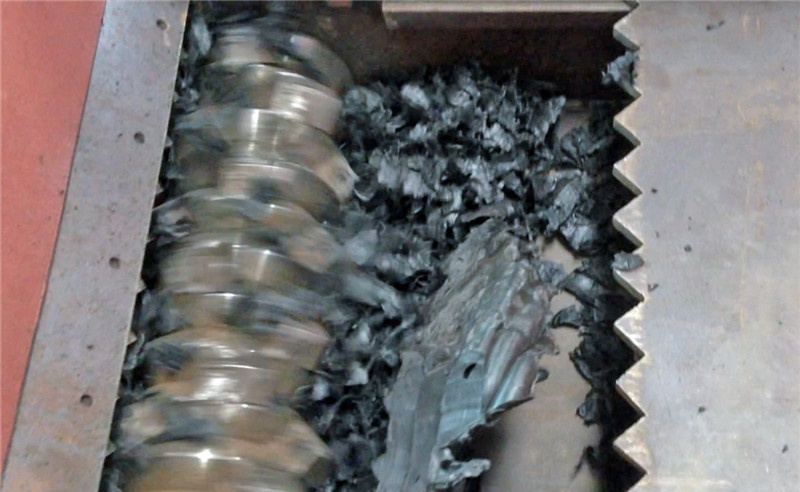
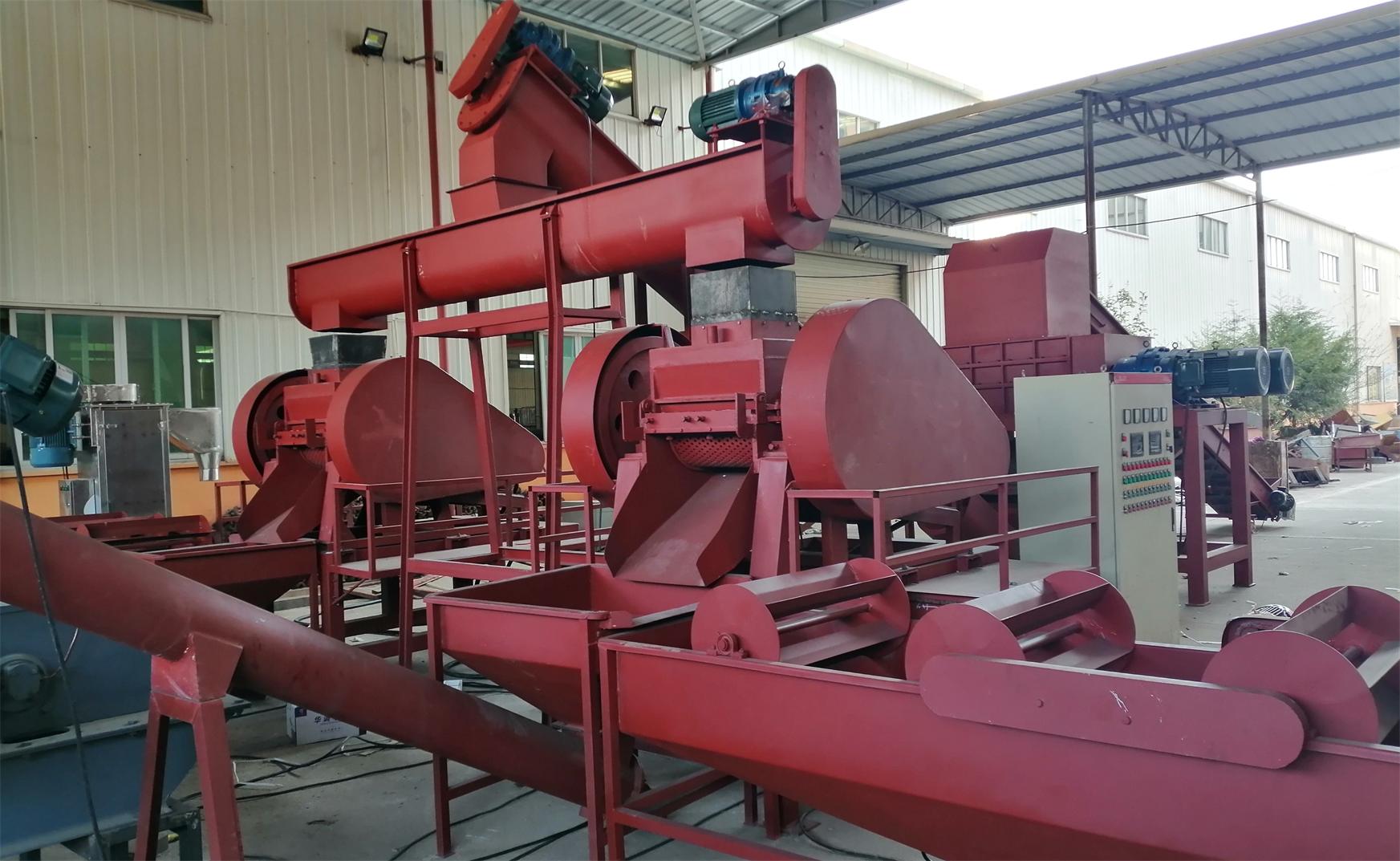
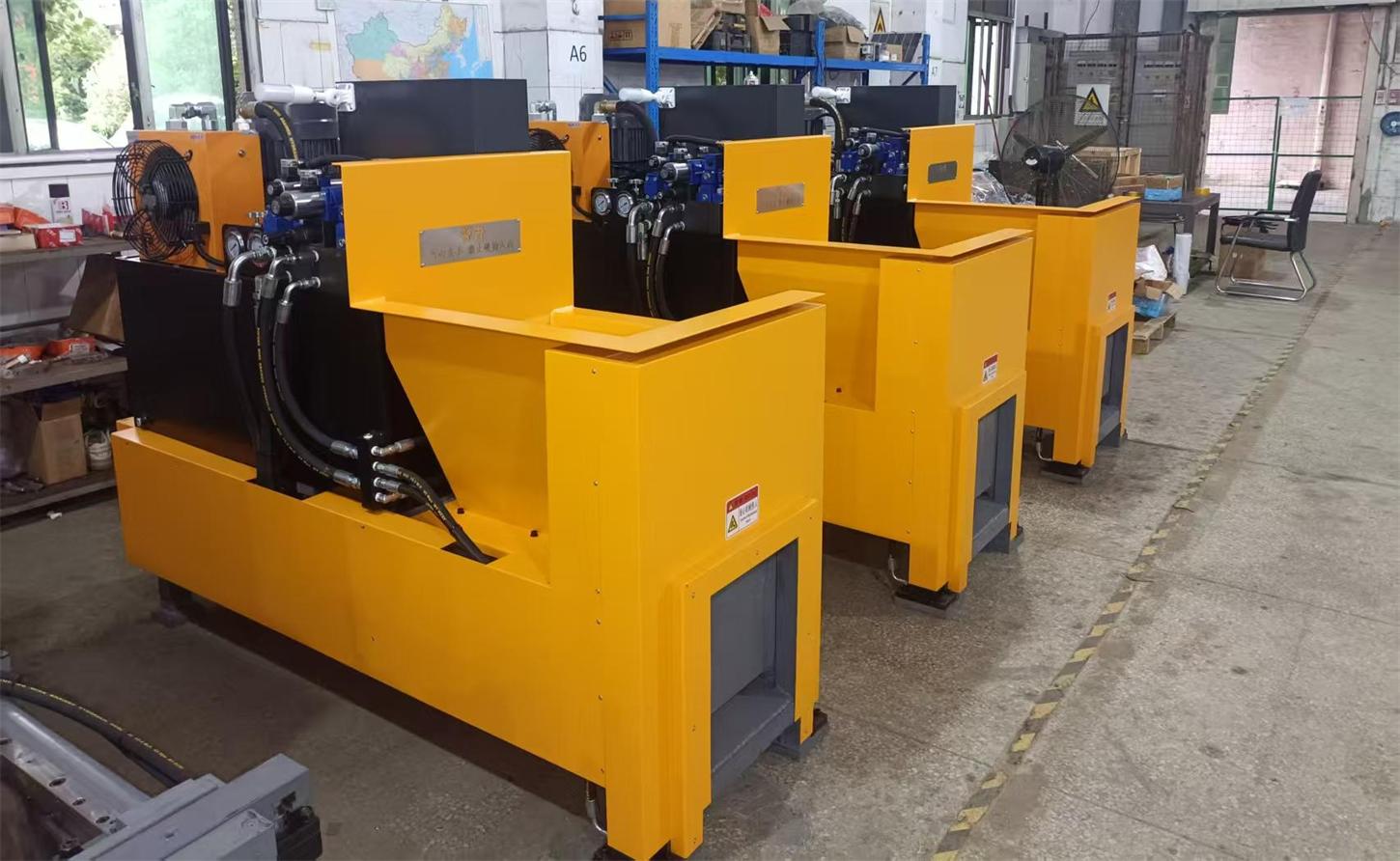
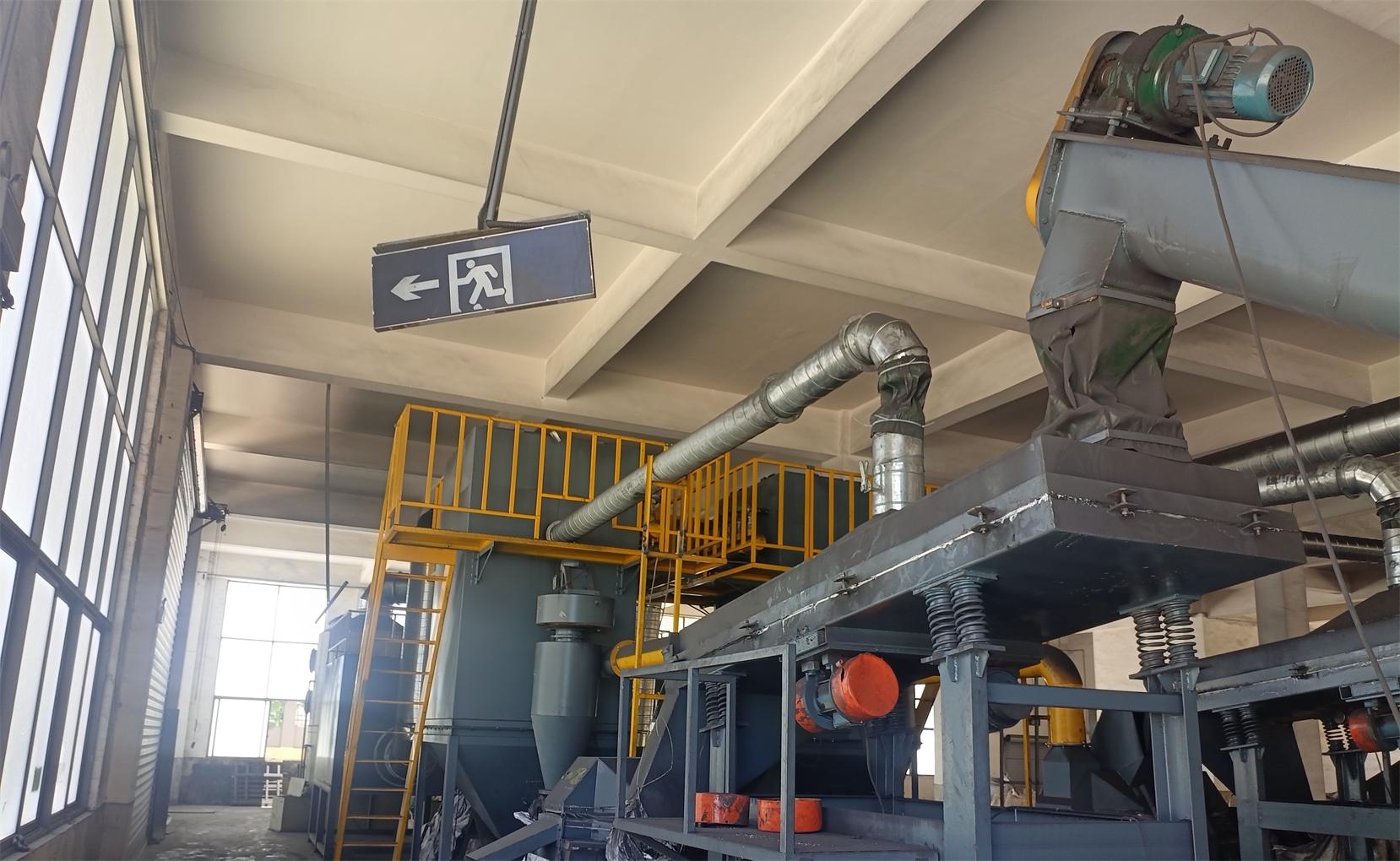
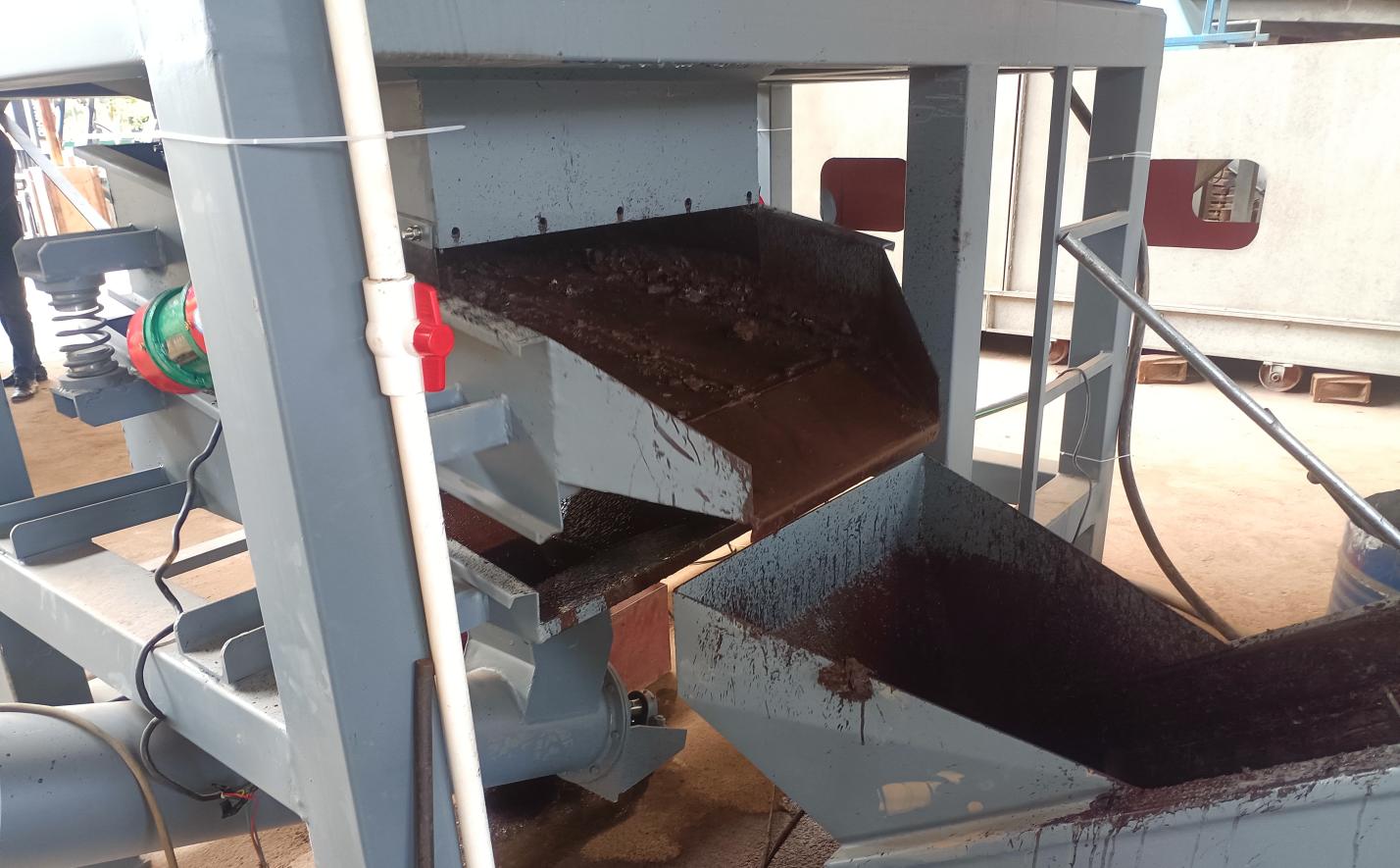
Picture this: You're the operations manager at a bustling lead-acid battery recycling facility. Your team processes hundreds of batteries daily, and the backbone of your workflow is a lead battery cutter—a machine that slices through casings to separate lead plates, acid, and plastic. One morning, the cutter jams. Upon inspection, you find the blade is misaligned, and lead dust has leaked from a cracked seal. Downtime hits, production grinds to a halt, and worse, your team is exposed to toxic lead particles. You later discover the supplier who sold you the cutter cut corners on safety standards to undercut competitors. Sound like a nightmare? It's a reality for many facilities that overlook one critical factor in equipment: supplier certifications.
In the world of lead-acid battery recycling, where precision, safety, and environmental compliance are non-negotiable, supplier certifications aren't just a "nice-to-have"—they're the foundation of reliable, responsible operations. Whether you're investing in a lead battery cutter, air pollution control system equipment, or filter press equipment, the certifications behind your supplier can mean the difference between smooth, compliant production and costly disasters. Let's dive into why these certifications matter, and how they protect your team, your bottom line, and the planet.
1. Safety Compliance: Protecting Your Team from Lead's Hidden Dangers
Lead is a silent threat. Even small amounts of lead dust or fumes can cause neurological damage, respiratory issues, and long-term health problems for workers. That's why regulatory bodies like OSHA (Occupational Safety and Health Administration) and the EU's CE marking have strict standards for equipment used in lead-acid battery recycling. Supplier certifications act as a guarantee that the equipment—from the hydraulic cutter equipment that slices through battery casings to the ventilation systems that clear the air—meets these life-saving benchmarks.
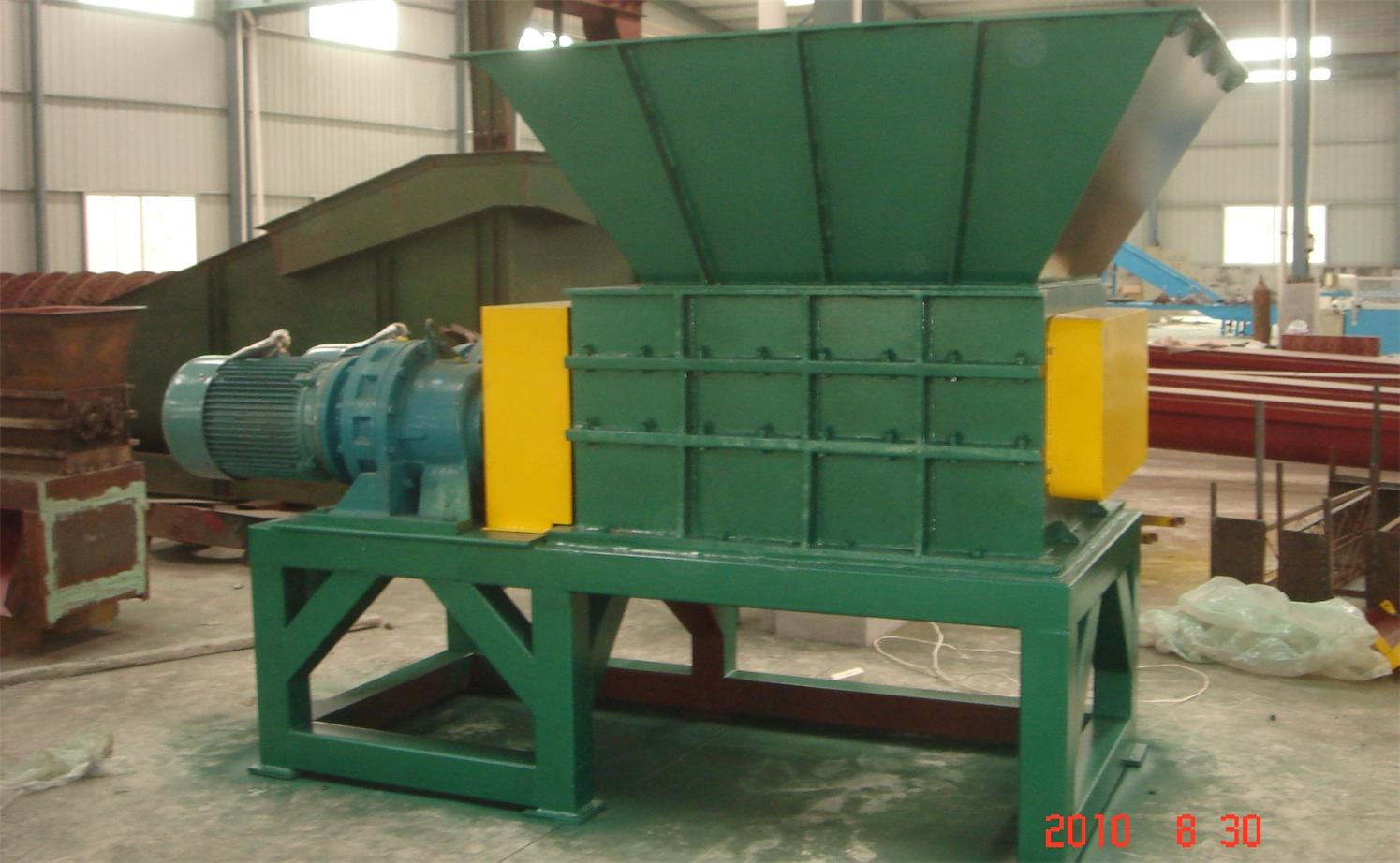
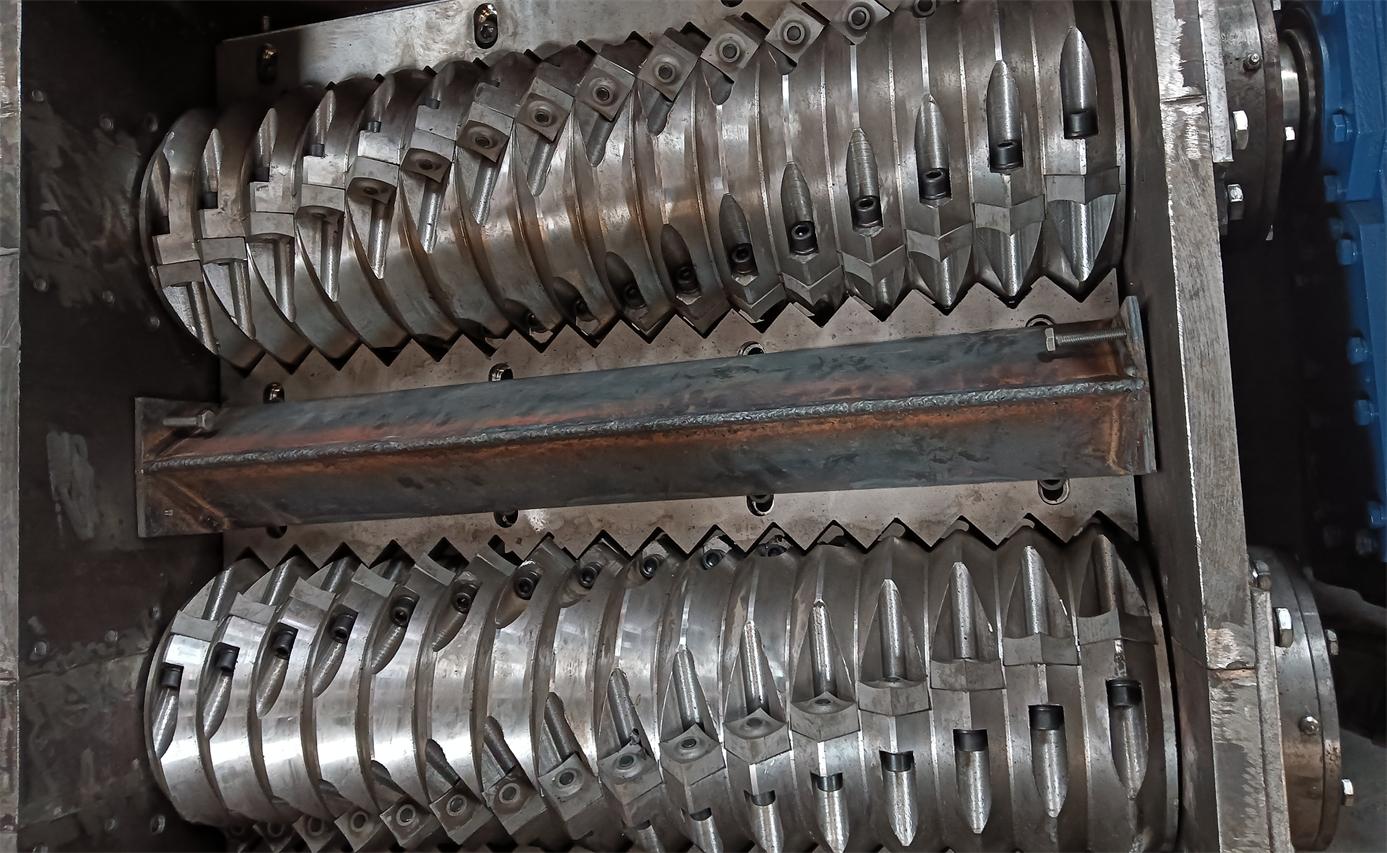
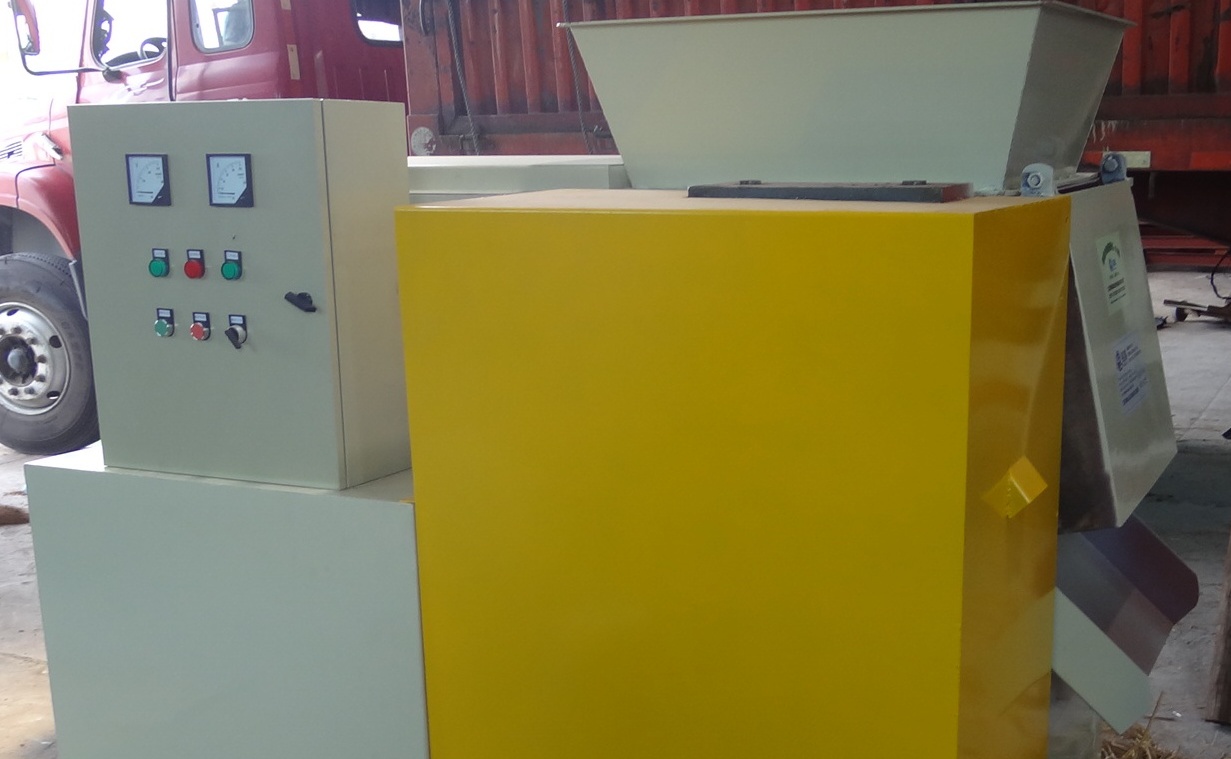
Take lead battery cutter equipment, for example. A certified cutter isn't just a blade attached to a motor. It's engineered with sealed bearings to prevent lead dust leakage, emergency stop buttons within arm's reach, and guards that shield operators from flying debris. Certifications like ISO 45001 (Occupational Health and Safety Management) ensure the supplier has undergone rigorous audits to prove their equipment minimizes worker exposure. Without these certifications, you're gambling with your team's safety. A non-certified cutter might skip critical safety features, like a dust collection port that integrates with your air pollution control system equipment, leaving your workers vulnerable to lead exposure.
Consider a real-world scenario: A U.S.-based recycling plant in 2022 was fined $127,000 by OSHA after an inspection revealed their lead battery cutter lacked proper ventilation and safety guards. The supplier had marketed the machine as "safe," but it carried no OSHA or CE certifications. The fine, coupled with medical bills for affected workers and lost productivity, far exceeded the initial savings of choosing a cheaper, uncertified supplier. Certifications aren't just paperwork—they're a legal and moral safeguard.
2. Quality Assurance: Avoiding Costly Downtime and Repairs
In the recycling industry, downtime is the enemy. Every minute your lead battery cutter is out of commission translates to missed deadlines, backlogged orders, and lost revenue. Certified suppliers don't just meet safety standards—they prioritize quality, ensuring their equipment is built to withstand the rigors of daily use. How? Through certifications like ISO 9001, which focuses on quality management systems. These certifications require suppliers to document every step of production, from raw material sourcing to final testing, ensuring consistency and reliability.
Let's compare two hypothetical suppliers: Supplier A is certified ISO 9001 and specializes in lead acid battery recycling equipment. Their lead battery cutter undergoes 100 hours of stress testing before shipping, uses high-grade steel blades rated for 10,000 cuts, and comes with a 2-year warranty. Supplier B is uncertified, offers a cutter at 30% less cost, but provides no test data and a 6-month warranty. Which one sounds more likely to keep your facility running? In practice, Supplier B's cutter might fail after 2,000 cuts, requiring expensive blade replacements and unplanned maintenance. Supplier A's certified cutter, meanwhile, runs smoothly for years, with predictable upkeep costs.
Hydraulic cutter equipment is another example where certification matters. Hydraulic systems rely on precise pressure control to avoid jamming or blade breakage. A certified hydraulic cutter will have components tested to ISO 12100 (Safety of Machinery) standards, ensuring the hydraulic fluid is contained, pressure levels are stable, and the system shuts down automatically if anomalies are detected. Uncertified hydraulic cutters often use cheap, untested valves or hoses that can leak or burst, leading to messy, dangerous failures. When your operation depends on consistent performance, certifications are your assurance that the equipment won't let you down.
3. Environmental Responsibility: Keeping Toxins Out of Air, Water, and Soil
Lead-acid battery recycling isn't just about recovering valuable materials—it's about doing so without harming the planet. Lead acid battery breaking and separation systems, if improperly designed, can release lead into the air, acid into waterways, or plastic waste into landfills. That's where environmental certifications come in. Suppliers with certifications like ISO 14001 (Environmental Management) or EPA (Environmental Protection Agency) compliance demonstrate a commitment to minimizing their equipment's environmental footprint.
Consider air pollution control system equipment. A certified system will use high-efficiency particulate air (HEPA) filters, activated carbon scrubbers, and real-time monitoring to capture 99.97% of lead dust and acid fumes. Without certification, the system might use subpar filters that let harmful particles escape, leading to air quality violations and fines. Similarly, filter press equipment—used to separate lead paste from acid—must meet strict standards to prevent acid leakage into wastewater. A certified filter press will have leak-proof membranes and automated pH monitoring, ensuring compliance with the Clean Water Act. Uncertified models? They might drip acid into your facility's drains, contaminating local water sources and triggering costly environmental audits.
In 2019, a recycling facility in Europe was ordered to pay €2.3 million in fines after lead levels in nearby soil exceeded legal limits. Investigators traced the issue to a faulty filter press that had been sold by an uncertified supplier. The press had failed to separate lead paste properly, allowing toxic residue to seep into the ground. The facility's reputation was shattered, and it took years to regain community trust. Environmental certifications aren't just about avoiding penalties—they're about being a responsible steward of the planet.
| Factor | Certified Supplier | Non-Certified Supplier |
|---|---|---|
| Safety Standards | Meets OSHA, CE, and ISO 45001 requirements; includes guards, dust collection, and emergency stops. | May lack critical safety features; no third-party verification of worker protection. |
| Quality Consistency | ISO 9001-certified processes ensure uniform performance and durability; backed by test data. | Inconsistent build quality; prone to breakdowns and unplanned maintenance. |
| Environmental Compliance | ISO 14001 and EPA-compliant equipment; air/water pollution control systems meet strict limits. | Risk of non-compliance with environmental laws; higher likelihood of pollution incidents. |
| Operational Uptime | 95%+ uptime on average; reliable performance reduces production delays. | Frequent downtime due to equipment failures; missed deadlines and lost revenue. |
| Long-Term Cost | Higher upfront cost, but lower total cost of ownership (fewer repairs, longer lifespan). | Lower upfront cost, but hidden expenses (fines, repairs, downtime) drive costs higher. |
4. Operational Efficiency: Streamlining Workflows with Integrated, Certified Systems
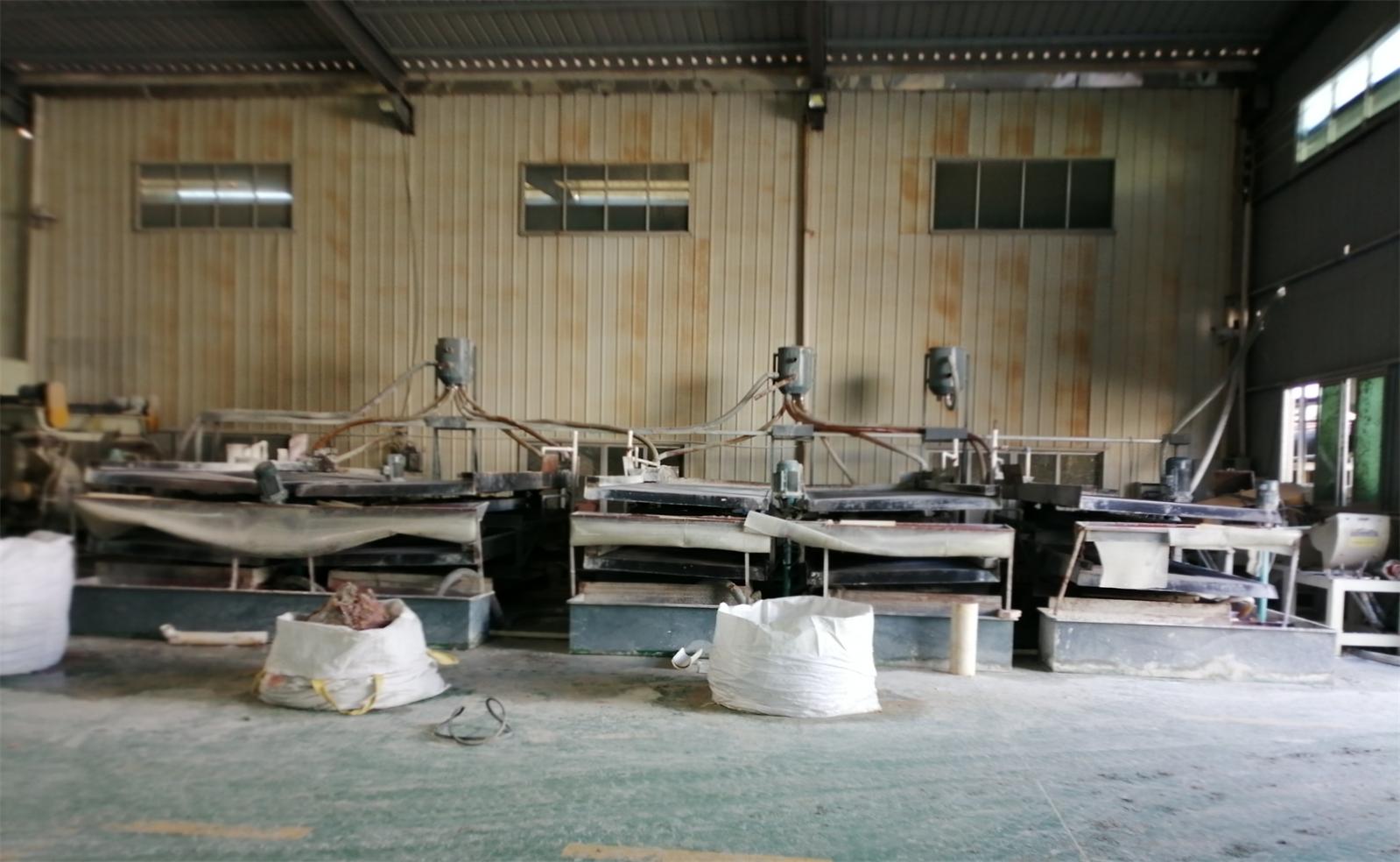
Lead-acid battery recycling isn't a one-machine job. It's a symphony of equipment: the lead battery cutter slices open casings, the filter press separates lead paste from acid, the air pollution control system equipment clears the air, and hydraulic cutter equipment trims excess materials. When all these pieces work together seamlessly, efficiency soars. Certified suppliers design their equipment to integrate with existing systems, ensuring compatibility and reducing bottlenecks.
For example, a certified lead battery cutter might come with programmable logic controllers (PLCs) that sync with your filter press, adjusting cutting speed based on paste thickness to optimize separation. Uncertified cutters, however, often use outdated controls that don't communicate with other machines, leading to uneven processing and wasted materials. A study by the Battery Council International found that facilities using fully certified, integrated systems reported 30% higher throughput and 25% lower waste compared to those with mismatched, uncertified equipment.
Certifications also drive innovation. Suppliers invested in maintaining certifications (like ISO 9001) are constantly improving their designs to meet evolving standards. This means you'll get access to features like energy-efficient motors, self-cleaning blades, and remote monitoring capabilities—upgrades that boost efficiency and reduce operational costs over time. Uncertified suppliers, focused solely on cutting costs, rarely invest in R&D, leaving you stuck with outdated technology.
5. Building Trust: Why Certifications Strengthen B2B Relationships
In the B2B world, trust is currency. When you're purchasing equipment that costs tens or hundreds of thousands of dollars, you need to trust that your supplier will stand behind their product. Certifications are a tangible demonstration of that trust. They show that the supplier is accountable—willing to submit to third-party audits, fix flaws, and continuously improve. In contrast, uncertified suppliers often disappear when problems arise, leaving you to deal with broken equipment and no support.
Consider the story of a recycling facility in Canada that partnered with a certified supplier for their lead battery cutter and air pollution control system equipment. A year into operation, the cutter's blade alignment drifted, affecting precision. The supplier, holding ISO 9001 certification, sent a technician within 48 hours, recalibrated the machine, and replaced the blade at no cost—all part of their certified quality management process. The facility's manager later noted, "We didn't just buy a machine; we bought a partner who cares about our success."
Certifications also make you a more attractive partner to clients and regulators. When potential customers or auditors visit your facility, seeing certified equipment from reputable suppliers signals that you take safety and compliance seriously. This can open doors to larger contracts, government partnerships, and industry recognition. In a competitive market, that edge can be invaluable.
Conclusion: Certifications Are the Smart Investment
At the end of the day, choosing a certified supplier for your lead battery cutter and related equipment isn't just about checking a box—it's about protecting your team, your facility, and your future. Certifications ensure safety, quality, and environmental responsibility, while driving efficiency and building trust. They transform a transactional purchase into a long-term partnership with a supplier who shares your commitment to excellence.
So, the next time you're comparing lead battery cutter suppliers, look beyond the price tag. Ask about their certifications: Do they hold ISO 45001 for safety? ISO 14001 for the environment? CE or OSHA compliance? Request audit reports, talk to their existing clients, and verify their claims. Your team deserves equipment that keeps them safe. Your bottom line deserves reliability. And the planet deserves responsible recycling practices. With certified suppliers, you get all three.
In the high-stakes world of lead-acid battery recycling, supplier certifications aren't just critical—they're your best defense against disaster. Choose wisely, and watch your operations thrive.